
All Categories

What Drone Has the Longest Battery Life

Time: 2025-12-07

1.Overview of Drones, the Importance of Batteries, and the Scope of This Article

Drones have rapidly evolved from niche consumer electronics products into critical tools across multiple industries, including photography, agriculture, surveying, infrastructure inspection, public safety, and logistics. As drone platforms become increasingly powerful and mission requirements escalate, expectations for flight endurance continue to rise. Whether a drone is designed for high-speed FPV racing or for multi-hour surveying missions, its overall performance is fundamentally limited by one core component: the battery.
The battery determines the drone's flight time, payload capacity, maneuverability limits, and the reliability of mission completion. Battery selection impacts not only flight time but also operational safety, lifecycle costs, and maintenance requirements.
This article provides a systematic overview of drone battery technology, explaining the definition of a drone battery, common chemical systems, the true meaning of "longest flight time" in the context of drones, the actual lifespan of drone batteries, and the key factors affecting flight time. It also introduces simple methods for calculating flight time and discusses drone applications with extremely high endurance requirements.


2. What is a Drone Battery?

2.1 Definition and Function

A drone battery is a rechargeable energy storage device specifically designed to power all onboard electronic systems of a drone. These systems typically include propulsion motors, electronic speed controllers (ESCs), flight controllers, navigation modules such as GPS, communication links, and mission payloads such as cameras, LiDAR sensors, or surveying equipment.

Unlike batteries used in smartphones or laptops, drone batteries must meet two stringent requirements simultaneously: first, storing enough energy to ensure meaningful flight time; and second, being able to instantly and repeatedly deliver high current, especially during takeoff, climbing, rapid acceleration, and emergency maneuvers. This dual demand for high energy density and high power output makes drone battery design extremely challenging.

What Drone Has the Longest Battery Life-1

2.2 Common Chemical Systems (Lithium Polymer, Lithium Ion) and Application Scenarios

Lithium Polymer Batteries (Li-Po)
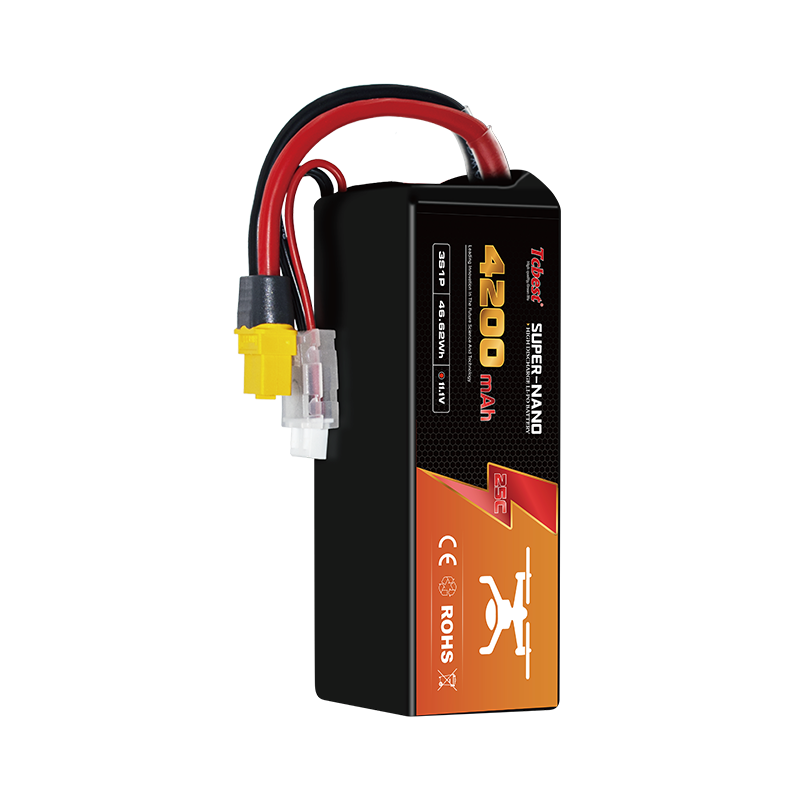
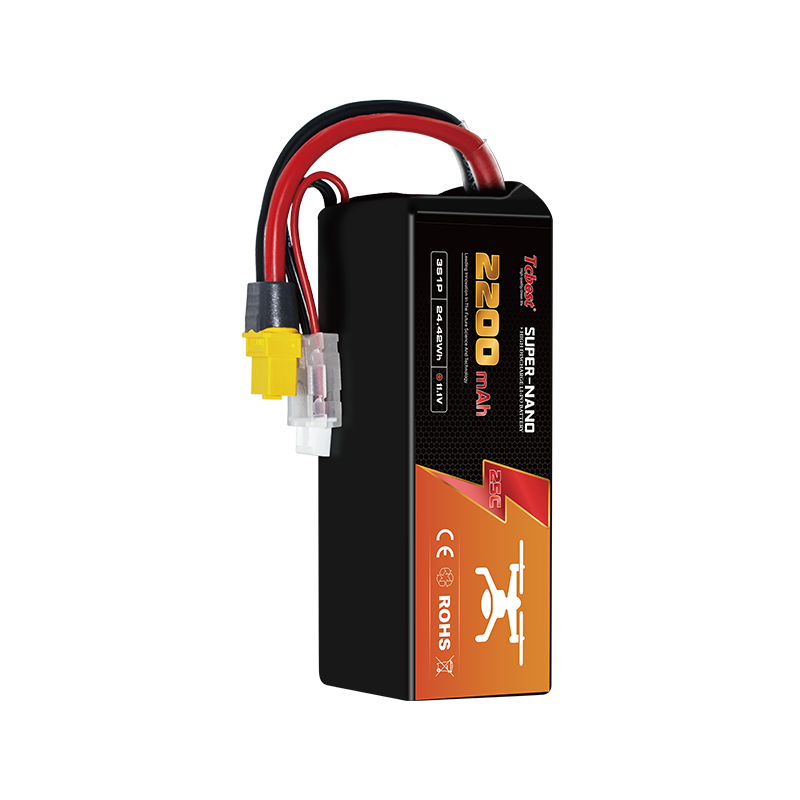
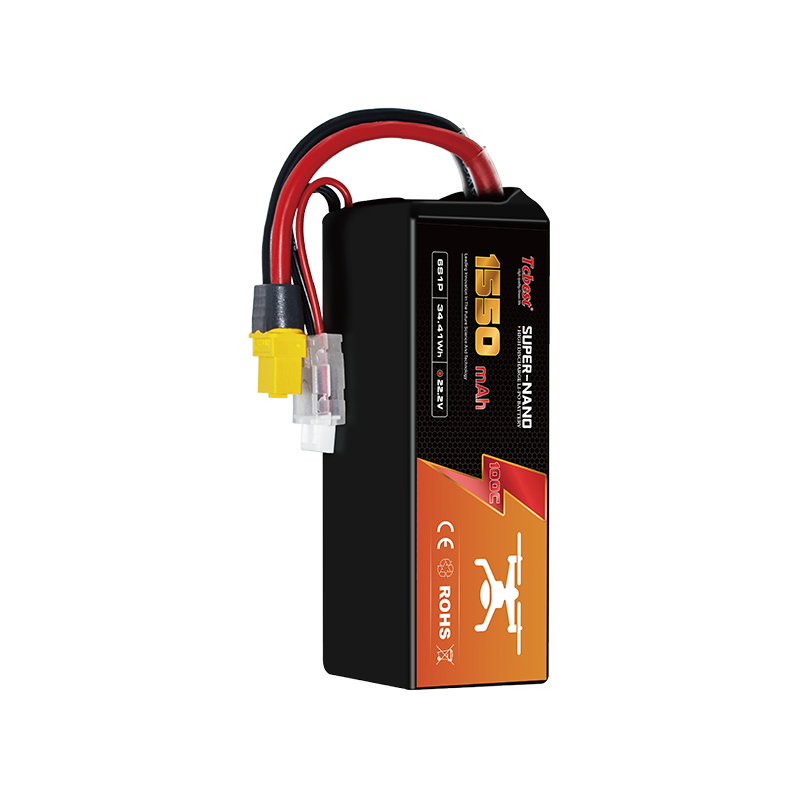
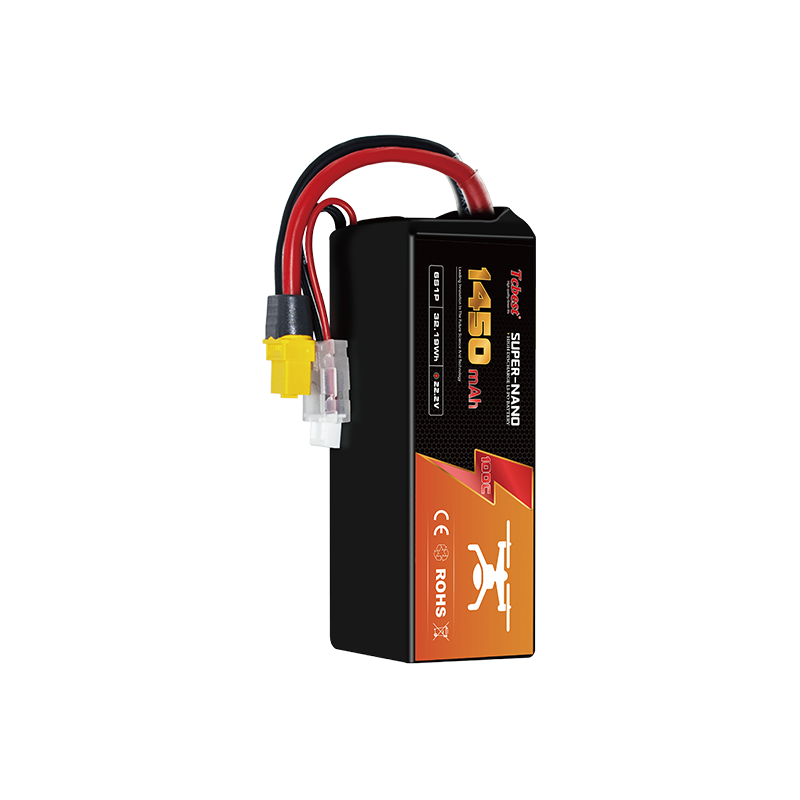
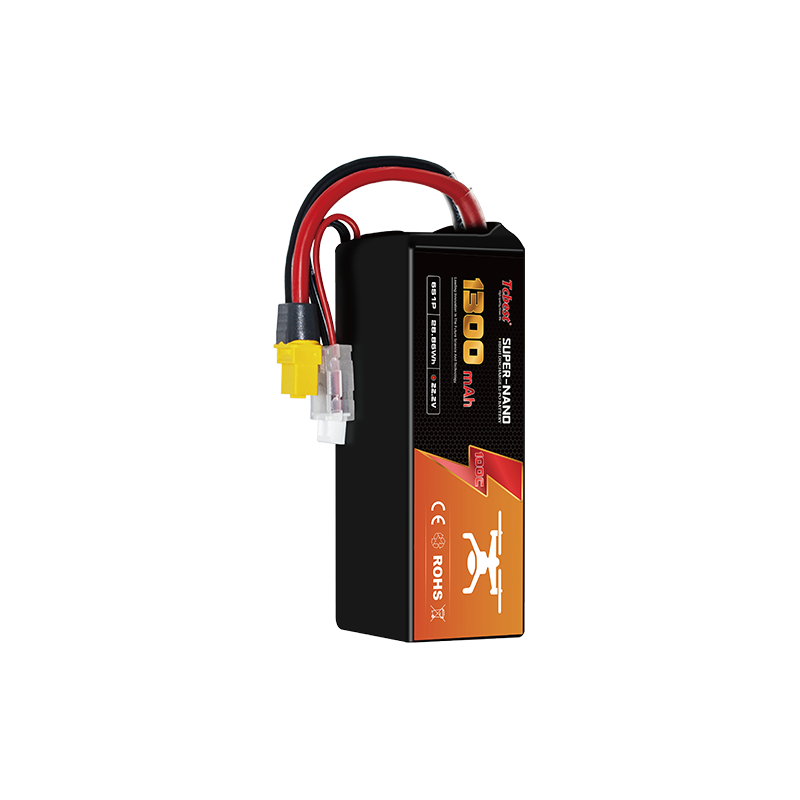
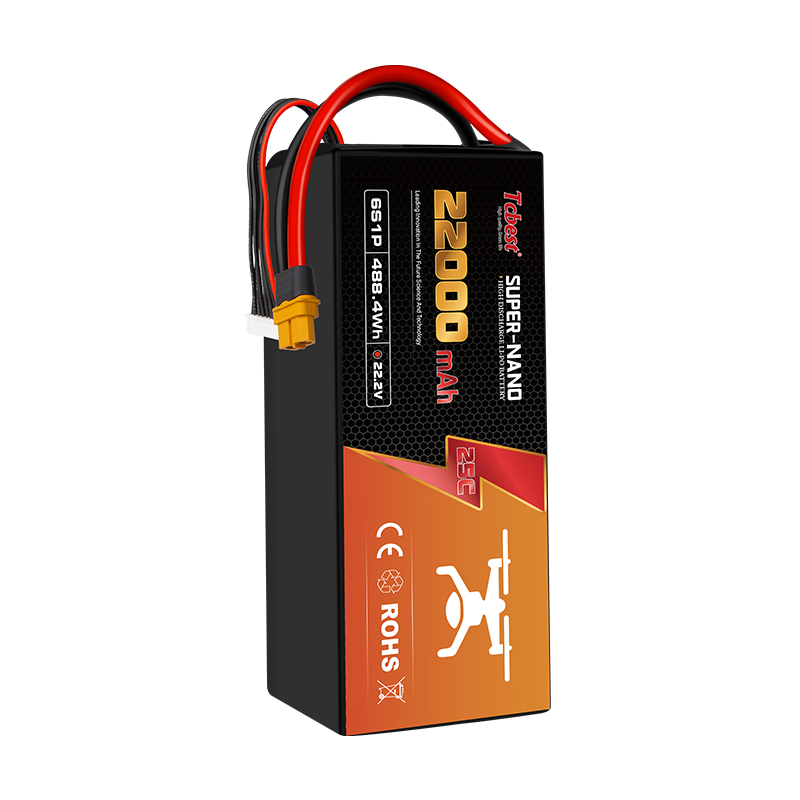
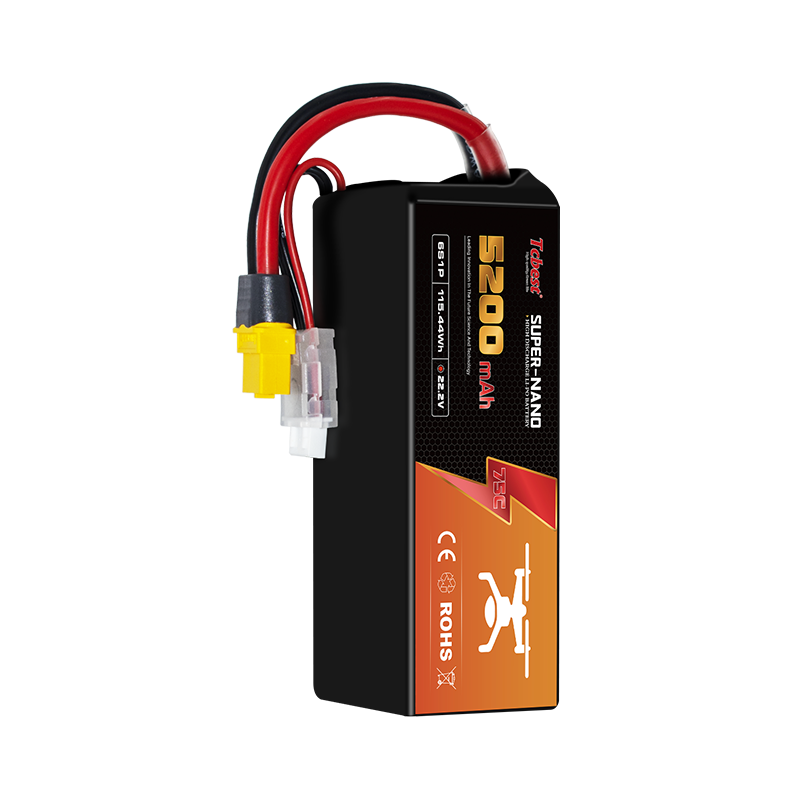
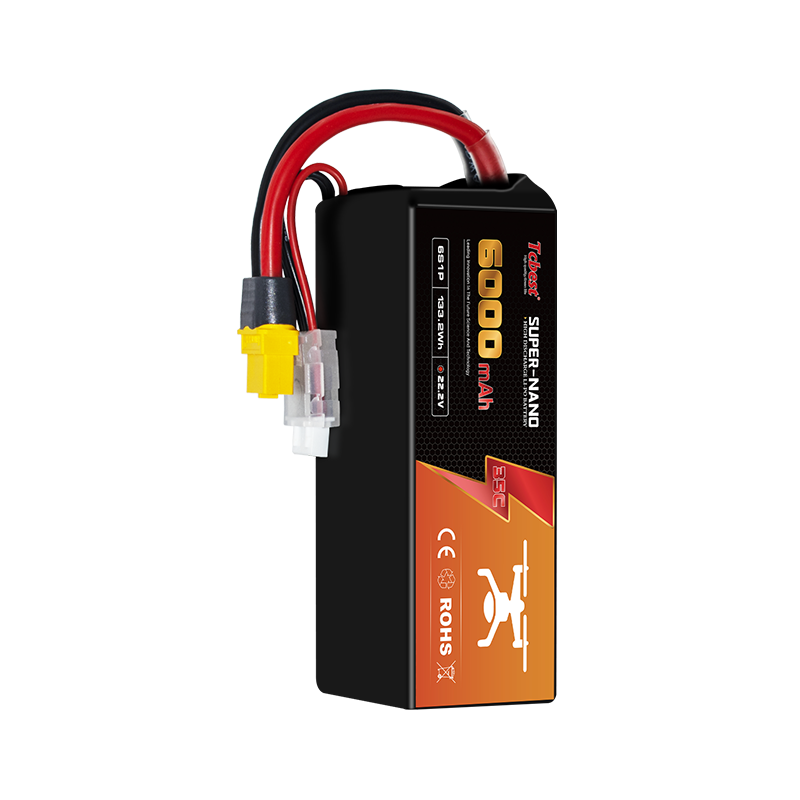
Lithium polymer batteries use a polymer or gel-like electrolyte, encapsulated in a soft-pack casing. This structural design gives it lightweight and multi-form characteristics, making it highly attractive for drones with stringent weight and size requirements.
Lithium polymer batteries are known for their ultra-high discharge rates, typically ranging from 25C to over 100C, meaning they can output high currents relative to their capacity. This characteristic makes them ideal for drones requiring strong instantaneous power and rapid throttle response.
Typical applications include: FPV racing drones, freestyle drones, and multi-rotor platforms carrying heavy loads and requiring high burst power.

What Drone Has the Longest Battery Life-2

Lithium-ion batteries (Li-ion)
Lithium-ion batteries typically use cylindrical or prismatic cells with a rigid metal casing. Their design prioritizes higher energy density and longer lifespan, rather than extreme current output.
Compared to lithium polymer batteries, lithium-ion batteries generally offer longer flight times per charge and better cycle life, but have lower maximum discharge rates. Therefore, they are best suited for applications with stable power consumption rather than aggressive maneuvers.
Lithium-ion batteries are commonly found in: long-range FPV drones, fixed-wing drones, and drone platforms where endurance is a core requirement.


3. What is the "longest-lasting" drone battery?

3.1 Two meanings of "longest-lasting"
The phrase "longest-lasting drone battery" has two different interpretations, and the distinction between them is crucial:

Single flight time
In one sense, "longest-lasting" refers to the amount of time a drone can stay airborne on a single charge. This primarily depends on the total energy storage capacity of the battery and the energy efficiency of the drone. Higher energy density (in watt-hours per kilogram Wh/kg) generally results in longer flight times.
In this dimension, lithium-ion batteries and new high-energy chemistry batteries often outperform high-discharge-rate lithium polymer batteries.

Cycle life
In another sense, "longest-lasting" refers to the overall lifespan of the battery itself, measured in charge-discharge cycles. Batteries with a longer cycle life can be charged and used more times before significant capacity degradation occurs.
Lithium-ion batteries generally have a longer cycle life than lithium polymer batteries, especially when used under moderate load conditions. 3.2 Typical High-Capacity Range (10,000–30,000 mAh)

Professional and industrial drones typically rely on high-capacity battery packs for extended flight times. Common capacity ranges include:
Compact professional drones: 10,000-12,000 milliampere-hours (mAh)
Surveying and agricultural drones: 16,000-22,000 milliampere-hours (mAh)
Heavy-duty or long-endurance platforms: 28,000-30,000 milliampere-hours (mAh) or even higher

While higher capacity means more stored energy, it also increases weight, which can reduce drone efficiency. Therefore, finding the optimal balance between capacity and weight is crucial for maximizing flight time.

3.3 Emerging Chemical Systems (Solid-State Nickel Manganese Cobalt Batteries, etc.)
To overcome the limitations of traditional lithium polymer and lithium-ion batteries, new battery technologies are constantly being developed. Semi-solid and solid-state lithium batteries aim to improve energy density, thermal stability, and safety.
For example, solid-state nickel manganese cobalt (NMC) batteries use solid or semi-solid materials to replace most of the liquid electrolyte. These batteries show great potential in terms of long endurance and safety, especially for high-value industrial drone operations, although they currently still face challenges in terms of cost and mass production.


4. How Long Do Drone Batteries Actually Last?

4.1 Flight Time Range (Consumer, Professional, Industrial)

Flight time varies significantly depending on the type and design of the drone:
Consumer drones: Typically fly for 20-40 minutes
Professional aerial photography and enterprise drones: Typically reach 40-55 minutes
Industrial fixed-wing drones: Can fly for 1-3 hours
Hybrid vertical take-off and landing (VTOL) drones and dedicated long-endurance drones: Can stay airborne for several hours
The above data is based on ideal conditions and healthy battery status. Actual flight time is significantly affected by external factors such as wind, temperature, and payload. 4.2 Comparison of Cycle Life Between Lithium Polymer and Lithium-Ion Batteries
Battery life is typically measured in cycles, where one cycle refers to a complete discharge followed by a full recharge:
Lithium Polymer Batteries: Typically have a lifespan of 150-300 cycles; frequent high-current discharge will accelerate degradation.
Lithium-Ion Batteries: Under moderate load, the lifespan is typically 300-600 cycles or more.
The cycle life of both battery chemistries will be significantly shortened by aggressive flight, deep discharge, and high-temperature environments.

4.3 Best Practices for Battery Management
To maximize battery life and performance, users should follow these best practices:
● Avoid charging above the recommended voltage limit.
● Prevent discharging below the safe threshold.
● Keep the battery partially charged when not in use for extended periods.
● Allow the battery to cool to room temperature before charging.
● Use a dedicated charger for balanced charging of multi-cell battery packs.
● Proper battery management not only extends lifespan but also enhances safety.


5. Factors Affecting Drone Flight Time

5.1 Battery Capacity
Battery capacity determines the total energy available for flight, but increasing capacity also increases weight, potentially reducing efficiency. Finding the optimal balance between the two is key to maximizing flight time.

5.2 Aircraft/Payload Weight
Heavier aircraft and payloads require greater thrust, thus increasing power consumption. Lightweight materials, efficient motor selection, and aerodynamic design optimization all contribute to extending flight time.

5.3 Environmental Conditions
Environmental factors such as wind, air density, altitude, and temperature directly affect power requirements. Low temperatures reduce battery performance, while high temperatures accelerate battery degradation.

5.4 Flight Style (Speed, Maneuvers)
Aggressive flight styles such as rapid acceleration, sharp turns, and frequent ascents and descents consume more energy than smooth, constant-speed flight. Optimizing flight paths and maintaining moderate speeds can effectively improve flight time.

5.5 Battery Health and Propulsion System Efficiency
As batteries age, their internal resistance increases, and available capacity decreases. Motor efficiency, electronic speed controller (ESC) quality, and propeller design also significantly impact overall energy efficiency.


6. How to Calculate Drone Flight Time?

6.1 Capacity - Current Calculation Formula (T = C / I)
A simple formula for estimating flight time is:
Flight Time (hours) = Battery Capacity (amp-hours, Ah) ÷ Average Current Consumption (amperes, A)
Example: A drone uses a 20 amp-hour (Ah) battery and has an average current consumption of 25 amperes (A). The estimated flight time is 0.8 hours (approximately 48 minutes).

6.2 Actual Environmental Variables
The above calculation is only an approximation. Actual flight time is affected by factors such as current fluctuations, voltage drop, environmental conditions, and battery aging, and is usually 10-20% lower than the theoretical estimate.


7. Which Drone Applications Require the Longest Flight Time?

7.1 Surveying and Mapping
Large-area surveying tasks greatly benefit from long flight times, reducing the number of takeoffs and landings and improving data continuity.

7.2 Agriculture
In precision agriculture, longer flight times enable drones to efficiently cover more farmland for crop monitoring, spraying, and analysis.

7.3 Search and Rescue
Long flight times are crucial in search and rescue missions; flight duration and coverage directly impact rescue effectiveness.

7.4 Environmental Monitoring
Tasks such as wildlife tracking, pollution detection, and ecological research often require several hours of continuous flight support.

7.5 Infrastructure Inspection
Inspecting power lines, pipelines, and transportation infrastructure using long-endurance drones significantly improves efficiency.

7.6 Logistics/Delivery
For delivery drones, longer flight times mean a larger delivery radius, greater payload capacity, and fewer battery changes, all of which improve operational efficiency.


Conclusion

Battery technology plays a decisive role in the performance and practicality of modern drones. Understanding the differences between different battery chemistries, the factors affecting flight time, and the true meaning of "longest flight time" helps drone designers and users make better decisions.
Although lithium polymer batteries remain the core choice for high-power applications, lithium-ion batteries and emerging solid-state battery technologies are constantly pushing the limits of endurance. With advancements in battery technology, drones will be able to perform longer, safer, and more efficient tasks in an increasingly wide range of industries.


Description:The longest battery life is found in fixed-wing and hybrid VTOL drones rather than multi-rotors. Industrial platforms like long-endurance fixed-wing UAVs can fly for several hours, while record-class hybrid drones reach up to 10 hours. Consumer drones are typically limited to under one hour per battery.

PREV : Why Do Drones Use Lipo Batteries

NEXT : Can Zinc-air Batteries Replace Lithium-ion?

Get a Free Quote

Our representative will contact you soon.
Email
Name
WhatsApp
Company Name
Message
0/1000