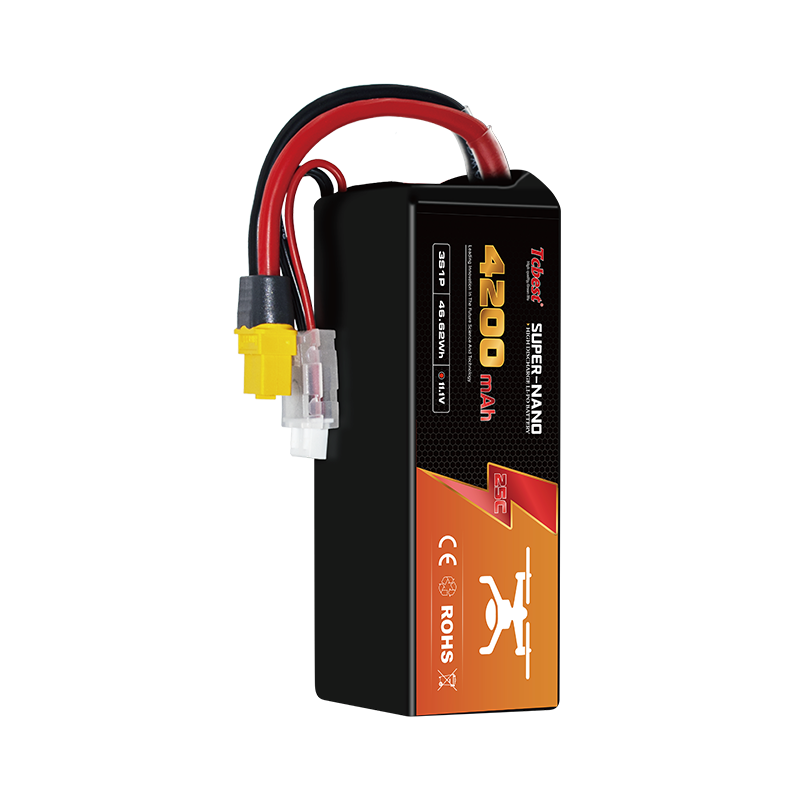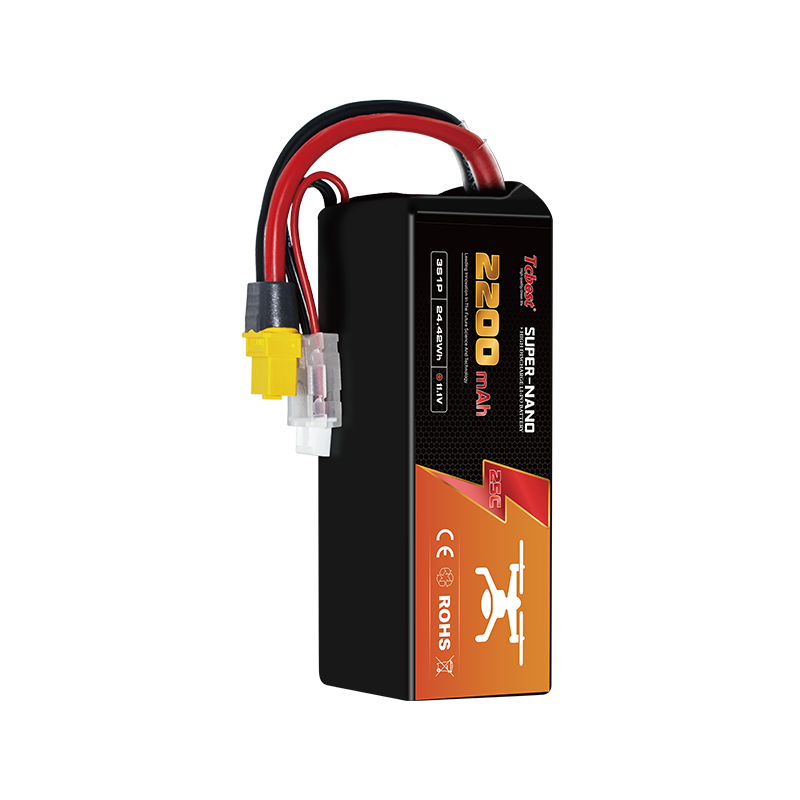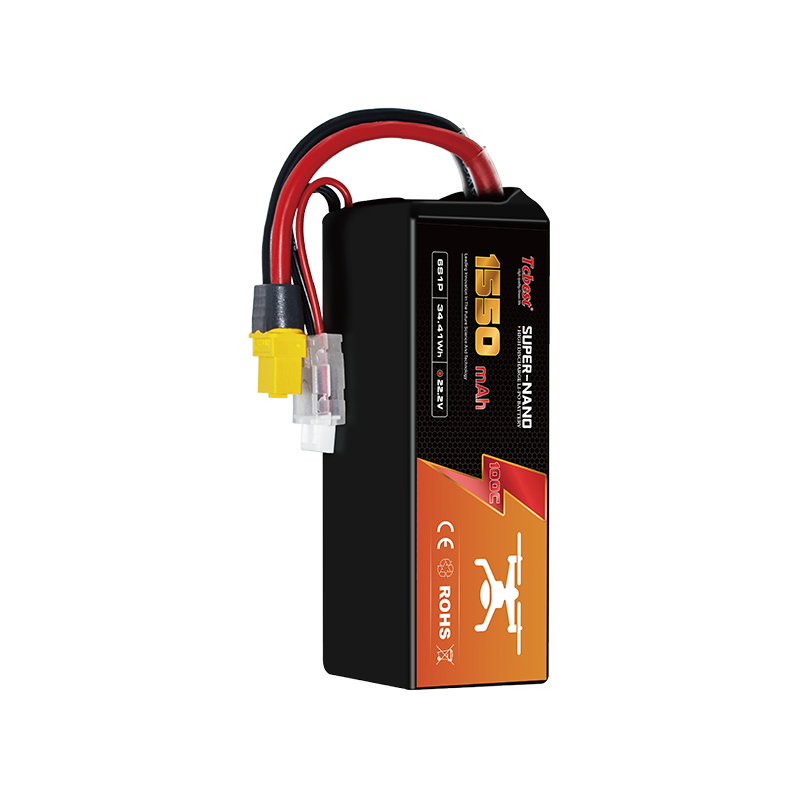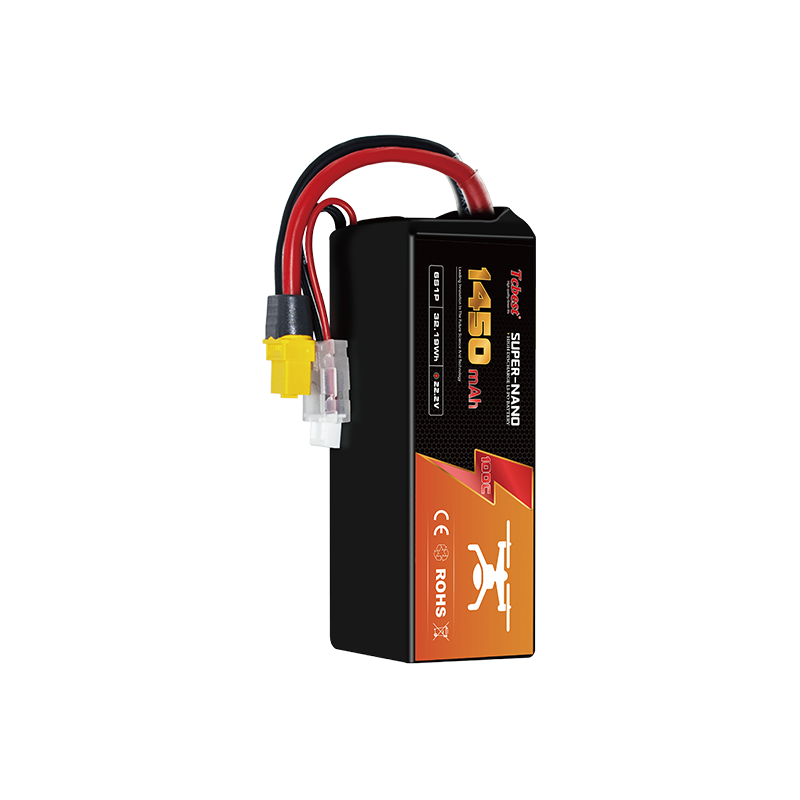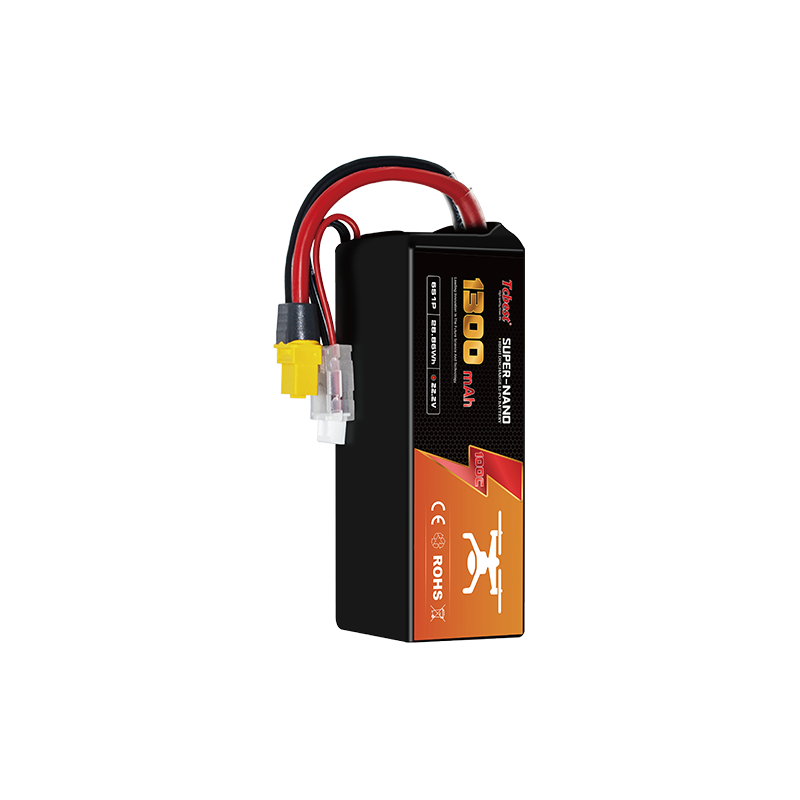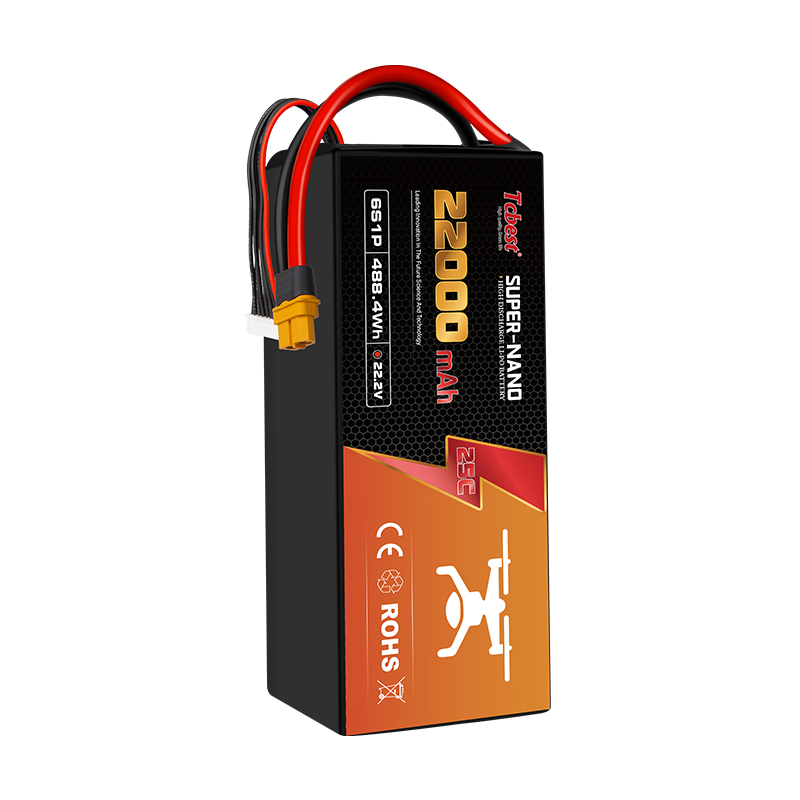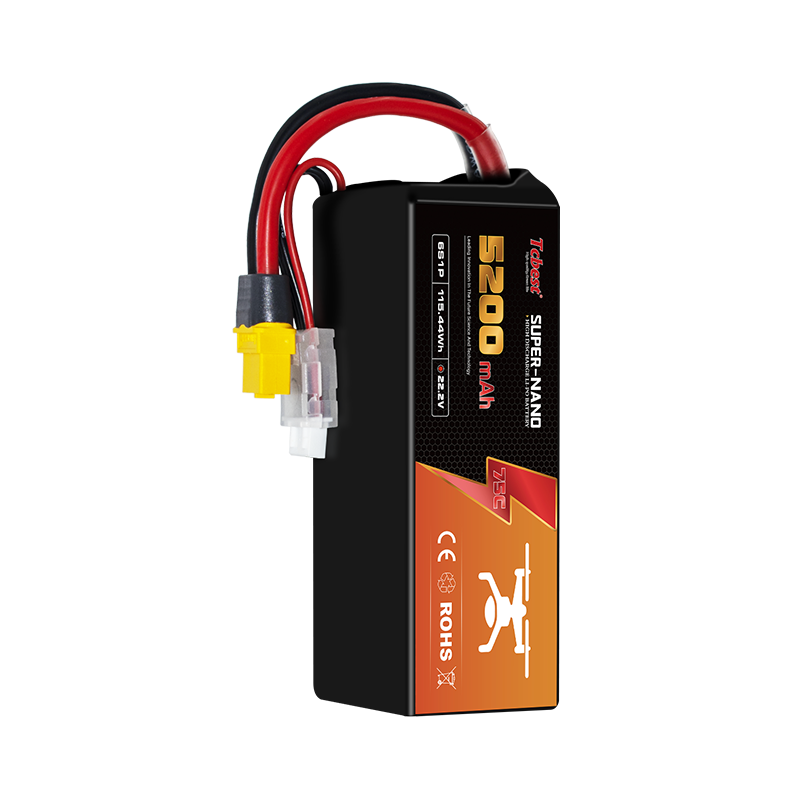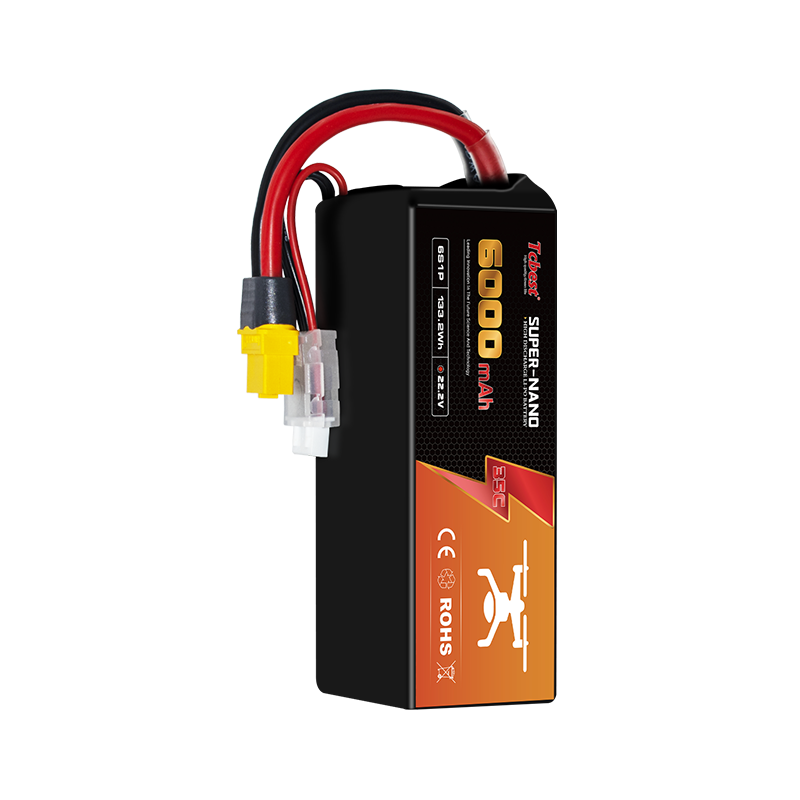

I. Overview of Lithium-ion and Lithium Polymer Batteries
1.1 What Are Lithium-ion Batteries (Li-ion)?

• Structure and Energy Density
Lithium-ion batteries typically use cylindrical or rectangular metal casings filled with liquid electrolyte. Their characteristics include:
Excellent volumetric energy density (Wh/kg)
High structural strength and stability
Slightly heavier weight
Lower discharge capability compared with LiPo batteries
Because of their high energy density, Li-ion batteries are widely used in:
Laptops
Electric vehicles
Aerial photography drones
Long-endurance platforms
• Key Features of Li-ion
High energy density, enabling longer flight times
Long cycle life (~300–500 cycles)
More cost-effective for the same capacity
More stable chemistry, safer to operate
Lower discharge rate, limited instantaneous current
Ideal for:
Aerial photography drones, long-range FPV, survey drones, fixed-wing drones.
1.2 What Are Lithium Polymer Batteries (LiPo)?
• Structure and Flexibility
LiPo batteries use gel-type polymer electrolyte and soft pouch packaging, providing major advantages:
Ultra-lightweight
Flexible size / easily customizable
Lower internal resistance
Very high discharge rates (25C–150C)
Thus, LiPo batteries dominate:
FPV racing drones
Freestyle drones
RC aircraft
• Key Features of LiPo
Extremely strong discharge capability
Low internal resistance with excellent voltage stability
Lightweight, flexible form factor
Lower energy density
Shorter lifespan and prone to swelling
Ideal for:
High-performance, fast-response drone applications.
1.3 Key Differences Between Li-ion and LiPo Batteries
• Energy Density & Weight Comparison
Table 1 — Li-ion vs LiPo Overview
Feature |
Li-ion |
LiPo |
Energy Density |
High |
Medium |
Discharge Capability |
Medium |
Very High |
Weight |
Heavier |
Lighter |
Best Use Case |
Long Flight Time |
High Performance |
Li-ion = “flies longer”
LiPo = “flies stronger and faster”
• Discharge Rate and Flight Performance
Table 2 — Discharge Rate Comparison
Battery Type |
Typical Discharge Rate |
Li-ion |
2C–10C |
LiPo |
25C–150C |
LiPo’s extremely high discharge capability is the key reason racing drones cannot use Li-ion.
II. Lifespan of Li-ion and LiPo Batteries
2.1 Charge and Discharge Cycle Comparison
• Li-ion Lifespan Performance
300–500 cycles
Strong resistance to storage degradation
Rarely swells
Slow capacity loss at low/medium discharge
Overall longer lifespan than LiPo
• LiPo Lifespan Performance
150–300 cycles (varies with usage intensity)
High current discharge accelerates aging
Prone to swelling
Strict charging/storage requirements
High performance → shorter lifespan.
2.2 Key Factors Affecting Battery Lifespan
• Charging & Discharging Habits
Avoid overcharging (max 4.2V/cell)
Avoid deep discharge (not below 3.3V/cell)
Balance charging is essential
Storage voltage 3.75–3.85V/cell
Deep discharge is especially harmful to LiPo.
• Environmental Conditions
High temperature accelerates aging/swelling
Low temperature reduces discharge capability
Long-term full charge or full discharge increases degradation
LiPo batteries are more sensitive to environmental conditions.
III. Factors Related to Drone Performance
3.1 Energy Density and Flight Time
• Endurance Impact
Higher energy density → longer flight time
Li-ion: Best endurance
LiPo: High power but shorter run time
Thus, long-range drones usually choose Li-ion.
• Which Battery Offers Longer Flight Time?
Winner: Lithium-ion batteries
Most suitable for:
Aerial photography
Surveying
Long-distance FPV
Fixed-wing drones
LiPo suits short but high-power flights.
3.2 Discharge Capability and Output Power
• High-Performance Flight Needs
Racing drones require:
Rapid acceleration
Rolls, flips, sharp turns
High-speed dives
Instant throttle response
LiPo batteries deliver strong instantaneous current.
• Li-ion vs LiPo in Racing Drones
Table 3 — Racing Performance Comparison
Racing Requirement |
Li-ion |
LiPo |
Instant Acceleration |
Weak |
Very Strong |
Voltage Stability |
Poor |
Excellent |
High Discharge Rate |
Not Suitable |
Optimal |
Extreme Temperature Tolerance |
Medium |
Higher |
Racing drones must use LiPo batteries.
3.3 Weight and Size Impact
• Weight and Flight Performance
Lighter drones benefit from:
Faster acceleration
Higher maneuverability
Better motor efficiency
LiPo’s soft-pack design → ideal for weight-sensitive drones.
• Advantages for Small Drones
LiPo can be shaped into:
Thin pouches
Square/rectangular cells
Custom sizes
Any series/parallel configuration
Perfect for micro drones & compact FPV builds.
IV. Safety of Li-ion and LiPo Batteries
4.1 Common Risk Analysis
• Li-ion Risks
Internal short circuit
Thermal runaway
High temperature exposure
Physical damage
Incorrect charging
• Metal casing → increases protection.
• LiPo Risks
LiPo’s soft pouch is more fragile:
Easy swelling
Sensitive to compression/puncture
Overcharge = fire hazard
Higher thermal runaway risk
LiPo requires more careful handling.
4.2 Safety Precautions
• Proper Charging & Storage
Use a balance charger
Do not exceed 4.2V/cell
Storage voltage ~3.8V
Use fireproof LiPo bags
Never charge unattended
• Daily Maintenance
Inspect swelling before each flight
Avoid dropping/crushing
Let battery cool before charging
Discontinue use if damaged
Both Li-ion and LiPo can be safe with proper practices.
V. How to Choose the Right Battery for Your Drone
5.1 Best for Racing Drones — Why LiPo Wins
Racing drones require:
Extremely high burst power
Fast voltage response
Ultra-low weight
Flexible shapes
LiPo meets all requirements → industry standard for FPV.
5.2 Best for Aerial Photography — Why Li-ion Is Ideal
Aerial filming requires:
Long flight time
Stable voltage output
Lower continuous current
Li-ion provides:
Longer endurance
Better lifespan
More stable performance
Many professional drones (e.g., DJI) use Li-ion or hybrid LiPo-HV systems.
5.3 Balancing Performance and Lifespan
Choose LiPo if you need:
High-power output
Fast throttle response
Maximum maneuverability
Racing or freestyle
Choose Li-ion if you need:
Longer flight time
Long-distance cruising
Efficient low-power operation
Aerial photography / industrial missions
Final Conclusion: Why Are LiPo Batteries Commonly Used in Drones?
LiPo batteries dominate drone applications because of:
Extremely high discharge rate
Lightweight structure
Low internal resistance
Strong burst power
Suitable for high-maneuverability flight
Li-ion packs provide longer endurance and a longer lifespan, but they cannot deliver the instantaneous current needed for racing and freestyle flight, making LiPo irreplaceable for FPV drones.
Description:Drones use LiPo batteries because they are lightweight, offer extremely high discharge rates, and deliver strong burst power for rapid acceleration and maneuverability. LiPo cells provide low internal resistance and fast voltage response, making them ideal for FPV racing and high-performance drone applications.