rechargeable battery cell
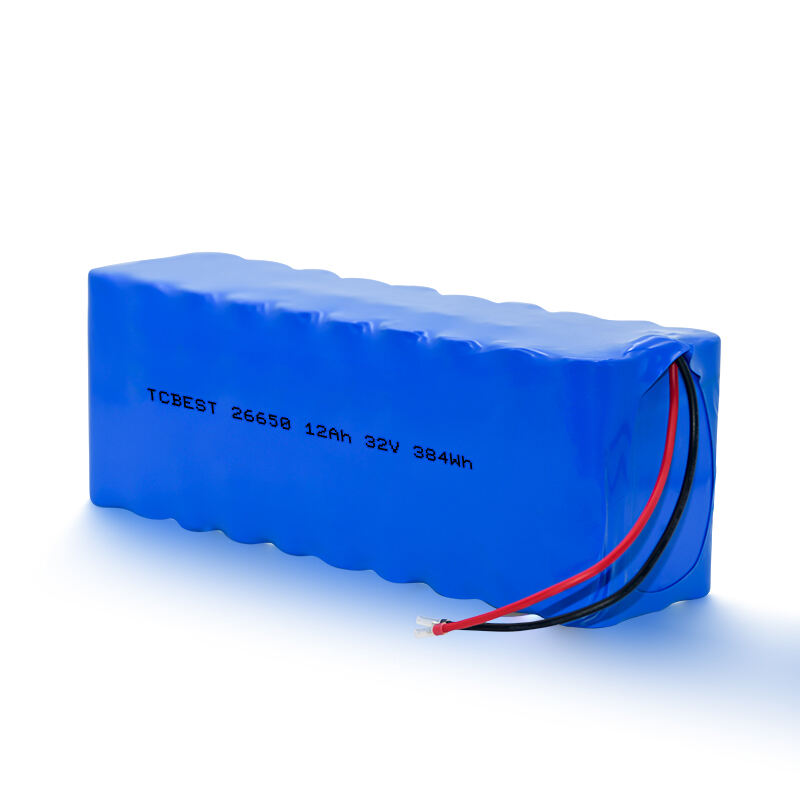
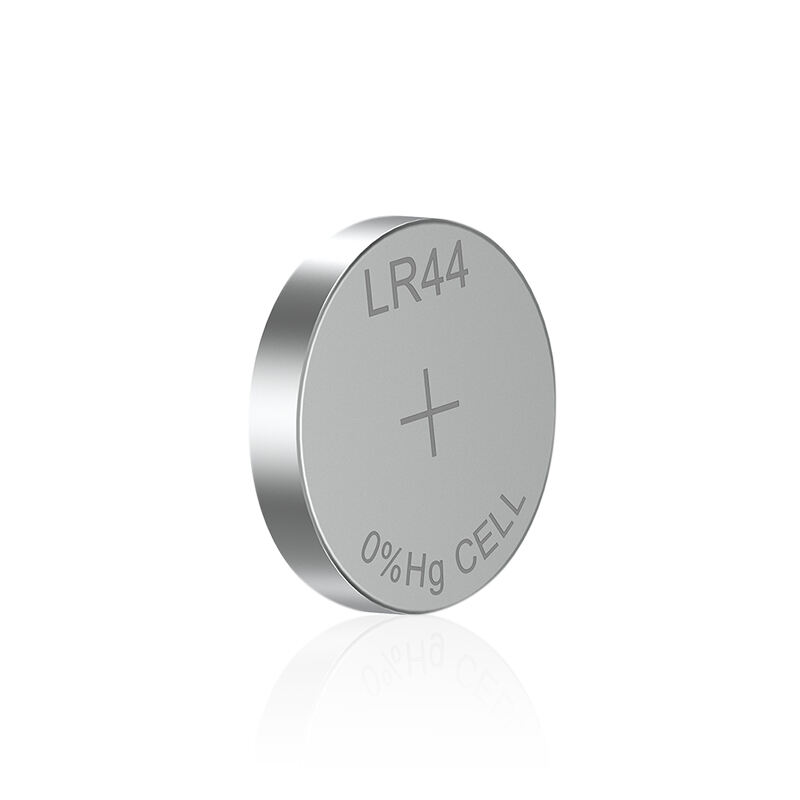
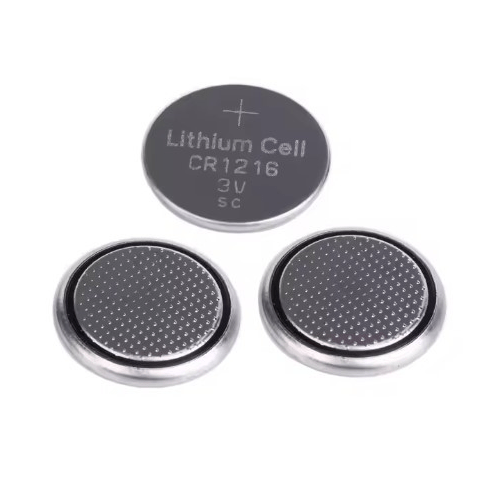
A rechargeable battery cell represents a cornerstone of modern portable energy storage technology, offering a sustainable and cost-effective power solution for countless applications. These sophisticated energy storage devices utilize advanced electrochemical processes to store and deliver electrical power through repeated charge and discharge cycles. The fundamental structure consists of positive and negative electrodes, an electrolyte, and a separator, working in harmony to facilitate the reversible chemical reactions that enable energy storage and release. Modern rechargeable cells commonly employ lithium-ion, nickel-metal hydride, or advanced polymer technologies, each offering specific advantages for different applications. These cells power everything from consumer electronics to electric vehicles, featuring various capacities, voltage ratings, and form factors to meet diverse requirements. The technology incorporates sophisticated battery management systems that monitor and control charging processes, temperature regulation, and safety parameters. Contemporary rechargeable cells boast impressive energy densities, extended cycle lives, and enhanced safety features, making them indispensable in our increasingly mobile and connected world. Their versatility extends from powering smartphones and laptops to serving as crucial components in renewable energy storage systems and industrial applications.

 EN
EN