
 EN
EN
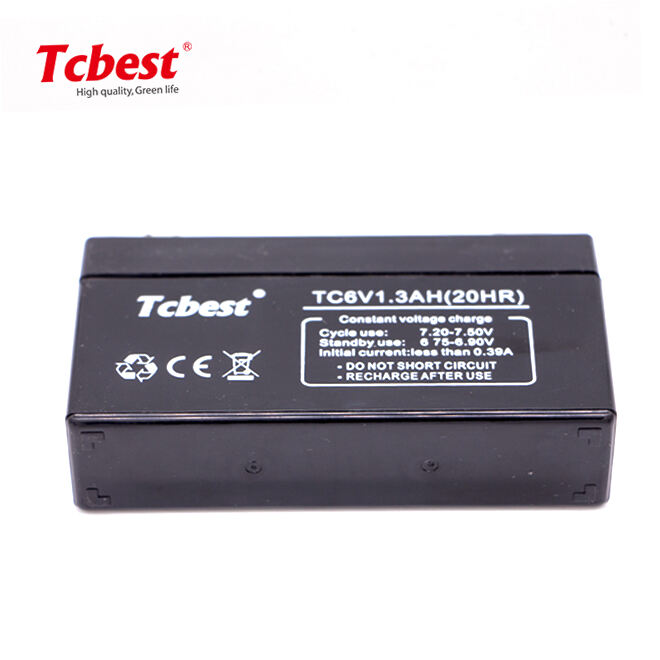
When evaluating power storage solutions for industrial applications, understanding the performance characteristics of different battery technologies becomes crucial for making informed decisions. Lead acid batteries have maintained their position as a reliable power source across numerous sectors, from automotive applications to backup power systems. Their established manufacturing processes, proven reliability, and cost-effectiveness continue to make them a preferred choice for many applications despite the emergence of newer battery technologies. The comparison between lead acid batteries and alternative power sources involves examining factors such as energy density, lifecycle costs, maintenance requirements, and environmental considerations.
The landscape of battery technology has evolved significantly over recent decades, presenting industries with multiple options for energy storage needs. While lithium-ion batteries dominate consumer electronics and electric vehicles, lead acid batteries remain indispensable in stationary applications where weight constraints are less critical. The choice between different battery chemistries depends heavily on specific application requirements, budget considerations, and performance expectations. Understanding these trade-offs enables businesses to select the most appropriate power source for their particular use case.
Fundamental Battery Chemistry Differences
Lead Acid Battery Operation Principles
Lead acid batteries operate through electrochemical reactions between lead dioxide cathodes, sponge lead anodes, and sulfuric acid electrolyte. During discharge, both electrodes convert to lead sulfate while the electrolyte becomes diluted, creating electrical energy through this controlled chemical reaction. The charging process reverses these reactions, restoring the original chemical composition and enabling repeated charge-discharge cycles. This well-understood chemistry provides predictable performance characteristics that engineers can rely upon for system design.
The simplicity of lead acid battery chemistry contributes to their manufacturing scalability and cost advantages. Unlike more complex battery chemistries requiring exotic materials or specialized production environments, lead acid batteries utilize readily available materials and established manufacturing processes. This accessibility translates into lower production costs and widespread availability across global markets. The mature technology also means that performance characteristics are well-documented, allowing for accurate capacity planning in industrial applications.
Alternative Battery Chemistry Comparison
Lithium-ion batteries represent the primary alternative to lead acid technology in many applications, utilizing lithium compound cathodes and carbon-based anodes with organic electrolytes. This chemistry enables higher energy densities and faster charging capabilities compared to traditional lead acid systems. However, the complexity of lithium-ion manufacturing requires sophisticated battery management systems and thermal controls to ensure safe operation. The production process involves more expensive materials and specialized facilities, contributing to higher upfront costs.
Nickel-based batteries, including nickel-cadmium and nickel-metal hydride variants, offer another comparison point for industrial applications. These technologies provide good cycle life and temperature tolerance but face environmental concerns due to toxic materials. The energy density of nickel-based batteries falls between lead acid and lithium-ion technologies, creating a middle ground for specific applications. However, memory effects and self-discharge characteristics can limit their suitability for certain use cases where lead acid batteries excel.
Performance Characteristics Analysis
Energy Density Considerations
Energy density represents one of the most significant differences between battery technologies, measuring the amount of energy stored per unit of weight or volume. Lead acid batteries typically achieve energy densities of 30-50 watt-hours per kilogram, which is considerably lower than lithium-ion batteries that can reach 150-250 watt-hours per kilogram. This difference becomes critical in mobile applications where weight and space constraints are paramount. However, for stationary applications such as backup power systems, the lower energy density of lead acid batteries may be acceptable given their other advantages.
The volumetric energy density of lead acid batteries also lags behind alternatives, requiring more physical space for equivalent energy storage capacity. This consideration influences facility design and installation costs for large-scale energy storage projects. Despite these density limitations, lead acid batteries compensate through their ability to deliver high surge currents and maintain stable voltage profiles under load. These characteristics make them particularly suitable for applications requiring reliable power delivery rather than maximum energy storage per unit volume.
Cycle Life and Longevity
Cycle life performance varies significantly between battery technologies, with lead acid batteries typically providing 200-300 deep discharge cycles under standard operating conditions. Proper maintenance and controlled discharge depths can extend this to 500-800 cycles for quality lead acid systems. In comparison, lithium-ion batteries often achieve 1000-3000 cycles depending on the specific chemistry and operating conditions. However, the relationship between cycle life and total cost of ownership requires careful analysis beyond simple cycle counts.
The degradation patterns of different battery technologies follow distinct characteristics that influence long-term performance. Lead acid batteries experience gradual capacity reduction over time, with performance declining predictably based on usage patterns and maintenance practices. This predictability enables effective replacement planning and system maintenance schedules. Alternative battery technologies may exhibit different degradation patterns, including sudden capacity drops or performance cliffs that can complicate system management and replacement planning.
Economic Considerations and Total Cost Analysis
Initial Investment Requirements
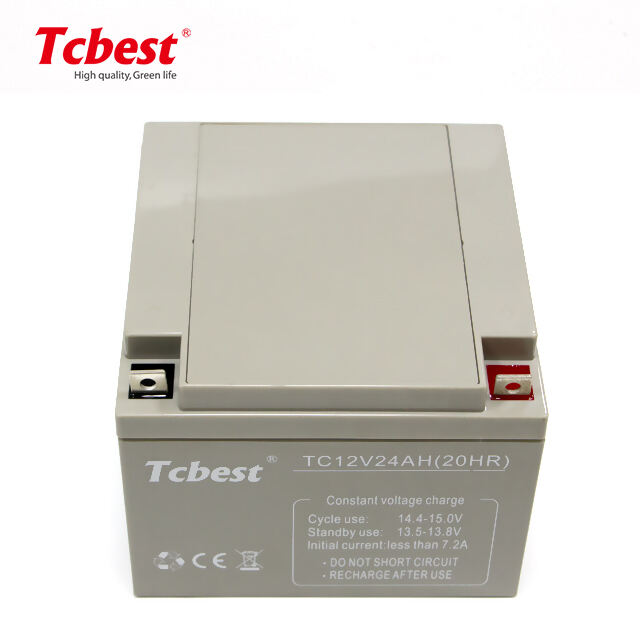
The upfront cost advantage of lead acid batteries remains one of their strongest competitive attributes, typically costing 50-70% less per kilowatt-hour of storage capacity compared to lithium-ion alternatives. This cost difference stems from mature manufacturing processes, abundant raw materials, and established supply chains that have developed over decades. For large-scale installations requiring significant energy storage capacity, the initial cost savings can represent substantial budget advantages that offset other performance considerations.
Capital equipment requirements for lead acid battery systems also tend to be less complex and expensive compared to alternatives. The charging systems, monitoring equipment, and safety infrastructure for lead acid installations utilize proven technologies with competitive pricing. Alternative battery systems may require sophisticated battery management systems, thermal control equipment, and specialized safety systems that increase overall project costs. These additional system requirements must be factored into comprehensive cost comparisons.
Operational Cost Factors
Maintenance requirements represent a significant operational cost consideration when comparing battery technologies. Lead acid batteries require regular maintenance including electrolyte level monitoring, terminal cleaning, and periodic capacity testing to ensure optimal performance. While this maintenance adds to operational costs, it can be performed by standard facility maintenance personnel without specialized training. The maintenance procedures are well-established and can be easily integrated into existing facility management routines.
Energy efficiency differences between battery technologies impact long-term operational costs through charging losses and thermal management requirements. Lead acid batteries typically achieve 80-85% round-trip efficiency, meaning 15-20% of input energy is lost during charge-discharge cycles. Higher efficiency alternatives like lithium-ion systems can achieve 90-95% efficiency, reducing energy costs over the system lifetime. However, these efficiency gains must be weighed against higher initial costs and potential cooling system energy consumption in alternative technologies.
Application-Specific Performance Requirements
Industrial Backup Power Systems
Industrial backup power applications often favor lead acid batteries due to their proven reliability and ability to remain on standby for extended periods without degradation. The float charging characteristics of lead acid systems allow them to maintain full capacity readiness while connected to charging systems continuously. This standby capability is crucial for emergency power systems that may operate infrequently but must perform reliably when needed. The tolerance of lead acid batteries to varying charge rates and partial discharge conditions makes them well-suited for backup power applications.
Temperature tolerance and environmental robustness further enhance the suitability of lead acid batteries for industrial backup applications. These systems can operate effectively in harsh industrial environments with temperature variations, humidity, and contamination that might challenge more sensitive battery technologies. The ventilation requirements for lead acid batteries are well-understood and can be accommodated in most industrial facilities without extensive modifications. This environmental adaptability reduces installation complexity and ongoing operational concerns.
Material Handling and Mobile Equipment
Material handling equipment such as forklifts and industrial vehicles present unique requirements that influence battery technology selection. The high current delivery capability of lead acid batteries makes them effective for applications requiring substantial power output for lifting, acceleration, and hydraulic operations. The ability to withstand deep discharge cycles and rapid charging supports intensive operational schedules common in warehouse and manufacturing environments. Additionally, the established infrastructure for battery changing and charging in industrial facilities favors continued use of lead acid technology.
Safety considerations in material handling applications also influence battery selection decisions. Lead acid batteries present well-known safety risks that can be managed through established procedures and protective equipment. The safety protocols for handling lead acid systems are mature and widely understood by facility personnel. Alternative battery technologies may present different safety challenges requiring new training, equipment, and procedures that add complexity to operations. The familiarity with lead acid safety management represents a significant operational advantage in many industrial settings.
Environmental Impact and Sustainability
Recycling and End-of-Life Management
The recycling infrastructure for lead acid batteries represents one of the most successful examples of circular economy principles in industrial applications. Over 95% of lead acid battery materials can be recovered and reused in new battery production, creating a closed-loop system that minimizes waste and raw material consumption. This established recycling network includes collection systems, processing facilities, and remanufacturing capabilities that have developed over decades to support the lead acid battery industry.
The economic incentives for lead acid battery recycling create a sustainable end-of-life pathway that reduces environmental impact while recovering valuable materials. Lead, plastic components, and sulfuric acid can all be processed and reused effectively, making lead acid battery recycling economically viable without requiring subsidies or regulatory mandates. This contrasts with some alternative battery technologies where recycling infrastructure is still developing and may require significant investment to establish viable collection and processing systems.
Manufacturing Environmental Considerations
The environmental impact of battery manufacturing varies significantly between technologies, with lead acid production benefiting from mature processes and established environmental controls. Modern lead acid battery manufacturing facilities employ sophisticated emission controls and waste management systems to minimize environmental impact. The use of recycled materials in production further reduces the environmental footprint by decreasing the need for primary material extraction and processing.
Comparative lifecycle assessments must consider the environmental impacts of alternative battery technologies including material extraction, manufacturing processes, transportation, and end-of-life management. While lead acid batteries contain toxic materials requiring careful handling, the established management systems and recycling infrastructure provide effective environmental protection. Alternative technologies may have different environmental profiles that require evaluation of new materials, manufacturing processes, and disposal methods to ensure comprehensive environmental assessment.
FAQ
What are the main advantages of lead acid batteries over lithium-ion alternatives
Lead acid batteries offer several key advantages including significantly lower initial costs, proven reliability in industrial applications, established recycling infrastructure, and simpler maintenance requirements. They also provide excellent surge current capability and can tolerate partial discharge conditions better than many alternatives. The mature technology and widespread availability of replacement parts and service expertise make lead acid batteries particularly attractive for applications where proven performance outweighs energy density considerations.
How do maintenance requirements differ between lead acid and other battery technologies
Lead acid batteries require regular maintenance including electrolyte level checks, terminal cleaning, and periodic capacity testing, but these tasks can be performed by standard maintenance personnel with basic training. Alternative technologies like lithium-ion systems may require less frequent maintenance but often need sophisticated monitoring systems and specialized expertise when service is required. The predictable maintenance schedule of lead acid systems allows for better planning and integration with existing facility maintenance programs.
In which applications do lead acid batteries perform better than alternatives
Lead acid batteries excel in stationary applications such as backup power systems, telecommunications infrastructure, and industrial equipment where weight is not a primary concern. They are particularly well-suited for applications requiring high surge currents, extended standby operation, or frequent deep discharge cycles. The cost advantages of lead acid technology make them preferred for large-scale energy storage projects where the higher upfront costs of alternatives cannot be justified by performance improvements.
What factors should be considered when choosing between battery technologies
Key selection factors include total cost of ownership including initial investment and operational expenses, energy density requirements based on space and weight constraints, expected cycle life and replacement frequency, maintenance capabilities and expertise available, environmental conditions and safety requirements, and recycling or disposal options at end of life. The specific application requirements and operational priorities should guide the selection process rather than focusing solely on individual performance metrics.
Table of Contents
- Fundamental Battery Chemistry Differences
- Performance Characteristics Analysis
- Economic Considerations and Total Cost Analysis
- Application-Specific Performance Requirements
- Environmental Impact and Sustainability
-
FAQ
- What are the main advantages of lead acid batteries over lithium-ion alternatives
- How do maintenance requirements differ between lead acid and other battery technologies
- In which applications do lead acid batteries perform better than alternatives
- What factors should be considered when choosing between battery technologies