
 EN
EN

Lithium-ion battery safety has become a paramount concern across industries as these power sources continue to dominate consumer electronics, electric vehicles, and energy storage systems. Recent technological breakthroughs have revolutionized how manufacturers approach battery protection, with advanced safety mechanisms now preventing thermal runaway, overcharging, and catastrophic failures. These innovations represent a critical evolution in energy storage technology, addressing longstanding concerns about fire hazards and performance degradation that have historically limited widespread adoption.
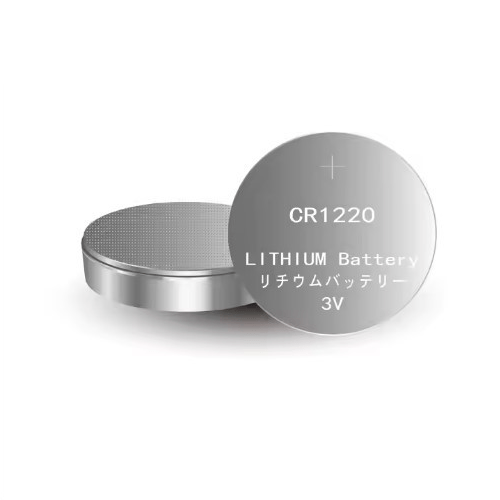
The landscape of lithium-ion battery safety has transformed dramatically over the past decade, driven by increasing demand for reliable energy storage solutions. Modern safety systems incorporate multiple layers of protection, from advanced battery management systems to innovative cell chemistry modifications. These developments have significantly reduced the risk of thermal events while maintaining the high energy density and performance characteristics that make lithium-ion technology so attractive. Understanding these advances is crucial for engineers, manufacturers, and consumers who rely on these power sources for critical applications.
Advanced Battery Management Systems and Protection Circuits
Intelligent Monitoring and Control Technologies
Contemporary lithium-ion battery safety relies heavily on sophisticated battery management systems that continuously monitor cell voltage, temperature, and current flow. These intelligent systems utilize advanced algorithms to predict potential failure modes before they occur, implementing protective measures that prevent dangerous conditions from developing. The integration of artificial intelligence and machine learning has enabled these systems to adapt to individual battery characteristics and usage patterns, optimizing both safety and performance over the battery's operational lifetime.
Modern protection circuits incorporate multiple redundant safety mechanisms that activate at different threshold levels, ensuring comprehensive coverage against various failure scenarios. These systems can detect minute changes in cell behavior that might indicate developing problems, such as internal short circuits or electrolyte decomposition. The precision of these monitoring systems has improved dramatically, with some advanced implementations capable of detecting temperature variations as small as 0.1 degrees Celsius across individual cells within a battery pack.
Real-Time Communication and Diagnostic Capabilities
The latest battery management systems feature enhanced communication protocols that enable real-time data transmission between individual cells, pack controllers, and external monitoring systems. This connectivity allows for centralized oversight of large battery installations while maintaining granular control over individual cell groups. The diagnostic capabilities of these systems have expanded to include predictive maintenance algorithms that can forecast battery degradation patterns and recommend optimal charging strategies to maximize both safety and longevity.
Wireless monitoring technologies have emerged as a game-changing advancement in lithium-ion battery safety, eliminating the need for complex wiring harnesses while providing continuous oversight of battery conditions. These systems can transmit critical safety data to cloud-based platforms, enabling remote monitoring and emergency response capabilities that were previously impossible. The integration of IoT technologies has created new possibilities for proactive safety management, allowing operators to respond to potential issues before they escalate into dangerous situations.
Thermal Management and Heat Dissipation Innovations
Active and Passive Cooling Solutions
Thermal management represents one of the most critical aspects of lithium-ion battery safety, as excessive heat generation can lead to thermal runaway and catastrophic failure. Recent innovations in cooling technology have introduced highly efficient heat dissipation systems that maintain optimal operating temperatures across diverse environmental conditions. Active cooling solutions now incorporate precision-controlled fans, liquid cooling loops, and thermoelectric cooling elements that respond dynamically to changing thermal loads.
Passive thermal management systems have also seen significant advancement, with new phase-change materials and thermal interface compounds providing superior heat transfer capabilities without requiring external power sources. These materials can absorb and redistribute heat energy more effectively than traditional thermal management solutions, creating more uniform temperature distributions across battery packs. The development of advanced thermal simulation tools has enabled engineers to optimize cooling system designs before physical prototyping, reducing development time and improving overall system reliability.
Thermal Barrier Technologies and Fire Suppression
Innovative thermal barrier materials have been developed specifically for lithium-ion battery safety applications, providing enhanced protection against heat propagation between cells. These materials can withstand extreme temperatures while maintaining their structural integrity, preventing thermal events in one cell from cascading to adjacent cells. Some advanced formulations incorporate intumescent properties that expand when heated, creating additional insulation layers that further enhance protection capabilities.
Fire suppression systems integrated directly into battery packs represent another significant advancement in lithium-ion battery safety technology. These systems can detect the early stages of thermal runaway and deploy suppression agents before flames develop, significantly reducing the risk of fire propagation. Advanced detection algorithms can distinguish between normal operational heating and dangerous thermal events, ensuring that suppression systems activate only when necessary while avoiding false alarms that could disrupt normal operations.
Chemical and Material Engineering Breakthroughs
Safer Electrolyte Formulations and Additives
The chemistry of lithium-ion batteries has undergone substantial improvements focused on enhancing safety characteristics without compromising performance. New electrolyte formulations incorporate flame-retardant additives that significantly reduce the flammability of battery components while maintaining ionic conductivity. These advanced electrolytes can operate across wider temperature ranges and demonstrate improved stability under stress conditions that might trigger failures in conventional formulations.
Solid-state electrolyte technologies represent a revolutionary approach to lithium-ion battery safety, eliminating many of the hazards associated with liquid electrolytes. These solid materials are inherently non-flammable and exhibit superior mechanical properties that resist dendrite formation and internal short circuits. While still in development for many applications, solid-state electrolytes have shown promising results in laboratory testing and are beginning to appear in specialized high-safety applications where performance trade-offs are acceptable.
Advanced Separator Technologies and Cell Design
Battery separators have evolved from simple porous films to sophisticated multi-layer structures that provide enhanced safety features while maintaining excellent electrochemical performance. Modern separators incorporate shutdown mechanisms that automatically interrupt current flow when temperatures exceed safe limits, preventing thermal runaway from progressing. These materials can also include ceramic coatings that provide additional thermal stability and mechanical strength under extreme conditions.
Cell design innovations have introduced new architectures that improve lithium-ion battery safety through better heat dissipation and reduced internal resistance. These designs often feature enhanced current collection systems and optimized electrode spacing that minimize hot spot formation. Some advanced cell configurations include integrated safety features such as pressure relief mechanisms and internal fusing elements that activate during fault conditions, providing additional layers of protection beyond external safety systems.
Regulatory Standards and Testing Protocols
International Safety Certification Requirements
The regulatory landscape for lithium-ion battery safety has become increasingly comprehensive, with new standards addressing previously unregulated aspects of battery design and testing. International organizations have developed rigorous certification protocols that evaluate batteries under extreme conditions, including mechanical abuse, thermal exposure, and electrical overload scenarios. These standards ensure that batteries meet minimum safety requirements before entering commercial markets, providing consumers and industries with greater confidence in battery reliability.
Testing protocols have evolved to include more sophisticated simulation of real-world failure modes, utilizing advanced equipment that can replicate the complex interactions between mechanical, thermal, and electrical stresses. These comprehensive testing regimens help identify potential safety issues during the development phase, allowing manufacturers to address problems before products reach end users. The standardization of testing procedures across different regions has also facilitated international trade in battery products while maintaining consistent safety expectations.
Quality Assurance and Manufacturing Standards
Manufacturing quality has become a critical factor in lithium-ion battery safety, with new production standards emphasizing consistent quality control throughout the manufacturing process. Advanced manufacturing techniques now include in-line testing and inspection systems that can detect defects before they compromise battery safety. These systems utilize sophisticated imaging and measurement technologies to ensure that every cell meets strict dimensional and performance criteria.
Supply chain management has also received increased attention in lithium-ion battery safety protocols, with manufacturers implementing comprehensive traceability systems that track materials and components throughout the production process. This level of oversight enables rapid identification and isolation of potentially problematic batches, minimizing the risk of safety issues reaching end users. The integration of blockchain and other advanced tracking technologies has further enhanced the ability to maintain complete manufacturing records and ensure accountability throughout the supply chain.
Future Developments and Emerging Technologies
Next-Generation Safety Monitoring Systems
The future of lithium-ion battery safety lies in increasingly sophisticated monitoring and prediction systems that leverage artificial intelligence and advanced sensor technologies. These next-generation systems will be capable of detecting subtle changes in battery behavior that precede safety events by days or weeks, enabling proactive interventions that prevent dangerous conditions from developing. Machine learning algorithms will continuously improve their predictive capabilities by analyzing data from millions of batteries in operation, creating increasingly accurate models of battery behavior under various conditions.
Quantum sensing technologies represent an emerging frontier in lithium-ion battery safety monitoring, offering unprecedented sensitivity to minute changes in battery chemistry and structure. These advanced sensors could detect individual molecular-level changes that indicate developing problems, providing warning of potential safety issues long before they become detectable through conventional means. The integration of quantum sensors with traditional monitoring systems could create hybrid safety platforms that combine the best aspects of both technologies.
Revolutionary Materials and Design Concepts
Research into self-healing battery materials represents a paradigm shift in approaching lithium-ion battery safety, with new formulations that can automatically repair minor damage before it leads to safety issues. These materials incorporate microcapsules or other mechanisms that release healing agents when damage occurs, restoring the integrity of critical battery components. While still in early development stages, these technologies show promise for significantly improving battery longevity and safety across a wide range of applications.
Biomimetic approaches to lithium-ion battery safety draw inspiration from natural systems that have evolved robust self-protection mechanisms. These innovative designs incorporate features such as automatic shutdown systems modeled after biological reflexes and self-regulating thermal management inspired by biological temperature control mechanisms. The convergence of biology and battery technology represents an exciting frontier that could lead to fundamentally safer and more resilient energy storage systems in the future.
FAQ
What are the most important safety features in modern lithium-ion batteries
Modern lithium-ion battery safety systems incorporate multiple critical features including advanced battery management systems with real-time monitoring, thermal management solutions that prevent overheating, and chemical formulations that reduce fire risk. Protection circuits provide multiple layers of safeguards against overcharging, over-discharging, and short circuits. These integrated safety features work together to prevent thermal runaway and other dangerous failure modes while maintaining optimal battery performance.
How do thermal management systems prevent battery fires
Thermal management systems prevent battery fires by maintaining optimal operating temperatures through active and passive cooling mechanisms. These systems continuously monitor cell temperatures and implement cooling strategies when heat levels exceed safe thresholds. Advanced thermal barriers prevent heat propagation between cells, while integrated fire suppression systems can detect and extinguish thermal events before they develop into fires. The combination of prevention and suppression technologies significantly reduces fire risk in lithium-ion battery applications.
What role do battery management systems play in overall safety
Battery management systems serve as the central nervous system for lithium-ion battery safety, continuously monitoring critical parameters such as voltage, current, temperature, and state of charge. These intelligent systems can predict potential failure modes and implement protective measures before dangerous conditions develop. They also provide communication capabilities that enable remote monitoring and diagnostic functions, allowing for proactive maintenance and emergency response when necessary.
Are solid-state batteries safer than traditional lithium-ion batteries
Solid-state batteries offer inherently superior safety characteristics compared to traditional liquid electrolyte lithium-ion batteries because they eliminate flammable liquid components and demonstrate better resistance to thermal runaway. The solid electrolyte materials are non-flammable and provide better mechanical stability, reducing the risk of internal short circuits and dendrite formation. However, solid-state technology is still developing for many applications, and traditional lithium-ion battery safety has improved dramatically through advanced protection systems and materials engineering.