
 EN
EN
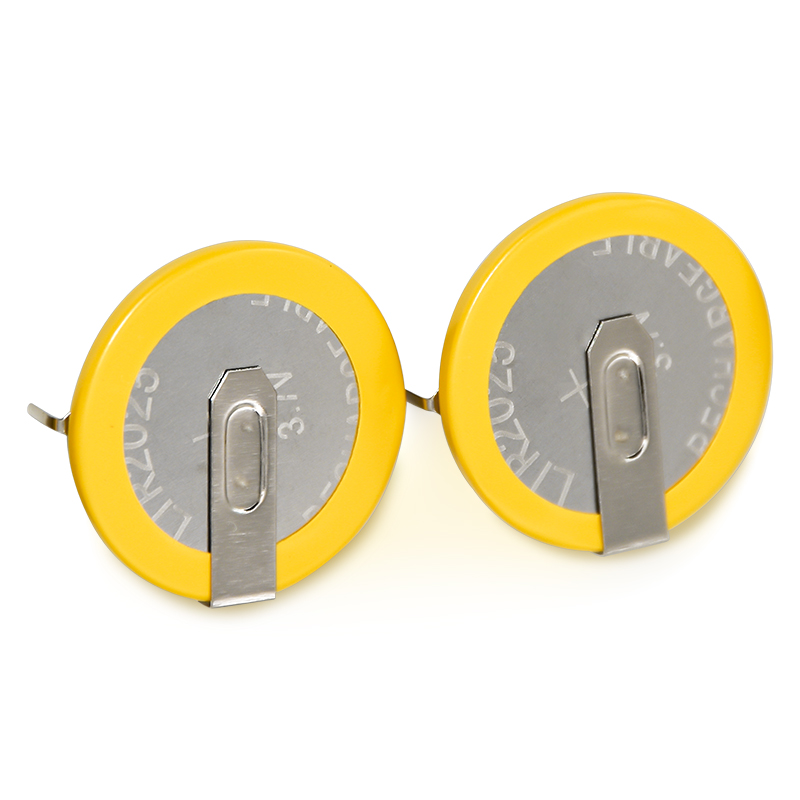
Salvestustingimused mängivad olulist rolli selle selles, kui kaua nupp-patarei säilitab oma toimivust ja usaldusväärsust. Kas kasutate nupupatareisid kuuldeaparaatides, kellades, taskuarvutites või meditsiiniseadmetes – keskkonnategurite mõistmine, mis neid väikseid energiavaru allikaid mõjutavad, on oluline seadmete pideva töö tagamiseks. Valesti säilitatud nupupatarei kaotab kiiresti oma mahutavust, arendab sisemist takistust või läheb enneaegselt lagunema, isegi enne kui seda teie seadmesse paigaldate. See juhend tutvustab peamisi säilitamisega seotud tegureid, mis mõjutavad nupupatareide eluiga, ning aitab teil rakendada parimaid tavasid patarei toimivuse säilitamiseks.
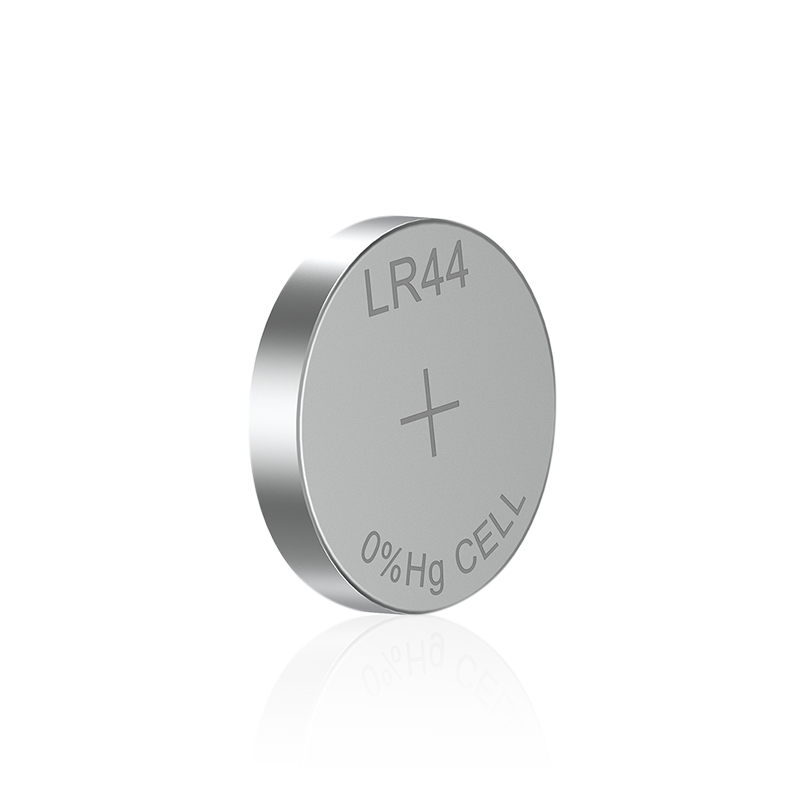
A nupp-patarei on projekteeritud tagama stabiilset pinge väljundit kindlate tingimuste korral, kuid keskkonnatingimused võivad halvendada sisemist keemiast ja elektrolüüdi koostist. Temperatuuri kõikumised, niiskustase, valguse mõju ja säilitamise kestus mõjutavad kõik koos nupupatareide jääkmahtuvust. Tööstus- ja kaubanduslikud kasutajad, kes hoiavad nupupatareisid ladudes või jaotuskeskustes, on eriti suures surve all tagada toote kvaliteedi ühtlus. Säilituskeskkonna ja nupupatareide töökindluse vahelise seose mõistmine aitab vähendada jäätmeid, parandada klientide rahulolu ja optimeerida varuhaldust.
Temperatuuri mõju nupupatareide stabiilsusele
Säilitamiseks sobivaim temperatuurivahemik
Temperatuur on üks olulisemaid tegureid, mis mõjutavad nupupatareide eluiga. Ideaalne säilitamistemperatuur nupupatareile jääb tavaliselt vahemikku 15 °C kuni 25 °C, kus patareis toimuvad keemilised reaktsioonid on minimaalsed. Kui nupupatareid säilitatakse selles kitsas temperatuurivahemikus, jääb iseeraldumine aeglaseks ja sisemine korrosioon minimaalseks. Sellest vahemikust kõrvalekaldumine kiirendab degradatsiooni: kõrgemad temperatuurid suurendavad keemiliste reaktsioonide kiirust, mistõttu kaotab nupupatareik võimsust kiiremini, samas kui äärmiselt madalad temperatuurid võivad põhjustada elektrolüüdi jätkumise ja ajutiselt vähendada pinge väljundit.
Külmas säilitamisel arvesse võtmised
Nupupatare külmas keskkonnas alla 0 °C hoiustamine aeglustab keemilisi reaktsioone, kuid ei paranda pikaajalist toimivust, kui patareid pannakse hiljem tavatingimustesse. Kui külmhoiustuses olnud nupupatare soojeneb, võib patarei korpuses tekkida kondensatsioon, mis võib põhjustada lühiseid või korrosiooni. Lisaks põhjustab korduv temperatuuritsükkel – st nupupatarei kuumenemine ja jahutumine – sisemiste komponentide ja tihendite ülekoormust ning vähendab patarei üldist eluiga. Paljud tootjad soovitavad vältida nupupatareide pikemat hooldamatutes külmutites või välistingimustes hoistamist, kus esinevad külmumise ja sulatamise tsüklid.
Niiskuse ja keskkonna niiskussisalduse juhtimine
Niiskuse sissepääsu ja korrosioonioht
Kõrge niiskus kiirendab nupupatareide kesta ja sisemiste komponentide korrosiooni. Kui niiskus tungib nupupatareisse, reageerib see sees oleva tsinku või mangaandioksiidiga, moodustades korrosioonitooteid, mis suurendavad sisemist takistust ja vähendavad saadaolevat mahutavust. Säilitusruumi suhteline niiskus peaks ideaaliselt jääma alla 60 protsendi. Nupupatareid, mida hoitakse niiskas laos rannikuala lähedal või kontrollimata ruumis, degradeeruvad kiiremini kui sama patarei, mida hoitakse kliimakontrollitud keskkonnas. Silikagelii kuivatusvahendeid või niiskussummutajaid säilitusruumides aitab säilitada stabiilset niiskustaset ja kaitsta nupupatareide varusid niiskusest tingitud rikest.
Hermeetiline säilitus ja pakendamise mõju
Pakendikujundus mõjutab oluliselt niiskuse määra, millega nupupatareid varustamise ajal kokku puutuvad. Patareid, mis on hermeetiliselt suletud niiskuskaitsekihtidesse, blisterpakenditesse või õhukindlasse konteinerisse, lagunevad palju aeglasemalt kui patareid, mida hoitakse lahtiselt riiulitel. Kui nupupatarei jääb originaalse hermeetilise pakendisse, säilib selle sisemine keskkond stabiilsena ja niiskusega kokkupuude on minimaalne. Pakendi avamine või nupupatarei ülekanne teistesse mahutitesse tuleks teha vaid lühikest aega enne paigaldamist. Pikaajalisel nupupatareide varuhoiul on parim kaitse niiskusest tingitud toimimislanguse eest originaalse pakendi säilitamine ja kastide hoiustamine kuivates, temperatuurikontrollitud ruumides.
Valguse mõju ja keemiline stabiilsus
UV- ja nähtava valguse põhjustatud lagunemine
Otse päikesesvalguses ja ultraviolettkiirguses viibimine võib pikema aja jooksul halvendada nupupatareia välist korpust ja sisemist keemiast. Kuigi enamikku patareide korpustest on läbipaistmatu, teeb pikenenud valguse kokkupuude kõrgendatud temperatuuriga koos raskelt talutava keskkonna, mis kiirendab üldist degradatsiooni. Nupupatareia, mida hoitakse ladus, kus on päikesevalguslauad või aknad, kaotab võimsust kiiremini kui patareid tumedas hoiukambris. UV-kiirgus võib lagundada patareikorpuse plastkomponendid ja potentsiaalselt mõjutada elektrolüüdi stabiilsust, eriti alkaalsetes koostistes. Kriitiliste rakenduste puhul aitab nupupatareia hoidmine tumedas, varjatud kohas ilma otse päikesesvalguseta säilitada patareia terviklikkust ja oluliselt pikendada selle säilitusaega.
Hoiukambrisse paigutatavate valgustite standardid
Professionaalsed akude ladustamisruumid kasutavad sageli kaudset, ümbritsevat valgustust ning mitte tugevaid fluoreskents- või UV-kiirgusega lampasid, mis asuvad nupuakude ladustamisalal otse üleval. LED-valgustus, mille soojuslagunemine on minimaalne, on eelistatud nupuakude ladustamisalade jaoks, sest see tagab nähtavuse ilma temperatuuri tõusuta ega UV-kiirguse tekkimiseta. Automatiseeritud valguslüliti abil pimeduse säilitamine mitteärisaegadel kaitseb nupuakut täiendavalt ebavajaliku valguse kokkupuute eest. Organisatsioonidel, kes haldavad suuri koguseid nupuakusid, on sobiva ladustusvalgustuse investeerimine majanduslikult otstarbekas viis toote lagunemise vähendamiseks ja püsiva akutoimimise säilitamiseks.
Endalaadumine ja pikkajaline ladustamine
Algtaseme endalaadumismäärad
Iga nupupatareil on loomulikult olemas iseeraldumise protsess, mille käigus patarei kaotab aeglaselt laengut sisemiste keemiliste reaktsioonide tõttu. Iseeraldumise kiirus sõltub patareia keemilisest koostisest – alkaalilised nupupatareid kaotavad optimaalsetes tingimustes tavaliselt 2–3 protsenti oma mahust aastas, samas kui hõbeksidooset tüüpi nupupatareid säilitavad laengut usaldusväärsamalt. Siiski on nupupatareide iseeraldumise kiirus soojas ja niiskes keskkonnas mitu korda kõrgem kui baasnorm. Nupupatarei, mida hoitakse viis aastat täiuslikus keskkonnas, võib säilitada 85–90 protsenti oma algsest mahust, samas kui sama patarei soojas ja niiskes kohas hoituna võib selle maht langeda 60 protsendini või isegi madalamale. Oodatava iseeraldumise kiiruse mõistmine aitab organisatsionidel prognoosida, millal tuleb ladustatud nupupatareide varu vahetada või asendada.
Varu vahetamine ja sobivusküpsuse haldamine
Esimesena sisse, esimesena välja (FIFO) inventuuri pöörlemise rakendamine tagab, et vanemad nupupatareid kasutatakse enne uusi, vähendades seega halvenenud toodete müügi tõenäosust. Enamik tootjaid määrab nupupatareidele ideaalsetes tingimustes 5–10 aasta säilitusaegu, kuid tegelik eluiga sõltub täielikult säilitamise tavade kohaselt. Perioodiline mahutavuse testimine näidistest nupupatareide säilituskohtadest aitab kontrollida, kas inventuur säilitab vastuvõetavaid töötlustasemeid. Organisatsioonidel, kes ei suuda tagada ideaalseid säilitustingimusi, võib olla vaja nupupatareide inventuuri sagedamini pöörata või nende nupupatareide säilitusaega vähendada. Säilitusaja jälgimine ja nupupatareide pakenditele aegumiskuupäevade määramine toetab vastavust kvaliteedinormidele ja klientide ootustele.
Säilitusseadistuse parimad tavad
Ideaalsed säilituskeskkonna spetsifikatsioonid
Nupupatasteid hoiustamiseks optimaalse keskkonna loomiseks tuleb pöörata tähelepanu mitmele koos toimivale tegurile. Temperatuur peab jääma 15 °C kuni 25 °C vahemikku, mida saavutatakse automaatselt reguleeritava kliimakontrollisüsteemiga; niiskus peab jääma alla 60 protsendi, mida tagab niiskuse eemaldamine; valgus peab olema miinimaalne või puuduma täielikult; õhuvahetus peab takistama õhu seisma jäämist. Nupupatareid, mida hoitakse kõigi nende tingimuste täitmise korral, säilitavad oma toimivust palju pikemalt kui patareid, mida hoitakse kontrollimata ruumides. Kaubanduslikud patareide ladustamiseks mõeldud rajatistega on tavaliselt soojusisolatsiooniga seinad, hermeetilised uksestukud, niiskusmonitoringusensorid ja varutoite süsteemid, et tagada stabiilsus toitekatkestuste ajal. Väikeste tegevuste puhul saavutatakse sarnaseid eeliseid suhtes väikeste investeeringutega riiulitesse, niiskuse eemaldajatesse ja temperatuuri jälgimisseadmetesse, mis jälgivad tingimusi ning teavitavad töötajaid kõrvalekaldumistest.
Jälgimis- ja dokumenteerimissüsteemid
Lihtsate sensorite paigaldamine nupupatareide säilituskohtades temperatuuri ja niiskuse jälgimiseks annab varajase hoiatuse keskkonnatingimuste muutumisest. Digitaalsed andmelogijad või traadita jälgimissüsteemid salvestavad tingimusi automaatselt kogu päeva jooksul, luues ajaloolisi salvestusi, mis dokumenteerivad säilitusqualiteeti. Nupupatareiaparati, kus esineb temperatuuri tõus või niiskuse hüpe, saab märkida testimiseks või kiirendatud kasutamiseks enne olulise degradatsiooni teket. Üksikasjalike salvestuste pidamine säilitustingimustest, inventuuri pöörlemise kuupäevadest ja perioodilistest mahutavustest näitab vastavust kvaliteedinormidele ja aitab tuvastada süstemaatilisi probleeme. Organisatsioonid, kes käsitlevad nupupatareide säilitusjälgimist igapäevase toimingu ülesandena, kogevad vähem väljakasutusvigusid ja saavutavad kõrgema klientide rahulolu võrreldes konkurentidega, kes kasutavad juhuslikke säilituslahendusi.
KKK
Mis on nupupatareia akusoo idealne temperatuurivahemik?
Nupupatareid tuleb säilitada ideaalses temperatuurivahemikus 15 °C kuni 25 °C. See kitsas vahemik vähendab eneselahendust ja sisemist keemilist lagunemist. Temperatuurid üle 30 °C kiirendavad mahukuse kaotust, samas kui temperatuurid alla 0 °C võivad põhjustada kondenseerumist ja tihenduste kahjustumist. Nupupatareide säilitamine soovituslikus temperatuurivahemikus tagab kõige pikema säilitusaegu ja usaldusväärseima toimimise puhul, kui patarei lõpuks kasutusele võetakse.
Kas niiskus võib kahjustada säilitatavat nupupatareid?
Jah, kõrged niiskustasemed kahjustavad nupupatareid oluliselt aeglaselt. Niiskuse sisse tungimine põhjustab sisemiste komponentide korrosiooni ja suurendab sisemist takistust, mis vähendab saadaolevat mahukust. Säilitamiskeskkonna suhteline niiskus peaks jääma alla 60 protsendi. Nupupatareid, mida säilitatakse niiskes laos, kaotavad mahukust palju kiiremini kui need, mida säilitatakse kuivas ja kliimakontrollitud ruumis. Patareide hoiustamine hermeetilises pakendis ja õhuniiskuse regulaatorite kasutamine kaitsevad nupupatareide varusid niiskusest tingitud lagunemise eest.
Kui kaua võib nupupatareia säilitada ilma mahutavuse kaotamiseta?
Ideaalsetes tingimustes säilitab nupupatareia tavaliselt viie aasta pärast 85–90 protsenti oma mahutavusest. Enamik tootjaid märgib nupupatareia säilitusaeguks 5–10 aastat, kuigi tegelik eluiga sõltub keskkonnatingimustest. Soojas või niiskes säilitusruumis võib nupupatareia kaotada olulise osa oma mahutavusest juba 2–3 aasta jooksul. Esimesena sisse – esimesena välja (FIFO) ladustuspruukimine ja perioodiline mahutavuse testimine aitavad tagada, et ladustatud nupupatareiad säilitavad usaldusväärsuse enne kasutuselevõttu või müüki.