
 EN
EN
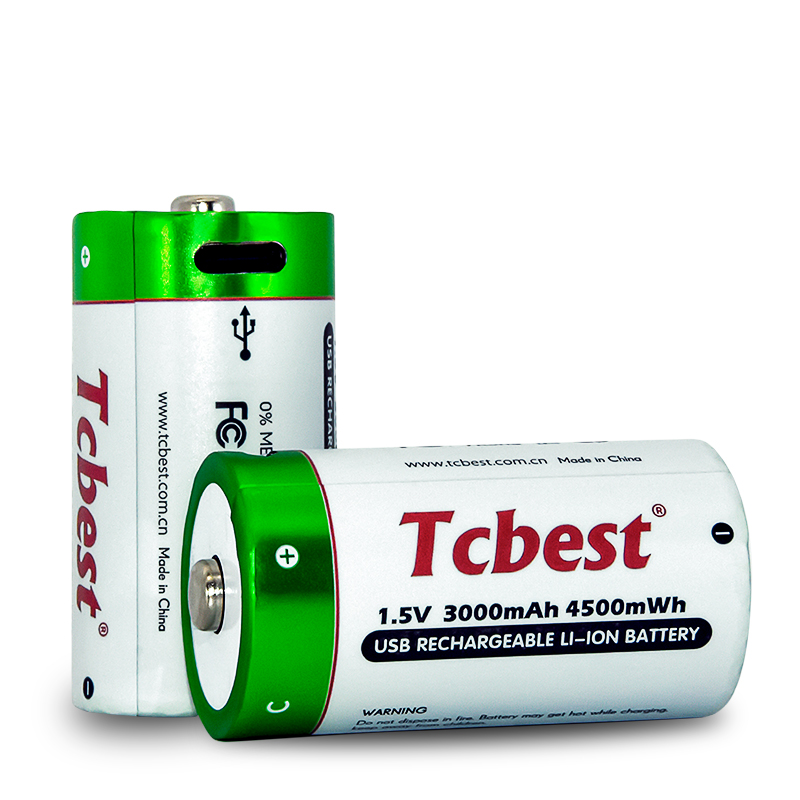
A hordozható energiaellátás elengedhetetlenül fontossá vált a modern ipari és fogyasztói alkalmazásokban, ahol az eszközök megbízható energiaként szolgáló forrásra van szükségük a hagyományos faliszekrényeknél távolabb is. Egy usb akkumulátor rendszer rugalmas, újratölthető energiát biztosít közvetlenül a terepen lévő berendezéseknek, így konzisztens teljesítményt nyújt különféle környezetekben. Legyen szó orvosi eszközökről, mezőkutatási műszerek-ről, hordozható tesztelőberendezésekről vagy vészhelyzeti kommunikációs rendszerekről, az USB-akkumulátor kulcsfontosságú infrastrukturális elemként jelent meg olyan alkalmazásokban, amelyek mobilitást, megbízhatóságot és folyamatos energiakimenetet igényelnek.
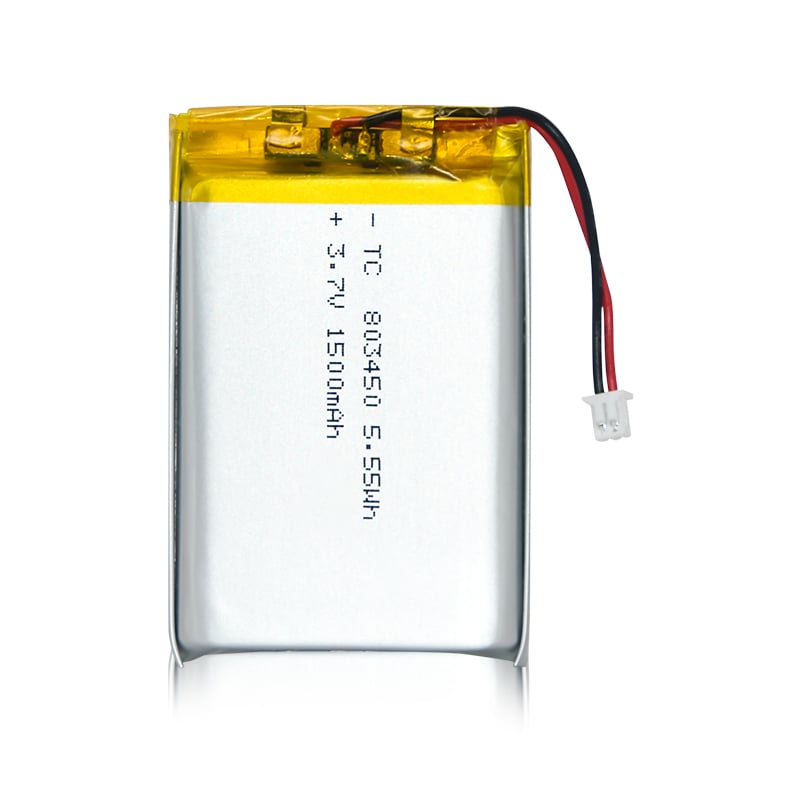
A modern USB-akkumulátor-rendszerek szabványosított töltési protokollokat, kompakt méretformákat és intelligens teljesítménykezelést integrálnak, hogy zavartalanul illeszkedjenek a hordozható alkalmazásokba. Az USB-akkumulátorok eltérnek a régebbi akkumulátortechnológiáktól, mivel „plug-and-play” kompatibilitást kínálnak a legtöbb létesítményben már jelenlévő infrastruktúrával, csökkentve ezzel az üzembe helyezés bonyolultságát és a képzési igényeket. Az USB-akkumulátorok tervezésének fejlődése évtizedekre nyúlik vissza a litium-kémia, a hőszabályozás és a biztonsági architektúra folyamatos finomításában, így ezek a rendszerek biztonságosabbak és hatékonyabbak, mint valaha.
Az USB-akkumulátor-rendszerek kulcselőnyei hordozható alkalmazásokban
Javított mobilitás és terepi üzembe helyezés
A hordozható alkalmazások alapvetően a kötetlen működésre építenek, és egy USB-akkumulátor-rendszer lehetővé teszi a szakemberek számára, hogy szabadon mozogjanak anélkül, hogy elektromos hálózati csatlakozási lehetőséget keresnének. A mezőszolgálati technikusok, a mentőszolgálati munkatársak és a távoli berendezéseket kezelő szakemberek hosszabb üzemidőből származó előnyökhöz jutnak, így feladataikat elvégezhetik anélkül, hogy gyakran vissza kellene térniük a töltőállomásokhoz. A szabványosított USB-akkumulátor-formátum azt jelenti, hogy a munkavállalók több egységet is maguknál tarthatnak, kifogyott akkumulátorcellákat melegcserével cserélhetnek, és folyamatos szolgáltatásnyújtást biztosíthatnak hosszú műszakok vagy kiterjedt terepi bevetések során.
Az USB-akkumulátor-technológia beépítése a kézben tartott eszközökbe megszünteti a hatósugár-aggályt, és számos alkalmazásban 30–50 százalékkal javítja az üzemeltetési hatékonyságot. A csapatok szélesebb lefedettségi területeken koordinálhatják munkájukat, gyorsabban reagálhatnak incidensekre, és megszakítás nélkül fenntarthatják a kommunikációt és az adatrögzítést. Ez a mobilitási előny közvetlenül javítja a szolgáltatás minőségét, gyorsabb problémamegszüntetést tesz lehetővé, és biztonságosabb mezőszolgálatot biztosít az ipari és a vészhelyzeti szektorokban.
Szabványos töltőinfrastruktúra
A USB-akkumulátorrendszer kihasználja a járművekben, létesítményekben és személyi eszközökben meglévő töltőinfrastruktúrát, így nem szükségesek tulajdonosi töltők vagy speciális tápegységek. A szabványos USB-csatlakozókkal való kompatibilitás azt jelenti, hogy az USB-akkumulátorokat hordozható számítógépekről, falitöltőkről, napelemekről és járműtöltőkről is lehet tölteni, ami drámaian növeli a kényelmet és csökkenti a logisztikai bonyolultságot. Ez a szabványosítás emellett csökkenti a csereszükséglet költségeit, és egyszerűsíti a készletkezelést nagyobb telepítések esetén.
Azok a szervezetek, amelyek USB-akkumulátorrendszereket alkalmaznak, jelentős költségmegtakarítást érnek el a töltők redundanciájának csökkentésével és az ellátási lánc kezelésének leegyszerűsítésével. A közönséges USB-infrastruktúrával történő töltés lehetősége gyorsítja a rendszer bevezetését a csapatokban, és csökkenti a képzési igényt, mivel a legtöbb személy már ismeri a USB-töltés protokolljait személyes eszközei használata során szerzett tapasztalata alapján.
Műszaki teljesítmény és megbízhatósági jellemzők
Fejlett teljesítménymenedzsment USB-akkumulátor-tervekben
A modern USB-akkumulátor-rendszerek összetett energiakezelő elektronikát tartalmaznak, amelyek optimalizálják az energiaellátást, megakadályozzák a túltöltést, és megvédik az eszközt rövidzárlatoktól vagy fordított polaritástól eredő károsodást. Ezek a védőkörök biztosítják, hogy egy USB-akkumulátor stabil kimeneti feszültséget szolgáltasson változó terhelési körülmények között – ami kritikus fontosságú érzékeny berendezések számára, amelyek pontos energiaellátási előírásokat igényelnek. Az USB-akkumulátorokban alkalmazott hőkezelő rendszerek megakadályozzák a túlmelegedést nagy kisütési ciklusok során, ezzel meghosszabbítva az élettartamot és fenntartva a biztonsági tartalékokat igénybevett alkalmazásokban.
A mai USB-akkumulátorok épített intelligenciája valós idejű figyelést, többcellás konfigurációkban történő töltéskiegyenlítést és a terhelési igények alapján adaptív áramkorlátozást foglal magában. Ezek a funkciók garantálják, hogy egy USB-akkumulátor hőmérsékleti szélsőségek, páratartalom-ingerek és ipari illetve terepi környezetben előforduló egyéb kihívásos körülmények mellett is konzisztensen működjön.
Az energia-sűrűség és az üzemidő optimalizálása
A prémium USB-akkumulátorrendszerekben alkalmazott litium-polimer és litium-ion kémia kiváló energia-sűrűséget biztosít, ami azt jelenti, hogy több energiát lehet kompakt fizikai méretben tárolni. Ez a magas energia-sűrűség közvetlenül hosszabb üzemidőt eredményez hordozható alkalmazások esetén anélkül, hogy nagy, nehéz tápegységekre lenne szükség. Egy magas energia-sűrűségre optimalizált USB-akkumulátor lehetővé teszi a berendezéstervezők számára, hogy ergonómikus formátumot tartsanak fenn, miközben elegendő teljesítményt biztosítanak többórás működési időszakokhoz.
Egy USB-akkumulátor üzemideje az akkumulátor kapacitásától függ, amelyet milliamperórában (mAh) mérnek, valamint a csatlakoztatott eszközök által igényelt kisütési sebességtől. A professzionális színvonalú USB-akkumulátorrendszerek olyan kisütési sebességet érnek el, amely alkalmas az energiaigényes berendezések folyamatos üzemeltetésére, miközben fenntartják a feszültségstabilitást és a hőmérsékleti biztonságot az egész kisütési ciklus során. Ez a következetes teljesítmény biztosítja, hogy a küldetés-kritikus alkalmazások a tervezett működési időszakok alatt is működőképesek maradjanak.
Alkalmazásintegráció és iparági hatás
Sokféle hordozható alkalmazási forgatókönyv
Az orvosi eszközök jelentős alkalmazási területet képeznek, ahol az USB-akkumulátorrendszerek kritikus energiát biztosítanak diagnosztikai berendezésekhez, betegfigyelő eszközökhöz, valamint hordozható ultrahangos vagy EKG-rendszerekhez klinikákban és mezőkórházi körülmények között. A mentőszolgálatok az USB-akkumulátortechnológiára támaszkodnak kommunikációs eszközök, világítási rendszerek és hordozható defibrillátorok üzemeltetéséhez katasztrófaelhárítási műveletek során. Az ipari karbantartási csapatok az USB-akkumulátorral működő tesztelőberendezésekre támaszkodnak valós idejű diagnosztikához gyári környezetekben, ahol állandó energiaellátási infrastruktúra hiányozhat.
A környezeti monitoring, az adatrögzítő berendezések és a távoli érzékelőhálózatok is profitálnak a USB-akkumulátorrendszer hordozhatóságából és megbízhatóságából. A hadsereg, a mentőszolgálatok és a terepi kutatócsoportok sztenderdizálták a USB-akkumulátor-technológiát a taktikai kommunikációs eszközök, a környezeti érzékelők és a távoli helyeken hosszabb ideig működő berendezések tápellátására. Ennek a széles körű elfogadásnak köszönhetően igazolódott a USB-akkumulátor-megoldások robusztussága és gyakorlati alkalmazhatósága számos szakmai szektorban.
A hordozható berendezések tervezésének jövőbiztosítása
A berendezések USB-akkumulátor-szabványokra alapozott tervezése biztosítja a hosszú távú kompatibilitást az egyre fejlődő töltőinfrastruktúrával és ellátási láncokkal. Ahogy a globális szabványügyi szervezetek folyamatosan harmonizálják a USB teljesítménytovábbítási specifikációkat, a USB-akkumulátoros rendszerekre épülő berendezések automatikusan profitálnak az energiahatékonyság, a töltési sebesség és a kereszteszköz-kompatibilitás javulásából. Ez a jövőbe mutató kompatibilitás azt jelenti, hogy a USB-akkumulátor-kompatibilis berendezésekbe történő befektetések hosszú ideig aktuálisak maradnak és támogatottak, így védve a tőkebefektetéseket és csökkentve a megsemmisülés kockázatát.
Azt a gyártókat, amelyek USB-akkumulátorrendszereket építenek be termékeikbe, az új környezetvédelmi szabályozások is előnyös helyzetbe hozzák, mivel ezek a szabályozások a szabványosított töltési megoldásokat részesítik előnyben. A felépített univerzális töltési szabványok irányába történő átállás mind a fenntarthatósági célokra, mind a fogyasztói igényekre – egyszerűbb és kölcsönösen használható energiaellátási rendszerek iránt – utal. A USB-akkumulátor-architektúrára épülő berendezések összhangban vannak ezekkel a szabályozási és piaci trendekkel, így biztosítva a további piaci relevanciát.
GYIK
Mi teszi a USB-akkumulátorrendszert a tulajdonos-specifikus akkumulátormegoldásoknál jobbá?
A USB-akkumulátorrendszer szabványosított töltési kompatibilitást, egyszerűsített ellátási lánc-kezelést és alacsonyabb teljes tulajdonosi költséget biztosít a sajátos megoldásokhoz képest. A működtetők USB-akkumulátor-egységeiket az autókban, épületekben és személyes eszközökön található, mindennapos USB-töltőkkel tudják tölteni, így nem kell különleges töltőberendezésekre támaszkodniuk. A USB-akkumulátor-technológia szabványos jellege továbbá gyorsabb berendezés-elfogadást, kevesebb személyzeti képzési igényt és egyszerűbb készletkezelést tesz lehetővé a szervezetek telepítéseiben.
Mennyi ideig tart egy tipikus USB-akkumulátor töltöttsége tárolás közben?
Megfelelően karbantartott USB-akkumulátor-rendszerek önmagukban átlagosan havi 2–3 százalékos töltésveszteséget mutatnak hűvös, száraz tárolási körülmények között. A modern USB-akkumulátorok védelmi áramköröket tartalmaznak, amelyek minimalizálják a parazita fogyasztást, és a gyártók azt javasolják, hogy a hosszabb ideig nem használt eszközök esetén az USB-akkumulátorokat részlegesen töltött állapotban (kb. 40–60 százalékos kapacitással) tárolják. A legtöbb USB-akkumulátor-rendszer megőrzi tárolt kapacitásának 80 százalékát 6–12 hónapos megfelelő tárolás után, bár hosszú távú megőrzés érdekében időszakos karbantartó töltések ajánlottak.
Használható-e egy USB-akkumulátor-rendszer extrém hőmérsékleti környezetben?
A prémium USB-akkumulátorrendszerek hőkezelési funkciókat és olyan anyagokat tartalmaznak, amelyeket általában 0–50 °C-os hőmérséklettartományra terveztek normál körülmények között. Egyes ipari minőségű USB-akkumulátor-kialakítások ezt a tartományt kibővítik, de a teljesítmény és az élettartam csökkenhet a gyártó által megadott műszaki specifikációkon túli extrém hőmérsékleti határokon. A felhasználóknak a konkrét USB-akkumulátorrendszerük műszaki dokumentációját kell tanulmányozniuk annak eldöntéséhez, hogy alkalmas-e hűtött tárolásra, magas hőmérsékletű környezetben való üzemeltetésre vagy extrém hőmérsékleti viszonyok közötti ciklikus üzemeltetésre, amelyeket durva ipari környezetekben lehet tapasztalni.