
 EN
EN
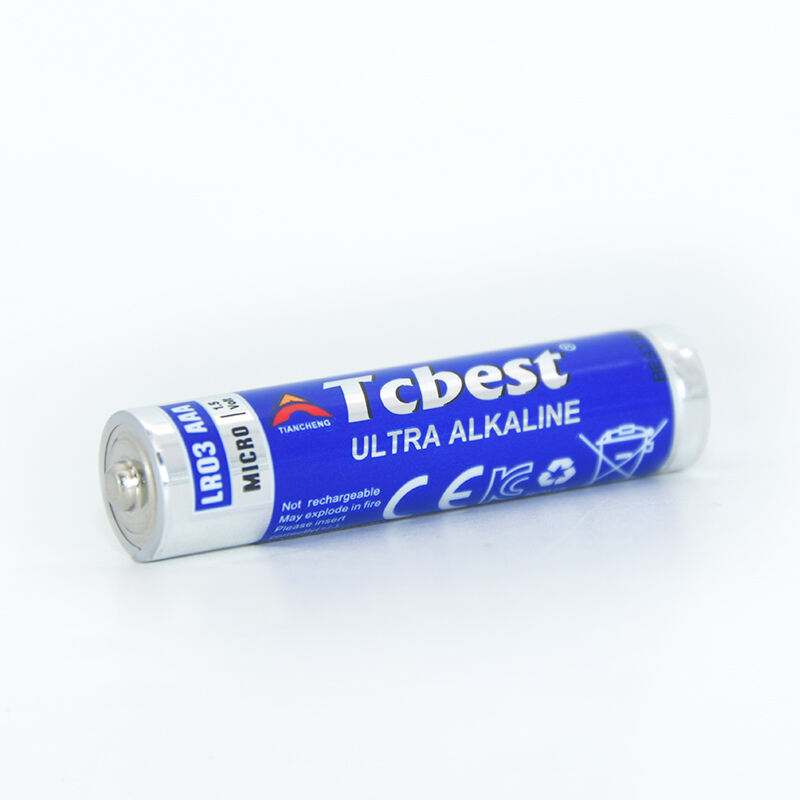
Comprendere le differenze nelle prestazioni delle batterie è fondamentale per selezionare la giusta fonte di alimentazione per i propri dispositivi. Confrontando la tecnologia delle batterie alcaline con altri tipi di batterie, emergono diversi fattori chiave di prestazione che influenzano direttamente il funzionamento dei dispositivi, i costi operativi e la soddisfazione dell’utente. La batteria alcalina si è affermata come forza dominante nell’ambito dell’alimentazione portatile, ma in che modo si confronta effettivamente con alternative come le batterie al litio, al nichel-metallo idruro e le tradizionali batterie al carbonio-zinco?
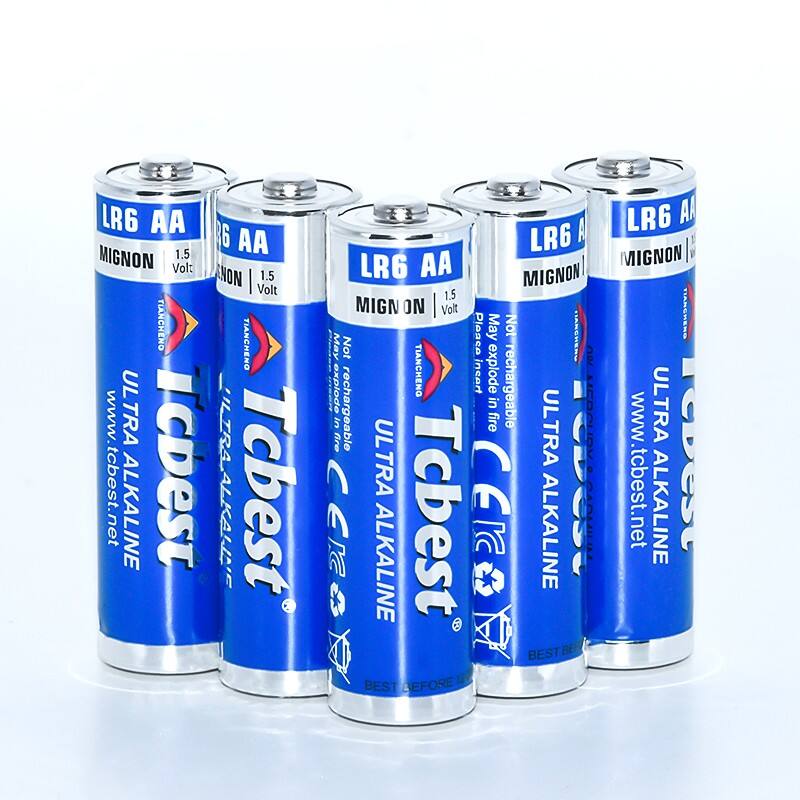
Il confronto delle prestazioni tra la tecnologia delle batterie alcaline e le altre chimiche per batterie rivela vantaggi e limiti distinti che influenzano direttamente l’idoneità all’impiego. Ogni tipo di batteria fornisce profili di tensione, caratteristiche di capacità, intervalli di tolleranza termica e comportamenti di scarica differenti, che ne determinano gli impieghi ottimali. Queste differenze prestazionali diventano particolarmente evidenti in condizioni di carico variabile, in presenza di diversi fattori ambientali e secondo schemi di utilizzo richiesti dai moderni dispositivi elettronici.
Analisi della densità energetica e delle prestazioni di capacità
Capacità di accumulo energetico delle batterie alcaline
La pila alcalina dimostra una densità energetica superiore rispetto alle tradizionali pile al carbonio-zinco, erogando tipicamente il 40-50% in più di capacità negli stessi formati. Questa maggiore capacità di accumulo energetico deriva dalla chimica dell’elettrolita alcalino, che consente reazioni chimiche più efficienti e cicli di scarica più profondi. I moderni design delle pile alcaline raggiungono densità energetiche comprese tra 100 e 150 Wh/kg, posizionandole favorevolmente rispetto a molte tecnologie concorrenti.
Le prestazioni in termini di capacità variano notevolmente in funzione della corrente di scarica e delle condizioni operative. In applicazioni con prelievo moderato, una pila alcalina mantiene un’uscita di tensione costante per la maggior parte del ciclo di scarica, garantendo un’erogazione di potenza affidabile fino a poco prima dello svuotamento quasi completo. Questa caratteristica si contrappone nettamente a quella delle pile al carbonio-zinco, le quali presentano un progressivo calo di tensione e una ridotta capacità effettiva nelle medesime condizioni.
Gli effetti della temperatura sulla capacità delle batterie alcaline rivelano sia punti di forza che limitazioni. Queste batterie mantengono prestazioni ragionevoli in intervalli di temperatura moderati, ma subiscono una riduzione della capacità in condizioni di freddo estremo. Tuttavia, il loro mantenimento della capacità supera comunque quello delle batterie al carbonio-zinco nella maggior parte delle condizioni ambientali riscontrabili nelle applicazioni tipiche.
Analisi comparativa della capacità rispetto ad altre tecnologie
Le batterie primarie al litio superano significativamente le batterie alcaline in termini di densità energetica pura, fornendo spesso da 2 a 3 volte la capacità in dimensioni equivalenti. Questo vantaggio prestazionale diventa particolarmente evidente nelle applicazioni ad alto assorbimento, dove le batterie al litio mantengono un’uscita di tensione stabile, mentre le batterie alcaline subiscono un calo di tensione e una riduzione della capacità effettiva.
Le batterie ricaricabili al nichel-metallo idruro presentano un profilo di prestazioni diverso rispetto alla tecnologia delle batterie alcaline. Sebbene la capacità iniziale possa apparire inferiore, la natura ricaricabile delle batterie NiMH consente una fornitura cumulativa di energia su più cicli di carica che, nelle applicazioni a lungo termine, può superare l’energia totale fornita da più batterie alcaline monouso.
Le batterie al carbonio-zinco offrono costantemente prestazioni inferiori rispetto alla tecnologia delle batterie alcaline praticamente in tutti i parametri di capacità. La chimica alcalina consente una scarica più profonda, una maggiore erogazione di corrente e una migliore regolazione della tensione, rendendo il confronto prestazionale nettamente favorevole alla tecnologia alcalina nella maggior parte delle applicazioni pratiche.
Caratteristiche di tensione e schemi di erogazione di potenza
Comportamento del profilo di tensione delle batterie alcaline
Le caratteristiche di tensione di una pila alcalina presentano un profilo di scarica distintivo che influenza le prestazioni del dispositivo durante l’intera vita operativa della pila. Le pile alcaline nuove forniscono tipicamente 1,5–1,6 volt per cella, mantenendo un’uscita di tensione relativamente stabile durante i primi il 70–80% del ciclo di scarica. Questa stabilità della tensione garantisce un funzionamento costante del dispositivo ed evita spegnimenti prematuri dovuti a bassa carica, problema comune ad altre tecnologie di pile.
Il comportamento della tensione dipendente dal carico rivela importanti caratteristiche prestazionali delle pile alcaline. A carichi leggeri, queste pile mantengono la tensione nominale per periodi prolungati, mentre prelievi di corrente elevata causano una depressione temporanea della tensione che si recupera durante i periodi di riposo. Questa capacità di recupero della tensione distingue la tecnologia delle pile alcaline dalle alternative a base di carbonio-zinco, che subiscono un calo permanente di tensione sotto carichi elevati.
Le caratteristiche della resistenza interna influenzano la fornitura di tensione in diverse condizioni di carico. La batteria Alcalina batteria alcalina presenta generalmente una resistenza interna inferiore rispetto alle batterie al carbonio-zinco, consentendo una migliore erogazione di corrente e una minore caduta di tensione sotto carico. Tuttavia, le batterie al litio mostrano in genere una resistenza interna ancora più bassa, garantendo una stabilità superiore della tensione nelle applicazioni ad alta corrente.
Confronto della fornitura di potenza tra diversi tipi di batterie
Le capacità di erogazione di potenza di picco variano notevolmente tra la tecnologia delle batterie alcaline e altre chimiche concorrenti. Sebbene le batterie alcaline possano fornire impulsi di corrente sostanziali per brevi periodi, le batterie al litio eccellono nelle applicazioni ad alta corrente prolungata, erogando potenza costante senza un significativo calo di tensione. Questa differenza diventa critica nelle applicazioni che richiedono un funzionamento affidabile ad alta potenza.
I profili di erogazione di potenza continua mostrano un graduale deterioramento delle prestazioni delle batterie alcaline man mano che la carica si esaurisce, con un calo di tensione più rapido nell'ultimo 20% della capacità. Questo comportamento contrasta con quello delle batterie agli ioni di litio, che mantengono una tensione relativamente stabile fino a poco prima dell’esaurimento quasi completo, e con quello delle batterie NiMH, che presentano un calo di tensione più lineare durante l’intero ciclo di scarica.
Le considerazioni relative all’efficienza energetica rivelano che la tecnologia delle batterie alcaline converte l’energia chimica in energia elettrica con un’efficienza ragionevole sotto carichi moderati, ma tale efficienza diminuisce in presenza di elevate richieste di corrente. Le caratteristiche di regolazione della tensione e i fattori legati alla resistenza interna influenzano direttamente l’efficienza complessiva dei dispositivi alimentati a batteria.
Intervallo di temperatura di funzionamento e prestazioni ambientali
Tolleranza termica dei sistemi a batteria alcalina
Le caratteristiche prestazionali in funzione della temperatura influenzano in modo significativo l’idoneità delle batterie alcaline in diverse condizioni ambientali. Queste batterie funzionano efficacemente in un intervallo di temperatura compreso approssimativamente tra -18 °C e 55 °C, sebbene le prestazioni varino notevolmente all’interno di tale intervallo. A temperature moderate, intorno ai 20 °C, le prestazioni delle batterie alcaline raggiungono livelli ottimali, con erogazione massima della capacità e stabilità della tensione.
Gli effetti delle basse temperature sulle prestazioni delle batterie alcaline includono una riduzione della capacità, un aumento della resistenza interna e una depressione della tensione sotto carico. A temperature inferiori a 0 °C, la capacità può diminuire del 20-40% rispetto alle prestazioni a temperatura ambiente. Tuttavia, le batterie alcaline offrono generalmente prestazioni migliori rispetto alle batterie al carbonio-zinco in condizioni fredde, mantenendo un funzionamento operativo là dove le batterie al carbonio-zinco potrebbero fallire completamente.
L'esposizione a temperature elevate influisce sulle prestazioni delle batterie alcaline attraverso reazioni chimiche accelerate e potenziale fuoriuscita dell'elettrolita. Sebbene queste batterie possano funzionare a temperature elevate, un'esposizione prolungata oltre i 40 °C riduce la durata complessiva e può comprometterne l'affidabilità. Il coefficiente di temperatura della tecnologia delle batterie alcaline le rende adatte alla maggior parte delle applicazioni interne e all'aperto in condizioni moderate.
Prestazioni ambientali rispetto ad altre tecnologie di batterie
Le batterie primarie al litio presentano una tolleranza termica superiore rispetto alla tecnologia delle batterie alcaline, mantenendo prestazioni costanti su un intervallo di temperature più ampio, da -40 °C a 85 °C. Questa maggiore capacità termica rende le batterie al litio preferibili per applicazioni in ambienti estremi, dove le prestazioni delle batterie alcaline verrebbero compromesse.
La resistenza all'umidità e all'umidità varia tra le diverse tecnologie delle batterie; la costruzione delle batterie alcaline offre una protezione ragionevole contro l'umidità ambientale. La costruzione sigillata delle moderne batterie alcaline impedisce l'ingresso della maggior parte dell'umidità, sebbene un'esposizione prolungata a condizioni di elevata umidità possa alla fine influenzare le prestazioni causando la corrosione dei contatti esterni.
Le caratteristiche di conservazione in diverse condizioni ambientali mostrano che la tecnologia delle batterie alcaline mantiene una buona durata a scaffale a temperature moderate, con una progressiva perdita di capacità nel tempo. I tassi di autoscarica rimangono bassi rispetto alle alternative ricaricabili, rendendo le batterie alcaline adatte per applicazioni di emergenza e per scenari di stoccaggio a lungo termine, nei quali altri tipi di batterie potrebbero subire una significativa perdita di capacità.
Prestazioni del tasso di scarica e idoneità per le applicazioni
Caratteristiche prestazionali del prelievo di corrente
Le prestazioni del tasso di scarica della tecnologia delle batterie alcaline variano notevolmente in base alle richieste di corrente cui vengono sottoposte. In condizioni di basso assorbimento, tipiche di telecomandi, orologi da parete e dispositivi simili, le batterie alcaline eccellono erogando la loro intera capacità nominale per periodi prolungati. Queste applicazioni consentono alla chimica delle batterie alcaline di operare in modo efficiente, con una minima depressione di tensione ed un’estrazione massima di energia.
Applicazioni a medio assorbimento, come torce LED, radio portatili e giocattoli elettronici, evidenziano un comportamento equilibrato delle batterie alcaline. Sebbene non raggiungano la piena capacità teorica a causa dell’aumento delle richieste di corrente, queste batterie forniscono comunque un tempo operativo significativo con una stabilità di tensione accettabile. Le caratteristiche di recupero della tensione durante l’uso intermittente contribuiscono ad estendere la durata complessiva di servizio in queste applicazioni.
Le prestazioni dei dispositivi ad alto drenaggio evidenziano i limiti della tecnologia delle batterie alcaline rispetto ad alternative specializzate. Fotocamere digitali, utensili elettrici e dispositivi LED ad alta intensità possono causare una significativa depressione di tensione e una riduzione della capacità effettiva. Sotto carichi continui ad alta corrente, le batterie alcaline possono erogare solo il 30-50% della loro capacità nominale a causa dei limiti di cutoff di tensione presenti nei dispositivi elettronici.
Ottimizzazione delle Prestazioni Specifiche per l'Applicazione
Le applicazioni nel settore dell’elettronica di consumo mostrano prestazioni variabili delle batterie alcaline, in funzione dei requisiti specifici di ciascun dispositivo. I controller per videogiochi traggono vantaggio dall’uscita di tensione stabile e dalla buona capacità, mentre le fotocamere digitali possono visualizzare prematuramente l’indicazione di batteria scarica a causa del calo di tensione durante i cicli di ricarica del flash. Comprendere questi comportamenti specifici per applicazione consente di ottimizzare la scelta della batteria in base al tipo di dispositivo.
Le applicazioni industriali richiedono spesso caratteristiche prestazionali diverse rispetto ai dispositivi per uso consumer. Le reti di sensori, le apparecchiature di monitoraggio e i sistemi di emergenza possono dare la priorità a una lunga durata a scaffale e a schemi di scarica prevedibili rispetto alla fornitura di potenza di picco. La tecnologia delle batterie alcaline offre spesso un eccellente equilibrio tra costo, affidabilità e prestazioni per queste applicazioni.
Le applicazioni destinate a equipaggiamenti professionali possono richiedere caratteristiche prestazionali che mettono alla prova le capacità delle batterie alcaline. Dispositivi medici, strumenti scientifici e attrezzature professionali per la fotografia richiedono spesso una tensione costante e una fornitura di corrente elevata, caratteristiche che le batterie al litio o altre tecnologie specializzate riescono a soddisfare meglio. Tuttavia, le batterie alcaline rimangono valide per molte applicazioni professionali con requisiti di potenza moderati.
Convenienza economica e analisi del costo totale di proprietà
Confronto dei costi iniziali e proposta di valore
Il costo iniziale di acquisto della tecnologia delle batterie alcaline si colloca generalmente tra quello delle batterie al carbonio-zinco e quello delle alternative premium al litio. Questa collocazione crea una proposta di valore convincente per applicazioni in cui le prestazioni migliorate rispetto alle batterie al carbonio-zinco giustificano l’incremento di costo modesto. La diffusa disponibilità e le economie di scala nella produzione delle batterie alcaline contribuiscono a mantenere prezzi competitivi sui mercati globali.
Il costo per unità di energia erogata varia notevolmente tra la tecnologia delle batterie alcaline e le opzioni concorrenti. Sebbene le batterie al litio abbiano prezzi iniziali più elevati, la loro superiore densità energetica può tradursi in un costo inferiore per wattora nelle applicazioni ad alto assorbimento. Viceversa, nelle applicazioni a basso assorbimento, le batterie alcaline offrono spesso la soluzione più economica per quanto riguarda l’erogazione di energia, se si confronta il costo totale con l’energia effettivamente estratta.
I calcoli del costo totale di proprietà devono tenere conto della frequenza di sostituzione, dei costi di smaltimento e dei fattori di compatibilità del dispositivo. La tecnologia delle batterie alcaline offre intervalli di sostituzione prevedibili e una compatibilità universale con i vani batteria standard, semplificando così gli acquisti e la gestione dell'inventario rispetto alle tecnologie di batterie specializzate che potrebbero richiedere formati diversi o infrastrutture di ricarica specifiche.
Valutazione delle prestazioni economiche a lungo termine
L’analisi del costo sul ciclo di vita rivela che l’economia delle batterie alcaline dipende fortemente dagli schemi di utilizzo e dai requisiti applicativi. Per dispositivi con utilizzo intermittente e domande moderate di potenza, le batterie alcaline offrono un eccellente valore a lungo termine grazie alla combinazione di una capacità ragionevole, di una buona durata a riposo e di prezzi competitivi. L’efficacia economica diventa meno vantaggiosa nelle applicazioni ad alto drenaggio e ad uso continuativo.
Le considerazioni sulla frequenza di sostituzione indicano che la tecnologia delle batterie alcaline richiede cambi più frequenti rispetto alle alternative al litio in applicazioni impegnative, ma meno frequenti rispetto alle batterie al carbonio-zinco nella maggior parte dei casi d’uso. Questa frequenza intermedia di sostituzione si allinea spesso bene con le aspettative degli utenti e con i programmi di manutenzione per diverse categorie di dispositivi.
I costi legati allo smaltimento dei rifiuti e all’impatto ambientale associati alla tecnologia delle batterie alcaline sono diminuiti in modo significativo grazie ai miglioramenti nei programmi di riciclo e alla riduzione del contenuto di metalli pesanti. Sebbene generino comunque rifiuti rispetto alle alternative ricaricabili, i costi di smaltimento e l’impatto ambientale rimangono gestibili per la maggior parte degli utenti e delle applicazioni.
Domande frequenti
Quanto durano le batterie alcaline rispetto ad altri tipi di batterie?
La durata delle batterie alcaline dipende dall'applicazione, ma in genere durano dal 40% al 50% in più rispetto alle batterie al carbonio-zinco in condizioni simili. Nei dispositivi a basso assorbimento, come i telecomandi, le batterie alcaline possono garantire un servizio di 2-3 anni, mentre le batterie al litio possono durare 5-7 anni. In applicazioni ad alto assorbimento, le batterie al litio superano significativamente quelle alcaline, offrendo spesso da 2 a 3 volte la durata operativa.
Le batterie alcaline possono essere ricaricate come le batterie NiMH?
Le batterie alcaline standard sono progettate per un solo utilizzo e non devono essere ricaricate, poiché ciò potrebbe causare perdite, surriscaldamento o esplosioni. Tuttavia, alcuni produttori realizzano batterie alcaline ricaricabili con una speciale chimica che consente un numero limitato di cicli di ricarica. Le batterie NiMH sono invece specificamente progettate per centinaia di cicli di carica, rendendole più adatte ad applicazioni ad alto utilizzo in cui la possibilità di ricarica è fondamentale.
Perché le batterie alcaline prestano male in condizioni di freddo intenso?
Le temperature fredde rallentano le reazioni chimiche all'interno delle batterie alcaline, aumentando la resistenza interna e riducendo la capacità disponibile. A temperature inferiori allo zero, le prestazioni delle batterie alcaline possono diminuire del 20-40% rispetto al funzionamento a temperatura ambiente. L'elettrolita diventa meno conduttivo e le reazioni chimiche che generano elettricità procedono più lentamente, causando un calo di tensione e una riduzione dell'autonomia in condizioni fredde.
Le batterie alcaline sono migliori delle batterie agli ioni di litio per tutte le applicazioni?
Le pile alcaline non sono universalmente migliori delle pile al litio. Le pile al litio eccellono nei dispositivi ad alto assorbimento, in condizioni di temperatura estrema e nelle applicazioni che richiedono una lunga durata a riposo. Tuttavia, le pile alcaline offrono un rapporto qualità-prezzo migliore per dispositivi a medio assorbimento, sono più ampiamente disponibili e hanno un costo iniziale inferiore. La scelta dipende dai requisiti specifici dell’applicazione: le pile alcaline risultano ottimali per dispositivi di uso quotidiano come telecomandi per TV, orologi da parete e torce utilizzate occasionalmente.
Indice
- Analisi della densità energetica e delle prestazioni di capacità
- Caratteristiche di tensione e schemi di erogazione di potenza
- Intervallo di temperatura di funzionamento e prestazioni ambientali
- Prestazioni del tasso di scarica e idoneità per le applicazioni
- Convenienza economica e analisi del costo totale di proprietà
-
Domande frequenti
- Quanto durano le batterie alcaline rispetto ad altri tipi di batterie?
- Le batterie alcaline possono essere ricaricate come le batterie NiMH?
- Perché le batterie alcaline prestano male in condizioni di freddo intenso?
- Le batterie alcaline sono migliori delle batterie agli ioni di litio per tutte le applicazioni?