
 EN
EN
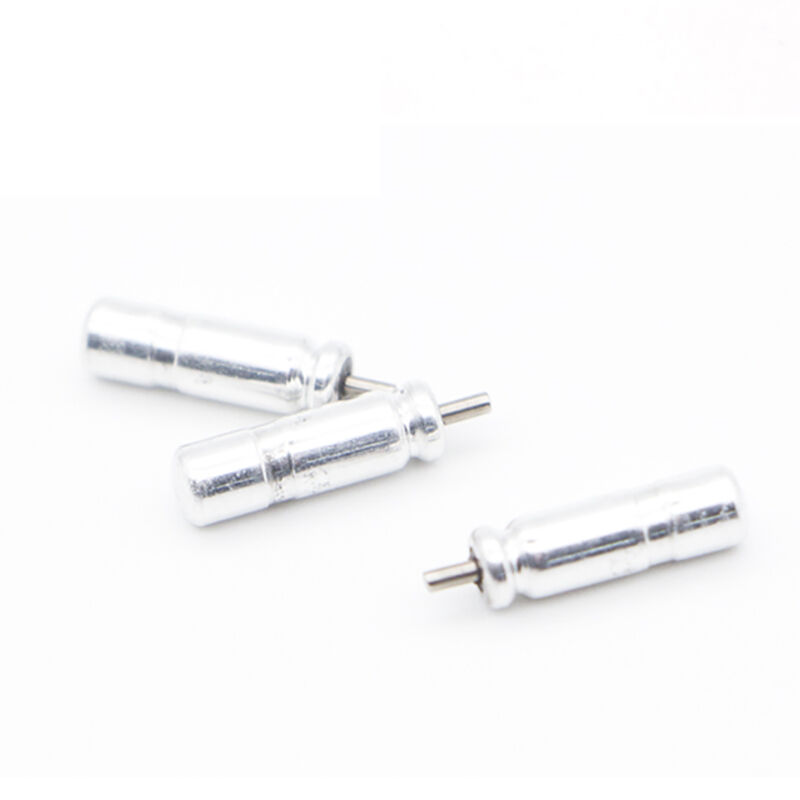
ການເລືອກຄວາມຈຸຂອງຖ່ານໄຟສຳລັບເຫວີຍນ້ຳປາເປັນການμຕັດສິນໃຈທີ່ສຳຄັນຢ່າງຍິ່ງ ເຊິ່ງມີຜົນກະທົບໂດຍກົງຕໍ່ປະສົບການການປາຂອງທ່ານ ຄວາມເຊື່ອຖືໄດ້ຂອງອຸປະກອນ ແລະປະສິດທິພາບການດຳເນີນງານທັງໝົດເມື່ອຢູ່ເທິງນ້ຳ. ບໍ່ວ່າທ່ານຈະເປັນນັກປາທີ່ມີຄວາມສົນໃຈຢ່າງເຂັ້ມງວດ ໂດຍໃຊ້ຕົວຊີ້ບອກການກິນເຫຍື່ອທີ່ເປັນໄຟຟ້າ ຫຼື ເປັນນັກປາມືອາຊີບທີ່ເຊື່ອໝັ້ນໃສ່ເຫວີຍນ້ຳປາທີ່ມີແສງສະຫວ່າງສຳລັບການປາໃນເວລາກາງຄືນ, ການເຂົ້າໃຈຄວາມຕ້ອງການດ້ານຄວາມຈຸຈະຮັບປະກັນວ່າອຸປະກອນຈະເຮັດວຽກຢ່າງຕໍ່ເນື່ອງໃນເວລາທີ່ສຳຄັນທີ່ສຸດເມື່ອປາກຳລັງກິນເຫຍື່ອ. ຄວາມຈຸຂອງຖ່ານໄຟເຫວີຍນ້ຳປາຂອງທ່ານຈະກຳນົດເວລາທີ່ອຸປະກອນຂອງທ່ານຈະເຮັດວຽກໄດ້ກ່ອນທີ່ຈະຕ້ອງປ່ຽນ ຫຼື ຊາດໄຟໃໝ່, ສະນັ້ນຈຶ່ງເປັນສິ່ງຈຳເປັນທີ່ຈະຕ້ອງຈັບຄູ່ຂໍ້ກຳນົດຂອງຖ່ານໄຟກັບສະພາບການປາທີ່ແທ້ຈິງ ແລະ ຮູບແບບການໃຊ້ງານຂອງທ່ານ.
ຂະບວນການພິຈາລະນາຄວາມຈຸປະກອບດ້ວຍການວິເຄາະປັດໄຈດ້ານເຕັກນິກ ແລະ ປະຕິບັດຈິງຫຼາຍປະການທີ່ມີຜົນຕໍ່ການປະຕິບັດງານຂອງຖ່ານໄຟສຳລັບເບົາແທັງປາຂອງທ່ານໃນສະພາບການຈິງ. ຈາກການເຂົ້າໃຈລັກສະນະການບໍລິໂພກພະລັງງານຂອງອຸປະກອນເອເລັກໂຕຣນິກເບົາແທັງປາຂອງທ່ານເຖິງການຄຳນຶງເຖິງປັດໄຈດ້ານສິ່ງແວດລ້ອມເຊັ່ນ: ອຸນຫະພູມ ແລະ ສະພາບນ້ຳ, ແຕ່ລະປັດໄຈຈະມີບົດບາດສຳຄັນໃນການກຳນົດຄວາມຈຸທີ່ເໝາະສົມທີ່ສຸດ. ຄູ່ມືທີ່ຄົບຖ້ວນນີ້ຈະສຳຫຼັບປັດໄຈສຳຄັນທີ່ຄວນນຳມາພິຈາລະນາເມື່ອຕັດສິນໃຈເລືອກຄວາມຈຸຖ່ານໄຟສຳລັບເບົາແທັງປາ, ເພື່ອຊ່ວຍໃຫ້ທ່ານເລືອກວິທີແກ້ໄຂດ້ານພະລັງງານທີ່ໃຫ້ປະສິດທິພາບທີ່ເຊື່ອຖືໄດ້ຕະຫຼອດການປາຂອງທ່ານ ໂດຍບໍ່ມີການຫຼຸດລົງຢ່າງໄວວ່າ ຫຼື ນ້ຳໜັກເກີນໄປ.
ການເຂົ້າໃຈເຖິງເຫຼົ້າຄວາມຈຸຖ່ານໄຟເບື້ອງຕົ້ນສຳລັບເບົາແທັງປາ
ການກຳນົດມາດຕະຖານການວັດແທກຄວາມຈຸ
ຄວາມຈຸຂອງແບດເຕີຣີ່ສຳລັບການນຳໃຊ້ໃນການປາກິນແບບເຮືອຫຼືເຮືອທີ່ໃຊ້ໃນການປາກິນ (fishing float) ໂດຍທົ່ວໄປແລ້ວຈະຖືກວັດແທກເປັນມີລີແອັມເປີ-ຊົ່ວໂມງ (mAh), ເຊິ່ງສະແດງເຖິງປະລິມານທັງໝົດຂອງພະລັງງານໄຟຟ້າທີ່ແບດເຕີຣີ່ສາມາດເກັບຮັກສາ ແລະ ສົ່ງອອກໄດ້ໃນໄລຍະເວລາໜຶ່ງ. ຕົວຢ່າງເຊັ່ນ: ແບດເຕີຣີ່ສຳລັບເຮືອປາກິນທີ່ມີຄວາມຈຸ 240 mAh ສາມາດສົ່ງໄຟຟ້າໄດ້ 240 ມີລີແອັມເປີ ໃນໄລຍະເວລາ 1 ຊົ່ວໂມງ ໂດຍທິດສະດີ, ຫຼື ສາມາດສົ່ງໄຟຟ້າທີ່ມີຄ່າຕ່ຳກວ່ານີ້ໄດ້ເປັນເວລາທີ່ຍາວກວ່າ. ການເຂົ້າໃຈການວັດແທກພື້ນຖານນີ້ຈະຊ່ວຍໃຫ້ທ່ານຄຳນວນເວລາການໃຊ້ງານທີ່ຄາດໄວ້ໄດ້ ໂດຍອີງໃສ່ຂໍ້ມູນການບໍລິໂພກພະລັງງານຂອງເຮືອປາກິນຂອງທ່ານ. ຄວາມສຳພັນລະຫວ່າງຄວາມຈຸ ແລະ ເວລາການໃຊ້ງານແມ່ນເປັນເສັ້ນຊື່ໃນສະພາບການທີ່ເໝາະສົມ, ແຕ່ໃນຄວາມເປັນຈິງ ຜົນການໃຊ້ງານຈະຖືກຜົນກະທົບຈາກອັດຕາການຖ່າຍທອນພະລັງງານ, ອຸນຫະພູມ, ແລະ ລັກສະນະຂອງເຄມີສານທີ່ໃຊ້ໃນແບດເຕີຣີ່.
ເມື່ອປະເມີນຄວາມຈຸຂອງຖ່ານໄຟສຳລັບແທ່ງຫາປາ ມັນສຳຄັນທີ່ຈະຮູ້ວ່າຜູ້ຜະລິດຈະກຳນົດຄວາມຈຸໃນເງື່ອນໄຂການທົດສອບທີ່ມາດຕະຖານ ເຊິ່ງອາດຈະແຕກຕ່າງຈາກສະພາບແວດລ້ອມການຫາປາທີ່ທ່ານໃຊ້ຈິງ. ຄວາມຈຸທີ່ກຳນົດຕາມມາດຕະຖານມັກຈະສົມມຸດວ່າຈະເຮັດວຽກຢູ່ອຸນຫະພູມຫ້ອງ ແລະອັດຕາການຖ່າຍໄຟທີ່ປານກາງ ໃນຂະນະທີ່ສະພາບການຫາປາມັກຈະມີການສຳຜັດກັບອຸນຫະພູມນ້ຳເຢັນ ແລະຮູບແບບການດຶງໄຟທີ່ປ່ຽນແປງໄປຕາມສະພາບ. ຄວາມແຕກຕ່າງນີ້ໝາຍຄວາມວ່າ ທ່ານຄວນນຳໃຊ້ຄວາມປອດໄພເພີ່ມເຕີມເວລາເລືອກຄວາມຈຸ ໂດຍທົ່ວໄປແລ້ວຄວນເລືອກຄວາມຈຸທີ່ສູງກວ່າຄວາມຕ້ອງການຕ່ຳສຸດທີ່ທ່ານຄຳນວນໄດ້ຢ່າງໜ້ອຍ 20 ຫາ 30 ເປີເຊັນ. ສ່ວນເພີ່ມນີ້ຈະຮັບປະກັນການເຮັດວຽກທີ່ເຊື່ອຖືໄດ້ ເຖິງແມ່ນວ່າປັດໄຈດ້ານສິ່ງແວດລ້ອມຈະເຮັດໃຫ້ຄວາມຈຸທີ່ໃຊ້ໄດ້ຈິງໆຕ່ຳກວ່າຄວາມຈຸທີ່ກຳນົດໄວ້.
ຄວາມຈຸ ແລະ ຂະໜາດທາງຮ່າງກາຍ: ການລົງທຶນທີ່ຕ້ອງເລືອກ
ເຫດຜົນຫຼັກອັນໜຶ່ງທີ່ຕ້ອງພິຈາລະນາເມື່ອເລືອກຄວາມຈຸຂອງຖ່ານໄຟສຳລັບເບົາໄຟປາແມ່ນການຮັກສາຄວາມສົມດຸນລະຫວ່າງຄວາມສາມາດໃນການເກັບພະລັງງານ ແລະ ມິຕິທາງດ້ານຮ່າງກາຍ ແລະ ນ້ຳໜັກ. ຖ່ານໄຟທີ່ມີຄວາມຈຸສູງຈະມີວັດຖຸທີ່ເປັນເຄື່ອນໄຫວຫຼາຍຂຶ້ນ ແລະ ດັ່ງນັ້ນຈຶ່ງຈະກິນເນື້ອທີ່ຫຼາຍຂຶ້ນ ແລະ ເພີ່ມນ້ຳໜັກໃຫ້ກັບຊຸດເບົາໄຟປາຂອງທ່ານ. ສຳລັບເບົາໄຟທີ່ມີຂະໜາດນ້ອຍທີ່ອອກແບບມາເພື່ອຈັບສັນຍານການກິນເຫຍື່ອທີ່ບໍ່ຮຸນແຮງ, ນ້ຳໜັກຂອງຖ່ານໄຟທີ່ຫຼາຍເກີນໄປອາດຈະສົ່ງຜົນເສຍຕໍ່ຄວາມໄວຕໍ່ສັນຍານ ແລະ ຄວາມໄກໃນການປະມາດ, ໃນຂະນະທີ່ຄວາມຈຸທີ່ບໍ່ພຽງພໍຈະເຮັດໃຫ້ຖ່ານໄຟເສື່ອມສະພາບກ່ອນເວລາໃນເວລາທີ່ປາຢູ່ໃນນ້ຳເປັນເວລາດົນ. ຄວາມສົມດຸນທີ່ເໝາະສົມທີ່ສຸດຈະຂຶ້ນກັບການອອກແບບເບົາໄຟຂອງທ່ານ, ປະເພດປາທີ່ທ່ານຕ້ອງການຈັບ, ແລະ ເວລາທີ່ທ່ານປາຢູ່ໃນນ້ຳໂດຍທົ່ວໄປ.
ເຄມີສານທີ່ອີງໃສ່ລິເທີຽມ (Lithium) ມີຄວາມໜາແໜ້ນພະລັງງານທີ່ດີກວ່າເຄມີສານອັລຄາລີນ (alkaline) ທີ່ໃຊ້ງານທົ່ວໄປ, ໂດຍໃຫ້ຄວາມຈຸທີ່ຫຼາຍຂຶ້ນຕໍ່ໆ ເປັນໜ່ວຍປະລິມານ ແລະ ນ້ຳໜັກ. A battery ການຫຼວງສັດ ການໃຊ້ເຄມີ lithium manganese dioxide ສະຫຼາບໃຫ້ຄວາມໜາແໜ້ນພະລັງງານທີ່ສູງຂຶ້ນປະມານສອງເທົ່າເທື່ອຂອງເຊວເລີ່ຍອັນຄ້າຍຄືກັນທີ່ເປັນດ່າງອາລີນ (alkaline cells) ເຮັດໃຫ້ມັນເປັນທາງເລືອກທີ່ເໝາະສົມທີ່ສຸດສຳລັບການນຳໃຊ້ທີ່ຕ້ອງການທັງຄວາມຈຸແລະຂະໜາດທີ່ບັນຈຸໄດ້ຢ່າງເຂັ້ມງວດ. ຂໍ້ດີນີ້ກາຍເປັນສຳຄັນເປັນພິເສດໃນການອອກແບບເຄື່ອງລອຍນ້ຳທີ່ທັນສະໄໝ ທີ່ມີການຕິດຕັ້ງໄຟ LED, ການຖ່າຍໂອນຂໍ້ມູນແບບບໍ່ມີສາຍ, ຫຼື ຄຸນສົມບັດອື່ນໆທີ່ຕ້ອງການພະລັງງານສູງ ເຊິ່ງຕ້ອງການເວລາໃຊ້ງານທີ່ຍາວນານໂດຍບໍ່ເຮັດໃຫ້ຄວາມສາມາດໃນການລອຍນ້ຳ ຫຼື ຄຸນສົມບັດດ້ານຄວາມສົມດຸນເສຍຫາຍ.
ການຄຳນວນຄວາມຕ້ອງການຄວາມຈຸທີ່ແທ້ຈິງຂອງທ່ານ
ການປະເມີນຮູບແບບການບໍລິໂພກພະລັງງານ
ການກຳນົດຄວາມຈຸຂອງຖ່ານໄຟທີ່ເໝາະສົມສຳລັບເຫວີຍນ້ຳປາເລີ່ມຕົ້ນດ້ວຍການປະເມີນຄວາມຕ້ອງການພະລັງງານຂອງເຫວີຍນ້ຳປາຢ່າງຖືກຕ້ອງ. ເຫວີຍນ້ຳປາທີ່ເປັນເຄື່ອງໄຟຟ້າແຕກຕ່າງກັນຫຼາຍໃນດ້ານການດຶງປະຈຸບັນ ຂຶ້ນກັບຄຸນສົມບັດ ແລະ ໂໝດການເຮັດວຽກ. ເຫວີຍນ້ຳປາທີ່ມີແສງ LED ພຽງຢ່າງດຽວອາດຈະບໍລິໂພກພຽງແຕ່ 2 ຫາ 5 ມີລີແອັມເປີ ໃນເວລາທີ່ເຮັດວຽກຢ່າງຕໍ່ເນື່ອງ, ໃນຂະນະທີ່ເຫວີຍນ້ຳປາທີ່ຊັບຊ້ອນກວ່ານີ້ທີ່ມີຄວາມສາມາດເຊື່ອມຕໍ່ໄວເລດ ຫຼື ມີແສງ LED ຈຳນວນຫຼາຍອາດຈະດຶງປະຈຸບັນ 15 ຫາ 30 ມີລີແອັມເປີ ຫຼື ຫຼາຍກວ່ານີ້. ເພື່ອຄຳນວນຄວາມຈຸຕ່ຳສຸດທີ່ທ່ານຕ້ອງການ, ທ່ານຄວນຄູນຄ່າການບໍລິໂພກປະຈຸບັນເສີມສະເລ່ຍຂອງເຫວີຍນ້ຳປາດ້ວຍເວລາທີ່ທ່ານຕັ້ງໃຈຈະໃຊ້ງານ (ເປັນຊົ່ວໂມງ), ແລ້ວເພີ່ມຄວາມປອດໄພເພື່ອຊົດເຊີຍການຫຼຸດຜ່ອນຄວາມຈຸ ແລະ ຜົນກະທົບຈາກສະພາບແວດລ້ອມ.
ພິຈາລະນາວ່າເຄື່ອງກວດຈັບປາຂອງທ່ານເຮັດວຽກຢ່າງຕໍ່ເນື່ອງ ຫຼື ຢ່າງບໍ່ຕໍ່ເນື່ອງ ເນື່ອງຈາກສິ່ງນີ້ມີຜົນຕໍ່ຄວາມຕ້ອງການຄວາມຈຸຂອງຖ່ານໄຟຢ່າງຫຼວງຫຼາຍ. ເຄື່ອງກວດຈັບປາທີ່ມີແສງສະຫວ່າງທີ່ເປີດອັດຕະໂນມັດເມື່ອມີການເคลື່ອນໄຫວ ຫຼື ມີໂໝດການສົ່ງສັນຍາຢ່າງເປັນຈັງຫວะ ຈະບໍ່ໃຊ້ພະລັງງານເฉລີ່ຍຫຼາຍເທົ່າໃດເທີຍກັບອຸປະກອນທີ່ເຮັດວຽກຢ່າງຕໍ່ເນື່ອງ. ສຳລັບການເຮັດວຽກຢ່າງບໍ່ຕໍ່ເນື່ອງ ທ່ານຄວນຄຳນວນອັດຕາການໃຊ້ງານ (duty cycle) ໂດຍການກຳນົດເປີເຊັນຕ໌ຂອງເວລາທີ່ອຸປະກອນນີ້ດຶງພະລັງງານຢ່າງເຕັມທີ່ ເທີຍກັບເວລາທີ່ຢູ່ໃນສະຖານະການພັກ (standby mode). ຖ່ານໄຟຂອງເຄື່ອງກວດຈັບປາທີ່ສາມາດໃຊ້ໄດ້ກັບອຸປະກອນທີ່ດຶງປະຈຸລີໄຟ 20 ມີລີແອັມແປີ (mA) ໃນທຸກໆ 30 ວິນາທີ ແຕ່ລະ 5 ນາທີ ຈະມີການໃຊ້ພະລັງງານເฉລີ່ຍທີ່ມີປະສິດທິຜົນເທົ່າກັບ 2 ມີລີແອັມແປີເທົ່ານັ້ນ ເຊິ່ງຈະເຮັດໃຫ້ເວລາໃຊ້ງານຍາວນານຂຶ້ນຢ່າງຫຼວງຫຼາຍເມື່ອທຽບກັບການຄຳນວນທີ່ອີງໃສ່ການເຮັດວຽກຢ່າງຕໍ່ເນື່ອງ.
ການວາງແຜນສຳລັບການປາໃນໄລຍະເວລາທີ່ຍາວ
ເວລາທີ່ທ່ານປະກົດຕິມັກຈະໄປຫາປາແຕ່ລະຄັ້ງ ມີຜົນຕໍ່ຄວາມຈຸຂອງຖ່ານໄຟສຳລັບເຄື່ອງຊີ້ແນວຫາປາ (fishing float) ທີ່ທ່ານຄວນເລືອກຢ່າງເປັນທຳ. ຜູ້ທີ່ໄປຫາປາໃນເວລາສຸດສັບດາ ແລະ ມີເວລາໄປຫາປາ 4 ຫາ 6 ຊົ່ວໂມງ ຈະມີຄວາມຕ້ອງການທີ່ແຕກຕ່າງຈາກຜູ້ທີ່ໄປຫາປາຢ່າງເປັນທຳເປັນເວລາທັງຄືນ ຫຼື ມີການອອກໄປຫາປາຫຼາຍວັນ. ສຳລັບການໄປຫາປາເປັນເວລາສັ້ນໆ ຄວາມຈຸທີ່ເປັນປະກົດຕິຂອງ 180 ຫາ 240 mAh ອາດຈະພໍເພີງພໍ ເພື່ອໃຫ້ເຄື່ອງເຮັດວຽກໄດ້ຢ່າງເຊື່ອຖືໄດ້ ແລະ ມີເວລາເພີ່ມເຕີມທີ່ສະດວກສະບາຍ. ສຳລັບການໄປຫາປາເປັນເວລາຍາວນານເຖິງ 12 ຊົ່ວໂມງ ຫຼື ເຖິງແມ່ນຈະຫຼາຍກວ່ານັ້ນ ຈະຕ້ອງການຄວາມຈຸທີ່ສູງຂຶ້ນ ໃນລະດັບ 400 ຫາ 600 mAh ຫຼື ອີກທາງເລືອກໜຶ່ງ ແມ່ນຕ້ອງສາມາດປ່ຽນຖ່ານໄຟທີ່ໝົດແລ້ວອອກ ແລະ ເອົາຖ່ານໄຟໃໝ່ເຂົ້າໄປໃຊ້ງານໄດ້ຢ່າງໄວວາ ໃນເວລາທີ່ທ່ານພັກຫາປາ.
ເມື່ອວາງແຜນຄວາມຈຸສຳລັບການໃຊ້ງານຢູ່ຕື່ມເວລາ, ຕ້ອງຄຳນຶງເຖິງຂໍ້ເທົ້າຈິງທີ່ວ່າທ່ານຈະຕິດຕັ້ງເຮືອຫຼືໂລ້ດເຮືອປາ (floats) ເປັນຈຳນວນຫຼາຍພ້ອມກັນ, ແຕ່ລະອັນຕ້ອງການແຫຼ່ງຈ່າຍພະລັງງານຂອງຕົນເອງ. ການດຳເນີນການປາໃນລະດັບມືອາຊີບອາດຈະໃຊ້ເຮືອຫຼືໂລ້ດເຮືອປາ 3 ຫຼື 6 ອັນພ້ອມກັນ, ສະນັ້ນຈຶ່ງຕ້ອງມີສາງແບດເຕີຣີ່ພຽງພໍເພື່ອສະໜັບສະໜູນທຸກໆຫົວໜ່ວຍຕະຫຼອດໄລຍະເວລາທີ່ໄດ້ວາງແຜນໄວ້. ແທນທີ່ຈະເພີ່ມຄວາມຈຸຂອງແບດເຕີຣີ່ເຮືອຫຼືໂລ້ດເຮືອປາແຕ່ລະອັນໃຫ້ໃຫຍ່ເກີນໄປຈົນເຮັດໃຫ້ບໍ່ສະດວກໃນການນຳໃຊ້, ນັກປາທີ່ມີປະສົບການຈຳນວນຫຼາຍຈະເລືອກໃຊ້ແບດເຕີຣີ່ທີ່ມີຄວາມຈຸປານກາງ ແລະ ມາດຕະຖານ ເຊິ່ງສາມາດປ່ຽນໄດ້ຢ່າງງ່າຍດາຍໃນລະຫວ່າງການນຳໃຊ້, ເພື່ອຮັກສາປະສິດທິພາບທີ່ດີທີ່ສຸດຂອງເຮືອຫຼືໂລ້ດເຮືອປາ ໂດຍບໍ່ຕ້ອງຮັບເອົານ້ຳໜັກ ແລະ ຂະໜາດທີ່ເກີນຄວາມຈຳເປັນຈາກແບດເຕີຣີ່ທີ່ໃຫຍ່ເກີນໄປ.
ຄຳນຶງເຖິງການປ່ຽນແປງຕາມລະດູການ ແລະ ສະພາບແວດລ້ອມ
ອຸນຫະພູມມີຜົນກະທົບຢ່າງມີນັກຕໍ່ຄວາມຈຸຂອງຖ່ານໄຟສຳລັບເຄື່ອງກວດຈັບປາ ແລະ ລັກສະນະການຖ່າຍແຮງ, ເຮັດໃຫ້ການພິຈາລະນາຕາມລະດູການເປັນສິ່ງຈຳເປັນສຳລັບການວາງແຜນຄວາມຈຸ. ການຈັບປາໃນນ້ຳເຢັນໃນຊ່ວງສິ້ນລະດູใบໄມ້ລົ້ວ, ລະດູໜາວ ແລະ ເລີ່ມຕົ້ນລະດູໃໝ່ ສາມາດເຮັດໃຫ້ຖ່ານໄຟຖືກສຳຜັດກັບອຸນຫະພູມທີ່ຈະຫຼຸດຜ່ອນຄວາມຈຸທີ່ໃຊ້ງານໄດ້ຈາກ 20 ຫາ 40% ເມື່ອທຽບກັບສະພາບອຸນຫະພູມໃນລະດູຮ້ອນ. ຖ່ານໄຟທີ່ໃຊ້ເທັກໂນໂລຊີລິເທີຽມ (Lithium) ມີປະສິດທິພາບດີກວ່າໃນສະພາບອຸນຫະພູມຕ່ຳ ເມື່ອທຽບກັບຖ່ານໄຟອື່ນໆທີ່ເປັນເບດເຄີມີ (alkaline), ແຕ່ຖ່ານໄຟລິເທີຽມກໍຍັງມີການຫຼຸດຜ່ອນຄວາມຈຸທີ່ວັດແທກໄດ້ເມື່ອອຸນຫະພູມຕ່ຳກວ່າຈຸດເຢັນ. ຖ້າທ່ານຈັບປາທົ່ວປີໃນສະພາບອາກາດທີ່ແຕກຕ່າງກັນ, ທ່ານຄວນເລືອກຄວາມຈຸຂອງຖ່ານໄຟຕາມສະຖານະການທີ່ເລວທີ່ສຸດໃນດ້ານອຸນຫະພູມຕ່ຳ ແທນທີ່ຈະອີງໃສ່ການຄາດເດົາທີ່ເປັນເອກະລັກໃນລະດູຮ້ອນ.
ສະພາບນ້ຳຍັງມີຜົນຕໍ່ຄວາມຕ້ອງການດ້ານຄວາມຈຸຜ່ານອິດທິພົນຂອງມັນຕໍ່ອຸປະກອນເອເລັກໂຕຣນິກທີ່ຕິດຕັ້ງຢູ່ໃນເຮືອຫຼືວັດຖຸທີ່ເຫຼືອນຢູ່ເທິງນ້ຳ ແລະ ຄວາມຕ້ອງການດ້ານຄວາມຊັດເຈນ. ສະພາບນ້ຳທີ່ຂຸ່ນເຄົາອາດຈະຕ້ອງການແສງ LED ທີ່ສະຫຼາດຂຶ້ນເພື່ອຮັກສາຄວາມຊັດເຈນຂອງເຮືອຫຼືວັດຖຸທີ່ເຫຼືອນຢູ່ເທິງນ້ຳ, ເຊິ່ງເຮັດໃຫ້ການບໍລິໂພກພະລັງງານເພີ່ມຂຶ້ນ ແລະ ຕ້ອງການຄວາມຈຸຂອງຖ່ານໄຟສຳລັບເຮືອຫຼືວັດຖຸທີ່ເຫຼືອນຢູ່ເທິງນ້ຳທີ່ສູງຂຶ້ນ. ໃນ lam ເດີມ, ການປາໃນເຂດທີ່ມີການໄຫຼຂອງນ້ຳທີ່ຮຸນແຮງ ຫຼື ນ້ຳທີ່ມີຄວາມເຄື່ອນໄຫວສູງອາດຈະເຮັດໃຫ້ອຸປະກອນເອເລັກໂຕຣນິກທີ່ຕິດຕັ້ງຢູ່ໃນເຮືອຫຼືວັດຖຸທີ່ເຫຼືອນຢູ່ເທິງນ້ຳເປີດໃຊ້ງານເລື້ອຍຂຶ້ນເນື່ອງຈາກການເຄື່ອນໄຫວທີ່ເພີ່ມຂຶ້ນ, ສິ່ງນີ້ຈະເຮັດໃຫ້ການດຶງພະລັງງານສະເລ່ຍເພີ່ມຂຶ້ນ. ການສັງເກດຢ່າງລະອຽດຕໍ່ການເຮັດວຽກຂອງເຮືອຫຼືວັດຖຸທີ່ເຫຼືອນຢູ່ເທິງນ້ຳຂອງທ່ານໃນສະພາບແວດລ້ອມທີ່ແຕກຕ່າງກັນຈະຊ່ວຍໃຫ້ທ່ານເລືອກຄວາມຈຸທີ່ເໝາະສົມກັບຄວາມຕ້ອງການໃນການໃຊ້ງານຈິງ ແທນທີ່ຈະເປັນຂໍ້ກຳນົດທາງທິດສະດີເທົ່ານັ້ນ.
ການຈັບຄູ່ເຄມີຂອງຖ່ານໄຟກັບຄວາມຕ້ອງການດ້ານຄວາມຈຸ
ຂໍ້ດີຂອງຖ່ານໄຟລິເທີຽມ-ມັງການີສ-ໄດອັກໄຊດ໌
ເຄມີສານລິທຽມ-ມັງການີດ ໂອໄຊດ໌ ແມ່ນເປັນທາງເລືອກທີ່ດີທີ່ສຸດສຳລັບການນຳໃຊ້ຖ່ານໄຟໃນເຄື່ອງລ່ອຍນ້ຳທີ່ຕ້ອງການຄວາມຈຸທີ່ເຊື່ອຖືໄດ້ໃນສະພາບແວດລ້ອມທີ່ແຕກຕ່າງກັນ. ເຄມີສານນີ້ໃຫ້ຄວາມຕຶ້ມທີ່ເສຖຽນທົ່ວທັງວຟົງການປ່ອຍໄຟອອກ (discharge cycle), ຮັກສາຄວາມສະຫວ່າງຂອງ LED ແລະ ຄວາມສາມາດໃນການເຮັດວຽກຂອງອຸປະກອນໄຟຟ້າໃຫ້ຄົງທີ່ຈົນເຖິງຈຸດທີ່ຖ່ານໄຟເກືອບຈະຫມົດ. ເສັ້ນສະແດງການປ່ອຍໄຟອອກທີ່ເປັນເສັ້ນຕັ້ງ (flat discharge curve) ທີ່ເປັນລັກສະນະເດັ່ນຂອງຖ່ານໄຟລິທຽມ-ມັງການີດ ສາມາດຮັບປະກັນວ່າເຄື່ອງລ່ອຍນ້ຳຂອງທ່ານຈະເຮັດວຽກໄດ້ຕາມຂໍ້ກຳນົດທີ່ອອກແບບໄວ້ເປັນເວລາສ່ວນໃຫຍ່ຂອງອາຍຸການໃຊ້ງານ, ຕ່າງຈາກຖ່ານໄຟອັລຄາລີນ (alkaline) ທີ່ມີຄວາມຕຶ້ມແລະປະສິດທິພາບທີ່ລົດລົງຢ່າງຕໍ່ເນື່ອງເມື່ອຄວາມຈຸຫມົດລົງ.
ເທັກໂນໂລຢີແບດເຕີ່ຣີ່ຂອງເຮືອຫາປາທີ່ໃຊ້ລິທຽມ-ມັງການີສ ມີອາຍຸການເກັບຮັກສາທີ່ດີເລີດ ເຊິ່ງໃຫ້ຂໍ້ດີທາງດ້ານການນຳໃຊ້ສຳລັບຜູ້ທີ່ໄປຫາປາເປັນລະດູການ ຫຼື ຜູ້ທີ່ເກັບຮັກສາແບດເຕີ່ຣີ່ສຳຮອງໄວ້. ເຊວເຊວເຫຼົ່ານີ້ຈະຮັກສາຄວາມຈຸໄວ້ໄດ້ປະມານ 90% ຫຼັງຈາກເກັບຮັກສາເປັນເວລາຫ້າປີ ໃນສະພາບການທີ່ເໝາະສົມ ເທືອບທຽບກັບແບດເຕີ່ຣີ່ອາລົກາລິນ ທີ່ຈະສູນເສຍຄວາມຈຸ 20-30% ຕໍ່ປີ ເຖິງແມ່ນວ່າຈະບໍ່ໄດ້ນຳໃຊ້ເລີຍ. ອາຍຸການເກັບຮັກສາທີ່ຍາວນານຂຶ້ນນີ້ຊ່ວຍຫຼຸດຜ່ອນຂະບວນການສູນເສຍ, ລົດຕົ້ນທຶນໃນໄລຍະຍາວ, ແລະ ຮັບປະກັນວ່າແບດເຕີ່ຣີ່ສຳຮອງທີ່ເກັບໄວ້ໃນກ່ອງເຄື່ອງມືຫາປາຂອງທ່ານຈະຍັງຄົງມີຄວາມຈຸເຕັມທີ່ເມື່ອທ່ານຕ້ອງການໃນເວລາທີ່ໄປຫາປາເປັນເວລາຍາວກວ່າທີ່ຄາດໄວ້ ຫຼື ເມື່ອແບດເຕີ່ຣີ່ຕົ້ນຕໍຂອງທ່ານຫມົດກ່ອນທີ່ຈະຄາດໄວ້.
ການຮັກສາຄວາມຈຸໃຕ້ພາລະບັນທຸກ
ເຄມີສານຂອງແບດເຕີຣີ່ທີ່ແຕກຕ່າງກັນ ມີລັກສະນະການຈັດສົ່ງຄວາມຈຸທີ່ແຕກຕ່າງກັນ ຂື້ນກັບອັດຕາການຖ່າຍປ່ຽນພະລັງງານ (discharge rate) ເຊິ່ງເປັນປັດໄຈທີ່ສຳຄັນຢ່າງຍິ່ງສຳລັບການນຳໃຊ້ໃນເຄື່ອງຫຼືອຸປະກອນລອຍນ້ຳສຳລັບການປາ (fishing float) ທີ່ມີຄວາມຕ້ອງການພະລັງງານທີ່ປ່ຽນແປງຢູ່ເລື້ອຍໆ. ແບດເຕີຣີ່ທີ່ໃຊ້ເຄມີສານລິເທີ້ມ (Lithium) ສາມາດຮັກສາຄວາມຈຸທີ່ຖືກກຳນົດໄວ້ໄດ້ຢ່າງຕໍ່ເນື່ອງ ເຖິງແມ່ນວ່າຈະຢູ່ໃນສະພາບການຖ່າຍປ່ຽນພະລັງງານໃນລະດັບປານກາງຫຼືສູງ, ແຕ່ແບດເຕີຣີ່ອາລົກາລີນ (alkaline) ຈະສູນເສຍຄວາມຈຸທີ່ຈັດສົ່ງໄດ້ຢ່າງມີນັກ ເມື່ອການດຶງກິນປະຈຸຈົນ (current draw) ເກີນເຂດທີ່ເໝາະສົມທີ່ສຸດຂອງມັນ. ດັ່ງນັ້ນ, ຖ້າເຄື່ອງຫຼືອຸປະກອນລອຍນ້ຳສຳລັບການປາໃຊ້ແບດເຕີຣີ່ອາລົກາລີນ, ມັນອາດຈະສາມາດຈັດສົ່ງຄວາມຈຸໄດ້ເພີຍແຕ່ 60% ຂອງຄວາມຈຸທີ່ກຳນົດໄວ້ເມື່ອໃຊ້ເພື່ອຈັດຫາພະລັງງານໃຫ້ LED ທີ່ມີຄວາມສະຫວ່າງສູງ ຫຼື ອຸປະກອນສົ່ງສັນຍາໄວເລດ (wireless transmission electronics), ເຊິ່ງເຮັດໃຫ້ຂໍ້ດີດ້ານລາຄາຂອງແບດເຕີຣີ່ອາລົກາລີນທີ່ຖືກກວ່າໃນເບື້ອງຕົ້ນ ສູນເສຍຄວາມໝາຍໄປຢ່າງສິ້ນເຊີງ.
ລັກສະນະຄວາມຕ້ານທາງພາຍໃນຂອງເຊລແບດເຕີ່ຣີ່ທີ່ໃຊ້ໃນເຫວີຍນ້ຳປາຂອງທ່ານ ມີຜົນຕໍ່ທັງການຈັດສົ່ງຄວາມຈຸແລະຄວາມສະຖຽນຂອງຄ່າຄວາມຕ່າງ»»»»»»»»»»»»»»»»»»»»»»»»»»»»»»»»»»»»»»»»»»»»»»»»»»»»»»»»»»»»»»»»»»»»»»»»»»»»»»»»»»»»»»»»»»»»»»»»»»»»»»»»»»»»»»»»»»»»»»»»»»»»»»»»»»»»»»»»»»»»»»»»»»»»»»»»»»»»»»»»»»»»»»»»»»»»»»»»»»»»»»»»»»»»»»»»»»»»»»»»»»»»»»»»»»»»»»»»»»»»»»»»»»»»»»»»»»»»»»»»»»»»»»»»»»»»»»»»»»»»»»»»»»»»»»»»»»»»»»»»»»»»»»»»»»»»»»»»»»»»»»»»»»»»»»»»»»»»»»»»»»»»»»»»»»»»»»»»»»»»»»»»»»»»»»»»»»»»»»»»»»»»»»»»»»»»»»»»»»»»»»»»»»»»»»»»»»»»»»»»»»»»»»»»»»»»»»»»»»»»»»»»»»»»»»»»»»»»»»»»»»»»»»»»»»»»»»»»»»»»»»»»»»»»»»»»»»»»»»»»»»»»»»»»»»»»»»»»»»»»»»......
ຄຳແນະນຳດ້ານການເລືອກຄວາມຈຸທີ່ເໝາະສົມ
ການປັບຂະໜາດສຳລັບການນຳໃຊ້ເຫວີຍນ້ຳປາທົ່ວໄປ
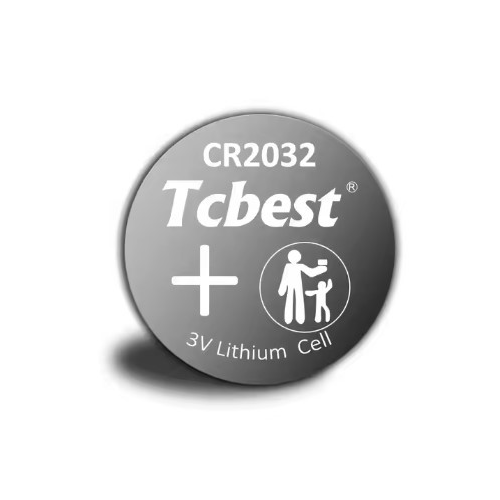
ສຳລັບແຜ່ນກະດານປາທີ່ໃຊ້ LED ພື້ນຖານ ໂດຍມີການເຮັດວຽກຢ່າງຕໍ່ເນື່ອງດ້ວຍສີດຽວ ແລະ ກິນໄຟ 3 ເຖິງ 5 ມີລີແອັມເປີ, ຄວາມຈຸໃນໄລຍະ 180 ເຖິງ 240 mAh ຈະໃຫ້ເວລາການໃຊ້ງານທີ່ເຊື່ອຖືໄດ້ 6 ເຖິງ 12 ຊົ່ວໂມງ ໃນສະພາບອຸນຫະພູມປານກາງ. ລະດັບຄວາມຈຸນີ້ເໝາະສົມກັບການປາທີ່ເຮັດເປັນກິດຈະກຳຍາມວ່າງທົ່ວໄປ ແລະ ມີຄວາມຈຸເຫຼືອເພີ່ມເຕີມເພື່ອໃຊ້ໃນການອອກໄປປາເປັນເວລາດົນ ຫຼື ໃນສະພາບອາກາດທີ່ເຢັນກວ່າ. ມາດຕະຖານ ແບັດເຕີຣີປຸ່ມ ເຊັ່ນ: CR2032 ທີ່ມີຄວາມຈຸ 210 ເຖິງ 240 mAh ແມ່ນເປັນທາງເລືອກທີ່ເໝາະສົມທີ່ສຸດສຳລັບການນຳໃຊ້ນີ້, ເນື່ອງຈາກມັນໃຫ້ຄວາມສົມດຸນທີ່ດີລະຫວ່າງຂະໜາດທີ່ບໍ່ໃຫຍ່, ຄວາມຈຸທີ່ເໝາະສົມ ແລະ ມີໃຫ້ຊື້ຂາຍຢ່າງກວ້າງຂວາງ.
ເຄື່ອງຊີ້ບອກອັດຈະລະຍະສູງທີ່ໃຊ້ເຕັກໂນໂລຢີອີເລັກໂຕຣນິກ ເຊິ່ງປະກອບດ້ວຍລະບົບຊີ້ບອກການກິນແບບບໍ່ມີສາຍ, ການສະແດງຜົນດ້ວຍ LED ສີຫຼາຍສີ ຫຼື ການສ້າງສຽງ ຕ້ອງການຂະໜາດຄວາມຈຸທີ່ສູງຂຶ້ນ ໃນໄລຍະ 300 ເຖິງ 600 mAh ເພື່ອຮອງຮັບການບໍລິໂພກພະລັງງານທີ່ເພີ່ມຂຶ້ນ. ລະບົບທີ່ສັບສົນເຫຼົ່ານີ້ອາດຈະດຶງໄຟໄປໃຊ້ 15 ເຖິງ 30 ມີລີແອັມເປີ ໃນເວລາທີ່ກຳລັງເຮັດວຽກຢ່າງຕື່ນຕົວ, ຈຶ່ງຕ້ອງການວິທີແກ້ໄຂດ້ານຖ່ານສຳລັບເຄື່ອງຊີ້ບອກການປາທີ່ມີຂະໜາດໃຫຍ່ຂຶ້ນ ຫຼື ການຕໍ່ເຊວເຂົ້າຄູ່ກັນ (parallel cell configurations) ເພື່ອບັນລຸເວລາໃຊ້ງານທີ່ເໝາະສົມ. ເມື່ອເລືອກຄວາມຈຸຖ່ານສຳລັບເຄື່ອງຊີ້ບອກອັດຈະລະຍະສູງທີ່ມີຄຸນສົມບັດຫຼາຍ, ຄວນທົບທວນຄຳແນະນຳຈາກຜູ້ຜະລິດຢ່າງລະອຽດເພື່ອຮູ້ເຖິງອາຍຸການໃຊ້ງານທີ່ຄາດໄວ້ ແລະ ເລືອກຖ່ານທີ່ມີຄວາມຈຸສູງກວ່າຄວາມຈຸຕ່ຳສຸດທີ່ແນະນຳຢ່າງໜ້ອຍ 25% ເພື່ອຮັບປະກັນການເຮັດວຽກທີ່ເຊື່ອຖືໄດ້ຕະຫຼອດເວລາທີ່ທ່ານປາໃນແຕ່ລະຄັ້ງ.
ການສ້າງສາງຄວາມຈຸທີ່ເໝາະສົມ
ການນຳໃຊ້ເພື່ອການປ່າທີ່ມືອາຊີບ ແລະ ສະຖານະການການປ່າທີ່ແຂ່ງຂັນ ຕ້ອງການຂໍ້ກຳນົດຄວາມຈຸທີ່ຈະຕັດສິນໃຈຄວາມສ່ຽງຂອງການສູນເສຍພະລັງງານໃນໄລຍະເວລາທີ່ສຳຄັນທີ່ປ່າ. ໃນບໍລິບົດເຫຼົ່ານີ້, ການເລືອກຄວາມຈຸຂອງຖ່ານໄຟສຳລັບເຮືອປ່າທີ່ໃຫ້ຄວາມຈຸເກີນຈາກຄວາມຕ້ອງການຕ່ຳສຸດທີ່ໄດ້ຄຳນວນໄວ້ 50 ຫາ 100% ຈະເປັນການປ້ອງກັນທີ່ມີຄຸນຄ່າຕໍ່ການຍືດເວລາການປ່າທີ່ບໍ່ຄາດຄິດ, ອຸນຫະພູມທີ່ຕ່ຳກວ່າທີ່ຄາດໄວ້, ຫຼື ການໃຊ້ພະລັງງານທີ່ສູງກວ່າປົກກະຕິ. ຖ້າແທ້ຈິງວ່າວິທີການນີ້ຈະເຮັດໃຫ້ຕົ້ນທຶນຂອງຖ່ານໄຟເພີ່ມຂຶ້ນໃນເບື້ອງຕົ້ນ ແລະ ອາດຈະເພີ່ມນ້ຳໜັກໃຫ້ກັບຊຸດເຮືອປ່າຂອງທ່ານເລັກນ້ອຍ, ແຕ່ຜົນປະໂຫຍດດ້ານຄວາມເຊື່ອຖືໄດ້ຂອງການປະຕິບັດງານນັ້ນເກີນຄວາມເສຍເປື່ອຍທີ່ເລັກນ້ອຍເຫຼົ່ານີ້ຢ່າງຫຼວງຫຼາຍ ໃນສະຖານະການທີ່ການລົ້ມເຫຼວຂອງອຸປະກອນອາດຈະສົ່ງຜົນກະທົບຕໍ່ຜົນໄດ້ຮັບໃນການແຂ່ງຂັນ ຫຼື ສູນເສຍໂອກາດທີ່ມີຄຸນຄ່າໃນການປ່າ.
ການຮັກສາສິນຄ້າສຳຮອງຂອງຖ່ານໄຟສຳລັບເບົາທີ່ໃຊ້ໃນການປາດຕ້ອງຮັບປະກັນວ່າອຸປະກອນຈະເຮັດວຽກຢ່າງຕໍ່ເນື່ອງ ເຖິງແມ່ນວ່າຈະເປັນການປາດຕ້ອງທີ່ຍາວນານຫຼາຍມື້ ຫຼື ເມື່ອຖ່ານໄຟຕົ້ນຕໍເສື່ອມສະຫຼາຍກ່ອນທີ່ຈະຄາດຫວັງ. ທ່ານຄິດໄລ່ຄວາມຕ້ອງການທັງໝົດຂອງທ່ານໂດຍການຄູນຄວາມຕ້ອງການຖ່ານໄຟຕໍ່ເບົາໜຶ່ງອັນ ດ້ວຍຈຳນວນເບົາທີ່ທ່ານນຳໃຊ້ປົກກະຕິ ຕໍ່ດ້ວຍຈຳນວນມື້ທີ່ທ່ານວາງແຜນຈະປາດຕ້ອງ ແລ້ວເພີ່ມຄວາມປອດໄພເພີ່ມເຕີມ 25%. ສຳລັບການປາດຕ້ອງ 3 ມື້ ໂດຍໃຊ້ເບົາ 4 ອັນ ໂດຍແຕ່ລະອັນຕ້ອງການຖ່ານໄຟ 240 mAh ຕໍ່ມື້ ທ່ານຈະຕ້ອງການຖ່ານໄຟ 12 ອັນ ບວກກັບຖ່ານໄຟສຳຮອງອີກ 3 ອັນ ເປັນຈຳນວນທັງໝົດ 15 ອັນ. ວິທີການທີ່ເປັນລະບົບນີ້ໃນການວາງແຜນຄວາມຈຸເຮັດໃຫ້ບໍ່ເກີດຄວາມລົ້ມເຫຼວຂອງອຸປະກອນທີ່ເກີດຈາກບັນຫາພະລັງງານ ແລະ ຮັກສາປະສິດທິພາບທີ່ສົມໆເທົ່າກັນຂອງເບົາທັງໝົດໃນ suốtການປາດຕ້ອງທັງໝົດຂອງທ່ານ.
ການປັບປຸງຄວາມຈຸຜ່ານວິທີການນຳໃຊ້
ການນຳໃຊ້ຢຸດທະສາດການຈັດການພະລັງງານ
ການເພີ່ມປະສິດທິພາບຂອງຄວາມຈຸຂອງຖ່ານໄຟຂອງເຫວີຍນ້ຳປາຂອງທ່ານໃຫ້ສູງສຸດ ຕ້ອງໃຊ້ວິທີການໃຊ້ງານທີ່ຫຼຸດຜ່ອນການບໍລິໂພກພະລັງງານທີ່ບໍ່ຈຳເປັນ ໂດຍຍັງຮັກສາຄວາມເປັນຢູ່ຂອງຟັງຊັ່ນທີ່ຈຳເປັນ. ສຳລັບເຫວີຍນ້ຳປາທີ່ມີການຕັ້ງຄ່າຄວາມແສງໄດ້, ການເລືອກລະດັບຄວາມແສງຕ່ຳສຸດທີ່ຍັງຮັກສາຄວາມເຫັນທີ່ພໍເທົ່າທີ່ຈະເຮັດໄດ້ໃນສະພາບການປັດຈຸບັນຈະຊ່ວຍຍືດເວລາໃຊ້ງານໄດ້ຢ່າງຫຼວງຫຼາຍ. ການຫຼຸດຜ່ອນຄວາມແສງຂອງ LED ລົງ 50% ມັກຈະຫຼຸດຜ່ອນການບໍລິໂພກພະລັງງານລົງ 30-40%, ເຊິ່ງອາດຈະເຮັດໃຫ້ອາຍຸການໃຊ້ງານຂອງຖ່ານໄຟຍືດອອກເປັນສອງເທົ່າໂດຍບໍ່ໄດ້ຫຼຸດຜ່ອນຄວາມເຫັນຂອງເຫວີຍນ້ຳປາຢ່າງມີນັກໃນສະຖານະການປາໃນສ່ວນຫຼາຍ. ໃນທາງດຽວກັນ, ການປິດຟັງຊັ່ນທີ່ບໍ່ຈຳເປັນເຊັ່ນ: ສັນຍານເສີງ ຫຼື ຈໍສະແດງ LED ພຶ້ນຖານທີ່ສອງເມື່ອບໍ່ໄດ້ໃຊ້ງານຢ່າງເຕັມທີ່ ຈະຊ່ວຍປະຢັດຄວາມຈຸຂອງຖ່ານໄຟໄວ້ສຳລັບຟັງຊັ່ນຫຼັກ.
ການຈັດການອຸນຫະພູມຍັງເປັນສ່ວນສຳຄັນຫຼາຍໃນການເຮັດໃຫ້ການນຳໃຊ້ຄວາມຈຸຂອງຖ່ານໄຟສຳລັບເບົາແທັກຈັບປາມີປະສິດທິຜົນສູງສຸດ. ການເກັບຖ່ານໄຟສຳຮອງໄວ້ໃນກ່ອງທີ່ມີການຫຸ້ມຫໍ່ດ້ວຍວັດສະດຸກັນຄວາມຮ້ອນ ຫຼື ໃສ່ໄວ້ໃນປີ້ກເສື້ອຈະຊ່ວຍຮັກສາອຸນຫະພູມໃຫ້ຢູ່ໃກ້ກັບຊ່ວງອຸນຫະພູມທີ່ເໝາະສົມທີ່ສຸດສຳລັບການໃຊ້ງານ, ເພື່ອປ້ອງກັນການສູນເສຍຄວາມຈຸທີ່ເກີດຈາກການທີ່ປະສິດທິຜົນຫຼຸດຕຳ່ລົງເນື່ອງຈາກອຸນຫະພູມຕ່ຳ. ເມື່ອທ່ານປ່ຽນຖ່ານໄຟທີ່ໝົດແລ້ວໃນເວລາທີ່ໄປຈັບປາໃນສະພາບອາກາດເຢັນ, ການອົບອຸ່ນຖ່ານໄຟທີ່ຈະນຳໄປຕິດຕັ້ງໃໝ່ຢູ່ໃນຝົ້ມຂອງທ່ານເປັນເວລາສັ້ນໆກ່ອນຈະຕິດຕັ້ງຈະຊ່ວຍໃຫ້ຖ່ານໄຟນັ້ນສາມາດສະເໜີຄວາມຈຸທີ່ໃກ້ຄຽງກັບຄວາມຈຸທີ່ຖືກກຳນົດໄວ້. ວິທີການຈັດການຄວາມຮ້ອນທີ່ງ່າຍດາຍເຫຼົ່ານີ້ສາມາດປັບປຸງຄວາມຈຸທີ່ໃຊ້ງານໄດ້ດີຂຶ້ນ 15 ຫາ 25% ໃນເວລາທີ່ໄປຈັບປາໃນລະດູໜາວ ໂດຍບໍ່ຕ້ອງລົງທຶນເພີ່ມເຕີມໃນອຸປະກອນໃດໆ.
ການຕິດຕາມປະສິດທິພາບຂອງຖ່ານໄຟ ແລະ ເວລາທີ່ເໝາະສົມໃນການປ່ຽນຖ່ານໄຟ
ການຈັດຕັ້ງປະຕິບັດລະບົບການຕິດຕາມຢ່າງເປັນລະບົບຈະຊ່ວຍໃຫ້ທ່ານສາມາດຮູ້ໄດ້ເຖິງເວລາທີ່ຄວາມຈຸຂອງຖ່ານໄຟຂອງເຄື່ອງລອຍນ້ຳໃນການຈັບປາໄດ້ຫຼຸດລົງຈົນເຖິງຈຸດທີ່ຕ້ອງປ່ຽນໃໝ່ ເພື່ອປ້ອງກັນບໍ່ໃຫ້ເກີດຄວາມລົ້ມເຫຼວທີ່ບໍ່ຄາດຄິດຂຶ້ນໃນເວລາທີ່ທ່ານກຳລັງຈັບປາ. ສຳລັບເຄື່ອງລອຍນ້ຳທີ່ມີຕົວຊີ້ວັດຄ່າຄວາມດັນ ຫຼື ຈໍສະແດງສະຖານະຖ່ານໄຟ, ການກວດສອບຄ່າຕົວຊີ້ວັດເບື້ອງຕົ້ນຂອງແຕ່ລະຄັ້ງທີ່ທ່ານອອກໄປຈັບປາຈະເປັນການເຕືອນລ່ວງໆ ກ່ຽວກັບຖ່ານໄຟທີ່ກຳລັງຈະໝົດ. ເມື່ອຄ່າຄວາມດັນຕົກຕ່ຳກວ່າ 90% ຂອງຄ່າທີ່ກຳນົດໄວ້ (nominal rating), ທ່ານຄວນປ່ຽນຖ່ານໄຟທັນທີ ເຖິງແມ່ນວ່າເຄື່ອງລອຍນ້ຳຈະຍັງເຮັດວຽກໄດ້ດີຢູ່ກໍຕາມ, ເນື່ອງຈາກຄວາມຈຸທີ່ເຫຼືອຈະຫຼຸດລົງຢ່າງໄວວາ ແລະ ບໍ່ສາມາດທຳนายໄດ້. ວິທີການປ່ຽນຖ່ານໄຟແບບເປັນການເຕືອນລ່ວງໆນີ້ຈະຮັບປະກັນວ່າເຄື່ອງລອຍນ້ຳຈະເຮັດວຽກໄດ້ຢ່າງເປັນປົກກະຕິ ແລະ ຂັບໄລ່ຄວາມຮູ້ສຶກທີ່ເປັນອຸປະສັກ ຈາກການທີ່ຖ່ານໄຟເສຍການເຮັດວຽກກາງເວລາຈັບປາ ໂດຍເປັນພິເສດໃນເວລາທີ່ທ່ານກຳລັງຈັບປາໄດ້ດີ.
ການຕິດຕາມຮູບແບບການໃຊ້ງານ ແລະ ເວລາທີ່ໃຊ້ງານຈິງ ຈະຊ່ວຍປັບປຸງການເລືອກຄວາມຈຸຂອງຖ່ານໄຟສຳລັບເບົາຫາປາຂອງທ່ານໃນແຕ່ລະຊ່ວງເວລາ. ການຮັກສາບັນທຶກທີ່ງ່າຍດາຍ ໂດຍບັນທຶກວັນທີ່ຕິດຕັ້ງ ເວລາທີ່ໃຊ້ງານປະມານ ແລະ ສະພາບການທີ່ຕ້ອງປ່ຽນຖ່ານໄຟ ຈະເປີດເຜີຍຮູບແບບການໃຊ້ງານຈິງຂອງທ່ານໃນສະພາບການຈັບປາທີ່ແທ້ຈິງ. ຫຼັງຈາກທີ່ທ່ານເກັບຂໍ້ມູນຈາກຫ້າຫາສິບວຟົງຂອງຖ່ານໄຟ ທ່ານຈະສາມາດປະເມີນຢ່າງຖືກຕ້ອງວ່າ ຄວາມຈຸທີ່ທ່ານກຳລັງໃຊ້ຢູ່ນີ້ໃຫ້ເວລາໃຊ້ງານທີ່ເໝາະສົມ ແລະ ມີສ່ວນເຫຼືອທີ່ພໍເທົ່າທີ່ຈະຮັບປະກັນໄດ້ ຫຼື ວ່າທ່ານຄວນປັບປຸງໃຫ້ເປັນຄວາມຈຸທີ່ສູງຂຶ້ນ ຫຼື ຕ່ຳລົງລົງ. ວິທີການທີ່ອີງໃສ່ຂໍ້ມູນຈິງນີ້ຈະຊ່ວຍຂຈາດການທົດສອບແບບສຸ່ມ ແລະ ປັບປຸງການເລືອກຖ່ານໄຟຂອງທ່ານໃຫ້ເໝາະສົມກັບຮູບແບບການຈັບປາຂອງທ່ານ ອຸປະກອນເບົາຫາປາ ແລະ ສະພາບແວດລ້ອມທີ່ທ່ານເຈີໃຊ້ງານເປັນປະຈຳ.
ຄຳຖາມທີ່ຖືກຖາມເລື້ອຍໆ
ຖ້ວຍລອຍປາຄວນໃຊ້ໄດ້ດົນປານໃດໃນການໃຊ້ງານປົກກະຕິ?
ເວລາໃນການໃຊ້ງານຂອງຖ່ານໄຟສຳລັບເຄື່ອງຫຼອຍປາແຕ່ລະຊິ້ນ ຂຶ້ນກັບຄວາມຈຸຂອງຖ່ານໄຟ ແລະ ລັກສະນະການບໍລິໂພກພະລັງງານຂອງເຄື່ອງຫຼອຍປາຂອງທ່ານ. ຖ່ານໄຟລິເທີຽມທີ່ມີຄວາມຈຸ 240 mAh ທີ່ໃຊ້ໃນເຄື່ອງຫຼອຍປາ LED ພື້ນຖານ ທີ່ດຶງໄຟ 5 ມີລີແອັມແປີ (mA) ຈະໃຫ້ເວລາໃຊ້ງານຢ່າງຕໍ່ເນື່ອງປະມານ 48 ຊົ່ວໂມງ ໃນສະພາບການທີ່ເໝາະສົມທີ່ສຸດ. ໃນສະພາບການຈັບປາຈິງ ທີ່ມີການປ່ຽນແປງຂອງອຸນຫະພູມ ແລະ ລັກສະນະການຖ່າຍພະລັງງານທີ່ເກີດຂຶ້ນໃນຊີວິດຈິງ ທ່ານຄາດຫວັງໄດ້ວ່າຈະໄດ້ຮັບເວລາໃຊ້ງານທີ່ເຊື່ອຖືໄດ້ປະມານ 30 ຫາ 40 ຊົ່ວໂມງ. ເຄື່ອງຫຼອຍປາທີ່ມີເຕັກໂນໂລຊີສູງ ແລະ ມີຄຸນສົມບັດບໍ່ມີສາຍ (wireless) ອາດຈະບໍລິໂພກພະລັງງານ 15 ຫາ 30 ມີລີແອັມແປີ (mA) ເຊິ່ງຈະຫຼຸດເວລາໃຊ້ງານລົງເຫຼືອ 8 ຫາ 16 ຊົ່ວໂມງ ຈາກຖ່ານໄຟທີ່ມີຄວາມຈຸເທົ່າກັນ. ທ່ານຄວນເລືອກຖ່ານໄຟທີ່ມີຄວາມຈຸຫຼາຍກວ່າເວລາທີ່ທ່ານຄາດວ່າຈະໄປຈັບປາຢ່າງຍາວທີ່ສຸດຢ່າງໜ້ອຍ 25% ເພື່ອປະຕິບັດກັບປັດໄຈດ້ານສິ່ງແວດລ້ອມ ແລະ ຮັບປະກັນວ່າຈະມີພະລັງງານເຫຼືອເພີ່ມເຕີມທີ່ພໍເທົ່າທີ່ຈຳເປັນ.
ຂ້ອຍສາມາດໃຊ້ຖ່ານໄຟທີ່ສາມາດຊາກໄຟໃໝ່ໄດ້ໃນຖ້ວຍລອຍປາຂອງຂ້ອຍໄດ້ບໍ?
ຖ້າອຸປະກອນຖືກອອກແບບມາເພື່ອຮອງຮັບຄຸນສົມບັດຂອງແບດເຕີຣີ່ທີ່ສາມາດຊາດໄດ້ໃໝ່ ແລະ ມີຂະໜາດທາງຮ່າງກາຍທີ່ແຕກຕ່າງກັນເລັກນ້ອຍ, ແບດເຕີຣີ່ທີ່ສາມາດຊາດໄດ້ໃໝ່ຈະສາມາດນຳໃຊ້ໄດ້ໃນເຄື່ອງຫຼິ້ນທີ່ໃຊ້ໃນການປາກິນ. ແບດເຕີຣີ່ລິເທີຽມ-ອີອົນທີ່ສາມາດຊາດໄດ້ໃໝ່ມາດຕະຖານໃຫ້ຄ່າໂວລເຕດທີ່ເປັນປົກກະຕິ 3.7 ໂວລຕ໌ ເທື່ອງກັບ 3.0 ໂວລຕ໌ ສຳລັບແບດເຕີຣີ່ລິເທີຽມທີ່ບໍ່ສາມາດຊາດໄດ້ໃໝ່, ເຊິ່ງອາດຈະມີຜົນຕໍ່ຄວາມເຂົ້າກັນໄດ້ກັບເອເລັກໂຕຣນິກຂອງເຄື່ອງຫຼິ້ນທີ່ອອກແບບມາສຳລັບໄວລະດັບໂວລເຕດທີ່ເປັນເອກະລັກ. ແບດເຕີຣີ່ນິເຄິວ-ເມທາລ໌-ຮີໄດຣດທີ່ສາມາດຊາດໄດ້ໃໝ່ໃຫ້ຄ່າ 1.2 ໂວລຕ໌ ເທື່ອງກັບ 1.5 ໂວລຕ໌ ສຳລັບແບດເຕີຣີ່ອາລູມິເນີ້ມທີ່ບໍ່ສາມາດຊາດໄດ້ໃໝ່, ເຊິ່ງອາດຈະເຮັດໃຫ້ເກີດບັນຫາດ້ານປະສິດທິພາບໃນການນຳໃຊ້ທີ່ອາດຈະມີຄວາມອ່ອນໄສຕໍ່ໂວລເຕດ. ນອກຈາກນີ້, ແບດເຕີຣີ່ທີ່ສາມາດຊາດໄດ້ໃໝ່ທົ່ວໄປຈະມີຄວາມຈຸທີ່ຕ່ຳກວ່າໃນຂະໜາດທາງຮ່າງກາຍທີ່ຄ້າຍຄືກັນ ແລະ ມີອັດຕາການສູນເສຍພະລັງງານເອງທີ່ໄວຂຶ້ນ. ສຳລັບການນຳໃຊ້ທີ່ສຳຄັນໃນການປາກິນ, ແບດເຕີຣີ່ທີ່ເປັນປະຖົມສຳລັບເຄື່ອງຫຼິ້ນທີ່ໃຊ້ໃນການປາກິນມັກຈະໃຫ້ຄວາມເຊື່ອຖືໄດ້ດີກວ່າ, ແຕ່ວິທີແກ້ໄຂທີ່ສາມາດຊາດໄດ້ໃໝ່ອາດຈະໃຫ້ປະໂຫຍດດ້ານເສດຖະກິດສຳລັບຜູ້ໃຊ້ທີ່ນຳໃຊ້ຢ່າງເປັນປະຈຳ ແລະ ປາກິນຫຼາຍຄັ້ງຕໍ່ອາທິດ ແລະ ສາມາດຈັດການກັບຂະບວນການຊາດໄດ້ໃໝ່ໄດ້.
ອາກາດເຢັນຈະສົ່ງຜົນຕໍ່ຄວາມຈຸຂອງຖ່ານໄຟຂອງເບົາແທັກຈັບປາຢ່າງມີນັກຫຼາຍຫຼືບໍ່?
ອຸນຫະພູມຕ່ຳຈະສົ່ງຜົນຕໍ່ຄວາມຈຸແບດເຕີຣີ່ຂອງເຄື່ອງກວດຈັບປາ ແລະ ຄວາມສາມາດໃນການເຮັດວຽກຢ່າງຫຼວງຫຼາຍ, ໂດຍຜົນກະທົບຈະເລີ່ມຊັດເຈນເມື່ອອຸນຫະພູມຕ່ຳກວ່າຫ້າສິບອົງສາເຟີເຣນໄຮດ໌ ແລະ ຈະຮຸນແຮງຫຼາຍຂຶ້ນເມື່ອອຸນຫະພູມຕ່ຳກວ່າຈຸດເຢັນ. ເຊວເຊວລິເທີ່ມ (Lithium) ມີຄວາມສາມາດໃນການເຮັດວຽກທີ່ດີກວ່າເຊວເຊວອັລຄາລີນ (alkaline) ໃນສະພາບອຸນຫະພູມຕ່ຳ, ແຕ່ກໍຍັງມີການຫຼຸດລົງຂອງຄວາມຈຸ 20-30% ໃນອຸນຫະພູມ 32 ອົງສາເຟີເຣນໄຮດ໌, ແລະ ຫຼຸດລົງເຖິງ 40-50% ໃນອຸນຫະພູມ 0 ອົງສາເຟີເຣນໄຮດ໌. ການຫຼຸດລົງນີ້ເກີດຂຶ້ນເນື່ອງຈາກອຸນຫະພູມຕ່ຳຈະຊ້າລົງການປະຕິກິລິຍາເຄມີທີ່ຜະລິດປະຈຸລີໄຟຟ້າ, ເຮັດໃຫ້ສ່ວນໜຶ່ງຂອງຄວາມຈຸທີ່ເກັບໄວ້ບໍ່ສາມາດໃຊ້ງານໄດ້ຊົ່ວຄາວ. ການຫຼຸດລົງຂອງຄວາມຈຸນີ້ສາມາດກູ້ຄືນໄດ້ເຖິງແມ່ນຈະບໍ່ທັງໝົດເມື່ອອຸນຫະພູມເພີ່ມຂຶ້ນ, ໝາຍຄວາມວ່າແບດເຕີຣີ່ຂອງເຄື່ອງກວດຈັບປາທີ່ເບິ່ງຄືວ່າເຕັມໄປດ້ວຍພະລັງງານໃນສະພາບອຸນຫະພູມຕ່ຳອາດຈະກູ້ຄືນຄວາມສາມາດໃນການເຮັດວຽກໄດ້ບາງສ່ວນເມື່ອນຳໄປຢູ່ໃນອຸນຫະພູມຫ້ອງ. ສຳລັບການຈັບປາໃນສະພາບອຸນຫະພູມຕ່ຳຢ່າງຕໍ່ເນື່ອງ, ທ່ານຄວນເລືອກແບດເຕີຣີ່ທີ່ມີຄວາມຈຸສູງຂຶ້ນ 30-50% ຈາກຄວາມຕ້ອງການທີ່ທ່ານໄດ້ຄຳນວນໄວ້ເພື່ອຊົດເຊີຍການຫຼຸດລົງຂອງຄວາມສາມາດເນື່ອງຈາກອຸນຫະພູມ.
ເກີດຫຍັງຂຶ້ນຖ້າຂ້ອຍໃຊ້ຖ່ານໄຟສຳລັບເຄື່ອງກວດຈັບປາທີ່ມີຄວາມຈຸບໍ່ພຽງພໍ?
ການໃຊ້ຖ່ານໄຟທີ່ຕິດຕັ້ງຢູ່ໃນເບົາປະຫວ່າດີ່ມີຄວາມຈຸບໍ່ພຽງພໍ ຈະເຮັດໃຫ້ພະລັງງານຫຼຸດລົງຢ່າງໄວວ່າໃນເວລາທີ່ທ່ານກຳລັງປາ, ເຊິ່ງອາດຈະເຮັດໃຫ້ທ່ານພາດການສັງເກດສັນຍານການກິນເຫຍື່ອຂອງປາ ຫຼື ສູນເສຍຄວາມຊັດເຈນຂອງຕຳແໜ່ງເບົາປະຫວ່າດີ່ໃນເວລາທີ່ປາກຳລັງກິນເຫຍື່ອຢ່າງເຂັ້ມແຂງ. ເມື່ອຄວາມຈຸຫຼຸດລົງ ຄ່າຄວາມຕ້ານທີ່ສ້າງຂຶ້ນຈະຫຼຸດລົງ ແລະ ຄວາມສະຫວ່າງຂອງ LED ກໍຈະຈືດລົງ ເຮັດໃຫ້ເບົາປະຫວ່າດີ່ເຫັນໄດ້ຍາກຂຶ້ນ ແລະ ອາດຈະສົ່ງຜົນຕໍ່ການເຮັດວຽກຂອງອຸປະກອນເອເລັກໂຕຣນິກໃນເບົາປະຫວ່າດີ່ທີ່ມີຄວາມອ່ອນໄຫວຕໍ່ຄ່າຄວາມຕ້ານ. ການໃຊ້ຖ່ານໄຟຈົນເຖິງຈຸດຕ່ຳສຸດຢ່າງຕໍ່ເນື່ອງຍັງອາດຈະເຮັດໃຫ້ເກີດຄວາມເສຍຫາຍຕໍ່ບາງແບບຂອງເບົາປະຫວ່າດີ່ເອເລັກໂຕຣນິກທີ່ບໍ່ມີວົງຈອນປ້ອງກັນຄວາມຕ້ານຕ່ຳ. ນອກຈາກຜົນກະທົບຕໍ່ການໃຊ້ງານທີ່ເກີດຂື້ນທັນທີ ຄວາມຈຸທີ່ບໍ່ພຽງພໍຍັງເຮັດໃຫ້ທ່ານຕ້ອງປ່ຽນຖ່ານໄຟເລື້ອຍໆ ເຊິ່ງເພີ່ມຕົ້ນຄ່າໃນໄລຍະຍາວ ແລະ ສ້າງຂີ້ເຫຍື້ອທີ່ເປັນອັນຕະລາຍຕໍ່ສິ່ງແວດລ້ອມ. ການເລືອກຄວາມຈຸຖ່ານໄຟທີ່ເໝາະສົມສຳລັບເບົາປະຫວ່າດີ່ ໂດຍໃຫ້ຄວາມຈຸຫຼາຍກວ່າຄວາມຕ້ອງການທີ່ແທ້ຈິງຂອງທ່ານຢ່າງເປັນກັບເປັນກັບ ຈະຮັບປະກັນການເຮັດວຽກທີ່ເຊື່ອຖືໄດ້ ລົດຈຳນວນຄັ້ງທີ່ຕ້ອງປ່ຽນຖ່ານໄຟ ແລະ ໃຫ້ຄວາມສະດວກສະບາຍໃຈວ່າອຸປະກອນຂອງທ່ານຈະເຮັດວຽກໄດ້ຢ່າງຕໍ່ເນື່ອງ ເຖິງແມ່ນວ່າຈະເປັນເວລາປາທີ່ຍາວນານ ຫຼື ຍາວກວ່າທີ່ຄາດໄວ້.