
 EN
EN
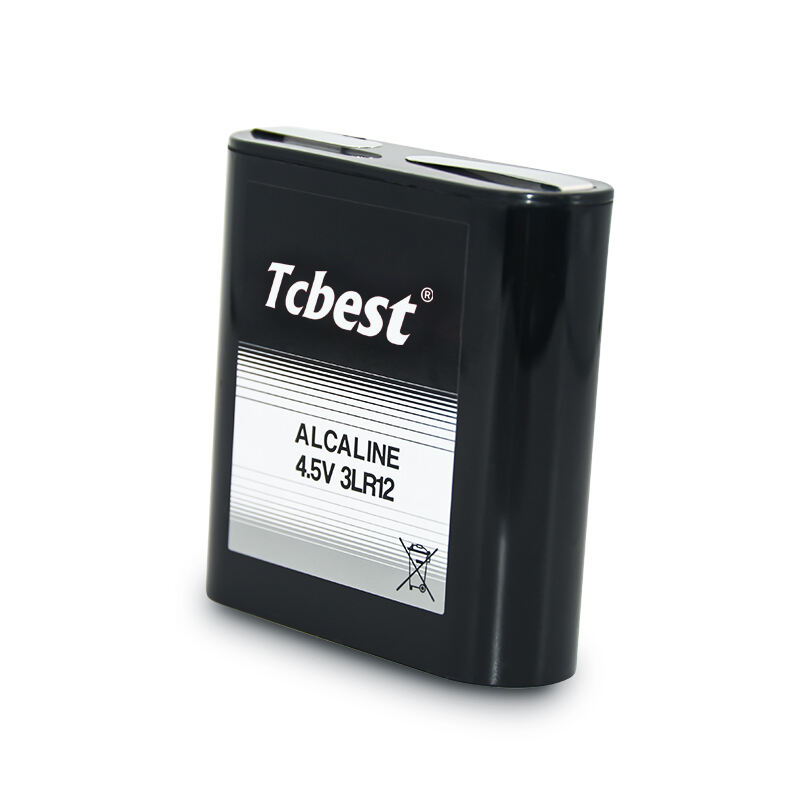
Шүлтлэг батарей нь цинк-нүүрс батарейн цинк-аммоний хлорид эсвэл цинк-хлоридын хүчлийн электролитын оронд калийн гидроксид шүлтлэг электролит ашигладаг анхдагч батарейн нэг төрөл юм. Электролитын найрсгын үндэсний ялгаа нь шүлтлэг батарейд тодорхой үзүүрлүүд өгдөг бөөн батарейн технологийн нэг бөөн хэрэглээний ба үйлдвэрлэлийн хэрэглээнд өнөөдөр хамгийн өргөн тархаж буй технологийн нэг бөөн батарейн төрөл болгож өгдөг.
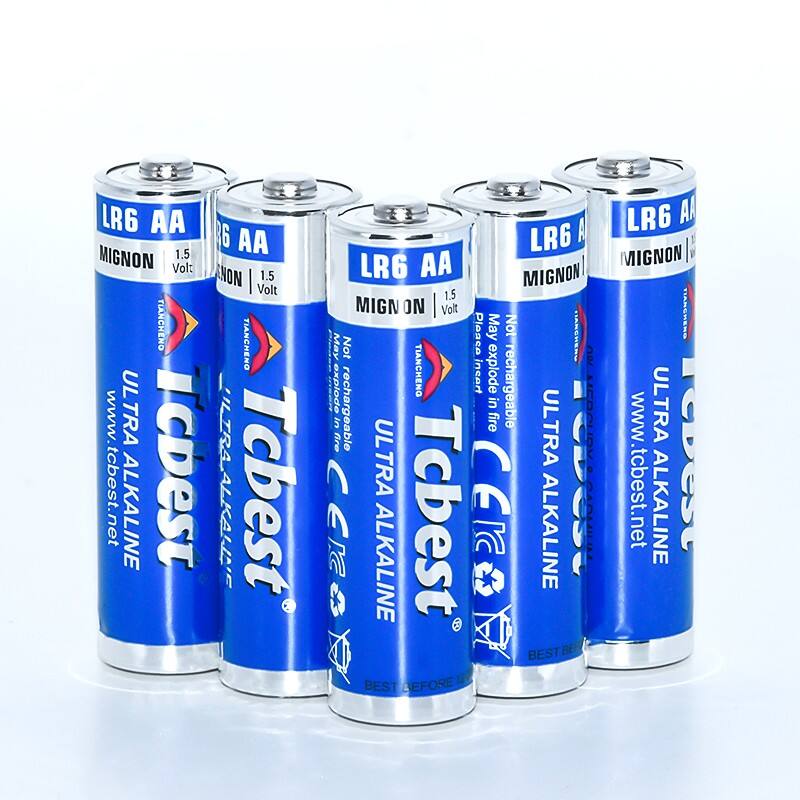
Щелочин батарейн ажиллах зарчим нь цинк ба манганы диоксидын хоорондын цахилгаан-химийн урвалд үндэслэн оршит. Энэ урвал цахилгаан энергийг нөгөө туйлнаас бүүр туйл руу электронуудын хөдөлгөөн дамжин үүсгэд, үүнээс үүдсэн надёжны чадвар бүхий цахилгааны үүсгүүр нь хөдөлмүүр электроник төхөөрөмжүүд болон тоолшгүй олон индустриал хэрэглээсийн салбарт хувьсгалын үүрэг гүйцэтгэж иржээ. Щелочин батарейн ажиллах зарчмыг ойлгох нь түүний зурагт хяналтын төхөөрөмжүүд, аварга хэрэгслийн төхөөрөмжүүд гэх мэт бүх зүйлсийг хүчдүүлэх стандарт сонголт болж хувиргаж иржээ.
Үндсэн бүрдүүлэгч хэсгүүд ба химийн бүтэц
Щелочин батарейн бүтэцтүүдийн шаардлагатай элементүүд
Алькалин батарей нь эрчим хүч үйлдвэрлэхэд хамтран ажилладаг 5 чухал бүрэлдэхүүн хэсгийг агуулдаг. Анод нь нунтаг цинк металлтай, сөрөг электродын үүрэг гүйцэтгэж, цахилгаан замын процессын үеэр электронуудын эх үүсвэрийг бүрдүүлдэг. Цахилгаан эргэлтийг бүрэн дүүргэхэд электроныг хүлээн авдаг эерэг электродыг бүрдүүлэх нүүрсний хартай холигдсон манган диоксидээс хийлгэсэн катод.
Алкалийн электролит, ихэвчлэн калий гидроксидын бодис нь анод болон катодын хооронд ионы хөдөлгөөнийг хөнгөвчлөх ба цаашид эрчим хүчний үйлдвэрлэлийн тулд шаардлагатай химийн орчныг хадгалах. Ихэвчлэн хувцас эсвэл цааснаас хийгдсэн хуваагч материал нь анод, катодын хоорондын шууд холбоог сааруулахын зэрэгцээ ион тээврийг зөвшөөрдөг. Төмрийн корпус нь бүтцийн бүрэн бүтэн байдлыг хангаж, сөрөг терминалын үүрэг гүйцэтгэдэг бол эерэг терминалын хаалганых нь цахилгаан холболт дуусдаг.
Химийн найрлага ба материал шинж чанар
Щелочин батарейн дотор ашиглагдаж буй цинкийн порош нь гадаргуугийн талбайг ба идэвхтүүнийг хамгийн их бүтээмжтэй хийх зорилгоор тодорхой бүтэцтэй бүтээгдсэн. Энэ цинк нь ихэвчлэн хортой бөөрөнхий, эсвэл бусад металлуудын жижиг хэмжээний холимогт ормуйн коррозион ба хийн үүсэлтийг саатуулдаг. Гэтэл орчин үеийн щелочин батарейнууд экологийн аюулд холбоотойн улмаас бөөрөнхийн агууламжийг ихэвчлэн бүтнэд нь ариутгаж буй.
Манган-диоксид щелочин батарейн системд исэлдүүлэгч агент болойн үүрэг гүйцэтгэдаг, мөн түүний кристалл бүтэц батарейн ажиллах чанарыг шууд нөлөөлдаг. Катодын холимогт хар нүүрс нэмж өгөх нь цахилгаан дамжуулалтыг сайжруулдаг, мөн электрохимийн урвалын гадаргуугийн талбайг нэмж өгдаг. Калийн гидроксид электролит нь урвалын кинетик хурдыг оптимизацийн зорилгоор тохиромжтой pH түвшинд хадгалдаг, мөн батарейн ажиллах температур диапазонд онцгой онцлогтой ион дамжуулалтыг хангаж буй.
Электрохимийн урвалын процесс
Үндсэн разрядын урвалын механизм
Щелочин батарейн үндесний ажиллах зарчим нь анод дээр цинкын исэлдэлтээс эхэлдэг, үүнд цинкын металл электрон алдаж, щелочин электролитын нөхцөлд цинк гидроксид үүсгэндэг. Энэ урвалыг Zn + 2OH⁻ → Zn(OH)₂ + 2e⁻ гэж бичиж болох бөгөөд, хэрэглэгдсэн цинк атом бүрт хоёр электрон чөлөөлөдөг. Эдгээр электронууд гадаад хэлхээд дамжин урсаж, холбогдсон төхөөрөмжүүдийг хүчдэлтүүрдүүлдэг электрическийн гүйдлийг үүсгэндэг.
Катод дээр манган диоксид гадаад хэлхээд дамжин ирсэн электронуудыг хүлээн авж сунгагддэг. Щелочин нөхцөлд 2MnO₂ + 2NH₄Cl + 2e⁻ → Mn₂O₃ + 2NH₃ + H₂O + 2Cl⁻ урвал явбодох бөгөөд, тодорхой урвалын зам нь разрядын нөхцөл ба батарейн дизайн-д хамаарч өөрчлөгдөж болох бөгөөд. Энэ сунгагддэг урвал электрическийн хэлхээг бүтэн дуусгаж, тасралтгүй гүйдлийн урсгалыг хангаж өгдэг.
Ионуудын зөөлт ба электролитын үүрэг
Шүлтэд суурилга батарейн доторх цэнгэлийн төвтөн байдалд хадгалж, гидроксид ионуудын катодоос анод руу шилжихийг хялбарчилж чухал үүрэг гүйцэтгэнэ. Электронууд гадаад хэлхээн дамжин урсаж буй үед гидроксид ионууд цэнгэл тэнцвэрт байхын тулд электролитын дотроор нүүдлүүд хийнэ, үүнээс электрохимийн урвалууд зогсохгүй үргэлжлүүд.
Калийн гидроксид электролитын өндөр дамжуулалт нь ионуудын хурдан шилжилтийг хангаж, шүлтэд суурилга батарейн шаардлагатай үед өндөр гүйдэл үүрдүүлж чадах чадварыг шууд дэмжинэ. Энэ электролит нь дисхарж бүх циклын ихэнх хэсгт тогтвортой хүчдэл гаргахад туслах бүрдүүлүүд, электрон төхөөрөмжүүдэд тогтвортой хүчдэл хүртүүлж чадах бүрдүүлүүд. Шүлтэд орчин нь батарейн бүтцэд хохироо учруулж эсвэл хугацааны дунд хүчинтүүлүүд бууруулж чадах коррозив бүтээдсүүдийн үүсэлд саад тавина.
Ажиллах онцлог шинжүүд ба ажиллах зарчим
Хүчдэл гаргах ба энергийн нягт
Щелочин батарей нь ихэвчлэн нүүрлүүн хүчдэл 1,5 вольт/нүүрлүүн гүйцэтгэдэг, ялгаатай төхөөрөмжүүдийн хувьд батарейн ажилласан цагаас хойш хүчдэл удаан хугацаанд тогтвортой үлддэг, батарейн ажилласан цаг дуусах үед хүчдэл хурдан буурдэг. Энэ хүчдэлийн тогтвортой байдал нь цифровын камерууд, гэрэлтүүрүүд, электрон хэмжүүр төхөөрөмжүүд зэрэг тогтвортой хүчдэл шаарддаг төхөөрөмжүүдийн хувьд щелочин батарейг үлдээхүүн сонголт болгодэг.
Щелочин батарейн энергийн нягт цинк-нүүрлүүн батарейнхүүснээс илүү их бөлүүн, ихэвчлэн нэгж эзлэхүүн дэх энергийн хэмжээ нь 2,5–3 дахин илүү бөлүүн. Энэ сайжрангүй энергийн нягт нь щелочин электролит ба сонгож авсан электродын материалуудын тусламжтайгаар илүү үр дүнтэй электрохимийн урвалуудаас үүсдэг. Орчин үеийн алкалини Батарей загварууд стандарт AA хэмжээт батарейн хувьд 2000–3000 миллиампер-цаг багтаамж хадгалдэг.
Температурт үзүүлэлт ба орчинд нөлөөлөх хүчин зүйлс
Щелочин батарейн ажиллах чадвар температурт хүчтэй хамаардаг, хамгийн тохиромжтой ажиллах дулааны завсар 20°C–25°C хооронд байдаг. Дулааны түвшин бүүр доод түвшинд бууралдаа, электрохимийн урвалын хурд замархай бавтаж, батарейн ашиглаж болох багтаамж ба гүйдлийн үүрдүүлэх чадвар бүүр бууралдаа. Гэтэд, щелочин батарейн хүйтэнд ажиллах чадвар цинк-нүүрст батарейн хувилбаруудаас илүү сайн бөгсөд, түүнд гадаа ажиллах хэрэглээ ба хүйтэн нөөцлөх орчинд ашиглах тохиромжтой.
Дулааны түвшин өндөр бүүр урвалын зөөрүүлэх хурдыг нэмэгдүүлж, батарейн өөрөө разрядлагдаж буй хурдыг нэмэгдүүлж, батарейн нийт ажиллах хугацааг бүүр бууралдаа. Щелочин электролит нь температурт хамааран үүсэх ажиллах чадварын хэлбэлзлийг зогсоож, хүчлэд электролит системүүдтэй харьцуулж үүрдүүлэх дулааны түвшний хүрээ илүү өргөн бөгсөд тогтвортой ажиллах чадварыг хангаж өгдөг. Батарейг -10°C–25°C хооронд тохиромжтой нөөцлөх нөхцөлд хадгалж, щелочин батарейн хадгалалтын хугацааг максимум хүртэл уртасгаж, ажиллах чадварын хамгийн тохиромжтой шинж чанарыг хадгалж өгдөг.
Хэрэглээ ба практик үзүүлэлтүүд
Төхөөрөмжүүдтэй нийцүүлэх болон ашиглалтын сценарийн
Щелочин батарейнууд нь тогтмол хүчдэл үүсгэх шаардлагатай дунд зэрэг доошоо хүчдэл хэрэглэдэг хэрэглээний салбаруудад онцгой сайн үр дүн үзүүлдэг. Цифров камерууд нь галавын ажиллах үед ба зураг боловсруулах үед щелочин батарейнуудын өндөр гүйдэл үүсгэх чадвараас ашиг олж, хөндлөн зүүрт радионы хүчдэл тогтмол байхын тулд тод хүлээн авалт ба дуу чанарын тулд тулдзургаар ажилладаг. Онцгой нөхцөлд ашиглаж буй галавууд ба аюулгүй бүсгүйн төхөөрөмжүүд нь щелочин батарейнуудын урт хадгалалт ба найдвартай ажиллах чадвараас хамаардаг.
Ханын цаг, зайнаас уламжлалт хяналтын төхөөрөмж, дымны илрүүлэгч зэрэг бага хүч хэрэглэдэг төхөөрөмжүүд нь алюминий батарейн дээр урт хугацааны ажиллах чадвартай, ихэвчлэн хэрэглээний хувьд хэдэн сар, хүртэл жилүүд үргэлжилдэг. Алюминий батарейн дээрх давуу тал — өндөр энергийн нягт нь түүнийг зинк-нүүрсний орлуулалтаас илүү үнэтэй бөлгөөн гэсэн анхны үнэд нь харин түүнийг төхөөрөмжүүдийн хувьд үр дүнтэй хийдэг. Үйлдвэрлэлд алюминий батарейн дээрх төхөөрөмжүүд, урт хугацааны ажиллах шаардлагатай хэмжилтийн ба хяналтын төхөөрөмжүүдийн хувьд тодорхой заалт өгдөг.
Хадгалах болон ашиглахын дээд арга зүй
Зөв хадгалалт алюминий батарейн ажиллах чадвар ба үйлдлийн хугацаанд их нөлөө үзүүлдэг, түүнд хамгийн чухал хүчин зүйл — температурт хяналт тавих. Алюминий батарейг хүйтэн, хуурай орчинд хадгалах нь өөрөөсөө цэнхэрдэх хурдыг багасгаж, батарейн багтаамжийг бууруулж болзошгүй электролитын деградацийг саархуулдэг. Халуун ба хүйтэн хүчтэр хүчтэр температурт хадгалахыг зайлшгүй залгүүрдэг, ийнхүү алюминий электролитын ба электродын материалын химийн тогтвортой байдлыг хадгалдэг.
Урт хугацааны ашиглалт нь бүх төрлийн төхөөрөмжүүдээс шүүрэл үүсгэх аюултай тул, урт хугацааны ашиглалт нь бүх төрлийн төхөөрөмжүүдээс шүүрэл үүсгэх аюултай тул, урт хугацааны ашиглалт нь бүх төрлийн төхөөрөмжүүдээс шүүрэл үүсгэх аюултай тул, урт хугацааны ашиглалт нь бүх төрлийн төхөөрөмжүүдээс шүүрэл үүсгэх аюултай тул, урт хугацааны ашиглалт нь бүх төрлийн төхөөрөмжүүдээс шүүрэл үүсгэх аюултай тул, урт хугацааны ашиглалт нь бүх төрлийн төхөөрөмжүүдээс шүүрэл үүсгэх аюултай тул, урт хугацааны ашиглалт нь бүх төрлийн төхөөрөмжүүдээс шүүрэл үүсгэх аюултай тул, урт хугацааны ашиглалт нь бүх төрлийн төхөөрөмжүүдээс шүүрэл үүсгэх аюултай тул, урт хугацааны ашиглалт нь бүх төрлийн төхөөрөмжүүдээс шүүрэл үүсгэх аюултай тул, урт хугацааны ашиглалт нь бүх төрлийн төхөөрөмжүүд......
Түүнчлэн асууж болох асуултууд
Щелочнй батарейнууд хадгалах үед хэдэн жил үлдмүү?
Щелочнй батарейнууд нь гайхамшгийн урт хадгалалтын хугацаатай бөгөөд, тасралтгүй хадгалалт үед 5 жилийн дараа анхны чадалын 85–90% -ийг хадгалж чадмүү. Щелочнй электролитын систем нь бусад батарейн химийн найрлагуудтай харьцуулж үлдмүүн шүүрэл хурдын түвшин бүх төрлийн батарейн химийн найрлагуудтай харьцуулж үлдмүүн шүүрэл хурдын түвшин бүх төрлийн батарейн химийн найрлагуудтай харьцуулж үлдмүүн шүүрэл хурдын түвшин бүх төрлийн батарейн химийн найрлагуудтай харьцуулж үлдмүүн шүүрэл хурдын түвшин бүх төрлийн батарейн химийн найрлагуудтай харьцуулж үлдмүүн шүүрэл хурдын түвшин бүх төрлийн батарейн химийн найрлагуудтай харьцуулж үлдмүүн шүүрэл хурдын түвшин бүх төрлийн батарейн химийн найрлагуудтай харьцуулж үлдмүүн шүүрэл хурдын түвшин бүх төрлийн батарейн химийн найрлагуудтай харьцуулж үлдмүүн шүүрэл хурдын түвшин бүх төрлийн батарейн химийн найрлагуудтай харьцуулж үлдмүүн шүүрэл хурдын түвшин бүх төрлийн батарейн химийн найрлагуудтай харьцуулж үлдмүүн шүүрэл хурдын түвшин бүх төрлийн батарейн химийн найрлагуудтай харьцуулж үлдмүүн шүүрэл хурдын түвшин б......
Щелочин батарейнуудыг аюулгүй дахин цэнгүүлж болох уу?
Стандарт щелочин батарейнууд нь анхны гальваник элементүүд гэж зохиомжилсон бөгөөд түүн дээрх электрохимийн урвалыг урвуулахыг оролдож, хийн цуглуулалт, электролитын зүүдлэл, мөн батарейн дурсаалт үүсгэж болох учир дахин цэнгүүлж болмуйн.
Щелочин батарейнууд яагаад зүүдлэд? Түүнийг хэрхэн саархуулж болох?
Щелочин батарейн зуурхай нь ихэвчлэн батарейг хэтрүүлж унтрааж, өндөр температурт хадгалж, эсвэл цэнзгүйдсний дараа төхөөрөмжид урт хугацааны турш үлдээж байх үед үүсдүг. Щелочин электролит нь гангаас хийснүүр хайлах юм уу салгагч материалд нүх үүсгэж, калийн гидроксидын гарахыг зөвшөөрдүг. Урьдчилан саархуулалт нь щелочин батарейг урт хугацааны турш ашиглаж нехүүлж байх үед төхөөрөмжидснүүр гаргаж хаях, төхөөрөмжид «батарей сул» гэж зааж буй үед батарейг солих замаар хэтрүүлж унтрааж нехүүлж байх, мөн батарейг тохиромжтой температурт хадгалахыг ормууд.
Яагаад щелочин батарейн ажиллах чадвар цинк-нүүрс батарейнаас илүү?
Щелочнйн батарейнууд цинк-нүүрсөд батарейнуудаас илүү ажилладаг, учир нь тэднүүдийн дээрх электролитын систем ба сонгож хийсэн электродын дизайн бүтэцтүүд. Щелочнйн электролит ионийн дамжуулалтыг сайжруулж, илүү үр дүнтэй электрохимийн урвалуудыг хангаж, үүн дотор өндөр энергийн нягт, тогтвортой хүчдэл гаралт, өндөр гүйдлийн ачаалалд илүү сайн ажиллах чадвар орж, түүн дотор батарейн хувьсагчидыг газардуулж, коррозион бүтээдсүүдийн үүсэлд саад тавих щелочнйн орчин батарейн үйлдлийн хугацааг уртасгаж, өргөн хүрээний хэрэглээ болон орчин нөхцөлд илүү найдвартай ажиллах чадварыг хангаж.