
 EN
EN
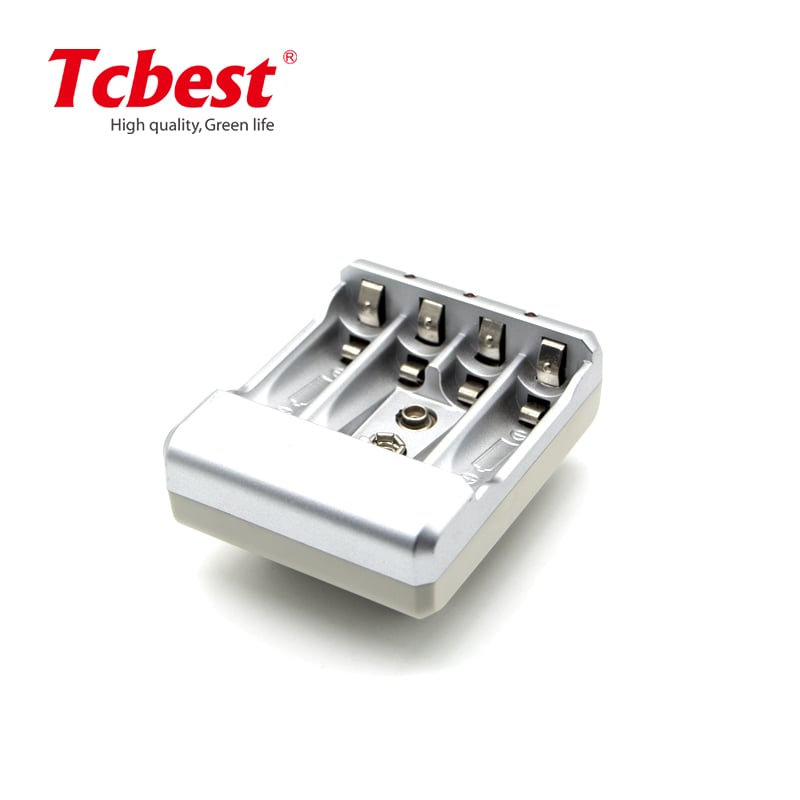
The relationship between a battery charger and battery performance is far more complex than most users realize. A battery charger is not merely a passive device that transfers electrical energy; it actively influences how your battery functions, ages, and ultimately performs over its entire lifespan. The quality, charging speed, voltage regulation, and temperature management capabilities of your battery charger determine whether your batteries operate at peak efficiency or gradually degrade over months and years.

Understanding how a battery charger affects battery chemistry, thermal conditions, and cycle longevity is essential for anyone managing critical power systems, industrial equipment, or consumer electronics. This article explores the mechanisms through which charging systems influence battery behavior, the common pitfalls that accelerate battery degradation, and practical strategies to maximize both performance and lifespan through intelligent charging practices.
How Battery Charger Design Influences Charging Efficiency
Voltage Regulation and Current Control
A battery charger's ability to regulate voltage and control current directly shapes how efficiently energy enters the battery cells. When a battery charger fails to maintain stable voltage levels, batteries experience stress that accelerates internal chemical reactions and causes irreversible damage. Modern charging systems employ sophisticated feedback loops to ensure that a battery charger delivers precisely calibrated voltage and current profiles matched to the specific battery chemistry and capacity.
Lithium-ion, lead-acid, nickel-metal hydride, and alkaline batteries each require different charging protocols. A battery charger designed for one chemistry may overstress or undercharge another type, leading to reduced capacity and shortened service life. The most effective battery charger implementations include multiple charging stages, starting with a constant-current phase that gradually transitions to constant-voltage charging as the battery approaches full capacity.
Thermal Management During Charging
Heat generation is one of the most damaging aspects of battery charging that a battery charger must control. Every battery charger produces heat through internal resistance and energy conversion, and this thermal energy directly transfers into the battery pack. Elevated temperatures accelerate chemical degradation inside battery cells, reducing cycle life significantly and potentially creating safety hazards in extreme cases.
Advanced battery charger designs incorporate temperature monitoring, thermal sensors, and dynamic charging rate adjustment to keep battery temperatures within safe operating ranges. A battery charger that actively manages heat extends battery lifespan by as much as twenty to thirty percent compared to basic charging systems that ignore temperature feedback. This thermal control becomes even more critical in industrial environments or outdoor equipment where ambient temperatures are already elevated.
Battery Charger Performance Impact on Battery Cycle Life
Charging Speed and Degradation Trade-offs
The charging speed your battery charger delivers involves direct trade-offs with long-term battery health. Fast-charging battery charger systems reduce downtime and improve operational convenience, but they force higher current densities through battery electrodes, accelerating internal stress and chemical side reactions. Slower charging allows battery chemistry to equilibrate more gradually, preserving electrode structures and electrolyte stability over many more cycles.
When a battery charger applies excessive current, lithium ions in lithium-ion batteries cannot intercalate uniformly into graphite anodes, creating localized plating and dendrite formation that damages internal structures. A well-designed battery charger balances charging speed with preservation, offering multiple charging modes so users can choose fast charging when urgency demands it, while switching to gentle charging during periods when battery longevity takes priority.
Depth of Discharge and Recharge Patterns
The interaction between a battery charger's charging profile and the depth of discharge creates cumulative effects on battery lifespan. A battery charger that charges to one hundred percent state of charge repeatedly exposes battery materials to the most electrochemically aggressive conditions, where ion concentration gradients are steepest and oxidative stress is highest. Batteries charged to eighty or ninety percent state of charge by a battery charger with this capability experience substantially less stress per cycle.
Industrial battery charger systems increasingly include programmable maximum charge limits that a battery charger can enforce automatically. This feature allows facility managers to optimize a battery charger's behavior for different operational scenarios. A battery charger that respects these partial-charge patterns, combined with consistent shallow discharge cycles, can extend battery lifespan from three to five years to a full decade or more in many applications.
Best Practices for Maximizing Battery Performance Through Charger Selection
Matching Charger Specifications to Battery Requirements
Selecting the correct battery charger for your specific battery type and application is fundamental to maintaining performance over time. Every battery charger should be matched to the battery's chemistry, nominal voltage, capacity in amp-hours, and intended duty cycle. A mismatched battery charger can deliver the wrong voltage, causing overcharging that damages battery plates or separators, or insufficient voltage that leaves batteries in a chronically undercharged state.
Professional battery charger selection considers not just basic electrical compatibility but also the charging algorithm the battery charger employs. Premium battery charger technologies include microprocessor control, adaptive charging curves that adjust based on battery temperature and state of charge, and multi-stage charging protocols that optimize each phase of the charging process. Investing in a quality battery charger aligned with your battery specifications delivers measurable improvements in reliability and total cost of ownership.
Preventive Maintenance and Monitoring
A battery charger is not a set-and-forget component but rather a critical maintenance touchpoint that demands periodic attention. Battery charger output should be verified periodically to ensure voltage and current outputs remain within specification. Over time, a battery charger's internal components can degrade, causing output drift that silently damages batteries being charged without obvious warning signs until performance suddenly fails.
Modern battery charger systems often include diagnostic features that report on charging cycles, average charge times, temperature profiles, and battery health metrics. Using these battery charger diagnostics proactively identifies degrading batteries, reveals charging inefficiencies, and alerts operators when batteries or chargers require service. Establishing a preventive maintenance schedule around your battery charger extends system reliability and prevents unexpected power failures.

FAQ
Can a low-quality battery charger permanently damage batteries?
Yes, a substandard battery charger can cause permanent damage through overcharging, undercharging, thermal stress, and unstable voltage delivery. Poor-quality battery charger electronics often lack voltage regulation and temperature compensation, forcing batteries to operate outside their design parameters. This damage accumulates gradually and becomes irreversible once battery electrode structures are compromised or battery separators are damaged through thermal stress.
How does a battery charger temperature sensor improve battery longevity?
A battery charger with temperature sensing actively monitors and adjusts charging current to keep battery temperature within the optimal range, typically twenty to forty degrees Celsius for most chemistries. When a battery charger detects rising temperature, it automatically reduces current flow or pauses charging temporarily, preventing thermal damage. This responsive temperature management in a battery charger can extend battery lifespan by thirty percent or more compared to chargers without thermal feedback.
What charging strategy maximizes battery life in industrial applications?
For industrial applications, a battery charger should support multi-stage charging with programmable maximum charge limits, temperature monitoring, and slow charging during off-peak periods. A battery charger configured to charge batteries to eighty or ninety percent state of charge instead of one hundred percent, combined with shallow discharge cycles, dramatically extends battery lifespan. Additionally, a battery charger with gentle charging profiles and thermal management delivers superior long-term performance compared to aggressive fast-charging approaches.