
 EN
EN
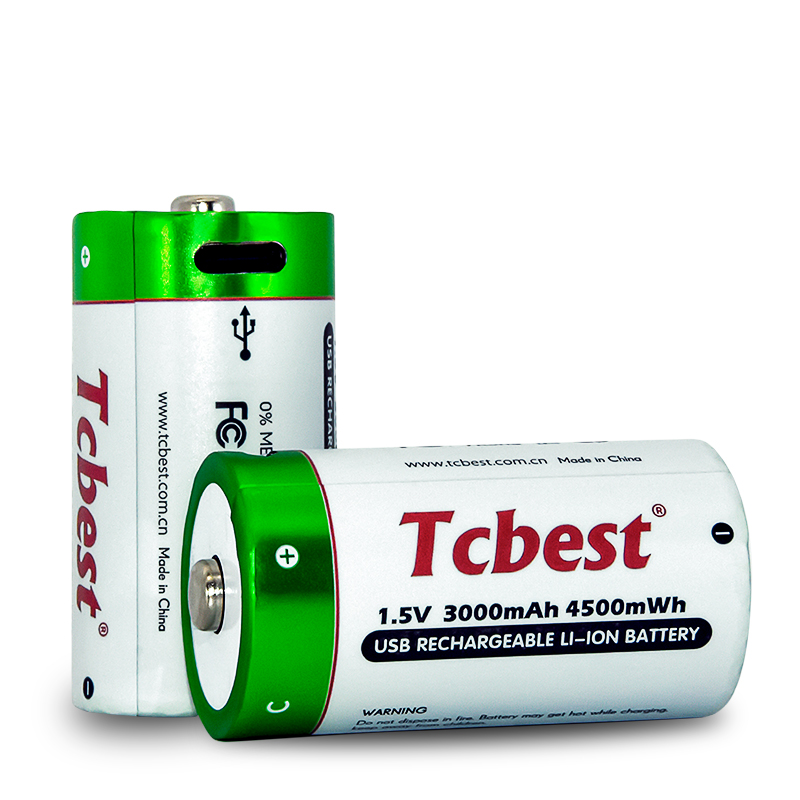
Charging efficiency is a critical concern for anyone relying on portable devices powered by a usb battery. Understanding what factors affect how quickly and effectively your usb battery charges can help you make better purchasing decisions and optimize your device usage patterns. The performance of your usb battery depends on multiple interconnected variables that span hardware design, environmental conditions, and user behavior. When you invest in quality mobile devices, wireless earbuds, portable power banks, or IoT sensors, the charging capability of the underlying usb battery directly influences your satisfaction and productivity. This article explores the major factors that influence usb battery charging efficiency and explains how each one affects your real-world charging experience.
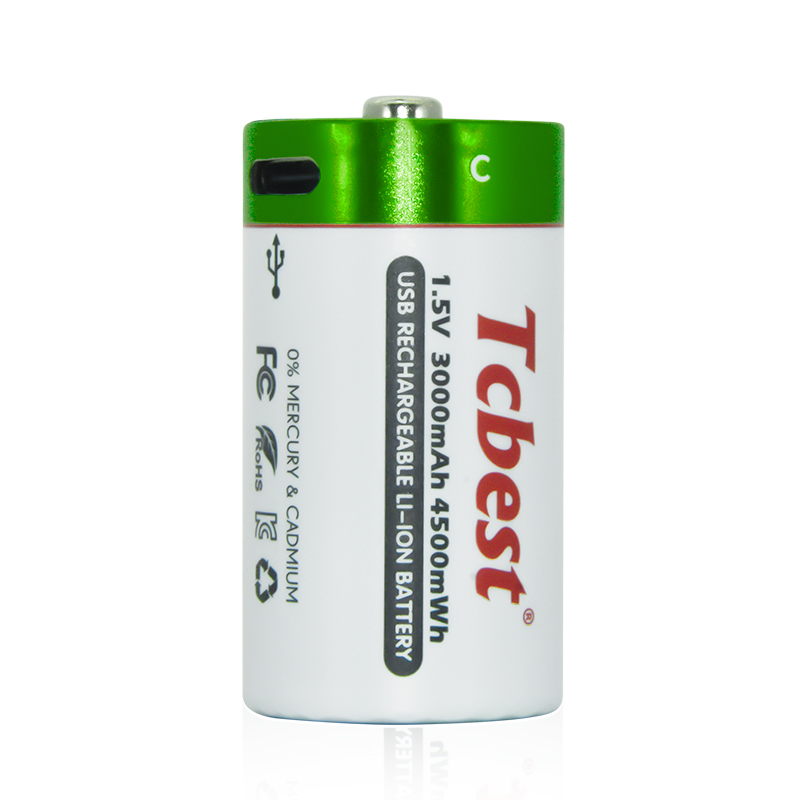
The relationship between charging speed, battery health, and power delivery is far more complex than simply plugging in a device. A usb battery charging system comprises charger specifications, cable integrity, device circuitry, and environmental factors that all work together. When any single component fails to operate optimally, the entire charging efficiency of your usb battery can suffer. Whether you are charging a single-cell lithium polymer battery or a multi-cell power bank, the principles of usb battery efficiency remain consistent. By understanding these factors, you can troubleshoot slow charging, extend usb battery lifespan, and ensure your devices always reach full capacity when you need them most.
Charger Output Power and Voltage Regulation
Understanding Power Delivery Specifications
The charger you use directly determines how much power your usb battery can receive. Modern chargers offer a range of power outputs measured in watts, typically ranging from 5W standard USB chargers to high-speed 65W or 100W USB-C Power Delivery chargers. When a charger cannot supply sufficient power to your usb battery, the device intelligently throttles the charging rate, resulting in longer charge times. Each usb battery has a maximum safe input power rating, and using a charger with higher output ensures that your usb battery receives power delivery at an optimal rate up to that limit. Voltage regulation is equally important because unstable voltage fluctuations can damage cells within your usb battery or trigger safety mechanisms that reduce charging speed. A quality charger maintains stable voltage output throughout the entire charging cycle, protecting your usb battery from efficiency loss and degradation.
Cable Quality and Resistance Impact
The physical cable connecting your charger to your device plays a surprisingly significant role in usb battery charging efficiency. Cheap or damaged cables have higher internal resistance, which causes voltage drop and heat generation during charging. When a usb battery is connected through a high-resistance cable, the charger must work harder to deliver the intended current, and much of the energy dissipates as heat in the cable rather than charging the usb battery. Thicker gauge wires, proper shielding, and certified connectors all reduce resistance and improve the charging efficiency of your usb battery. Many users experience slower charging simply because they are using an old, worn, or third-party cable instead of investing in a certified cable designed for their usb battery type. Testing your cable or replacing it with a reputable alternative can often double or triple the charging speed of your usb battery.
Environmental and Temperature Factors
Temperature Effects on Battery Chemistry
Temperature is one of the most powerful factors affecting usb battery charging efficiency, yet it is often overlooked by consumers. Lithium-ion and lithium polymer usb battery cells operate optimally in a narrow temperature range, typically between 15 and 35 degrees Celsius. When you attempt to charge your usb battery in cold environments, the chemical reaction inside the cells slows dramatically, reducing the charging rate and potentially triggering safety cutoffs. Conversely, charging a usb battery in excessively warm environments accelerates chemical degradation and can trigger thermal protection circuits that limit charging current. Many modern devices include thermal sensors that monitor usb battery temperature during charging and automatically reduce power input if the usb battery temperature exceeds safe thresholds. Understanding this relationship means you should avoid charging your devices in extreme conditions and allow your usb battery to reach room temperature before fast charging after extended use.
Ambient Humidity and Moisture Considerations
Humidity and moisture represent another environmental challenge for usb battery charging efficiency. High moisture levels in the air can cause condensation on USB connector pins, reducing electrical contact quality and increasing resistance in the charging circuit. When a usb battery connector becomes corroded or oxidized due to moisture exposure, the charging efficiency drops sharply because electrical current must overcome additional resistance. Some usb battery chargers include smart detection that recognizes poor connectivity and reduces charging power to prevent potential damage. Storing your charging cables and devices in dry environments and allowing charging ports on your usb battery device to dry completely before connecting preserves optimal charging performance. Users in humid climates or marine environments should pay particular attention to keeping their usb battery charging connections clean and moisture-free.
Battery Chemistry, Age, and Device Design Factors
Battery State of Health and Cycle History
The usb battery itself plays a central role in determining charging efficiency, particularly as it ages. New usb battery cells accept charge quickly and efficiently because their internal resistance is low and their chemical structure remains intact. After hundreds of charge cycles, the usb battery material gradually degrades, causing internal resistance to increase and charging efficiency to decline naturally. A usb battery that has been cycled 500 times will charge more slowly than an identical new usb battery, even when using the same charger and cable. Battery management systems inside devices monitor the state of health of the usb battery and may deliberately limit charging speed on aging batteries to extend their remaining lifespan. Understanding that usb battery degradation is inevitable helps users set realistic expectations about charging speed over time and recognize when a replacement usb battery or device is warranted.
Device Charging Circuitry and Thermal Design
The charging circuit embedded in your device acts as an intelligent gateway that controls how much power flows into your usb battery. High-end devices incorporate sophisticated charging management systems that optimize the usb battery charging profile by adjusting voltage and current in real time based on temperature, cell voltage, and predicted charge time. Budget devices often use simpler charging circuits that provide only basic protection, which can result in slower usb battery charging or even safety limitations imposed by the charger itself. Thermal design inside the device also matters significantly because poor heat dissipation during charging forces the usb battery charging controller to reduce current flow to prevent overheating. Devices with good airflow design and efficient thermal paths can charge their usb battery faster because they manage heat more effectively. This is why flagship phones often charge faster than budget models even with identical chargers—the engineering inside the device optimizes usb battery charging efficiency.
FAQ
Why does my USB battery charge slower on some chargers than others?
Different chargers deliver different power outputs, measured in watts. A standard 5W charger charges your usb battery much more slowly than a 20W or 30W charger because lower-output chargers deliver less current to the usb battery. Additionally, older or damaged chargers may have reduced output capacity, degrading usb battery charging speed. Cable quality also affects which charger output your usb battery can actually utilize, since a poor cable introduces resistance that prevents full power delivery to your usb battery.
Can cold temperatures permanently damage my USB battery charging efficiency?
Cold temperatures slow charging significantly but do not usually cause permanent damage to your usb battery itself. When you charge a usb battery in cold conditions, the chemical reaction simply progresses more slowly, resulting in longer charge times. However, repeatedly attempting fast charging on a cold usb battery can accelerate degradation. The best practice is to allow your usb battery device to warm to room temperature before connecting to a fast charger, protecting both charging efficiency and long-term usb battery health.
How does battery age affect USB battery charging speed and efficiency?
As a usb battery ages, internal resistance naturally increases due to electrolyte breakdown and crystal formation on electrode surfaces. An aged usb battery therefore accepts charge more slowly than a new usb battery because it requires more voltage to push current through the higher resistance. After 1000 cycles, your usb battery charging efficiency may decline by 15 to 25 percent compared to its initial state, making the same charger appear weaker simply because the usb battery has degraded over time. Recognizing this helps you understand whether slow charging indicates a charger problem or natural usb battery aging.