
 EN
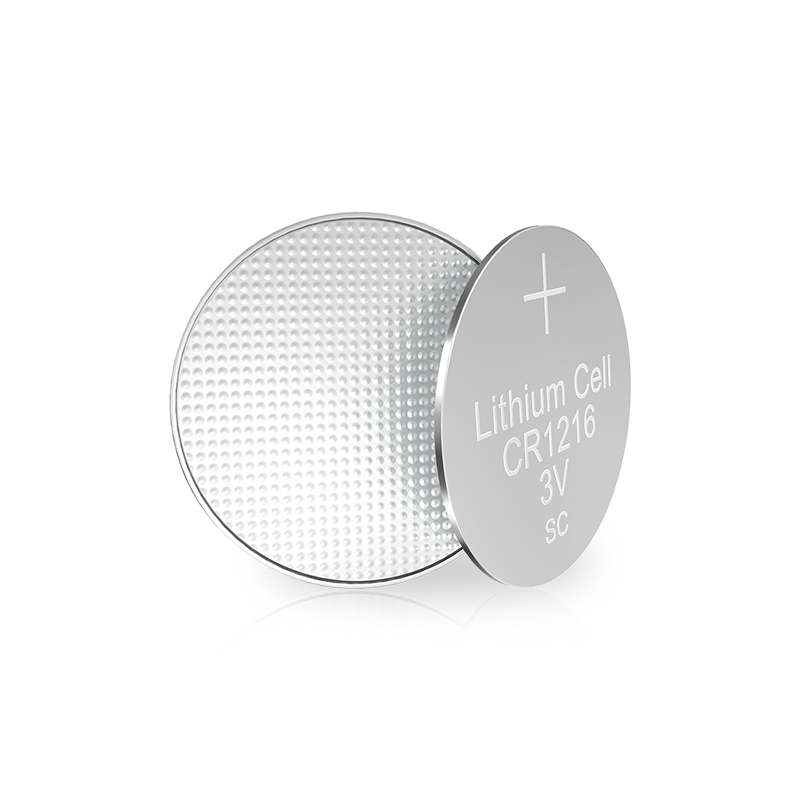
The modern electronics landscape demands power solutions that fit into ever-smaller spaces without compromising performance. A button cell represents one of the most elegant engineering solutions to this challenge, delivering consistent energy in a form factor so compact it can slip into a watch, hearing aid, or medical device without adding bulk. The button cell has become indispensable across industries because it combines reliable power delivery with minimal physical footprint, making it the default choice for designers and manufacturers who must balance functionality with size constraints.
Understanding how a button cell supports compact electronic applications requires examining both the physical design principles and the electrochemical engineering that make these batteries so effective in miniaturized devices. This comprehensive guide explores the role of button cell technology in modern electronics, the specific advantages that drive their adoption, and the practical considerations that engineers must evaluate when integrating a button cell into product designs. Whether you work in consumer electronics, medical device manufacturing, or industrial instrumentation, grasping the capabilities and limitations of button cell batteries is essential for successful product development.
Design Principles Behind Button Cell Battery Success
Cylindrical Architecture and Space Efficiency
The distinctive cylindrical shape of a button cell reflects decades of engineering optimization for space constraints. Unlike larger battery formats that require more housing space, a button cell maximizes internal volume relative to its external dimensions through a vertically stacked cell design. This architecture allows manufacturers to fit maximum active material within a minimal footprint, delivering substantial energy storage in devices where millimeters of space represent critical design real estate. The button cell format also simplifies mechanical integration, as its uniform circular geometry fits naturally into standard battery compartments designed specifically for this form factor.
Material Selection and Energy Density
A button cell typically employs alkaline, silver oxide, or lithium chemistry, each chosen based on the specific power demands of the application. Alkaline formulations in a button cell deliver consistent voltage over extended discharge periods, making them ideal for low-drain devices like remote controls and digital thermometers. Silver oxide variants of button cell batteries provide superior voltage stability and higher capacity per unit volume, justifying their use in precision instruments despite higher cost. Lithium-based button cell options offer extended shelf life and superior performance in high-drain applications, though thermal management considerations and regulatory requirements demand careful design review before selecting a button cell with lithium chemistry.
Compact Electronic Applications Enabled by Button Cell Technology
Consumer Electronics and Personal Devices
The consumer electronics sector represents the largest market for button cell batteries, with applications ranging from wristwatches to wireless earbuds and smart jewelry. These devices rely on a button cell because typical usage patterns involve extremely low current draw combined with extended operational lifespan requirements. A single button cell can power a watch for multiple years, delivering just enough energy for time-keeping functions and occasional display activation. Similarly, hearing aids depend on specialized alkaline button cell batteries that provide reliable voltage under the variable load conditions created by digital signal processing and wireless connectivity. Fitness trackers, smart rings, and other wearable platforms increasingly employ button cell solutions to maintain slim profiles while meeting multi-day battery life expectations.
Medical and Precision Instrumentation
Medical device manufacturers have adopted button cell batteries as the standard power source for diagnostic tools, implantable devices, and monitoring equipment where reliability and miniaturization are non-negotiable requirements. Glucose monitors, blood pressure meters, and portable diagnostic instruments all depend on button cell technology to maintain compact dimensions while delivering stable power for sensitive electronic circuits. Implantable medical devices such as pacemakers utilize specialized button cell configurations engineered for long-term biocompatibility and predictable discharge profiles. The regulatory environment surrounding medical devices demands that any button cell used in healthcare applications meet rigorous standards for safety, performance consistency, and traceability.
Industrial Sensors and Equipment
Industrial applications increasingly specify button cell batteries for wireless sensors, temperature monitoring devices, and equipment diagnostics where space constraints combine with reliability demands. Wireless temperature sensors distributed across manufacturing facilities rely on button cell power to operate for extended periods without maintenance access. Industrial flow meters, pressure transmitters, and condition monitoring devices all employ button cell technology to achieve compact form factors suitable for retrofit installation in existing equipment. The harsh environmental conditions of industrial settings necessitate careful selection of button cell chemistry and packaging to ensure consistent performance across temperature extremes and corrosive atmospheres.
Performance Characteristics and Selection Criteria
Voltage Stability and Load Profiles
Successful integration of a button cell into any compact electronic application requires understanding the voltage characteristics and load requirements that the battery must satisfy. Different button cell chemistries deliver different voltage profiles; alkaline versions typically provide 1.5 volts at beginning of life with gradual decline, while silver oxide button cell batteries maintain approximately 1.55 volts across the discharge cycle. This voltage stability advantage makes a silver oxide button cell preferable for precision instruments where voltage-sensitive circuits require consistent input. Engineers must also account for the internal resistance of a button cell, which increases as the battery ages, potentially affecting performance in applications with sudden current spikes.
Capacity Matching and Application Suitability
Every button cell model delivers specific capacity measured in milliampere-hours, and selecting the appropriate capacity requires accurate analysis of the device's power consumption pattern. A button cell rated for low-drain applications may deliver 200 to 400 milliampere-hours at continuous discharge rates of 5 to 10 milliamps, suitable for clock circuits and status indicator LEDs. Higher-capacity button cell variants designed for drain-intensive applications can deliver 500 to 600 milliampere-hours under similar discharge conditions. Mismatches between button cell capacity and application power requirements lead to either premature battery failure or unnecessary cost through over-specification, making capacity analysis a critical design step.
FAQ
What defines the physical dimensions of a button cell battery?
A button cell follows standardized dimensional specifications established by international battery manufacturing standards, typically ranging from 5 to 13 millimeters in diameter and 1 to 7 millimeters in height depending on the specific model and chemistry. Common button cell designations like LR44, CR2032, and SR927 describe exact dimensions and electrochemical characteristics, allowing engineers to select the precise button cell that fits their physical and electrical requirements.
How long does a button cell typically power a compact electronic device?
Runtime for a button cell depends entirely on device power consumption and battery capacity; a low-drain button cell in a watch might last several years, while the same button cell chemistry in a high-drain device could deplete in weeks or months. Manufacturers must calculate the specific operational profile of their compact application to determine whether a particular button cell delivers acceptable runtime between replacements or charging cycles.
Can a button cell battery be replaced with a rechargeable alternative?
Rechargeable button cell batteries exist and offer environmental and cost benefits for high-cycle applications, though voltage characteristics and internal resistance differ from primary button cell designs. Before substituting a rechargeable button cell for a single-use primary battery, engineers must verify that the device's charging circuit and voltage tolerance accommodate the distinct electrochemical behavior of rechargeable button cell chemistry.