
 EN
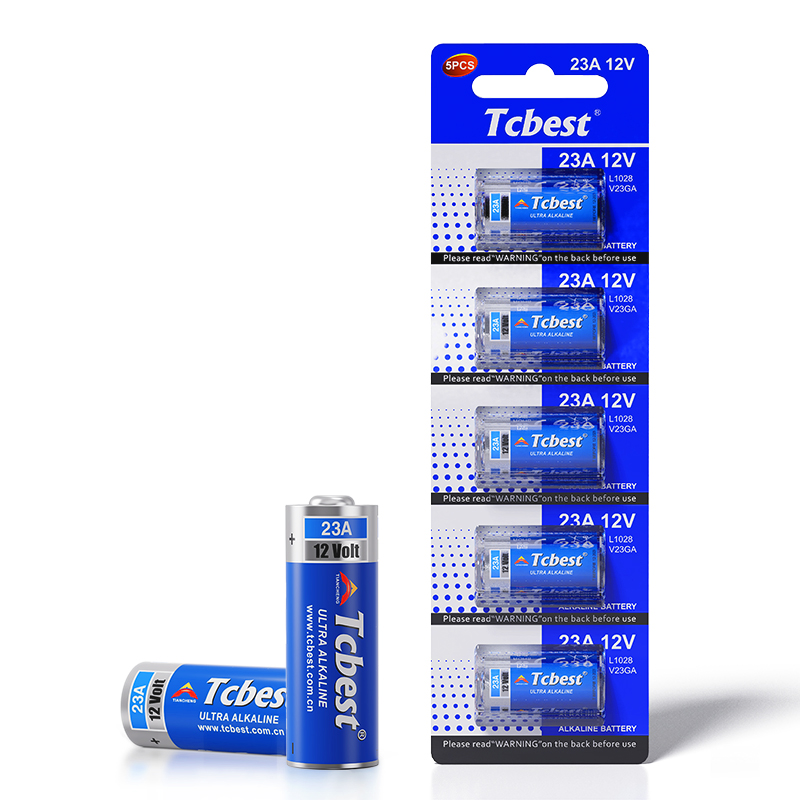
The modern world depends heavily on portable electronic devices, and at the heart of most of these gadgets lies the alkaline battery. From remote controls to digital cameras, flashlights to handheld gaming devices, the alkaline battery has become the backbone of consumer electronics. Understanding how an alkaline battery works within portable devices is essential for both consumers and manufacturers seeking to optimize device performance and reliability. The alkaline battery delivers consistent power output, making it the preferred choice for a wide range of applications where convenience and dependability matter most.

An alkaline battery functions through a chemical reaction between zinc and manganese dioxide within its cell structure, producing electrical energy that powers devices reliably. This technology has been refined over decades, making the alkaline battery the industry standard for portable electronics. The versatility of the alkaline battery across different device types and power requirements has solidified its position as an indispensable power source in homes, offices, and industrial settings worldwide.
Core Applications of Alkaline Battery Technology in Consumer Electronics
Remote Controls and Low-Power Devices
Remote controls represent one of the most common applications for alkaline battery units. These devices require minimal power draw, making the alkaline battery ideal for maintaining consistent signal transmission over extended periods. Television remotes, audio system controls, and wireless thermostats all rely on the stable voltage delivery that an alkaline battery provides. The alkaline battery's low self-discharge rate ensures that these devices remain operational even after weeks of inactivity, a critical feature for consumer satisfaction and device reliability.
Flashlights and Portable Illumination Tools
Flashlights have long depended on alkaline battery technology to deliver bright, steady light during emergency situations and outdoor activities. An alkaline battery maintains consistent brightness output throughout its discharge cycle, ensuring that users have reliable illumination when needed most. Industrial flashlights, emergency lighting systems, and portable work lights all benefit from the proven performance characteristics of the alkaline battery. The alkaline battery's ability to perform across temperature extremes makes it suitable for both indoor and outdoor applications.
Performance Characteristics and Advantages of Alkaline Battery Design
Voltage Stability and Power Delivery Consistency
The alkaline battery maintains a stable voltage output of 1.5 volts throughout most of its discharge cycle, which is essential for devices requiring consistent power levels. This voltage stability means that an alkaline battery can power sophisticated electronic circuits without voltage fluctuations that might cause device malfunction or data loss. Digital cameras, portable music players, and electronic measuring instruments all depend on the steady power delivery that an alkaline battery offers. Manufacturers choose the alkaline battery specifically because this voltage consistency eliminates the need for voltage regulation circuits in many device designs.
Shelf Life and Reliability Standards
An alkaline battery exhibits minimal self-discharge characteristics, allowing it to maintain usable charge for years when stored properly. This extended shelf life makes the alkaline battery essential for emergency backup systems, first aid kits, and devices used infrequently. The reliability of the alkaline battery has made it a trusted choice for critical applications where power failure could result in safety concerns. Consumers can store alkaline battery units confidently, knowing they will function when needed after extended storage periods. The alkaline battery's predictable performance over time has established it as the industry standard for long-term portable power solutions.
Practical Selection Criteria for Alkaline Battery Integration in Devices
Device Power Requirements and Operational Duration
Selecting the appropriate alkaline battery size and configuration depends primarily on the device's power consumption profile and expected operational duration. An alkaline battery comes in multiple formats including AA, AAA, C, and D sizes, each designed for specific power delivery requirements. High-drain devices such as portable gaming systems and digital cameras may require a larger alkaline battery, while low-drain applications like wall clocks can operate on smaller units for months. Device engineers must analyze power draw characteristics to determine whether a single alkaline battery or multiple units in series or parallel configuration will meet performance standards.
Environmental Conditions and Operating Temperature Ranges
The alkaline battery performs effectively across a wide temperature range, from below freezing to elevated ambient conditions found in industrial settings. Understanding environmental operating parameters is crucial when selecting an alkaline battery for applications exposed to extreme temperatures. An alkaline battery's chemistry allows it to maintain functional capacity in demanding conditions where other battery types might fail. Temperature testing and performance validation ensure that the alkaline battery selection matches the specific environmental context where the portable device will operate.
FAQ
What makes an alkaline battery superior to other battery types for portable electronics?
An alkaline battery offers several advantages including consistent voltage output, extended shelf life, low self-discharge rates, and proven reliability across diverse applications. The alkaline battery's chemical composition allows for stable power delivery, making it ideal for both high-drain and low-drain devices. Manufacturers favor the alkaline battery because it requires minimal circuit complexity and delivers predictable performance throughout its operational life, reducing device design costs and improving overall reliability.
How should manufacturers decide between single and multiple alkaline battery configurations?
The decision depends on the device's voltage requirements and power draw specifications. An alkaline battery delivers 1.5 volts per unit, so devices requiring higher voltage must use multiple units in series configuration. The alkaline battery selection process involves calculating total power requirements, determining operational duration targets, and assessing physical space constraints within the device. Proper configuration ensures that an alkaline battery delivers optimal performance while maintaining device efficiency and user convenience throughout the product lifecycle.
Can an alkaline battery be used safely in all portable electronic devices?
While an alkaline battery works well in most portable devices, compatibility depends on the specific device design and power requirements. Devices designed for rechargeable lithium batteries should not substitute alkaline battery units without proper circuit modification. The alkaline battery performs best in devices where manufacturers have specified it as the recommended power source. Always consult device documentation to ensure that an alkaline battery is the appropriate power source for your specific portable electronic equipment.