
 EN
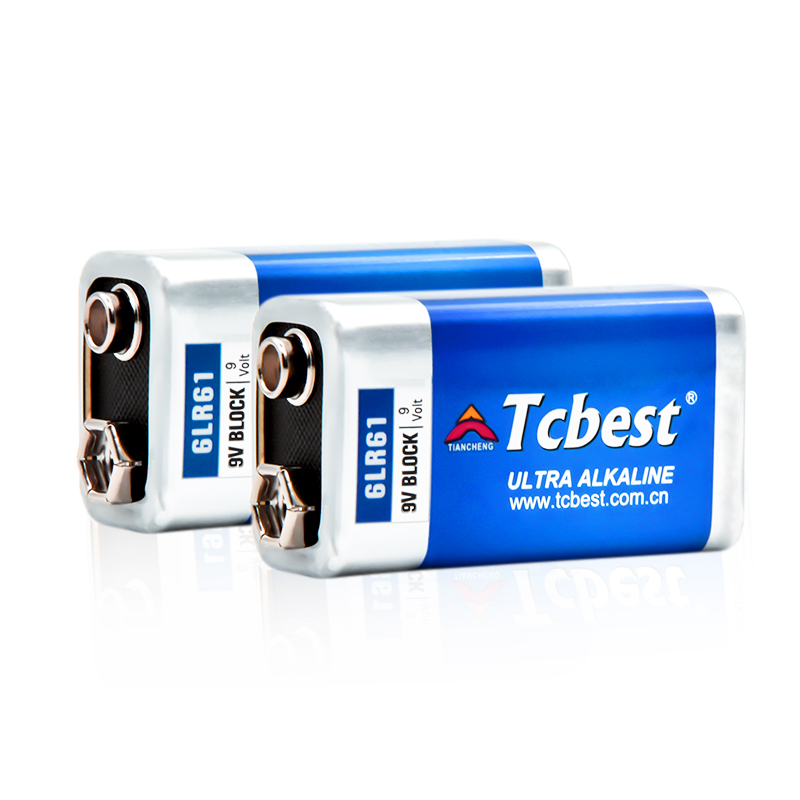
Understanding what affects an alkaline battery's performance is critical for any organization that relies on portable power solutions. Whether you operate in manufacturing, emergency services, consumer goods, or telecommunications, the service life and stability of an alkaline battery directly impact operational efficiency and total cost of ownership. An alkaline battery must deliver consistent voltage, maintain stable performance across temperature ranges, and preserve its capacity throughout its expected lifespan. The factors influencing these characteristics are numerous and interconnected, spanning from chemical composition to environmental conditions and application design. Recognizing and managing these factors ensures that your alkaline battery investment delivers reliable, predictable performance when it matters most.

The stability and longevity of an alkaline battery depend on multiple internal and external variables that interact throughout its operational cycle. Chemical formulation, electrode materials, electrolyte composition, manufacturing quality, storage conditions, discharge rate, ambient temperature, and application-specific demands all play measurable roles in determining how long an alkaline battery will perform at peak capacity. A comprehensive understanding of these factors enables engineers, procurement professionals, and system designers to make informed decisions about battery selection, usage protocols, and maintenance strategies. This article explores the primary factors affecting alkaline battery service life and stability, providing actionable insights for industrial and commercial applications.
Chemical Composition and Internal Structure
Electrode Materials and Alkaline Battery Performance
The core chemistry of an alkaline battery directly determines its energy density, discharge characteristics, and operational stability. An alkaline battery typically combines zinc as the anode material with manganese dioxide as the cathode, suspended within an alkaline electrolyte. The purity and particle size of these materials significantly impact how efficiently the battery converts chemical energy into electrical power. Higher-quality electrode materials with optimized surface area and crystalline structure enable an alkaline battery to deliver more consistent voltage throughout its discharge cycle. Manufacturing processes that ensure uniform material distribution and precise chemical ratios produce an alkaline battery with superior stability, meaning the voltage remains steady rather than declining sharply as the battery depletes. Contamination or material degradation during production can create an alkaline battery that exhibits voltage sag, premature capacity loss, or unstable performance under load.
Electrolyte Composition and Alkaline Battery Longevity
The alkaline electrolyte—typically potassium hydroxide or sodium hydroxide solution—serves as the ionic conductor enabling chemical reactions within an alkaline battery. The concentration, purity, and formulation of this electrolyte directly influence how quickly the battery's internal resistance increases over time. A well-formulated alkaline battery electrolyte maintains consistent ionic conductivity, preventing the voltage drop that occurs when resistance builds up. The presence of additives designed to suppress corrosion, enhance cycle stability, and regulate gas evolution further distinguishes a high-performance alkaline battery from standard alternatives. An alkaline battery with optimized electrolyte composition will experience slower degradation of its electrochemical properties, translating to longer service life and more predictable capacity retention. Poor electrolyte management or inappropriate chemical balance can accelerate the internal corrosion of an alkaline battery, reducing both its effective service life and its ability to deliver stable power output under demanding conditions.
Environmental and Storage Conditions
Temperature Effects on Alkaline Battery Stability
Temperature exerts a profound influence on the electrochemical reaction rates within an alkaline battery, affecting both its immediate output and its long-term stability. At elevated temperatures, the chemical reactions inside an alkaline battery accelerate, causing faster discharge and increased internal resistance growth. Conversely, at very low temperatures, the electrochemical processes slow dramatically, reducing the available power from an alkaline battery even if the battery still contains substantial chemical energy. Most industrial specifications indicate that an alkaline battery operates optimally between 15°C and 35°C. Outside this range, an alkaline battery experiences reduced capacity, higher internal resistance, and accelerated degradation of its chemical components. Storage at excessive temperatures causes the separator materials within an alkaline battery to deteriorate, the electrolyte to become more reactive, and the overall energy content to diminish even before the battery is put into service. Understanding the temperature sensitivity of your specific alkaline battery design is essential for predicting service life across different geographic regions and seasonal conditions.
Humidity and Storage Environment Impact
The moisture content and relative humidity of the storage environment directly affect the long-term stability of an alkaline battery. High humidity can promote corrosion on the external terminals and contacts of an alkaline battery, creating high-resistance connections that degrade performance. Moisture can also permeate the battery casing in certain designs, reaching internal components and triggering unwanted chemical reactions that consume the battery's chemical energy before use. An alkaline battery stored in a dry, climate-controlled environment maintains its charge retention characteristics far better than one exposed to fluctuating humidity. Best practice storage for an alkaline battery typically specifies relative humidity between 45 percent and 75 percent, with stable temperature control. Alkaline batteries stored in damp basements, outdoor locations, or uncontrolled industrial environments experience accelerated self-discharge and reduced overall service life, even if never formally operated.
Discharge Rate and Application Demand
Load Profile and Alkaline Battery Service Life
The discharge rate—how quickly the load draws current from an alkaline battery—fundamentally shapes how much total energy the battery can deliver before depletion. An alkaline battery rated at a certain capacity under light continuous discharge may deliver significantly less usable energy under high intermittent current demand. This phenomenon occurs because high discharge rates increase the internal voltage drop within an alkaline battery, causing the voltage to fall below the minimum threshold of the powered device before the chemical energy is fully expended. Heavy pulsed loads create internal heating within an alkaline battery, accelerating degradation of the electrolyte and increasing resistance growth. Understanding the typical current draw of your application is essential for accurately predicting how long an alkaline battery will actually function in practice. An alkaline battery rated for one application may perform quite differently in another application with different duty cycles, even if both draw the same average current.
Intermittent Versus Continuous Duty
An alkaline battery's ability to recover between discharge pulses significantly affects its overall service life and delivered capacity. In intermittent-use applications where the load draws current briefly then stops, an alkaline battery partially recovers between cycles, allowing internal voltage to rebound and enabling additional energy delivery. This recovery mechanism extends the practical service life of an alkaline battery compared to continuous discharge at the same average power level. Conversely, an alkaline battery under continuous heavy load cannot recover between pulses, and its voltage drops more rapidly toward the device cutoff threshold. Designing systems to accommodate the intermittent discharge characteristics of an alkaline battery whenever possible optimizes the battery's effective service life. Some industrial applications can achieve 20 to 40 percent longer practical battery life simply by introducing brief rest periods between operational cycles, allowing the alkaline battery to partially regenerate its voltage output.
Manufacturing Quality and Design Specifications
Quality Control and Alkaline Battery Consistency
Manufacturing precision directly translates to predictable, reliable performance from an alkaline battery. Rigorous quality control processes ensure that each alkaline battery meets tight specifications for electrode composition, electrolyte distribution, separator integrity, and seal quality. An alkaline battery produced under strict process controls exhibits lower variance in service life, more consistent voltage curves, and higher reliability across the entire production lot. Conversely, alkaline battery manufacturing with loose tolerances produces units with wide performance variation, some delivering full capacity while others fail prematurely. The stability of an alkaline battery is also influenced by manufacturing consistency; a well-controlled process yields an alkaline battery with stable voltage output, while poor process control creates units prone to voltage instability and premature internal resistance increase. Investment in certified manufacturing processes and third-party testing ensures that your alkaline battery supply maintains the reliability necessary for mission-critical applications.
Seal Integrity and Leakage Prevention
The mechanical integrity of an alkaline battery's outer casing and seals directly affects its ability to maintain chemical stability over extended storage and use periods. A defective seal allows the alkaline electrolyte to migrate outward or external moisture to permeate inward, both scenarios compromising the battery's service life. Premium alkaline battery designs incorporate double seals, corrosion-resistant terminals, and chemical-resistant casings that maintain integrity even under adverse conditions. Leaking alkaline batteries not only fail prematurely but can also damage the devices they power, creating hidden costs beyond the battery's purchase price. Manufacturing processes that include 100 percent seal testing ensure that each alkaline battery maintains its chemistry throughout its rated shelf life and operational service life. For applications where reliability is non-negotiable, specifying alkaline battery designs with verified seal integrity standards significantly reduces performance variability and service life unpredictability.
FAQ
How does temperature affect alkaline battery service life?
Temperature has a dramatic effect on alkaline battery service life through its influence on electrochemical reaction rates and internal resistance growth. Higher temperatures accelerate chemical reactions, increasing discharge rate and internal degradation, thereby shortening service life. Lower temperatures slow chemical reactions, reducing available power but also slowing degradation. An alkaline battery stored or operated outside the optimal range of 15°C to 35°C experiences accelerated service life reduction. Each 10°C increase above 25°C can roughly double the rate of internal resistance growth in an alkaline battery, cutting service life by 40 to 50 percent. Conversely, storage at 5°C extends alkaline battery service life significantly compared to room temperature storage, though operation at such low temperatures temporarily reduces available capacity.
What is the impact of discharge rate on alkaline battery stability?
Discharge rate directly impacts alkaline battery stability by determining the internal voltage drop and heat generation during operation. High discharge rates create large voltage drops within an alkaline battery's internal resistance, causing the terminal voltage to fall more rapidly toward device cutoff thresholds. An alkaline battery discharged at high rates may reach the cutoff voltage before delivering its full rated capacity, effectively reducing usable service life. Stability of the alkaline battery voltage also degrades under high discharge rates, with increased fluctuations and steeper voltage decline curves. An alkaline battery designed for light-load applications will exhibit poor stability when subjected to heavy intermittent or continuous discharge. Engineers selecting an alkaline battery for a specific application must match the battery's discharge characteristics to the actual load profile to ensure both adequate service life and voltage stability throughout the operational period.
How do storage conditions influence alkaline battery longevity?
Storage conditions are among the most important factors determining how long an alkaline battery retains its charge and remains ready for use. Temperature stability, relative humidity control, and protection from corrosive environments directly control the shelf life and long-term stability of an alkaline battery before deployment. An alkaline battery stored in a cool, dry environment with controlled humidity between 45 and 75 percent can maintain 90 percent or more of its rated capacity after several years in storage. Conversely, an alkaline battery exposed to high heat, high humidity, or temperature fluctuations during storage will experience accelerated self-discharge and chemical degradation, reducing its effective service life when eventually put into service. Proper storage practices, including sealed containers, desiccant packs, and climate-controlled facilities, ensure that an alkaline battery delivers its rated performance whenever needed, maximizing return on battery investment and system reliability.