
 EN
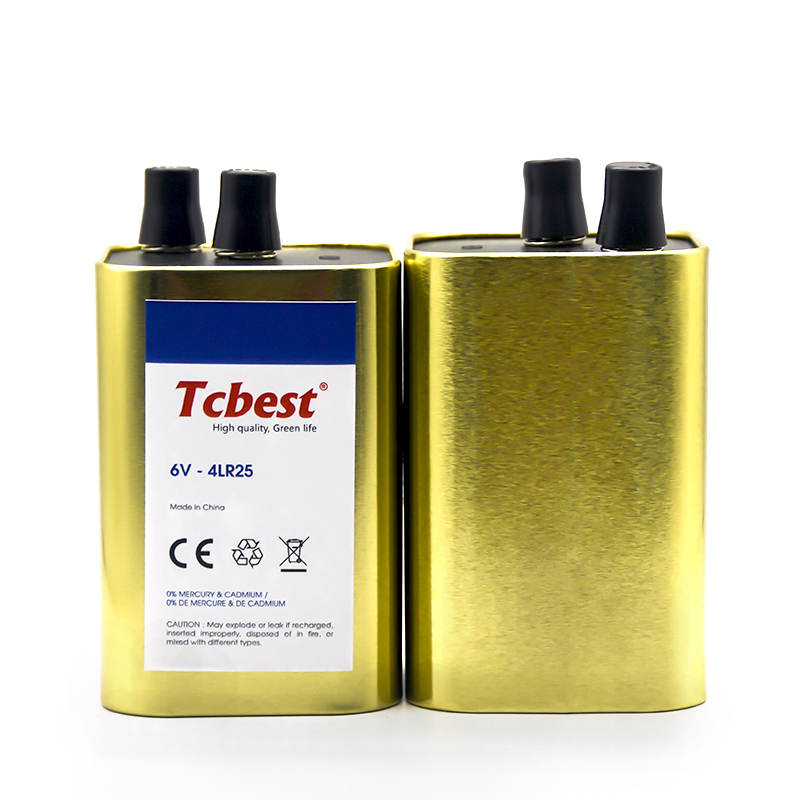
An alkaline battery remains one of the most widely relied upon portable power sources across industrial and consumer applications. However, the performance characteristics of an alkaline battery are far from constant. The operational efficiency, lifespan, and reliability of an alkaline battery depend significantly on the specific conditions under which it operates. Understanding how an alkaline battery responds to environmental factors, discharge patterns, and usage scenarios is essential for anyone who depends on these power sources for critical applications. This knowledge enables better planning, cost optimization, and equipment longevity in both industrial settings and everyday use.
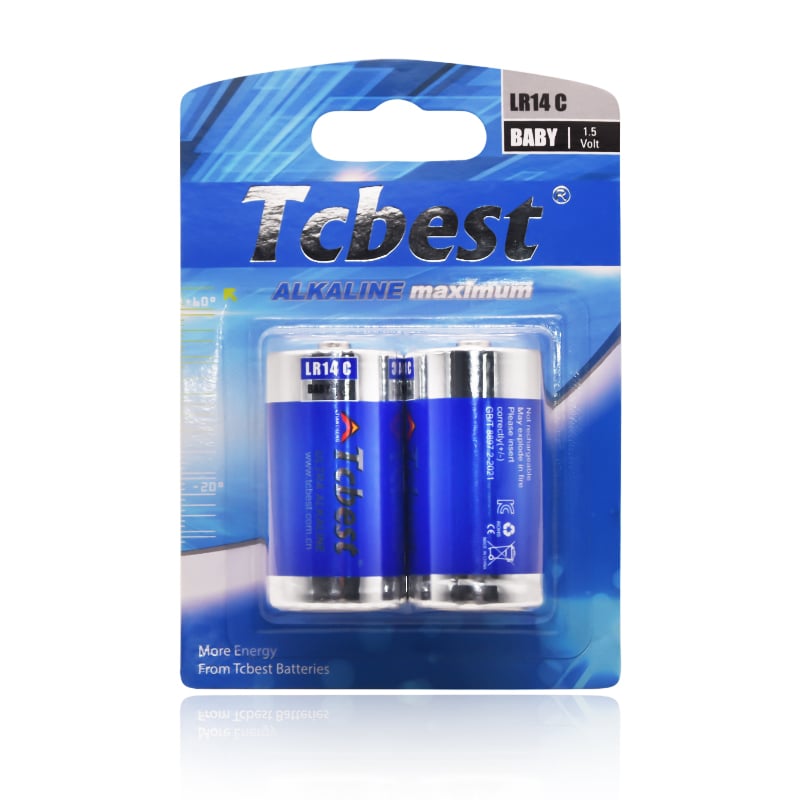
The behavior of an alkaline battery under different conditions reveals critical insights into power delivery, chemical stability, and energy capacity. Factors such as temperature extremes, continuous versus intermittent discharge, and load intensity all influence how effectively an alkaline battery performs. Industrial equipment operators, maintenance teams, and procurement specialists must recognize these performance variations to make informed decisions about battery selection, replacement schedules, and operational guidelines. By examining the relationship between environmental conditions and alkaline battery output, organizations can maximize resource efficiency and reduce unexpected power failures.
Temperature Effects on Alkaline Battery Performance
Cold Temperature Impact on Alkaline Battery Output
Cold environments present one of the most significant challenges to alkaline battery performance. When an alkaline battery operates in temperatures below 32°F (0°C), internal chemical reactions slow considerably, reducing the available voltage and current output. The alkaline battery's electrolyte becomes more viscous, increasing internal resistance and limiting ion flow between the cell terminals. Outdoor equipment, emergency lighting systems, and portable devices used in winter conditions experience measurable performance degradation when powered by an alkaline battery in cold settings. Users often observe that an alkaline battery provides noticeably reduced runtime compared to the same battery operating at room temperature, sometimes delivering only 50 percent of rated capacity in extreme cold scenarios.
High Temperature Effects and Accelerated Alkaline Battery Drainage
Heat similarly transforms alkaline battery behavior, though through different mechanisms. Elevated temperatures accelerate the chemical reactions within an alkaline battery, which initially appears beneficial but ultimately accelerates self-discharge and battery aging. When an alkaline battery is exposed to sustained high temperatures above 104°F (40°C), the internal components degrade faster, reducing overall cycle life and usable capacity. Industrial environments with consistently warm conditions, vehicles parked in direct sunlight, and equipment stored in unventilated spaces all expose alkaline battery systems to temperature stress. Although an alkaline battery may deliver slightly higher initial current in warmth, the long-term consequence is significantly shortened operational lifespan and unreliable power delivery over extended periods.
Discharge Rate Patterns and Alkaline Battery Efficiency
Continuous Versus Intermittent Discharge in Alkaline Battery Applications
The pattern of energy withdrawal fundamentally affects how an alkaline battery behaves under load. When an alkaline battery experiences continuous high-drain discharge—such as in power tools, flashlights, or high-output devices—it delivers energy consistently but depletes much faster than the rated capacity suggests. The internal chemistry of an alkaline battery operates most efficiently during moderate, intermittent use patterns where rest periods allow chemical equilibrium to partially restore between discharge cycles. Remote controls, smoke detectors, and low-drain emergency beacons demonstrate the advantage of intermittent alkaline battery use, often providing years of reliable service. Conversely, devices drawing steady current from an alkaline battery experience the battery approaching voltage cutoff much sooner than specifications indicate, sometimes leaving substantial chemical energy untapped.
Load Intensity and Alkaline Battery Voltage Stability
The electrical load connected to an alkaline battery directly determines voltage regulation and performance stability. A low-load device drawing minimal current allows an alkaline battery to maintain stable output voltage across most of its lifecycle, ensuring predictable operation until near complete discharge. High-load applications that draw substantial current cause an alkaline battery's terminal voltage to drop more rapidly due to increased internal resistance effects. Equipment designers and engineers must account for these alkaline battery voltage fluctuations when selecting batteries for precision instruments, medical devices, or safety-critical applications. An alkaline battery rated at 1.5 volts will show dramatic voltage sag under heavy current draw, potentially falling below the minimum operating voltage threshold of connected devices before the alkaline battery is chemically exhausted.
Environmental and Storage Conditions Affecting Alkaline Battery Longevity
Humidity and Chemical Stability in Alkaline Battery Storage
Moisture exposure represents a critical factor in alkaline battery storage and shelf-life management. When an alkaline battery is stored in damp environments or humid conditions, moisture can penetrate battery casing and corrode internal terminals, accelerating self-discharge and reducing shelf life. Industrial warehouses, basement storage areas, and outdoor equipment cabinets expose alkaline batteries to humidity stress that significantly impacts their long-term viability. Proper storage of an alkaline battery in dry conditions at moderate room temperature can preserve 80 to 90 percent of initial capacity even after five years of storage. Organizations managing large alkaline battery inventory must account for environmental conditions to avoid discovering depleted or non-functional batteries when they are needed for critical applications.
Cycling Frequency and Mixed Usage Patterns Affecting Alkaline Battery Reliability
Real-world alkaline battery applications rarely follow laboratory discharge curves precisely. Mixed usage patterns involving both high-intensity and low-intensity draw periods create complex stress patterns on alkaline battery chemistry. Equipment that cycles through standby, active, and peak-load states in irregular sequences experiences unpredictable alkaline battery performance degradation. Industrial control systems, backup power supplies, and portable medical equipment often exhibit these variable-use patterns, making alkaline battery performance predictions challenging without field data. Understanding that an alkaline battery performs differently under mixed-cycle conditions compared to steady-state laboratory conditions helps operators develop realistic replacement schedules and contingency planning.
Optimization Strategies for Maximizing Alkaline Battery Performance
Matching Alkaline Battery Selection to Application Requirements
Selecting the appropriate alkaline battery for specific operational conditions requires matching battery chemistry and specifications to application demands. High-drain devices need alkaline battery variants engineered for sustained current delivery, while low-drain applications can utilize standard alkaline battery formulations. Understanding whether an application involves continuous operation, intermittent use, temperature extremes, or mixed patterns enables procurement teams to specify alkaline batteries optimized for expected conditions. Temperature-rated variants of alkaline batteries provide better performance in specialized environments, though at higher cost than standard formulations. This targeted approach to alkaline battery selection maximizes runtime, reduces waste, and improves overall system reliability.
Environmental Management and Alkaline Battery Maintenance Protocols
Controlling the operational environment around alkaline battery installations significantly extends performance and lifespan. Maintaining storage temperatures between 50°F and 80°F (10°C to 27°C) ensures alkaline battery shelf-life remains within manufacturer specifications. Protecting alkaline batteries from moisture, physical vibration, and contamination during installation and operation prevents premature failure and performance degradation. Regular inspection protocols that verify proper battery contact cleanliness, terminal corrosion status, and secure seating within battery compartments maintain alkaline battery electrical connections and prevent power delivery issues. Documenting installation dates and tracking alkaline battery performance across multiple installations provides data for optimizing replacement intervals and predicting when stock rotation becomes necessary.
FAQ
Does alkaline battery performance change with age even without use?
Yes, an alkaline battery gradually loses capacity over time due to internal self-discharge and chemical aging processes. Even unused alkaline batteries stored in ideal conditions experience slow capacity decline, typically losing 5 to 10 percent capacity per year. Storage temperature, humidity, and manufacturing date all influence the rate of alkaline battery degradation. Properly stored batteries maintain usable capacity for five to seven years, while poorly stored alkaline batteries may become unreliable within two to three years.
How does frequent removal and reinsertion affect alkaline battery lifespan?
Repeatedly removing and reinserting an alkaline battery can accelerate performance problems through contact oxidation and mechanical stress. Each insertion and removal cycle exposes alkaline battery terminals to air exposure and potential contamination, promoting corrosion and connection resistance buildup. Devices designed for frequent battery swaps experience faster terminal degradation than those with permanent alkaline battery installations. Minimizing unnecessary battery removal helps preserve electrical connection quality and extends overall alkaline battery reliability in applications where battery access is part of normal operation.
Can an alkaline battery recover performance after being exposed to extreme cold?
An alkaline battery typically recovers a significant portion of its performance capability after warming from cold exposure, though not to baseline levels if it experienced prolonged freezing. The temporary capacity reduction from cold results primarily from chemical reaction slowdown, which reverses as an alkaline battery temperature normalizes. However, repeated freeze-thaw cycling causes permanent damage to alkaline battery internal structure, progressively reducing maximum recoverable capacity. Batteries subjected to extreme cold should be allowed to warm gradually to room temperature before use to minimize internal stress and corrosion risk.