
 EN
EN
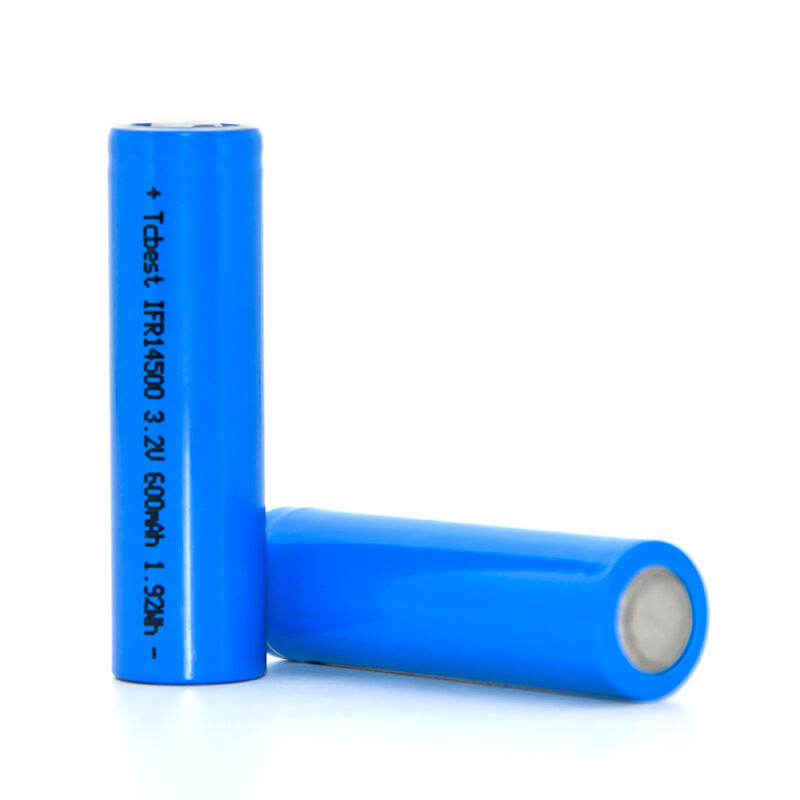
Thermal stability is one of the most critical performance benchmarks in modern energy storage, and the cylindrical lithium battery has consistently proven itself as a reliable solution for demanding thermal environments. Whether deployed in industrial sensors, metering equipment, smart grid infrastructure, or remote IoT devices, a cylindrical lithium battery must maintain consistent electrochemical behavior across a wide temperature range. Understanding how it achieves this reveals not just a product specification, but a sophisticated interplay of chemistry, geometry, and engineering design.
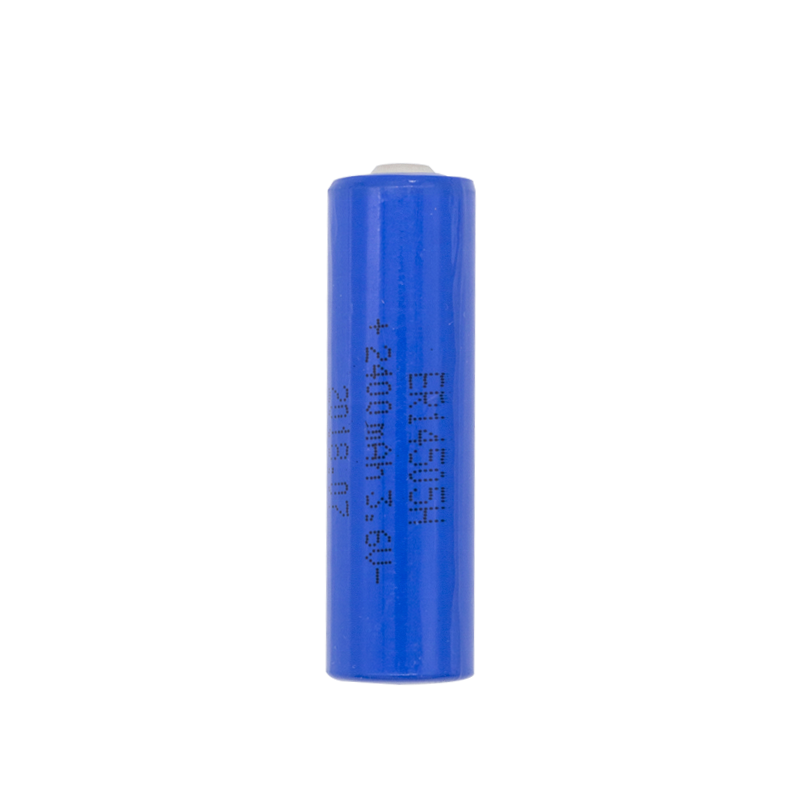
The thermal behavior of a cylindrical lithium battery is not left to chance. It is the direct result of deliberate choices in electrolyte chemistry, electrode materials, structural housing, and internal heat dissipation pathways. For engineers and procurement professionals in B2B markets, this topic holds significant practical weight. Selecting a cylindrical lithium battery without understanding its thermal characteristics can lead to premature failure, safety incidents, or costly field replacements. This article explores exactly how a cylindrical lithium battery is built and designed to maintain thermal stability under real-world operating conditions.
The Role of Cell Chemistry in Thermal Stability
Lithium Thionyl Chloride Chemistry and Heat Tolerance
Among the various chemistries available in a cylindrical lithium battery format, lithium thionyl chloride (Li-SOCl₂) stands out for its exceptional thermal tolerance. This chemistry supports stable operation across a temperature range that spans from as low as -60°C to as high as +85°C, making it suitable for extreme environments where other battery types would fail. The electrochemical reaction in a Li-SOCl₂ cylindrical lithium battery generates minimal internal heat during discharge, which is one of the fundamental reasons it maintains stable output without triggering thermal runaway.
The liquid electrolyte in this chemistry also contributes to thermal resilience. Unlike polymer electrolytes that can degrade at elevated temperatures, the thionyl chloride solvent remains chemically stable throughout the operational temperature range. This stability prevents electrolyte decomposition, which is a primary cause of internal pressure buildup and heat generation in less robust battery types. As a result, the cylindrical lithium battery using this chemistry can sustain prolonged discharge cycles without significant capacity loss due to heat-related degradation.
Furthermore, the self-discharge rate of a Li-SOCl₂ cylindrical lithium battery is remarkably low—often less than 1% per year at room temperature. Low self-discharge correlates directly with minimal parasitic reactions inside the cell, which in turn means less internally generated heat over the battery's service life. This makes the cylindrical lithium battery an ideal candidate for long-term deployments where periodic maintenance or replacement is not practical.
Electrode Material Selection and Its Thermal Impact
The choice of electrode materials within a cylindrical lithium battery directly determines how heat is generated and managed during electrochemical reactions. In high-quality industrial-grade cells, the lithium anode is processed to maintain a uniform surface morphology, which helps distribute current density evenly during discharge. Uneven current distribution is a major cause of localized heating, so precise anode preparation is a critical thermal management strategy embedded at the manufacturing level.
The cathode material in a cylindrical lithium battery also plays a decisive role. Carbon-based cathode materials used in certain chemistries provide high conductivity and thermal stability, reducing internal resistance and the heat produced during ion transport. Lower internal resistance translates to a cooler operating temperature, especially under pulse discharge conditions where brief but intense current demands can otherwise spike cell temperature. Industrial applications frequently require these pulse capabilities, so thermal performance under variable load conditions is particularly important.
The separator between electrodes is another thermally relevant component. In a well-engineered cylindrical lithium battery, the separator is designed to withstand elevated temperatures without shrinking or collapsing, which could cause internal short circuits and catastrophic heat generation. Advanced separators maintain their structural integrity even when the cell is exposed to temperatures beyond normal operating limits, providing a final thermal safeguard at the microscopic level.
Structural Geometry and Heat Dissipation
The Cylindrical Form Factor as a Thermal Advantage
The cylindrical form factor itself offers inherent thermal advantages over prismatic or pouch configurations. In a cylindrical lithium battery, the wound electrode assembly creates a radially symmetric structure that supports uniform heat distribution from the core outward toward the metal casing. This geometry prevents thermal gradients from concentrating in one region of the cell, which is a common failure point in flat-format batteries.
The stainless steel or nickel-plated steel housing used in most industrial cylindrical lithium battery formats provides an effective thermal conduction pathway. Heat generated internally can move through the electrode stack and into the metal casing, where it is then dissipated to the surrounding environment. The casing also provides mechanical protection that prevents deformation under thermal expansion, a critical feature when the battery is subjected to repeated thermal cycling between extreme high and low temperatures.
In high-density packaging scenarios, where multiple cylindrical lithium battery cells are arranged in a module or battery pack, the cylindrical shape allows for predictable airflow channels between cells. These channels enable passive or active cooling to function more effectively compared to prismatic designs, where flat surfaces pressed together create minimal airflow. The result is a battery system that maintains uniform temperature across all cells, extending the operational life of the entire assembly.
Internal Pressure Management and Venting Systems
Even in chemistries that are inherently thermally stable, a cylindrical lithium battery must be equipped to handle unexpected internal pressure that can accompany extreme temperature events. Industrial-grade cells incorporate precision-engineered safety vents that activate when internal pressure exceeds a threshold, releasing gas in a controlled manner rather than allowing destructive rupture. This pressure relief mechanism is a passive thermal safety feature that requires no external control system.
The vent mechanism in a cylindrical lithium battery is typically integrated into the positive terminal cap and is calibrated to open at specific pressure thresholds. This calibration ensures that normal operational pressure variations—caused by temperature fluctuations between day and night cycles in outdoor deployments—do not trigger premature venting, while still providing reliable protection under genuinely hazardous conditions. This balance between sensitivity and selectivity is a hallmark of quality engineering in industrial battery design.
Some cylindrical lithium battery designs also incorporate current interrupt devices that disconnect the internal circuit if internal pressure rises to dangerous levels before the vent can activate. This provides a second layer of thermal protection, particularly in applications where the battery might be exposed to external heat sources such as direct sunlight, engine compartments, or industrial heating environments. Layered protection strategies like these reflect the depth of engineering investment in thermal stability for critical deployments.
Performance Under Temperature Extremes
Cold Temperature Operation and Ionic Conductivity
One of the defining challenges for any battery operating in cold environments is maintaining sufficient ionic conductivity in the electrolyte. In a conventional alkaline or lithium-ion cell, cold temperatures thicken the electrolyte and impede ion flow, causing significant capacity loss and voltage drop. A properly designed cylindrical lithium battery using Li-SOCl₂ chemistry largely overcomes this limitation due to the low freezing point of its electrolyte and the high energy density available per unit of active material.
At temperatures approaching -40°C, a quality cylindrical lithium battery can still deliver a substantial fraction of its rated capacity, making it viable for applications in arctic monitoring systems, cold-chain logistics sensors, and sub-surface utility meters. The electrolyte remains sufficiently fluid to support ion transport, and the lithium anode maintains electrochemical activity at temperatures that would render competing technologies essentially non-functional. This cold-climate resilience is a direct consequence of the thermal stability built into the cell's chemistry.
Engineers selecting a cylindrical lithium battery for cold-environment deployment should review the discharge curves provided at multiple temperatures, not just the room-temperature specification. The shape of the discharge curve at low temperatures reveals the battery's practical usable capacity and its ability to sustain voltage above the minimum threshold for connected electronics. A battery that maintains a flat discharge curve at -20°C or -40°C demonstrates genuine thermal stability, not just nominal temperature ratings.
High Temperature Operation and Leakage Prevention
High-temperature environments present a different set of thermal challenges for the cylindrical lithium battery. Elevated temperatures accelerate chemical reaction rates, increase internal pressure from gas generation, and degrade separator integrity if materials are not appropriately selected. In industrial-grade cells, these risks are mitigated through the use of hermetic sealing at the cell terminals and glass-to-metal seal technology that prevents electrolyte leakage even under sustained high-temperature exposure.
A cylindrical lithium battery designed for high-temperature applications undergoes accelerated aging tests that simulate years of exposure to temperatures between +60°C and +85°C. These tests evaluate leakage resistance, capacity retention, and voltage stability to confirm that the cell will perform reliably over its intended service life. Cells that pass these tests provide procurement engineers with confidence that the battery will not create maintenance burdens or safety hazards in hot climates or thermally challenging installation environments.
The passivation layer that forms on the lithium anode in a Li-SOCl₂ cylindrical lithium battery also plays a protective role at elevated temperatures. This thin film of lithium chloride slows the reaction rate of the anode material, effectively acting as a built-in thermal governor that moderates the electrochemical reaction under high-temperature conditions. While this passivation layer can temporarily reduce initial discharge voltage—a phenomenon known as voltage delay—it provides a valuable safety mechanism that prevents thermal runaway in hot environments.
Application Environments That Demand Thermal Stability
Industrial Metering and Remote Monitoring Systems
Smart meters, gas meters, water meters, and heat meters are among the most common applications for a cylindrical lithium battery in industrial infrastructure. These devices are installed in locations ranging from underground vaults to outdoor enclosures exposed to seasonal temperature extremes. The battery must function reliably for ten to fifteen years without maintenance, which means thermal stability is not a desirable feature but an absolute requirement.
In metering applications, the cylindrical lithium battery must deliver consistent voltage and current to power both the measurement circuitry and periodic wireless data transmission. Temperature-induced capacity variation directly affects the accuracy of low-power microcontrollers and radio modules that depend on stable power supply. A thermally stable cylindrical lithium battery minimizes voltage variation across the operating temperature range, ensuring that the metering device continues to transmit accurate data regardless of ambient conditions.
The cylindrical lithium battery used in these metering systems is typically qualified against IEC 60086 and similar international standards that include temperature exposure protocols. Meeting these standards confirms not just that the battery tolerates temperature extremes but that it maintains safety, capacity, and discharge characteristics throughout the test regime. For system integrators and utility companies, this qualification record is an essential part of product selection.
IoT Devices and Asset Tracking in Harsh Environments
The expansion of the Industrial Internet of Things has created enormous demand for long-life primary batteries capable of surviving in harsh field environments. Asset tracking units attached to shipping containers, pipeline monitoring sensors installed in desert or arctic regions, and environmental monitoring nodes placed in industrial facilities all rely on a cylindrical lithium battery to provide consistent power across years of unattended operation.
In these IoT contexts, thermal stability translates directly to system reliability and data integrity. A cylindrical lithium battery that degrades rapidly under temperature extremes will produce erratic voltage outputs that can corrupt sensor readings or cause the connected device to reset unexpectedly. By maintaining electrochemical stability from cold winter nights to scorching summer heat, the cylindrical lithium battery eliminates temperature as a variable that engineers need to design around, simplifying circuit design and reducing the need for battery management electronics.
Field deployment costs for IoT infrastructure are significant, and the cost of sending a technician to replace a failed battery in a remote location can far exceed the original hardware cost. This economic reality makes the thermal stability of the cylindrical lithium battery a financial consideration as much as a technical one. Long-life, thermally robust cells reduce total cost of ownership and improve the return on investment for large-scale IoT deployments.
FAQ
Why does thermal stability matter more for primary batteries than rechargeable ones?
Primary batteries like the cylindrical lithium battery are designed for one discharge cycle that may span many years. Because they cannot be recharged and are often deployed in inaccessible locations, any capacity loss or failure due to thermal degradation is permanent and costly. Rechargeable batteries can compensate for some thermal damage through additional charge cycles, but primary cylindrical lithium battery cells must retain their full performance envelope from first use to end of life, making thermal stability a non-negotiable design requirement.
How does the hermetic seal in a cylindrical lithium battery contribute to thermal management?
The hermetic seal prevents electrolyte vapor from escaping and moisture from entering the cylindrical lithium battery under temperature-induced pressure fluctuations. As the cell heats and cools, internal pressure changes, and a compromised seal would allow electrolyte loss that increases internal resistance and generates additional heat. A robust hermetic seal, often achieved through glass-to-metal sealing technology, maintains the integrity of the electrochemical environment inside the cylindrical lithium battery throughout its service life, directly supporting thermal and electrical stability.
What temperature range should I look for when selecting a cylindrical lithium battery for outdoor deployment?
For outdoor deployments that may experience seasonal extremes, a cylindrical lithium battery with a verified operating range of at least -40°C to +85°C is recommended. The cell's datasheet should include discharge curves at both temperature extremes, not just room temperature, so engineers can verify actual usable capacity under field conditions. Cells that only specify a wide temperature range without supporting data may not perform as expected, so reviewing test documentation is essential when selecting a cylindrical lithium battery for demanding environments.
Can the passivation layer in a cylindrical lithium battery affect device startup?
Yes, the passivation layer that forms on the anode of a Li-SOCl₂ cylindrical lithium battery can cause voltage delay at the moment of initial load application, particularly after long storage or at low temperatures. This means the cell voltage may briefly dip below nominal before recovering to full output as the passivation layer dissolves under current flow. Device designers can account for this behavior by incorporating startup capacitors or selecting a cylindrical lithium battery with a bobbin construction optimized to minimize passivation effect, ensuring reliable device startup across the full thermal operating range.
Table of Contents
- The Role of Cell Chemistry in Thermal Stability
- Structural Geometry and Heat Dissipation
- Performance Under Temperature Extremes
- Application Environments That Demand Thermal Stability
-
FAQ
- Why does thermal stability matter more for primary batteries than rechargeable ones?
- How does the hermetic seal in a cylindrical lithium battery contribute to thermal management?
- What temperature range should I look for when selecting a cylindrical lithium battery for outdoor deployment?
- Can the passivation layer in a cylindrical lithium battery affect device startup?