
 EN
EN
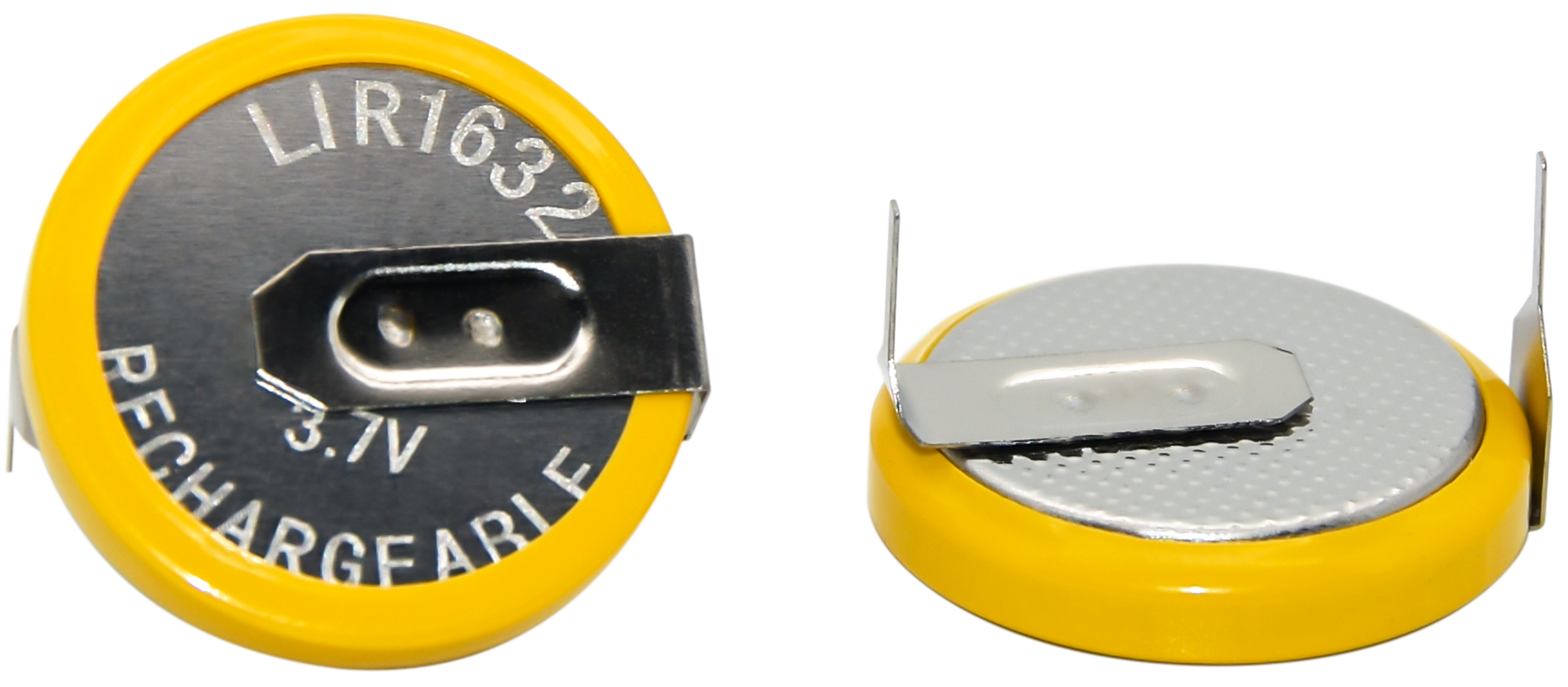
Lithium button cell batteries have become the backbone of modern portable electronics, providing consistent, dependable power for devices that demand reliability over extended periods. Unlike older alkaline button cells, lithium button cell technology offers superior energy density, lower self-discharge rates, and excellent temperature stability. These characteristics make lithium button cell batteries the preferred choice for critical applications ranging from medical devices to precision instruments. Understanding how lithium button cell batteries maintain stable power output is essential for engineers, manufacturers, and procurement professionals who need to select the right energy storage solution for long-term device deployment.
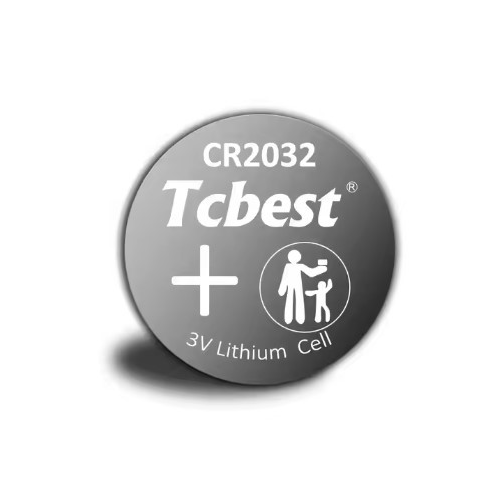
The lithium button cell delivers exceptional performance through its chemical composition and internal structure. A lithium button cell combines lithium metal as the anode with manganese dioxide or other cathode materials, separated by an organic electrolyte. This configuration enables the lithium button cell to maintain a relatively flat voltage profile throughout its discharge cycle, which is critical for devices requiring stable operating conditions. The sealed design of the lithium button cell also minimizes leakage and environmental contamination, extending shelf life and reliability in storage-sensitive applications.
Chemistry and Power Delivery Mechanisms
How Lithium Button Cell Chemistry Ensures Stability
The lithium button cell achieves its reputation for stability through carefully engineered chemical reactions. When a lithium button cell is discharged, lithium ions move from the negative terminal through the electrolyte to the positive terminal, generating electrical current. The lithium button cell's electrolyte is formulated to facilitate this ion movement while preventing internal short circuits. Unlike alkaline cells that experience voltage drops during discharge, a lithium button cell maintains remarkably consistent voltage output until near the end of its life cycle. This flat discharge curve is why the lithium button cell is ideal for precision timing circuits and sensitive electronic components that require constant operating voltage.
Energy Density Advantages of Lithium Button Cell Technology
Lithium button cell batteries pack significantly more energy into their compact form factor than competing technologies. The lithium button cell achieves higher volumetric energy density because lithium metal offers substantially higher electrochemical potential than zinc or other materials used in conventional cells. A lithium button cell rated at 210 mAh or higher can power devices continuously for months or years, depending on current draw. This energy density advantage means a single lithium button cell can replace multiple alkaline alternatives, reducing physical space requirements in device design and lowering total cost of ownership. The lithium button cell's superior energy characteristics translate directly into extended deployment intervals and reduced maintenance overhead for industrial and consumer applications.
Temperature Performance and Environmental Stability
Long-Term Reliability Across Temperature Ranges
One of the most significant advantages of the lithium button cell is its stable performance across wide temperature ranges. A lithium button cell maintains functionality from minus 20 degrees Celsius to plus 60 degrees Celsius, making it suitable for environments where alkaline alternatives fail. The lithium button cell's organic electrolyte remains conductive even at temperatures where aqueous alkaline electrolytes freeze or become sluggish. This temperature resilience means that a lithium button cell in an outdoor sensor, medical implant, or industrial timer continues delivering reliable power regardless of seasonal fluctuations or harsh environmental conditions. The lithium button cell's thermal stability also reduces the rate of chemical degradation, extending usable shelf life and predictable performance over multi-year storage periods.
Self-Discharge and Shelf Life Characteristics
The lithium button cell exhibits exceptionally low self-discharge rates, typically less than 2 percent per year under normal storage conditions. This characteristic means a lithium button cell can sit unused for five to ten years and retain most of its original capacity when eventually activated. The lithium button cell's low self-discharge results from the stability of the lithium metal anode and the high impedance of the organic electrolyte, which blocks parasitic reactions. In contrast, alkaline button cells lose 5 to 10 percent of their capacity annually simply sitting on a shelf. For emergency backup systems, long-term medical devices, and equipment requiring infrequent use, the lithium button cell's superior shelf life dramatically reduces the total cost of battery replacement and inventory management. Organizations deploying lithium button cell batteries can extend maintenance intervals and reduce unplanned downtime from expired power sources.
Industrial Applications and Performance Validation
Real-World Deployment Scenarios for Lithium Button Cell Batteries
Lithium button cell batteries power critical devices across healthcare, industrial automation, and consumer electronics sectors. Medical implants such as pacemakers and drug delivery systems depend on the lithium button cell for years or decades of uninterrupted operation with minimal replacement risk. Industrial wireless sensors equipped with a lithium button cell can monitor temperature, pressure, or vibration for extended periods without site visits for battery changes. Smart meters, security access cards, and precision instruments all benefit from the lithium button cell's stable voltage and extended operational life. The lithium button cell has become the standard choice in these applications because device designers can confidently predict performance and reliability without over-engineering or adding redundant power circuits. The consistent, long-term power delivery from a lithium button cell reduces engineering complexity and increases system uptime.
Capacity Selection and Load Matching
Selecting the correct lithium button cell capacity for a specific application requires understanding both the device's power consumption and the desired operational period. A lithium button cell with 210 mAh capacity suits light-duty applications like RFID tags or low-frequency wireless transmitters that operate intermittently. Higher-capacity lithium button cell variants, such as 240 mAh or 280 mAh versions, support continuous-draw applications or devices with longer duty cycles. The lithium button cell's stable voltage curve means capacity selection primarily determines operational duration rather than voltage consistency. Engineers and procurement teams should evaluate their device's average current draw, operational duty cycle, and replacement frequency requirements to select the optimal lithium button cell size and chemistry. A properly matched lithium button cell will maximize device uptime while minimizing over-specification costs.
Comparative Advantages and Market Position
Lithium Button Cell Performance Against Alternative Technologies
The lithium button cell outperforms zinc-air, alkaline, and silver oxide button cells in most long-term power applications. Zinc-air cells offer high capacity but require air exposure and suffer from rapid self-discharge, making them unsuitable for sealed electronic devices. Alkaline button cells cost less initially but deliver voltage drop during discharge and exhibit higher self-discharge rates, limiting their use to short-term, low-drain applications. Silver oxide cells maintain better voltage consistency than alkaline alternatives but at significantly higher cost and lower energy density than the lithium button cell. The lithium button cell strikes an optimal balance between cost, performance, shelf life, and reliability, making it the dominant choice for original equipment manufacturers specifying long-term battery solutions. This market dominance reflects the lithium button cell's genuine technical superiority in applications prioritizing stability and dependability.
Cost-Benefit Analysis for Long-Term Deployment
While the lithium button cell costs more per unit than alkaline alternatives, total cost of ownership strongly favors lithium button cell adoption for applications with long operational periods or challenging replacement logistics. A lithium button cell rated for five-year deployment eliminates multiple battery replacement cycles compared to alkaline cells requiring annual or biennial changes. For devices in inaccessible locations—such as wireless sensors mounted on building infrastructure or medical implants—the lithium button cell's extended operational life justifies premium pricing by eliminating costly or risky device removal procedures. Organizations calculating true deployment costs over product lifespans consistently find that lithium button cell batteries deliver superior economic value. The lithium button cell's reliability also reduces warranty claims and customer support burden, providing indirect cost savings that extend beyond simple power cost calculations.
FAQ
How long do lithium button cell batteries typically last in practical applications?
A lithium button cell typically provides 3 to 10 years of operational life depending on the application's current draw and duty cycle. Devices consuming minimal power—such as smart cards or medical monitoring implants with intermittent transmission—can operate for a decade or longer on a single lithium button cell. High-drain applications like continuous wireless transmission may deplete a lithium button cell within 1 to 3 years. The shelf life of an unused lithium button cell extends 5 to 10 years under normal storage conditions due to its extremely low self-discharge rate, far exceeding alkaline alternatives.
Can lithium button cell batteries be used in extreme temperatures?
Yes, the lithium button cell is specifically engineered to perform reliably in extreme temperature environments. A standard lithium button cell maintains functionality from minus 20 degrees Celsius to plus 60 degrees Celsius, with some specialty formulations rated for even broader ranges. The organic electrolyte in a lithium button cell remains conductive at low temperatures where alkaline electrolytes freeze, and the chemical reactions remain stable at elevated temperatures. This temperature resilience makes the lithium button cell ideal for outdoor sensors, automotive electronics, industrial monitoring equipment, and other applications exposed to seasonal or environmental extremes.
What is the difference between a lithium button cell and other button cell types?
The primary differences between a lithium button cell and competing types center on energy density, voltage stability, and shelf life. A lithium button cell uses metallic lithium as the anode, generating higher energy density than zinc-based alkaline or zinc-air cells. The lithium button cell maintains a flatter discharge curve, keeping voltage relatively constant throughout its operating life rather than declining gradually like alkaline cells. Additionally, the lithium button cell exhibits dramatically lower self-discharge rates, typically losing less than 2 percent capacity annually compared to 5 to 10 percent for alkaline alternatives. These characteristics make the lithium button cell the optimal choice for long-term power applications where reliability and consistency matter most.