
 EN
EN
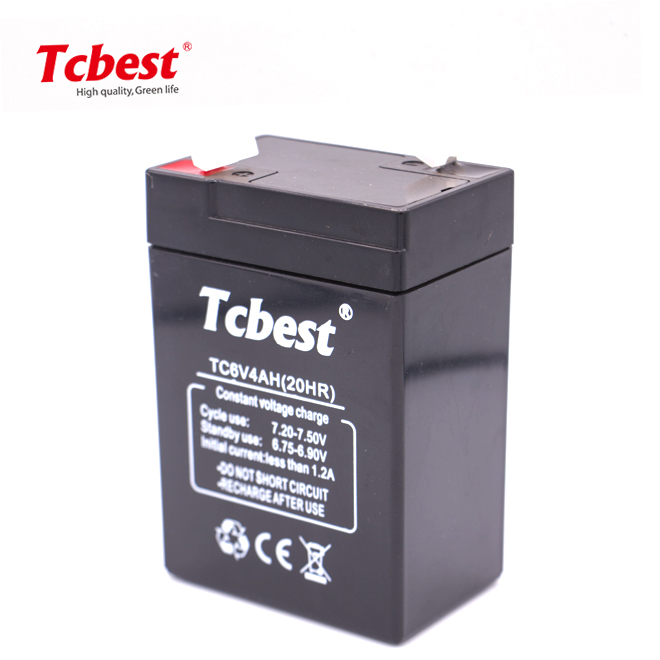
Lead acid batteries have been a cornerstone of energy storage technology for over 150 years, serving as reliable power sources across countless industries and applications. From automotive starting systems to backup power solutions in critical infrastructure, these versatile energy storage devices continue to dominate markets worldwide due to their proven reliability, cost-effectiveness, and robust performance characteristics. Understanding the diverse applications of lead acid batteries helps businesses and consumers make informed decisions about their energy storage needs while appreciating the fundamental role these batteries play in modern society.
Automotive and Transportation Applications
Starting, Lighting, and Ignition Systems
The automotive industry represents the largest consumer market for lead acid batteries, with virtually every conventional vehicle relying on these power sources for starting, lighting, and ignition functions. These batteries provide the high current bursts necessary to crank internal combustion engines while simultaneously powering electrical systems when the engine is not running. The robust construction and reliable cold-weather performance of automotive lead acid batteries make them indispensable for vehicle operation in diverse climatic conditions.
Modern vehicles place increasing demands on their electrical systems, with advanced features such as GPS navigation, entertainment systems, and safety technologies requiring consistent power delivery. Lead acid batteries excel in these applications because they can handle frequent charge and discharge cycles while maintaining stable voltage output throughout their operational life. The established infrastructure for manufacturing, distribution, and recycling of automotive batteries further reinforces their dominance in this sector.
Commercial and Heavy-Duty Vehicles
Commercial transportation fleets, including trucks, buses, and construction equipment, rely heavily on specialized lead acid batteries designed for demanding operational environments. These applications require batteries capable of withstanding vibration, temperature extremes, and extended duty cycles while delivering consistent performance. Heavy-duty lead acid batteries feature reinforced construction and enhanced electrolyte formulations to meet the rigorous demands of commercial vehicle operations.
Fleet operators particularly value the predictable performance characteristics and established maintenance protocols associated with lead acid battery technology. The ability to monitor battery health through specific gravity measurements and voltage testing enables proactive maintenance scheduling, reducing unexpected downtime and optimizing operational efficiency across large vehicle fleets.
Industrial and Manufacturing Applications
Material Handling Equipment
Warehouses, distribution centers, and manufacturing facilities worldwide depend on electric forklifts and material handling equipment powered by industrial lead acid batteries. These applications demand batteries capable of providing sustained power output during multi-shift operations while withstanding the physical stresses of industrial environments. Deep-cycle lead acid batteries designed for material handling applications feature thick plates and robust construction to handle the repeated deep discharge cycles characteristic of forklift operations.
The established charging infrastructure and maintenance expertise available for industrial lead acid batteries make them a practical choice for facility managers seeking reliable material handling solutions. Battery room facilities can accommodate multiple battery sets, enabling continuous operations through strategic battery rotation and charging schedules that maximize equipment uptime while extending overall battery life.
Emergency Power and Backup Systems
Critical facilities such as hospitals, data centers, and telecommunications infrastructure rely on lead acid batteries for uninterruptible power supply systems and emergency backup power. These applications require batteries that can remain in standby mode for extended periods while maintaining full readiness to deliver power during utility outages. Valve-regulated lead acid batteries excel in these roles because they require minimal maintenance while providing reliable float service life measured in years rather than charge cycles.
The ability of lead acid batteries to provide immediate power without startup delays makes them essential components in emergency power systems where even brief interruptions can have serious consequences. Modern battery management systems integrated with lead acid battery banks enable remote monitoring and predictive maintenance capabilities that ensure optimal system readiness when backup power is needed most.
Renewable Energy and Grid Storage
Solar Energy Storage Systems
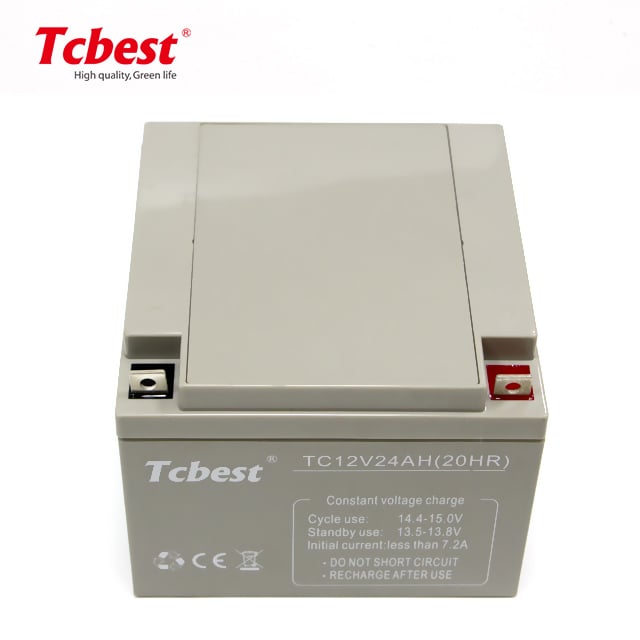
Residential and commercial solar installations frequently incorporate lead acid batteries for energy storage, enabling property owners to maximize their renewable energy investments by storing excess solar power for use during peak demand periods or nighttime hours. Deep-cycle lead acid batteries designed for solar applications can handle the daily charge and discharge cycles associated with solar energy systems while providing years of reliable service when properly maintained.
The cost-effectiveness of lead acid batteries makes them an attractive option for solar energy storage, particularly in applications where initial system cost is a primary consideration. Advanced battery monitoring systems can optimize charge controller settings and discharge parameters to maximize the lifespan and performance of lead acid battery banks in solar installations.
Wind Power and Grid Integration
Utility-scale renewable energy projects utilize large lead acid battery installations to smooth power output fluctuations and provide grid stabilization services. These systems require batteries capable of rapid response to grid conditions while maintaining long-term reliability under varying load conditions. The proven track record of lead acid batteries in stationary applications makes them suitable for grid-scale energy storage projects where predictable performance and established maintenance practices are valued.
Grid operators appreciate the linear discharge characteristics and well-understood behavior patterns of lead acid batteries when integrating renewable energy sources into existing power distribution networks. The ability to configure large battery banks using standardized components enables scalable energy storage solutions that can be expanded as renewable energy capacity increases.
Marine and Recreational Vehicle Applications
Marine Starting and House Power
Boats and marine vessels require reliable battery systems for engine starting and onboard electrical systems, making lead acid batteries a popular choice due to their resistance to vibration and ability to perform in marine environments. Marine lead acid batteries feature enhanced corrosion resistance and sealed construction to withstand the challenging conditions encountered in saltwater and freshwater applications.
The dual-purpose nature of many marine lead acid batteries allows them to serve both starting and deep-cycle functions, providing versatility for boat owners who need reliable power for navigation equipment, lighting, and onboard appliances. The established marine battery infrastructure ensures availability of replacement batteries and maintenance services at marinas and boat dealers worldwide.
Recreational Vehicle Power Systems
Recreational vehicles, including motorhomes, travel trailers, and campers, rely on lead acid batteries for both chassis electrical systems and house power applications. These batteries must provide reliable power for lighting, water pumps, appliances, and entertainment systems while withstanding the vibration and temperature variations associated with mobile camping applications.
RV enthusiasts value the established charging infrastructure and maintenance knowledge associated with lead acid battery technology, enabling them to maintain their power systems using readily available equipment and expertise. The ability to parallel multiple batteries enables RV owners to scale their energy storage capacity based on their specific power requirements and camping styles.
Telecommunications and Data Infrastructure
Cell Tower Backup Power
Telecommunications networks depend on reliable backup power systems to maintain service during utility outages, with lead acid batteries serving as the primary energy storage technology for cell tower sites and communication facilities. These applications require batteries that can provide extended runtime during power outages while maintaining communication services that are essential for public safety and emergency response.
The remote locations of many cell tower installations make the low-maintenance characteristics of valve-regulated lead acid batteries particularly valuable, as they can operate for years without requiring regular maintenance visits. Advanced battery monitoring systems enable telecommunications companies to track battery performance and schedule maintenance activities to ensure optimal system reliability.
Data Center Uninterruptible Power Supply
Data centers worldwide utilize massive lead acid battery installations to provide uninterruptible power supply protection for critical computing infrastructure. These systems must be capable of seamlessly taking over electrical loads during utility interruptions while providing sufficient runtime for orderly system shutdown or generator startup procedures.
The predictable aging characteristics and established replacement procedures for data center lead acid batteries enable facility managers to implement proactive maintenance schedules that minimize the risk of unexpected battery failures. The modular nature of lead acid battery systems allows for staged replacement programs that maintain system capacity while spreading capital expenditures over time.
FAQ
How long do lead acid batteries typically last in different applications
The lifespan of lead acid batteries varies significantly based on application and usage patterns. Automotive batteries typically last 3-5 years under normal driving conditions, while deep-cycle batteries used in solar or marine applications can provide 4-8 years of service with proper maintenance. Standby batteries in emergency power systems may last 10-15 years due to their float service application, though regular testing and maintenance are essential for optimal performance throughout their service life.
What maintenance is required for lead acid batteries
Flooded lead acid batteries require regular maintenance including electrolyte level checks, specific gravity testing, and terminal cleaning to ensure optimal performance and longevity. Valve-regulated lead acid batteries require minimal maintenance but benefit from regular voltage testing and visual inspections. All lead acid battery types should be kept clean and properly charged, with charging systems regularly inspected to prevent overcharging or undercharging conditions that can significantly reduce battery life.
Can lead acid batteries be recycled
Lead acid batteries are among the most recycled consumer products, with recycling rates exceeding 95% in developed countries. The recycling process recovers lead, plastic components, and sulfuric acid for use in manufacturing new batteries, making lead acid battery technology highly sustainable from an environmental perspective. Established collection and recycling infrastructure ensures that used batteries can be properly processed through automotive retailers, scrap dealers, and specialized recycling facilities.
What are the advantages of lead acid batteries over other battery technologies
Lead acid batteries offer several key advantages including low initial cost, proven reliability, established recycling infrastructure, and well-understood performance characteristics. They excel in applications requiring high current delivery, can operate effectively in extreme temperatures, and provide predictable aging patterns that enable proactive maintenance planning. The widespread availability of charging equipment and maintenance expertise makes lead acid batteries a practical choice for many applications where these advantages outweigh considerations such as energy density or cycle life.