
 EN
EN
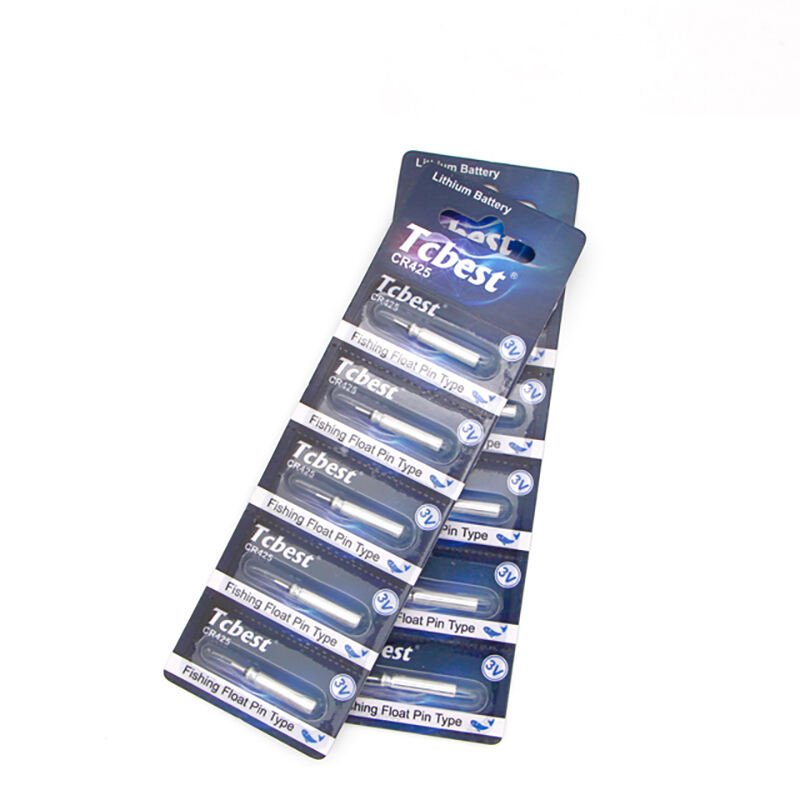
Night fishing presents unique challenges that require specialized equipment to ensure success and safety. Among the most critical components for nighttime angling are fishing float batteries, which power the illuminated floats that make bite detection possible in low-light conditions. These compact power sources have revolutionized the way anglers approach nocturnal fishing, providing reliable energy to LED lights that transform ordinary floats into highly visible indicators. The effectiveness of night fishing largely depends on having dependable battery power that maintains consistent brightness throughout extended fishing sessions, making the choice of battery technology a crucial factor in angling success.
Understanding Fishing Float Battery Technology
Lithium Battery Advantages
Modern fishing float batteries predominantly utilize lithium technology due to its superior performance characteristics in outdoor applications. Lithium manganese dioxide batteries offer exceptional stability and longevity, making them ideal for powering LED fishing floats during extended night fishing sessions. These batteries maintain consistent voltage output throughout their discharge cycle, ensuring that float illumination remains bright and visible even as power levels decrease. The lightweight nature of lithium batteries also prevents them from affecting the float's buoyancy and sensitivity, allowing anglers to detect even the slightest bite indications.
The temperature resilience of lithium fishing float batteries makes them particularly valuable for night fishing in varying weather conditions. Unlike alkaline alternatives, lithium batteries perform reliably in cold temperatures that are common during nighttime fishing expeditions. This temperature stability ensures that anglers can depend on consistent float illumination regardless of seasonal conditions or geographic location. Additionally, the low self-discharge rate of lithium batteries means they retain their charge for extended periods when stored, making them ready for spontaneous night fishing adventures.
Battery Capacity and Runtime
The capacity of fishing float batteries directly impacts the duration of illumination available during night fishing sessions. High-capacity lithium cells, such as CR2032 models with 240mAh capacity, provide extended runtime that can last through entire overnight fishing expeditions. This extended capacity is crucial for serious night anglers who spend multiple hours on the water and require consistent float visibility throughout their session. The relationship between battery capacity and LED efficiency determines the total operational time, with modern LED technology maximizing the utility of each milliamp-hour of stored energy.
Understanding battery capacity helps anglers plan their night fishing trips more effectively by estimating how long their illuminated floats will remain operational. Higher capacity batteries not only provide longer runtime but also maintain more consistent brightness levels as they discharge. This consistency is essential for maintaining optimal bite detection sensitivity, as dimming float lights can make it difficult to observe subtle movements that indicate fish activity. Professional night anglers often carry spare batteries to ensure uninterrupted fishing, but high-capacity options reduce the frequency of battery changes required during extended sessions.
Enhanced Visibility and Bite Detection
LED Integration and Light Output
The integration of LED technology with fishing float batteries creates highly effective bite detection systems that excel in low-light conditions. Modern LED fishing floats utilize efficient light-emitting diodes that draw minimal current while producing bright, clearly visible illumination. The combination of high-efficiency LEDs with reliable lithium batteries results in float systems that can operate for many hours while maintaining excellent visibility from considerable distances. This technological synergy allows anglers to position themselves farther from their fishing spots while still maintaining clear visual contact with their bite indicators.
The color temperature and brightness of LED fishing floats powered by quality batteries significantly impact bite detection effectiveness. Different LED colors penetrate water and atmospheric conditions with varying degrees of success, with green and red LEDs often providing optimal visibility in most night fishing scenarios. The stable voltage output of lithium batteries ensures that LED color remains consistent throughout the fishing session, preventing color shifts that could affect visibility or detection accuracy. Many modern fishing float systems incorporate multiple LED colors or adjustable brightness settings, all dependent on reliable battery power for optimal performance.
Range and Distance Considerations
The effective range of illuminated fishing floats depends heavily on the power and consistency of their battery systems. High-quality fishing float batteries enable LED lights to maintain sufficient brightness for detection at distances of 50 meters or more in clear conditions. This extended visibility range allows anglers greater flexibility in positioning and enables fishing in larger bodies of water where distance from the shore is necessary. The combination of bright LEDs and reliable batteries also improves visibility in challenging conditions such as fog, light rain, or areas with ambient light pollution from nearby urban areas.
Environmental factors such as water surface conditions and atmospheric clarity affect the perceived brightness and visibility of illuminated floats. Calm water surfaces provide better light reflection and visibility, while choppy conditions may require brighter illumination to maintain consistent detection capability. Quality fishing float batteries ensure that LED output remains sufficient to overcome these environmental challenges by providing stable power throughout varying conditions. Anglers fishing in different environments often adjust their battery and LED combinations to optimize visibility for specific conditions and fishing locations.
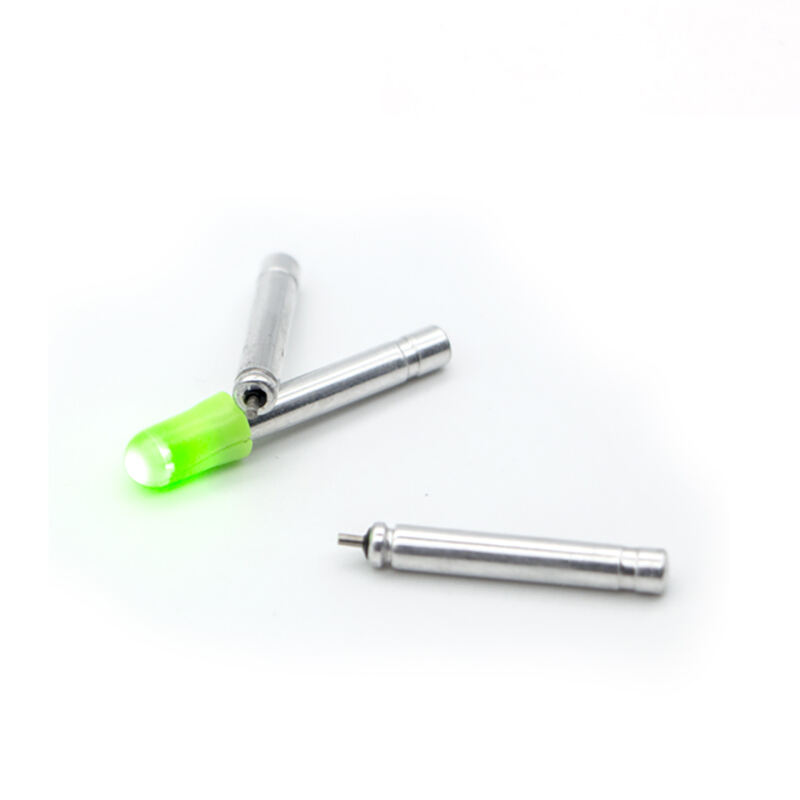
Battery Selection and Performance Optimization
Voltage Requirements and Compatibility
Selecting appropriate fishing float batteries requires understanding the voltage requirements of specific LED float systems. Most fishing float LED systems operate on 3V power supplies, making lithium coin cell batteries the optimal choice for these applications. The 3V output of lithium manganese dioxide batteries perfectly matches the requirements of single-LED systems while providing sufficient current capacity for extended operation. Voltage compatibility ensures optimal LED performance and prevents damage that could occur from overvoltage or insufficient power supply conditions.
Battery voltage stability throughout the discharge cycle affects LED performance and overall fishing effectiveness. Quality lithium fishing float batteries maintain consistent 3V output until near complete discharge, ensuring that float brightness remains constant throughout fishing sessions. This voltage stability prevents the gradual dimming that occurs with alkaline batteries as they discharge, maintaining optimal bite detection capability until battery replacement becomes necessary. Understanding voltage characteristics helps anglers choose batteries that provide predictable performance and reliable operation duration.
Environmental Durability and Weather Resistance
Night fishing often exposes equipment to challenging environmental conditions including moisture, temperature variations, and potential water immersion. High-quality fishing float batteries feature robust construction that resists corrosion and moisture infiltration while maintaining reliable electrical contact. Sealed battery designs prevent water ingress that could cause short circuits or corrosion damage, ensuring continued operation even in humid or wet conditions. The durability of lithium battery chemistry provides additional protection against environmental factors that commonly affect fishing equipment.
Temperature cycling between day and night conditions tests the resilience of fishing float batteries, particularly during seasonal transitions when temperature variations are most extreme. Lithium batteries demonstrate superior performance across wide temperature ranges, maintaining capacity and voltage stability in conditions where alkaline batteries might fail. This temperature resilience is particularly important for anglers who fish year-round or in geographic regions with significant temperature variations. Proper battery selection based on environmental durability ensures reliable float operation regardless of seasonal or weather conditions.
Installation and Maintenance Considerations
Proper Battery Installation Techniques
Correct installation of fishing float batteries is essential for optimal performance and safety during night fishing operations. Battery orientation must match the polarity markings in the float housing to ensure proper electrical contact and prevent potential damage to LED components. Clean electrical contacts free from corrosion or debris ensure reliable power transfer and prevent intermittent operation that could affect bite detection reliability. Many experienced anglers apply a thin layer of dielectric grease to battery contacts to prevent corrosion and ensure long-term reliability in marine environments.
Secure battery installation prevents movement that could cause intermittent electrical contact during casting or fish fighting activities. Float designs typically include spring-loaded contacts or secure battery compartments that maintain consistent pressure on battery terminals. Proper installation also includes ensuring that battery compartment seals are intact and properly positioned to prevent water ingress during fishing operations. Regular inspection of installation integrity helps prevent battery failure and ensures continued reliability throughout night fishing sessions.
Storage and Longevity Management
Proper storage of fishing float batteries extends their useful life and ensures readiness for spontaneous night fishing opportunities. Lithium batteries should be stored in cool, dry environments away from direct sunlight and extreme temperatures that could affect their performance characteristics. Removing batteries from fishing floats during extended storage periods prevents potential corrosion damage and preserves battery capacity for future use. Many anglers maintain dedicated storage containers with organized battery supplies to ensure fresh batteries are always available for fishing trips.
Battery rotation practices help ensure that older batteries are used first while maintaining fresh backup supplies for extended fishing expeditions. Dating batteries upon purchase and storage helps track their age and expected performance characteristics. Quality lithium fishing float batteries typically maintain their capacity for several years when properly stored, making them excellent long-term investments for regular night fishing activities. Understanding storage best practices maximizes the return on battery investments and ensures reliable performance when batteries are needed most.
FAQ
How long do fishing float batteries typically last during night fishing?
High-quality lithium fishing float batteries typically provide 8-12 hours of continuous LED illumination, depending on the specific LED efficiency and battery capacity. CR2032 batteries with 240mAh capacity can power standard fishing float LEDs for extended night fishing sessions. Battery life varies based on LED brightness settings, temperature conditions, and the age of the battery. Many anglers find that quality lithium batteries easily last through overnight fishing sessions with capacity remaining for future use.
Can I use rechargeable batteries in fishing floats?
While some fishing floats accommodate rechargeable batteries, most are designed specifically for lithium coin cell batteries due to size and voltage requirements. Rechargeable options typically have lower voltage output and may not provide sufficient power for optimal LED brightness. Additionally, the sealed nature of most fishing floats makes battery replacement easier than implementing charging systems. For occasional night fishing, disposable lithium batteries often provide better reliability and convenience than rechargeable alternatives.
What should I do if my fishing float battery gets wet?
If water enters the battery compartment of a fishing float, immediately remove the battery and dry all components thoroughly before reassembly. Inspect battery contacts for signs of corrosion and clean with appropriate contact cleaner if necessary. Quality lithium batteries are generally resistant to brief water exposure, but prolonged moisture contact can cause damage. Ensure that float seals are properly maintained to prevent future water ingress and protect battery systems during fishing operations.
How can I maximize the performance of my fishing float batteries?
Maximize fishing float battery performance by using high-quality lithium batteries from reputable manufacturers, ensuring proper installation with clean contacts, and storing batteries in appropriate conditions when not in use. Avoid leaving batteries in floats for extended periods when not fishing, as this can lead to corrosion or gradual discharge. Regular inspection of battery contacts and float seals helps maintain optimal performance and prevents issues that could affect reliability during important fishing sessions.