
 EN
EN
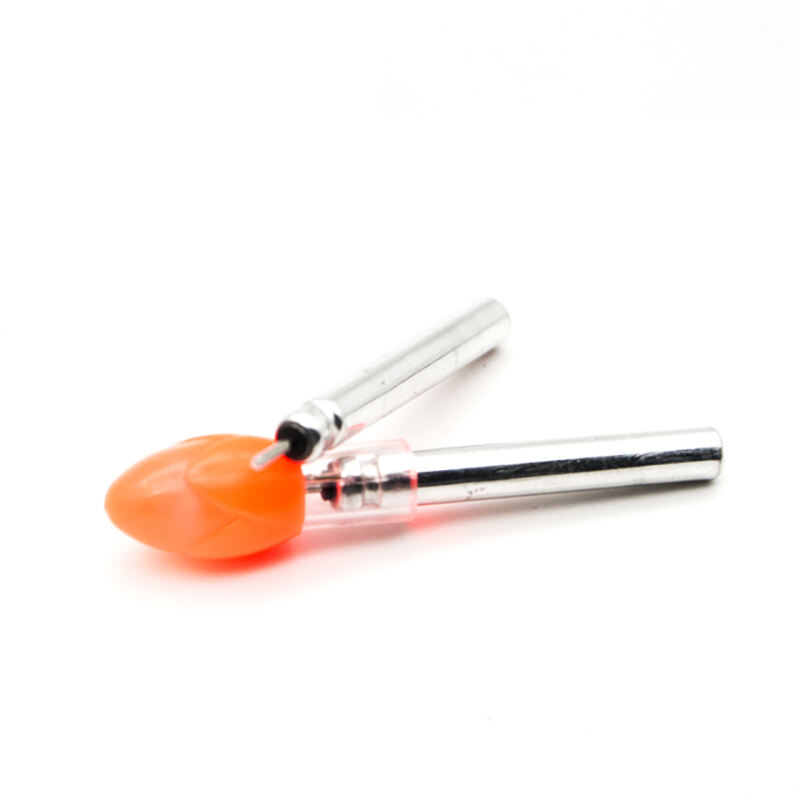
Selecting the appropriate fishing float battery is crucial for ensuring your electronic fishing equipment operates reliably during those critical moments when fish are biting. Modern fishing floats equipped with LED lights, sonar capabilities, and bite detection systems depend entirely on consistent power delivery to function effectively. The performance of your fishing adventures can be significantly impacted by the quality and suitability of the battery you choose for your specialized gear.
Understanding Battery Types for Fishing Equipment
Lithium Button Cell Advantages
Lithium button cells represent the gold standard for fishing float battery applications due to their exceptional energy density and stable voltage output. These compact power sources maintain consistent performance across a wide temperature range, making them ideal for early morning fishing sessions or cold weather conditions. The CR2032 format has become particularly popular among anglers because it provides reliable 3V power while occupying minimal space within float housings.
The longevity of lithium chemistry ensures your fishing float battery will deliver dependable service throughout extended fishing trips. Unlike alkaline alternatives, lithium batteries resist voltage drop under load, maintaining bright LED illumination and sensitive electronic functionality until the battery reaches end-of-life. This characteristic prevents the frustrating experience of dimming lights or erratic behavior that could cause you to miss important bite indicators.
Alkaline vs Lithium Performance
When comparing alkaline and lithium options for fishing float battery selection, the performance differences become immediately apparent in real-world conditions. Alkaline batteries typically deliver adequate initial voltage but experience rapid degradation in cold temperatures, which are common during prime fishing hours. Their internal resistance increases significantly as they discharge, leading to diminished performance in electronic circuits that require stable power delivery.
Lithium batteries maintain superior performance characteristics across their entire discharge cycle, providing consistent voltage regulation that electronic fishing equipment demands. The self-discharge rate of quality lithium cells remains extremely low, allowing batteries to retain their charge during storage periods between fishing trips. This reliability factor makes lithium technology the preferred choice for serious anglers who depend on their equipment performing flawlessly when opportunities arise.
Technical Specifications That Matter
Voltage Requirements and Stability
Electronic fishing floats typically operate on 3V systems, making voltage compatibility the primary consideration when selecting a fishing float battery. The nominal 3.0V output of lithium button cells aligns perfectly with circuit designs found in modern LED-equipped floats and bite detection systems. Maintaining stable voltage throughout the discharge cycle ensures consistent brightness levels and reliable sensor operation during crucial fishing moments.
Voltage stability becomes particularly important when fishing floats incorporate multiple functions such as LED illumination, vibration alerts, and wireless communication capabilities. These advanced features draw varying current loads that can cause voltage fluctuations in lower-quality batteries. Premium lithium cells maintain tight voltage regulation under dynamic load conditions, preventing performance degradation that could compromise your fishing success.
Capacity and Runtime Considerations
Battery capacity, measured in milliamp-hours (mAh), directly determines how long your fishing float battery will power your equipment during extended fishing sessions. A 240mAh capacity provides substantial runtime for most fishing applications, supporting continuous LED operation for many hours while maintaining reserve power for peak current demands during bite detection events.
Runtime calculations should account for the specific power consumption characteristics of your fishing float equipment. LED indicators typically draw 10-20mA during operation, while electronic bite sensors may require brief 50-100mA pulses during activation. Understanding these power requirements helps determine whether standard capacity batteries meet your fishing duration needs or if higher-capacity alternatives would provide better value for extended fishing expeditions.
Environmental Factors and Durability
Temperature Performance Range
Fishing activities often occur during temperature extremes that can significantly impact fishing float battery performance if the wrong chemistry is selected. Early morning sessions frequently encounter temperatures near freezing, while summer fishing may involve exposure to elevated temperatures inside tackle boxes or direct sunlight. Lithium manganese chemistry demonstrates exceptional temperature stability, maintaining consistent voltage output from -20°C to +60°C operating ranges.
Cold weather performance represents a critical advantage of lithium technology over alkaline alternatives for fishing applications. As temperatures drop below 10°C, alkaline batteries experience dramatic capacity reduction and increased internal resistance that can render electronic fishing equipment unreliable. Lithium cells maintain their full capacity rating even in near-freezing conditions, ensuring your fishing float battery continues delivering dependable power when fish are most active during cooler periods.
Moisture and Corrosion Resistance
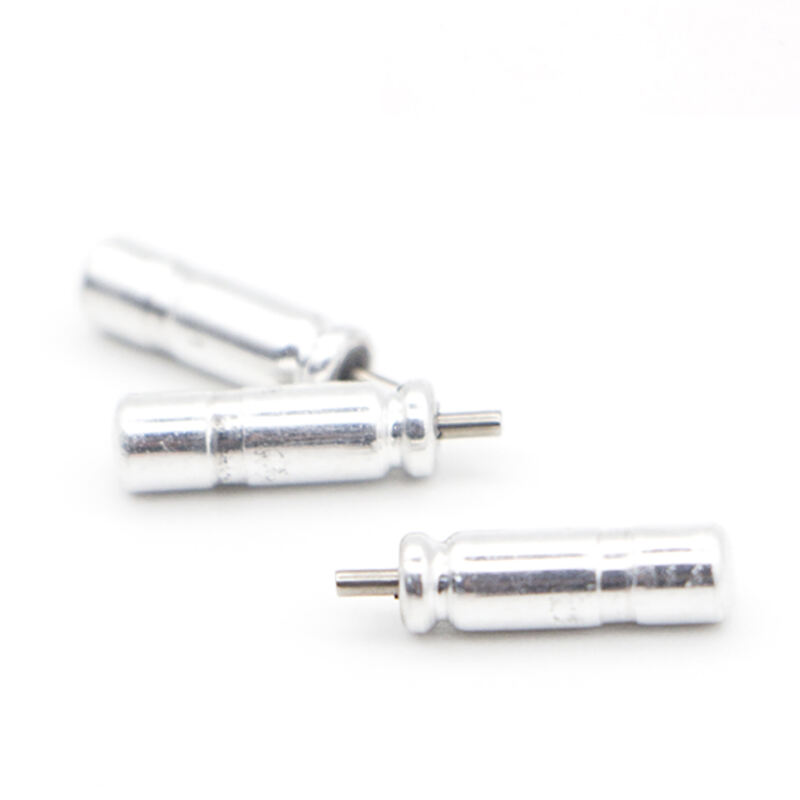
The harsh aquatic environment demands fishing float battery technology that resists moisture ingress and corrosion damage that could compromise electrical connections. Quality lithium button cells feature robust construction with welded seams and corrosion-resistant materials that withstand exposure to humid conditions typical of fishing environments. The sealed construction prevents internal contamination that could lead to premature failure or erratic performance.
Battery terminal design plays an important role in long-term reliability within fishing equipment subjected to moisture exposure. Nickel-plated contacts provide superior corrosion resistance compared to standard materials, maintaining low-resistance connections that ensure optimal power transfer to your fishing float electronics. Proper terminal protection becomes especially important for equipment that may experience occasional splash exposure or storage in humid tackle boxes.
Installation and Maintenance Best Practices
Proper Battery Insertion Techniques
Correct installation procedures ensure optimal contact between your fishing float battery and the equipment terminals, preventing intermittent connections that could cause unreliable operation during critical fishing moments. Always verify proper polarity alignment before inserting the battery, as reverse installation can damage sensitive electronic circuits. Clean battery compartment contacts with a dry cloth to remove any corrosion or debris that might impede electrical connection quality.
Many fishing floats incorporate spring-loaded contact systems that require gentle pressure to ensure proper battery seating without damaging the contacts. Avoid forcing batteries into position, as excessive pressure can deform contact springs or create stress fractures in the battery housing. Test functionality immediately after installation to confirm proper operation before heading out on your fishing expedition.
Storage and Longevity Tips
Proper storage techniques significantly extend fishing float battery service life and ensure reliable performance when your equipment is needed. Remove batteries from fishing floats during extended storage periods to prevent potential leakage damage to electronic components. Store spare batteries in their original packaging or protective cases to prevent contact with metallic objects that could cause accidental discharge or short circuits.
Temperature-controlled storage environments help preserve battery capacity and extend shelf life for your fishing float battery inventory. Avoid storing batteries in locations subject to extreme temperature variations, such as vehicle glove compartments or unheated storage sheds. Room temperature storage in dry conditions provides optimal preservation of battery performance characteristics and prevents premature capacity degradation.
Cost-Effectiveness and Value Analysis
Initial Investment vs Long-term Value
While premium lithium fishing float battery options may require higher initial investment compared to alkaline alternatives, the total cost of ownership typically favors lithium technology for regular fishing enthusiasts. The extended service life and superior performance characteristics of lithium cells reduce the frequency of battery replacements, lowering long-term operating costs. Additionally, the reliability benefits of lithium technology help prevent missed fishing opportunities due to equipment failure.
Performance consistency represents another value factor that justifies premium battery selection for serious anglers. The stable voltage output and extended runtime of quality lithium batteries ensure your fishing float battery maintains optimal performance throughout its entire service life. This reliability prevents the gradual performance degradation experienced with lower-cost alternatives that could compromise your fishing success during critical moments.
Bulk Purchasing Considerations
Strategic purchasing of fishing float battery supplies can provide significant cost savings for anglers who regularly use electronic fishing equipment. Buying batteries in larger quantities often reduces per-unit costs while ensuring adequate inventory for extended fishing seasons. However, consider the shelf life characteristics of your chosen battery chemistry to avoid purchasing more batteries than you can use before they exceed their optimal storage period.
Seasonal demand fluctuations can affect battery pricing, making off-season purchases an attractive option for budget-conscious anglers. Planning your fishing float battery procurement during slower retail periods can yield substantial savings while ensuring you have adequate supplies when fishing activity increases. Monitor expiration dates carefully when buying in bulk to ensure all batteries remain within their optimal performance window.
FAQ
How long should a fishing float battery last during typical use?
A quality 240mAh lithium fishing float battery typically provides 12-24 hours of continuous LED operation, depending on the specific power consumption of your fishing float design. Intermittent use patterns common in actual fishing scenarios can extend runtime significantly, often providing several days of service from a single battery. Bite detection systems that activate only when triggered consume minimal standby power, further extending operational periods.
Can I use rechargeable batteries in my fishing float?
While some fishing floats may accommodate rechargeable batteries, most are designed specifically for primary lithium cells due to voltage requirements and size constraints. Rechargeable batteries typically provide 1.2V nominal voltage compared to the 3.0V output of lithium primaries, potentially causing compatibility issues with electronic circuits. Additionally, the self-discharge characteristics of rechargeable batteries may not suit intermittent fishing equipment usage patterns.
What should I do if my fishing float battery leaks?
Battery leakage in fishing equipment requires immediate attention to prevent permanent damage to electronic components. Remove the damaged battery immediately using gloves or tools to avoid skin contact with corrosive materials. Clean the battery compartment thoroughly with isopropyl alcohol and allow complete drying before installing a replacement battery. If corrosion has occurred on electrical contacts, gentle cleaning with fine sandpaper may restore conductivity.
How can I tell when my fishing float battery needs replacement?
Signs of fishing float battery depletion include dimming LED brightness, erratic electronic behavior, or reduced sensitivity in bite detection systems. Quality lithium batteries maintain consistent performance until near end-of-life, then experience rapid performance decline. Carrying spare batteries ensures you can quickly replace depleted power sources without interrupting your fishing activities when performance degradation becomes apparent.