
 EN
EN
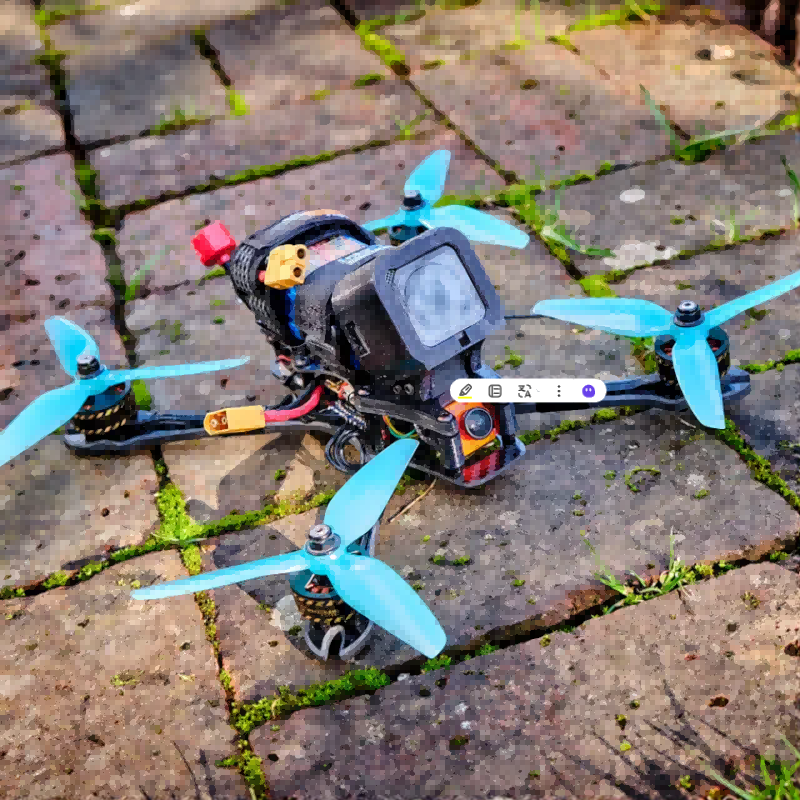
FPV (First-Person View) drones are known for their speed, agility, and high-performance flight. Whether for racing, acrobatics, or cinematic cruising, battery life is always a critical limiting factor. Many beginners ask: How long do FPV drone batteries actually last?
The answer has two parts: how long a single flight lasts, and how long a battery lasts overall. This article will explain both, and introduce the key factors affecting battery life, as well as how to safely extend its lifespan.
Introduction
Typical Battery Specifications and the Expectation of "20 Minutes of Flight" Unlike consumer-grade aerial photography drones, FPV drones are not designed for long periods of hovering. The so-called "20-minute flight time" usually only exists in highly optimized long-range models, and only under very gentle and ideal flight conditions.
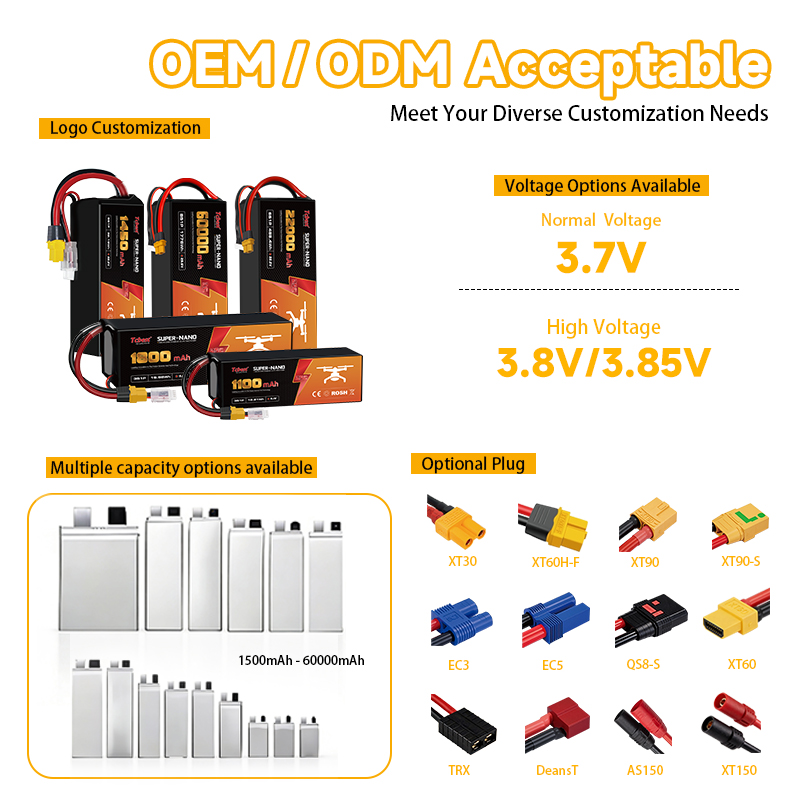
Most FPV drones use LiPo (lithium polymer) batteries, commonly 4S or 6S, with capacities ranging from approximately 850mAh to 1800mAh, and featuring extremely high discharge rates to handle instantaneous high current demands.
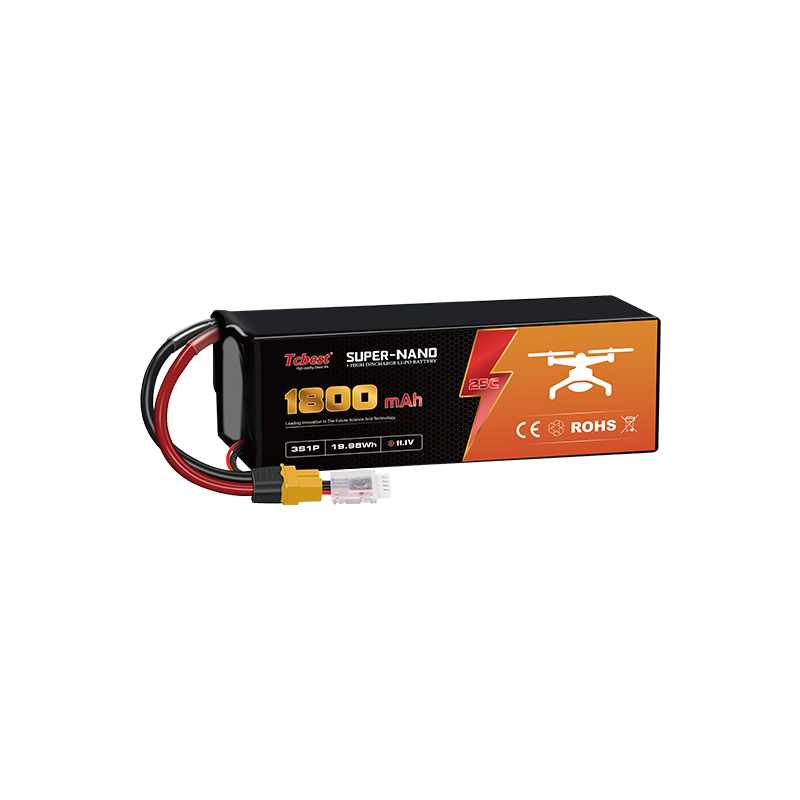
In real flight:
Racing flight: Short and intense, usually only a few minutes.
Acrobatic flight: Generally lasts several minutes.
Smooth cruising: Can slightly extend flight time.
Long-range FPV: Longer flight times are only possible with careful configuration.
Therefore, FPV pilots almost never rely on just one battery. Carrying multiple batteries for rotation is the norm, and a single flight usually requires multiple battery changes.
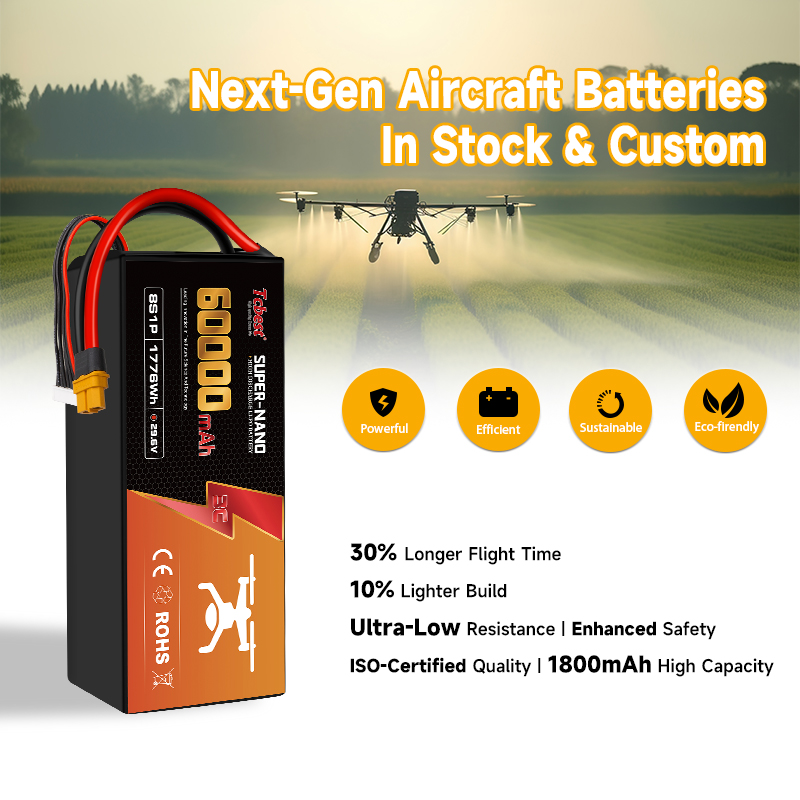
Unveiling the Truth: Understanding FPV Drone Battery Life
Characteristics of FPV Drone Batteries
FPV drones place very demanding requirements on batteries. Rapid throttle changes, rapid acceleration, flips, and high-speed maneuvers all draw large currents in a very short time.
The reason for choosing LiPo batteries is that they possess:
● Powerful instantaneous power output
● Lighter weight
● Fast voltage response
But this performance comes at a cost. Compared to ordinary consumer drones, FPV LiPo batteries are more susceptible to usage habits and more prone to aging.
Typically, an FPV LiPo battery can withstand hundreds of complete charge and discharge cycles. Based on flight frequency and maintenance, the actual service life is approximately one to two years.
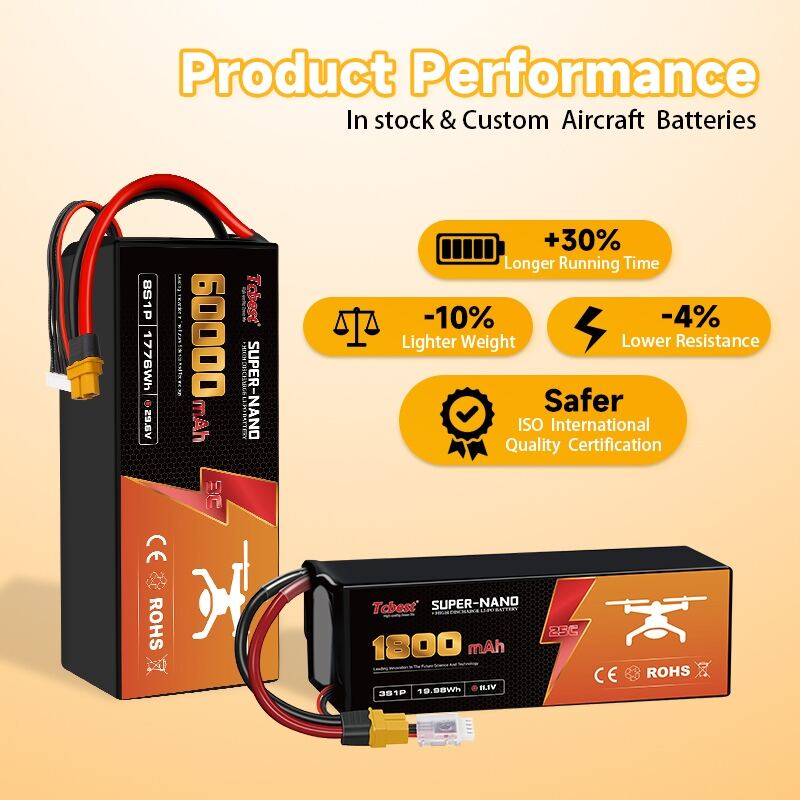
Factors Affecting FPV Drone Battery Life
Impact of Drone Weight
Weight is one of the most important factors affecting battery life and flight time.
The heavier the drone, the more throttle is required for hovering and flight, resulting in higher current consumption and naturally faster battery depletion. Even a small increase in weight can significantly shorten flight time.
Thicker frames, larger batteries, or heavier components may seem beneficial, but often lead to shorter flight times and a higher battery burden. Overall, lightweight models are more energy-efficient and more battery-friendly.
Impact of Additional Equipment on Battery Life
Many FPV pilots add equipment to improve functionality or image quality, but these all consume power.
Common equipment that affects flight time includes:
● Action cameras
● Digital video transmission systems
● GPS modules
● LED lights
● Buzzers and telemetry modules
These devices not only consume power directly but also increase the overall weight of the drone. The combined effect significantly shortens flight time and accelerates battery aging. Reducing unnecessary equipment is one of the simplest and most effective ways to improve flight time.
Methods to Improve FPV Flight Time and Battery Life
Adopting Correct Battery Maintenance Practices
Good usage habits can significantly extend the usable life of FPV batteries.
Key practices include:
● Avoiding over-discharge: Land promptly before the single-cell voltage drops too low under load.
● Maintain a suitable storage voltage when not in use.
● Allow the battery to cool completely before charging.
● Always perform balanced charging.
● Use fireproof containers for charging and storage.
Ignoring these principles often leads to capacity degradation, cell imbalance, battery swelling, and even safety hazards.
Is Upgrading to a Larger Capacity Battery Helpful?
Is a Larger Capacity Battery Always Better?
Larger capacity means more energy is stored, which theoretically extends flight time.
However, the battery will also be heavier, thus reducing efficiency.
As capacity increases:
● Throttle demand increases
● Control sensitivity decreases
● The load on the motors and ESCs increases
In many cases, the losses due to weight offset the gains from increased capacity, and the improvement in flight time is not significant. Therefore, the best choice is usually a balance between capacity, weight, and performance, rather than simply pursuing the maximum capacity. What are the risks of LiPo batteries?
Risks of LiPo Batteries
LiPo batteries are powerful, but must be used with caution.
Potential risks include:
● Fire or explosion caused by overcharging or short circuits
● Thermal runaway due to overheating
● Permanent damage caused by over-discharging
● Swelling caused by chemical aging
Most accidents stem from improper use, not from the battery's inherent quality. The risks can be significantly reduced by using the correct charger, monitoring the voltage, and following safety guidelines.
Do I need a special charger for charging FPV drone batteries?
Do I need a special charger?
The answer is: Absolutely yes.
FPV batteries can only be charged using a professional LiPo charger that supports the following functions:
● Correct cell count identification
● Balancing charging function
● Adjustable charging current
● Multiple safety protection mechanisms
Using unsuitable charging equipment may damage the battery and pose serious safety risks. A high-quality charger is crucial for both performance and safety.
Summary: Overall lifespan of FPV batteries
FPV drone batteries are designed for performance, not for ultra-long flight times. Single flight times are relatively short, but with proper use and maintenance, they can withstand a large number of charge and discharge cycles.
In general:
● FPV flight times are usually measured in "minutes"
● Battery life is highly dependent on usage and maintenance habits
● Weight and additional equipment significantly affect flight time
● Proper storage and charging can significantly extend lifespan
● Rotating multiple batteries is common practice for FPV flying
Understanding and respecting your FPV batteries will not only allow you to fly longer and safer, but also allow you to focus on the real fun – flying itself.