
 EN
EN
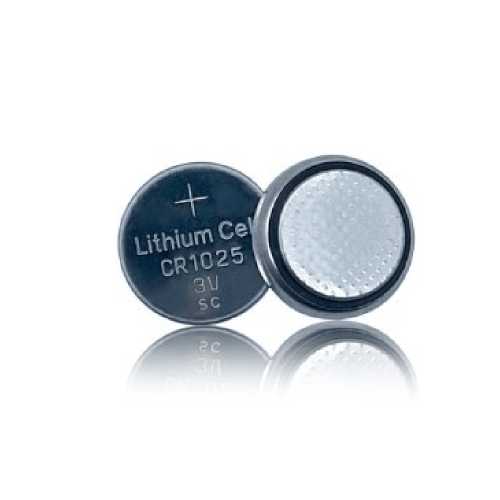
The silver oxide cell represents one of the most reliable and efficient power solutions available today for precision electronics applications. Engineers and manufacturers across industries depend on the silver oxide cell for its consistent performance, long shelf life, and stable voltage output. Understanding the diverse applications of the silver oxide cell is essential for anyone working with sensitive electronic equipment, medical devices, or instrumentation that demands unwavering power reliability. The silver oxide cell has become the standard choice where conventional batteries simply cannot meet the demanding requirements of modern precision electronics.
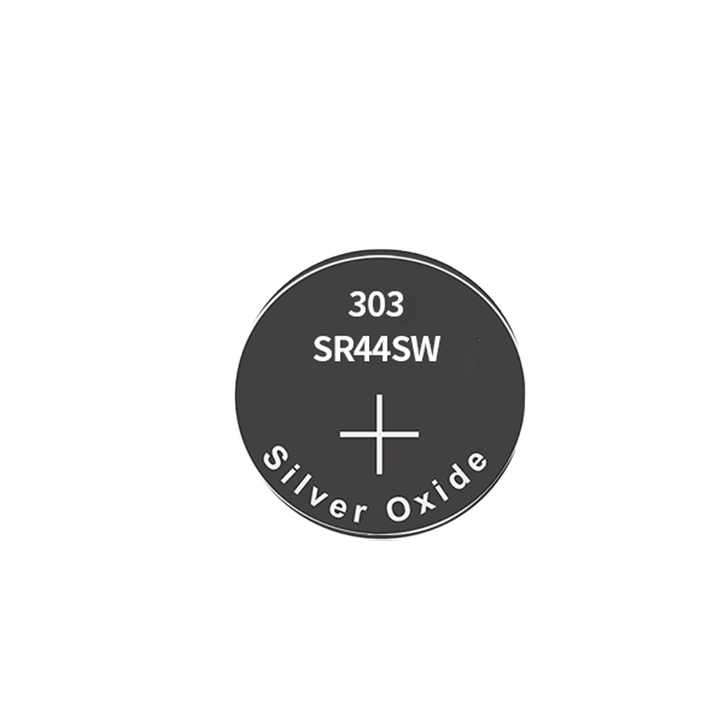
A silver oxide cell operates through an electrochemical reaction between silver oxide and zinc in an alkaline electrolyte environment, delivering remarkably stable voltage throughout its discharge cycle. This stability is precisely why the silver oxide cell dominates in applications requiring consistent power delivery without voltage fluctuations. Unlike conventional alkaline batteries that experience gradual voltage decline, the silver oxide cell maintains near-constant voltage output until near the end of its operational life, making it indispensable for precision measurement, timing, and control circuits. The unique characteristics of the silver oxide cell make it the preferred choice for manufacturers who cannot tolerate power inconsistencies.
Medical Device Reliability Through Silver Oxide Cell Technology
Hearing Aid Power Solutions
Hearing aids represent one of the most critical applications for the silver oxide cell in the medical device industry. The silver oxide cell's flat discharge curve ensures that hearing aid users experience consistent audio amplification throughout the battery's life. Medical professionals specify the silver oxide cell for hearing aids because the stable voltage output prevents the audio distortion and performance degradation that occurs with conventional batteries. Patients who depend on hearing aids require uninterrupted, reliable performance, and the silver oxide cell delivers exactly what these users need throughout each day of use.
Cardiac and Implantable Devices
Implantable medical devices such as pacemakers and cardiac monitors rely on the silver oxide cell for their power requirements because these devices cannot tolerate any power supply interruption. The silver oxide cell's extended shelf life and predictable discharge characteristics ensure that medical personnel can confidently implant devices knowing the silver oxide cell will provide reliable power for years. Medical device manufacturers have validated the silver oxide cell as meeting the stringent biocompatibility and reliability standards required for implantable applications. The silver oxide cell continues to be the gold standard power source in life-critical medical device design.
Precision Instrumentation and Testing Equipment
Laboratory Measurement Instruments
Laboratory instruments such as digital multimeters, oscilloscopes, and specialized measurement devices require the silver oxide cell to ensure measurement accuracy and reliability. Scientific researchers and engineers depend on the silver oxide cell because its stable voltage output directly translates to consistent measurement calibration and minimal reading errors. The silver oxide cell eliminates the performance variability that other battery types introduce, allowing researchers to focus on their work without worrying about power supply consistency. Precision instruments with the silver oxide cell as their power source deliver the accuracy that modern science and engineering demand.
Test and Calibration Equipment
Industrial testing equipment, calibration instruments, and diagnostic tools all benefit from the silver oxide cell's predictable performance characteristics. Manufacturing quality control departments specify the silver oxide cell because equipment must maintain calibration throughout extended operational periods. When factory technicians use testing devices powered by the silver oxide cell, they can be confident that measurement accuracy remains consistent from the first test to the last. The silver oxide cell supports the demanding requirements of modern industrial quality assurance and process verification systems.
Consumer Electronics and Precision Timepieces
Wristwatch and Clock Technology
Mechanical watches, quartz watches, and electronic clocks have long relied on the silver oxide cell as their primary power source. The silver oxide cell's ability to maintain steady voltage is critical for quartz movement accuracy, ensuring that timepieces keep precise time throughout the battery's operational life. Watch manufacturers and consumers have come to expect that the silver oxide cell will provide years of reliable service in watch applications. The silver oxide cell remains the preferred choice for chronometers, aviation instruments, and specialized timing devices where accuracy cannot be compromised.
Small Consumer Devices
Remote controls, small calculators, cameras, and portable electronic devices frequently employ the silver oxide cell because of its compact size and reliable performance. Consumer electronics manufacturers choose the silver oxide cell for applications where space is limited but performance cannot be compromised. The silver oxide cell's long shelf life means that consumer products can sit on shelves for extended periods without significant capacity loss, reducing waste and supporting product reliability standards. Users of consumer electronics powered by the silver oxide cell consistently report satisfaction with device longevity and dependable operation.
Industrial Automation and Control Systems
Sensor Power and Wireless Monitoring
Industrial automation systems utilize the silver oxide cell in wireless sensors, data loggers, and remote monitoring equipment where consistent power delivery ensures uninterrupted data collection. Manufacturing facilities deploy the silver oxide cell in environmental monitoring sensors, equipment tracking devices, and condition monitoring systems because these applications require years of maintenance-free operation. The silver oxide cell's stable output voltage ensures that sensor readings remain accurate and data transmission stays reliable throughout extended deployment periods. Industrial operators trust the silver oxide cell to power critical monitoring infrastructure without frequent maintenance interventions.
Emergency and Backup Power Applications
Safety-critical systems and emergency equipment depend on the silver oxide cell for backup power because reliability cannot be compromised when safety is at stake. The silver oxide cell's exceptional shelf life ensures that backup batteries remain ready for emergency activation even after years of storage. Emergency lighting, safety alarms, and backup communication devices all benefit from the silver oxide cell's combination of reliability and extended storage capability. The silver oxide cell provides the dependable backup power that industrial safety systems require.
FAQ
What makes the silver oxide cell superior to alkaline batteries for precision applications?
The silver oxide cell maintains a nearly flat voltage output throughout most of its discharge cycle, while alkaline batteries experience gradual voltage decline. This characteristic makes the silver oxide cell essential for precision instruments, medical devices, and electronic circuits that cannot tolerate power fluctuations. The stable voltage delivery of the silver oxide cell directly translates to consistent device performance, better measurement accuracy, and extended operational reliability compared to alkaline alternatives.
How long does a silver oxide cell typically last in common applications?
Silver oxide cell lifespan varies depending on application discharge rate, but generally delivers one to three years of reliable service in hearing aids, watches, and similar devices with moderate power draw. Medical implants powered by the silver oxide cell may operate for five to ten years, while low-power consumer devices can achieve even longer operational periods. The shelf life of the silver oxide cell can extend five to ten years when stored in appropriate conditions, making it ideal for backup and emergency applications.
Are there environmental or safety concerns with using silver oxide cell batteries?
Silver oxide cell batteries are generally considered safe for consumer use, though they should be handled according to manufacturer guidelines and never ingested. The silver oxide cell must be disposed of through appropriate battery recycling programs to prevent environmental contamination, as with most battery types. Modern silver oxide cell manufacturing follows strict safety and environmental standards, and these batteries are approved for use in medical implants, demonstrating their safety profile when used correctly.