
 EN
EN
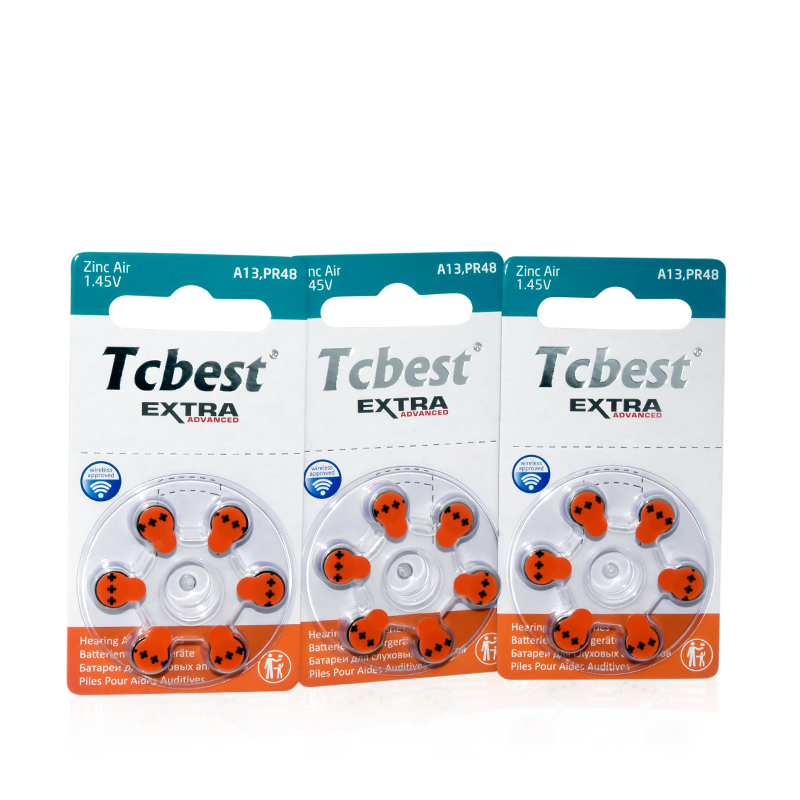
The zinc air battery has become a cornerstone technology for powering medical devices across the healthcare industry. Unlike conventional alkaline batteries, a zinc air battery delivers consistent, long-lasting energy through an electrochemical process that maximizes runtime while maintaining compact size. This unique design makes the zinc air battery ideal for implantable devices, portable diagnostics, and wearable medical equipment that demands reliability and extended operational life. Understanding how zinc air battery systems work and why they have become the preferred choice for medical applications can help healthcare professionals, device manufacturers, and end users make informed decisions about device selection and maintenance.
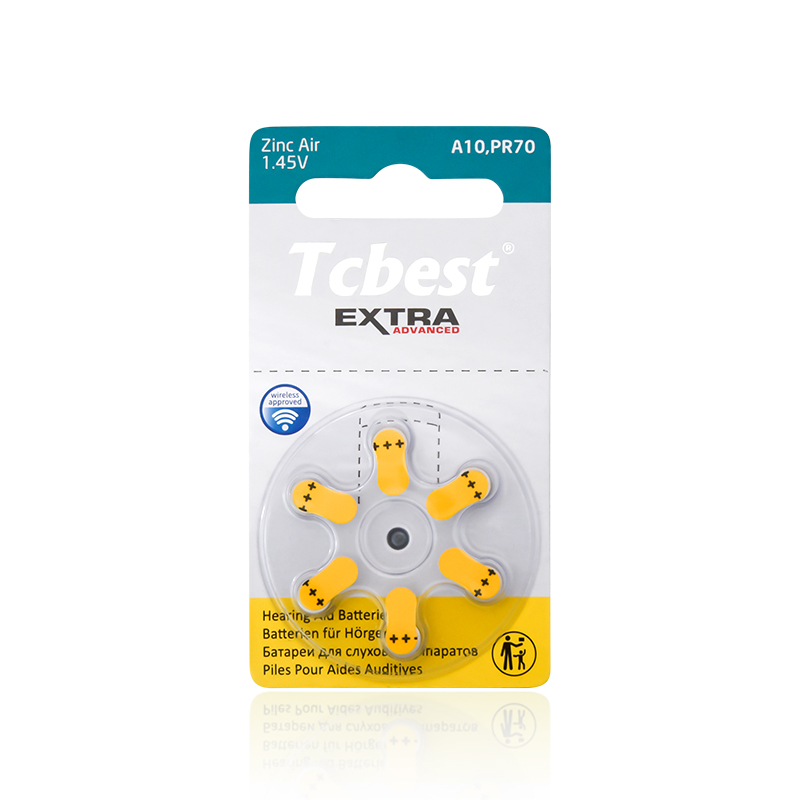
Medical device manufacturers prioritize zinc air battery technology because it provides superior energy density in a lightweight package. A zinc air battery operates through an oxygen-dependent chemical reaction that creates electrical current on demand, making it exceptionally efficient for devices used intermittently throughout the day. The zinc air battery chemistry ensures stable voltage output, critical for medical equipment where precision and consistency determine patient safety and device accuracy. This article explores the technical foundations, operational advantages, and practical applications of zinc air battery systems in the medical device sector.
Understanding Zinc Air Battery Chemistry and Design
Core Operating Principle of the Zinc Air Battery
A zinc air battery functions through a unique electrochemical reaction between zinc metal and atmospheric oxygen. When the zinc air battery is activated by removing its protective tab, air exposure triggers the oxidation process at the anode, while oxygen is consumed at the cathode. This zinc air battery configuration eliminates the need for stored oxidizer inside the cell, allowing manufacturers to maximize the active zinc material inside the housing. The zinc air battery achieves energy densities significantly higher than conventional alkaline batteries of equivalent size, delivering more total energy without increasing physical dimensions or weight.
Design Features Enabling Medical Applications
The zinc air battery features a sealed compartment housing the zinc anode, electrolyte, and air-permeable cathode structure. A specialized zinc air battery seal prevents premature oxygen ingress, preserving shelf life until the device requires activation. Once the protective tab is removed, the zinc air battery air membrane allows controlled oxygen flow while preventing contamination and moisture ingress. This zinc air battery design innovation ensures that hearing aids, cochlear implants, and other medical devices maintain consistent performance over weeks or months of daily use without capacity degradation.
Performance Advantages of Zinc Air Battery Technology for Medical Devices
Extended Runtime and Energy Density
Medical device users depend on extended battery life to minimize maintenance interruptions and support daily activities without frequent battery changes. A zinc air battery delivers substantially higher energy capacity per unit volume compared to conventional batteries, enabling smaller, lighter medical devices. Hearing aid users benefit particularly from zinc air battery longevity, as the extended runtime reduces device downtime and replacement frequency. The zinc air battery chemistry provides stable voltage discharge curves, ensuring medical equipment operates at peak performance throughout the battery's service life without the voltage sag characteristic of other battery types.
Reliability and Voltage Stability
Medical applications demand consistent voltage output to maintain device accuracy and functionality. The zinc air battery maintains remarkably stable voltage throughout its discharge cycle, critical for diagnostic equipment and monitoring devices that require precise electrical specifications. Unlike alkaline batteries that exhibit declining voltage over time, a zinc air battery delivers relatively flat voltage discharge characteristics. This zinc air battery reliability becomes essential in life-critical applications where voltage fluctuations could compromise measurement accuracy or device functionality.
Clinical and Practical Applications of Zinc Air Battery Technology
Hearing Aids and Cochlear Implants
Hearing aids represent the largest consumer application for zinc air battery technology in the medical device market. The compact size, extended runtime, and stable voltage output of the zinc air battery make it the standard choice for all major hearing aid manufacturers. Patients using hearing aids powered by zinc air battery systems report daily usage extending from five to fourteen days, depending on device programming and usage patterns. The zinc air battery reliability in this application has established consumer confidence and set industry standards for battery performance in portable medical devices.
Portable Medical Diagnostics and Monitoring Equipment
A zinc air battery supports numerous portable medical diagnostic instruments including pulse oximeters, glucose monitors, and thermometers used in clinical and home settings. The zinc air battery extended runtime capability allows these devices to operate through multiple patient interactions without battery replacement, improving clinical workflow efficiency. Emergency medical services and field medical personnel rely on zinc air battery powered diagnostic equipment because the battery technology delivers dependable operation under variable environmental conditions. The zinc air battery stability and energy density enable manufacturers to design compact, lightweight diagnostic tools that clinicians can carry throughout their shifts.
Implantable Medical Device Energy Sources
For certain implantable medical applications, the zinc air battery serves as a reliable power source where surgical replacement risks must be minimized. The zinc air battery capability to deliver energy density superior to conventional batteries enables longer intervals between surgical interventions for devices requiring battery replacement. Research continues into optimizing zinc air battery technology for advanced implantable applications, though current clinical use remains focused on devices with accessible battery compartments that patients or clinicians can replace without surgical procedures.
Integration Challenges and Optimization Strategies
Environmental Control and Air Membrane Management
Successful zinc air battery implementation in medical devices requires careful management of the air-permeable membrane that enables oxygen access. Humidity and temperature fluctuations can affect the zinc air battery air membrane performance, potentially altering oxygen flow rates and affecting discharge characteristics. Device manufacturers engineer housing seals and air pathways specifically to optimize zinc air battery performance across expected storage and operating conditions. Quality zinc air battery cell construction includes redundant protective features to ensure the air membrane remains functional throughout the battery's expected service life in medical applications.
Shelf Life and Activation Management
The zinc air battery protective tab prevents oxygen access during storage, preserving cell capacity for extended periods. Medical device manufacturers design pull-tab activation mechanisms that users can operate intuitively, preventing premature activation while ensuring reliable tab removal. The zinc air battery shelf life typically extends from two to five years under standard storage conditions, providing adequate inventory management capability for medical device distributors and healthcare facilities. Proper storage protocols maximize zinc air battery shelf life, protecting manufacturer investments in battery inventory and ensuring consistent performance when devices reach end users.
FAQ
How does a zinc air battery differ from alkaline batteries in medical device applications?
A zinc air battery achieves higher energy density and delivers more stable voltage output compared to conventional alkaline batteries. The zinc air battery uses atmospheric oxygen to generate electrical current, eliminating the need for stored oxidizer and maximizing active material inside the cell. Alkaline batteries rely on internal chemical oxidizers, limiting their energy capacity in equivalent physical sizes. The zinc air battery's superior performance characteristics make it the preferred choice for hearing aids, cochlear implants, and portable medical diagnostics where extended runtime and voltage stability are essential.
What is the typical lifespan of a zinc air battery in hearing aids?
Hearing aid users typically experience five to fourteen days of operation from a single zinc air battery, depending on device programming intensity, usage patterns, and individual hearing loss severity. The zinc air battery runtime extends when users reduce volume settings or enable power-saving features. Modern hearing aids with wireless connectivity may experience shorter zinc air battery life due to increased power consumption from Bluetooth transmission. Patients using zinc air battery powered hearing aids should keep replacement batteries readily available and follow manufacturer guidelines for optimal device performance and battery longevity.
Can zinc air battery technology be used in surgical implants permanently?
Current zinc air battery technology is not typically designed for permanent surgical implantation due to the air-permeable membrane required for oxygen access. While researchers explore advanced zinc air battery formulations for implantable applications, most clinical implantable devices use alternative power sources or devices with replaceable battery compartments accessible through non-surgical means. A zinc air battery remains the reliable choice for external portable medical devices and hearing aids where air membrane exposure is manageable and battery replacement is straightforward for users or healthcare providers.