
 EN
EN
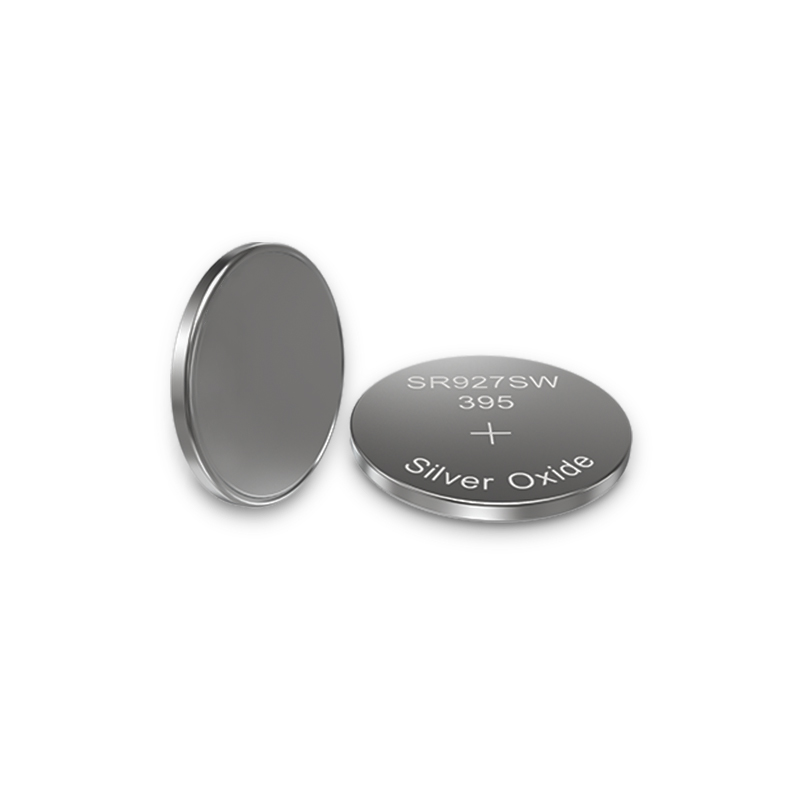
The choice of power source fundamentally determines device performance, reliability, and longevity in precision applications. A silver oxide cell has emerged as the gold standard for demanding industrial and consumer electronics requiring consistent electrical output. Unlike conventional alkaline batteries that experience voltage drop over time, the silver oxide cell maintains remarkably stable voltage throughout its discharge cycle, making it ideal for applications where performance cannot fluctuate.
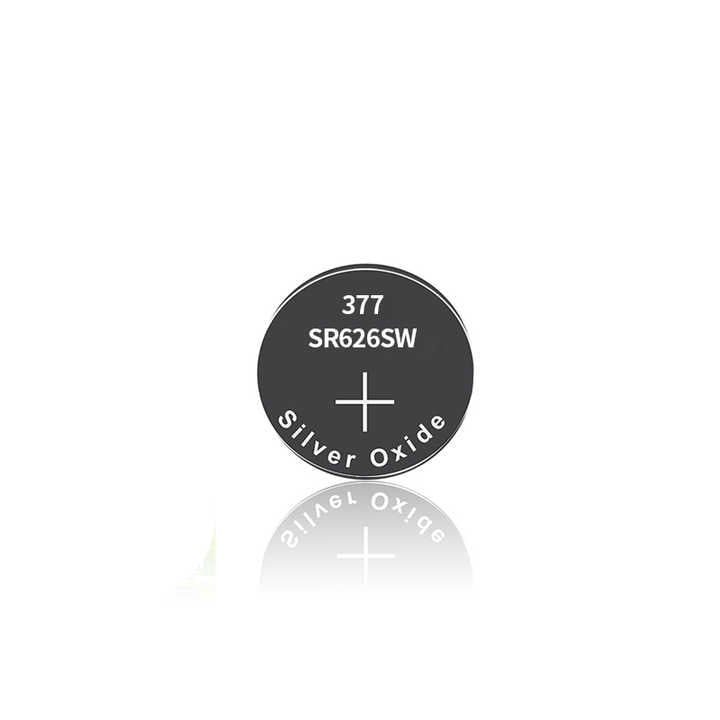
Understanding why the silver oxide cell delivers superior voltage stability requires examining the electrochemical principles underlying its construction and discharge characteristics. The chemistry that powers a silver oxide cell operates on fundamentally different mechanisms than other battery types, creating an environment where voltage remains nearly flat until the battery approaches complete depletion. This flat discharge curve distinguishes the silver oxide cell as a premium choice for applications sensitive to power supply variations.
Electrochemical Properties of Silver Oxide Cells
Silver Oxide Chemistry and Voltage Characteristics
The silver oxide cell generates electrical energy through the oxidation-reduction reaction between zinc and silver oxide in an alkaline electrolyte environment. During discharge, the silver oxide cell undergoes a controlled chemical transformation that produces remarkably consistent voltage output, typically maintaining between 1.5 and 1.6 volts throughout most of its operational life. This stability stems from the thermodynamic properties of the silver-zinc electrochemical couple, which naturally resists voltage fluctuation across varying load conditions and temperature ranges.
The internal architecture of a silver oxide cell is engineered to maximize electrode surface area and electrolyte distribution, ensuring uniform chemical reaction rates throughout the discharge process. Unlike alkaline manganese batteries where voltage decline accelerates as the battery depletes, the silver oxide cell maintains a plateau voltage that drops sharply only near complete exhaustion. This characteristic makes the silver oxide cell particularly valuable in medical devices, watches, hearing aids, and other applications where sudden power loss would be catastrophic.
Comparison with Alternative Battery Technologies
When considering power sources for precision instruments, the voltage stability profile of a silver oxide cell stands apart from competing technologies. Alkaline cells experience gradual voltage degradation, starting near 1.6 volts but declining to 0.9 volts or lower by the end of their discharge cycle. The silver oxide cell, by contrast, maintains a voltage plateau of approximately 1.5 volts until reaching near-complete depletion, allowing devices to operate at full specification throughout the battery's useful life.
Lithium cells offer high energy density but introduce complexity in voltage regulation and circuit design. The silver oxide cell eliminates these complications by providing naturally stable voltage output without requiring additional voltage regulation circuitry. For cost-sensitive applications where circuit simplification matters, the silver oxide cell represents an elegant solution combining performance with manufacturability.
Performance Benefits in Precision Applications
Reliability and Consistency Across Operating Conditions
Precision timing applications depend absolutely on consistent power delivery to maintain accuracy throughout the battery's operational life. A silver oxide cell delivers this consistency by maintaining voltage stability across temperature variations ranging from minus ten to fifty-five degrees Celsius, far exceeding the stability performance of alkaline alternatives. Devices powered by a silver oxide cell continue operating with full accuracy whether used in arctic conditions or tropical environments, eliminating temperature-related performance variance.
The electrochemical stability of the silver oxide cell also translates to predictable discharge characteristics that enable accurate battery life forecasting. Manufacturers can reliably estimate how long a device powered by a silver oxide cell will operate under specified load conditions, allowing confident product warranty periods and maintenance scheduling. This predictability reduces field failures and minimizes the support costs associated with unexpected power loss.
Extended Shelf Life and Storage Stability
Beyond active use performance, the silver oxide cell demonstrates exceptional shelf stability that preserves its capabilities for extended periods before deployment. A silver oxide cell can remain stored for several years while maintaining over ninety percent of its original capacity, making it ideal for backup power applications and critical systems requiring reliability during infrequent activation. The corrosion-resistant properties of silver oxide chemistry prevent the self-discharge and chemical degradation that plagues other battery technologies during storage.
This extended shelf life translates to cost advantages for industrial customers stocking inventory of powered devices or emergency backup systems. A silver oxide cell purchased today will function reliably years later when needed, whereas alkaline batteries stored identically might suffer significant capacity loss. For military equipment, medical devices, and safety systems requiring multi-year storage, the silver oxide cell provides unmatched dependability.
Industry Applications Leveraging Stable Voltage Output
Medical Devices and Hearing Aids
The medical device industry depends critically on the voltage stability that only a silver oxide cell can provide. Hearing aids powered by silver oxide cell technology deliver consistent amplification throughout the battery's operational life, ensuring users maintain reliable hearing assistance without adjustment requirements. The flat discharge curve of the silver oxide cell means patients experience identical audio quality on day one and day seven hundred of battery use, improving quality of life and eliminating performance surprises.
Pacemakers and other implantable medical devices represent life-critical applications where voltage instability poses serious health risks. A silver oxide cell maintains the precise voltage regulation these devices demand, protecting patients by ensuring consistent therapeutic delivery. The biocompatible materials used in silver oxide cell construction also meet stringent medical device standards without requiring additional isolation measures.
Precision Timing and Measurement Instruments
Watches, clocks, and precision timing instruments require voltage stability to maintain accuracy throughout the battery's lifespan. A silver oxide cell eliminates the frequency drift and timing errors that occur when battery voltage declines during conventional battery use. Industrial measurement instruments, laboratory equipment, and scientific devices all benefit from the consistent power delivery that the silver oxide cell provides, ensuring measurement accuracy remains within specification across the battery's entire discharge cycle.
Photography equipment, light meters, and exposure control systems also depend on the silver oxide cell's voltage stability to maintain consistent performance. A silver oxide cell ensures that exposure calculations remain accurate whether the battery is new or near the end of its life, preventing the exposure errors and image quality degradation associated with voltage fluctuation. Professional photographers and scientists rely on the silver oxide cell's consistency to eliminate power-related variables from their work.
FAQ
What makes a silver oxide cell more stable than alkaline batteries?
A silver oxide cell achieves superior voltage stability through its unique electrochemical design, where the silver oxide and zinc couple maintains a nearly flat discharge curve throughout most of the battery's operational life. The chemical reaction rate in a silver oxide cell remains remarkably constant across varying loads and temperatures, preventing the voltage decline that occurs as alkaline batteries deplete. This flat discharge plateau distinguishes the silver oxide cell from alkaline alternatives that experience continuous voltage degradation throughout their discharge cycle.
How long does a silver oxide cell maintain its rated voltage?
A silver oxide cell typically maintains its rated voltage of approximately 1.5 volts across eighty to ninety percent of its total capacity, with voltage remaining stable across temperature ranges from negative ten to fifty-five degrees Celsius. The remaining capacity experiences rapid voltage decline as the silver oxide cell approaches complete exhaustion, providing a clear end-of-life indicator for most applications. This voltage profile enables devices powered by a silver oxide cell to operate at full specification for the vast majority of the battery's useful life, delivering superior performance compared to batteries experiencing gradual voltage degradation.
Are silver oxide cells suitable for high-drain applications?
While the silver oxide cell excels in precision applications requiring stable voltage, its energy density limits suitability for high-drain continuous operation. The silver oxide cell performs optimally in applications with moderate, consistent drain such as hearing aids, watches, and medical devices, where its voltage stability provides decisive advantages. For applications demanding rapid energy delivery or continuous high-current operation, alternative battery technologies may offer better performance, though they sacrifice the voltage stability that distinguishes the silver oxide cell in its designed application space.