
 EN
EN
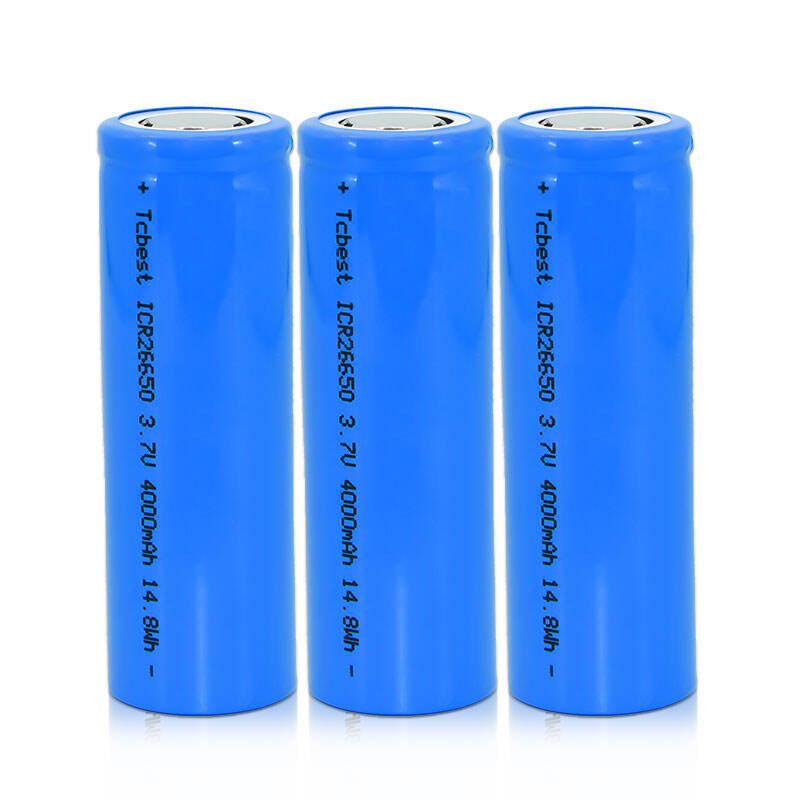
The evolution of battery technology has witnessed a remarkable shift toward standardized cylindrical cell formats, fundamentally transforming how manufacturers approach energy storage solutions. This standardization represents more than just dimensional consistency—it embodies a strategic alignment of industry practices that drives efficiency, cost reduction, and technological advancement. The movement toward uniform cylindrical cell formats has emerged as a critical factor in scaling battery production while maintaining quality and performance standards across diverse applications.
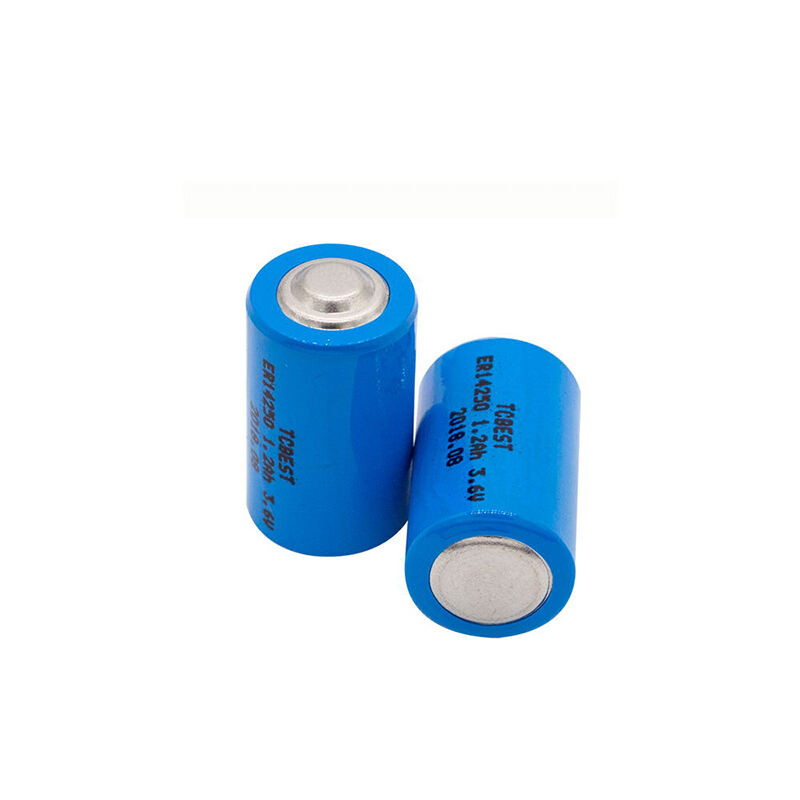
Manufacturing complexities in the battery industry have historically created fragmented approaches to cell design, resulting in countless variations that complicated production processes and supply chain management. The push toward standardized cylindrical cell formats addresses these challenges by establishing common specifications that enable manufacturers to optimize their production lines, reduce tooling costs, and achieve economies of scale. This standardization also facilitates interoperability between different battery systems and applications, creating a more cohesive ecosystem for energy storage solutions.
Market Forces Driving Cylindrical Cell Format Standardization
Economic Advantages of Uniform Specifications
The economic benefits of standardized cylindrical cell formats extend far beyond simple cost reduction measures. Manufacturers can leverage unified production processes to achieve higher throughput rates while minimizing waste and optimizing resource allocation. When companies adopt common cylindrical cell formats, they eliminate the need for specialized tooling and equipment variations, resulting in significant capital expenditure savings. This economic efficiency cascades throughout the entire supply chain, from raw material procurement to final product distribution.
Supply chain optimization becomes dramatically more effective when cylindrical cell formats follow standardized specifications. Suppliers can focus their efforts on perfecting a smaller range of products rather than spreading resources across numerous variations. This concentration leads to improved quality control, enhanced manufacturing expertise, and more reliable delivery schedules. The standardization of cylindrical cell formats also enables better inventory management and reduces the complexity of spare parts provisioning for end-users.
Technology Advancement Through Standardization
Standardized cylindrical cell formats accelerate technological advancement by allowing research and development efforts to concentrate on improving performance within established parameters. Rather than dispersing innovation across multiple form factors, engineers can dedicate their expertise to enhancing energy density, cycle life, and safety characteristics within proven dimensional constraints. This focused approach has led to significant breakthroughs in battery chemistry and cell construction techniques.
The collaborative nature of standardization enables knowledge sharing across the industry, fostering innovation that benefits all stakeholders. When manufacturers work within common cylindrical cell formats, they can share research findings, best practices, and technological improvements more effectively. This collective advancement accelerates the pace of innovation and helps establish new performance benchmarks that drive the entire industry forward.
Manufacturing Efficiency and Scalability Benefits
Production Line Optimization
Modern battery manufacturing facilities achieve peak efficiency when configured for standardized cylindrical cell formats. Production lines can be optimized for specific dimensional parameters, enabling faster cycle times and reduced changeover requirements. This optimization extends to every aspect of the manufacturing process, from cell winding and assembly to testing and packaging. Manufacturers report significant improvements in overall equipment effectiveness when transitioning to standardized formats.
Quality control systems become more robust and reliable when dealing with consistent cylindrical cell formats. Automated inspection systems can be calibrated for specific dimensions and characteristics, improving defect detection rates and reducing quality variations. This enhanced quality control capability translates directly into improved product reliability and customer satisfaction, while also reducing warranty costs and field failures.
Scalability and Volume Production
The scalability advantages of standardized cylindrical cell formats become particularly evident in high-volume production scenarios. Manufacturing facilities can achieve higher output rates when configured for consistent specifications, allowing them to meet growing market demand more effectively. This scalability extends beyond individual facilities to encompass entire manufacturing networks, enabling coordinated production across multiple locations.
Investment in manufacturing infrastructure becomes more strategic and efficient when focused on standardized cylindrical cell formats. Companies can deploy capital more effectively by concentrating on proven technologies and established market requirements. This focused investment approach reduces financial risk while maximizing return on investment through higher utilization rates and improved operational efficiency.
Industry Applications and Market Adoption
Consumer Electronics Integration
The consumer electronics industry has been instrumental in driving the adoption of standardized cylindrical cell formats. Device manufacturers require reliable, consistent power sources that can be sourced from multiple suppliers without compromising performance or compatibility. Standardized formats enable electronics companies to design products with confidence, knowing that replacement cells will maintain consistent performance characteristics and physical compatibility.
Market penetration of standardized cylindrical cell formats in consumer electronics continues to expand as manufacturers recognize the benefits of supply chain flexibility and cost optimization. Popular formats have achieved widespread acceptance across diverse product categories, from power tools and electronic devices to emergency lighting systems. This broad adoption creates positive feedback loops that further reinforce standardization trends.
Industrial and Professional Applications
Industrial applications have embraced standardized cylindrical cell formats due to their reliability requirements and long-term operational considerations. Professional equipment manufacturers prioritize consistent performance and availability of replacement components throughout extended product lifecycles. Standardized formats provide the predictability and supply security that industrial applications demand, while also enabling cost-effective maintenance and service programs.
The adoption of standardized cylindrical cell formats in industrial settings has facilitated the development of modular battery systems that can be easily configured for specific applications. This modularity enables efficient scaling of energy storage capacity while maintaining compatibility across different system configurations. Industrial users benefit from reduced complexity in battery management systems and simplified maintenance procedures.
Technical Standards and Regulatory Influence
International Standardization Bodies
International standardization organizations have played a crucial role in establishing technical specifications for cylindrical cell formats. These bodies work collaboratively with industry stakeholders to develop consensus-based standards that balance innovation with practical manufacturing considerations. The standardization process involves extensive testing, validation, and review procedures that ensure robust technical specifications.
Regulatory frameworks increasingly recognize and reference standardized cylindrical cell formats in safety and performance requirements. This regulatory alignment provides additional motivation for manufacturers to adopt standard formats while also ensuring consistent safety standards across the industry. The integration of technical standards with regulatory requirements creates a comprehensive framework that supports both innovation and public safety.
Safety and Performance Standards
Safety considerations have significantly influenced the development of standardized cylindrical cell formats. Consistent dimensional specifications enable more effective safety testing protocols and help establish reliable performance benchmarks. Standard formats allow safety organizations to develop comprehensive testing procedures that can be applied consistently across different manufacturers and applications.
Performance standards for cylindrical cell formats continue to evolve as technology advances and market requirements change. These standards establish minimum performance criteria while allowing for innovation within established parameters. The balance between standardization and innovation ensures that cylindrical cell formats can adapt to emerging technologies while maintaining the benefits of consistency and interoperability.
Future Trends and Market Evolution
Emerging Technologies Integration
The integration of emerging technologies with standardized cylindrical cell formats presents significant opportunities for continued innovation. Advanced battery management systems, smart monitoring capabilities, and enhanced safety features can be more easily implemented when working within established dimensional parameters. This technology integration enables the development of more sophisticated battery systems while maintaining the benefits of standardization.
Next-generation cylindrical cell formats are being developed to accommodate new battery chemistries and performance requirements while maintaining compatibility with existing systems. This forward-looking approach ensures that standardization efforts can adapt to evolving technology landscapes without compromising the benefits of consistency and interoperability. The evolution of cylindrical cell formats reflects the dynamic balance between innovation and standardization.
Market Expansion and Global Adoption
Global adoption of standardized cylindrical cell formats continues to accelerate as markets mature and supply chains become more interconnected. Emerging markets are increasingly adopting established standards rather than developing proprietary alternatives, contributing to the worldwide momentum toward standardization. This global alignment creates opportunities for manufacturers to serve international markets more effectively while leveraging economies of scale.
Market expansion in sectors such as renewable energy storage, electric mobility, and industrial automation is driving increased demand for standardized cylindrical cell formats. These growing markets benefit from the reliability and availability advantages that standardization provides, while also contributing to the overall volume growth that supports continued innovation and cost reduction efforts.
FAQ
What are the primary benefits of standardized cylindrical cell formats for manufacturers
Manufacturers benefit from standardized cylindrical cell formats through reduced production costs, simplified supply chain management, improved quality control, and enhanced scalability. Standardization enables manufacturers to optimize production processes, reduce tooling variations, and achieve higher output rates while maintaining consistent quality standards. These benefits translate directly into improved profitability and competitive positioning in the market.
How do standardized formats impact battery performance and reliability
Standardized cylindrical cell formats enhance performance and reliability by enabling focused research and development efforts within proven dimensional constraints. This concentration of innovation resources leads to significant improvements in energy density, cycle life, and safety characteristics. Standardization also facilitates better quality control processes and more consistent performance across different manufacturers and applications.
What role do regulatory requirements play in cylindrical cell format standardization
Regulatory requirements significantly influence cylindrical cell format standardization by establishing safety and performance standards that manufacturers must meet. These regulations often reference or align with technical standards, creating additional incentives for adopting standardized formats. Regulatory frameworks help ensure consistent safety standards across the industry while supporting innovation within established parameters.
How does standardization affect the future development of battery technology
Standardization of cylindrical cell formats accelerates future battery technology development by providing a stable platform for innovation while enabling industry-wide collaboration. Researchers can focus their efforts on improving performance within established parameters, leading to more rapid advancement in battery chemistry and construction techniques. This focused approach helps establish new performance benchmarks that drive the entire industry forward while maintaining the benefits of interoperability and supply chain efficiency.
Table of Contents
- Market Forces Driving Cylindrical Cell Format Standardization
- Manufacturing Efficiency and Scalability Benefits
- Industry Applications and Market Adoption
- Technical Standards and Regulatory Influence
- Future Trends and Market Evolution
-
FAQ
- What are the primary benefits of standardized cylindrical cell formats for manufacturers
- How do standardized formats impact battery performance and reliability
- What role do regulatory requirements play in cylindrical cell format standardization
- How does standardization affect the future development of battery technology