
 EN
EN
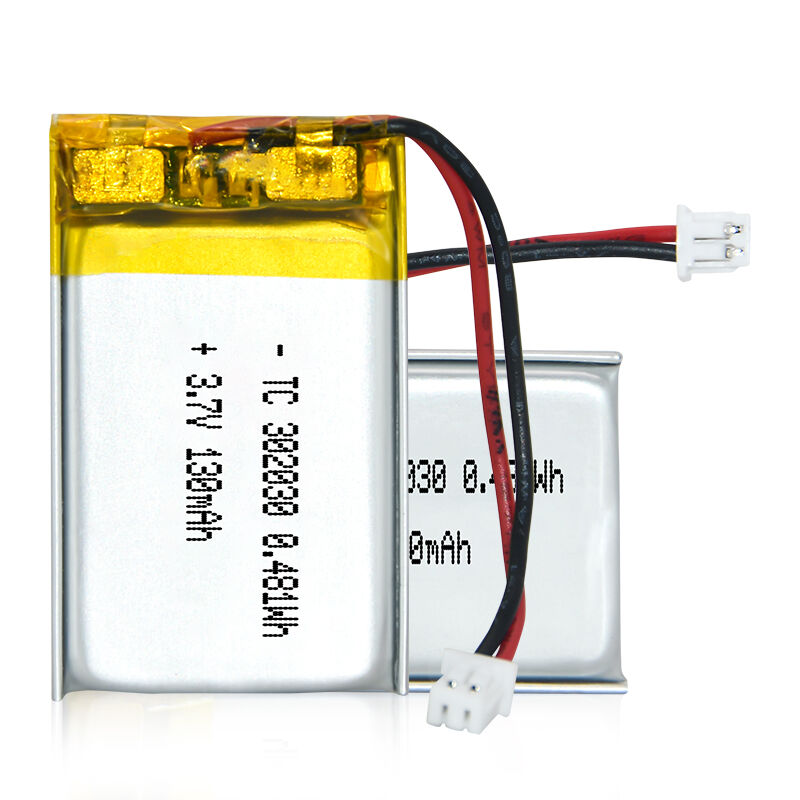
The energy storage industry is witnessing unprecedented innovation as manufacturers and researchers push the boundaries of battery technology. The solid-state lithium-ion battery represents one of the most promising advancements in energy storage, offering enhanced safety, improved energy density, and longer operational lifespans compared to conventional liquid electrolyte systems. As we progress through 2026, the development of solid-state lithium-ion battery technology has reached critical milestones that are reshaping expectations across multiple industries, from electric vehicles to consumer electronics and grid-scale energy storage applications.
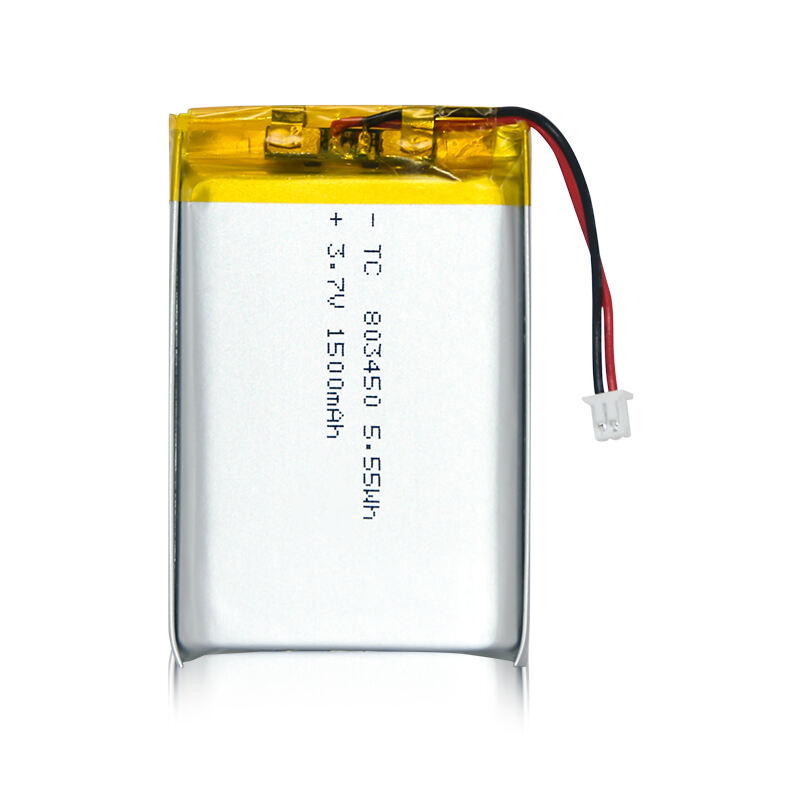
Technological Breakthroughs in Solid-State Architecture
Advanced Solid Electrolyte Materials
The foundation of any solid-state lithium-ion battery lies in its electrolyte composition, which has undergone significant refinement throughout recent development cycles. Contemporary solid electrolytes include ceramic-based materials such as lithium lanthanum zirconate and polymer-based solutions that provide superior ionic conductivity while maintaining structural integrity. These materials eliminate the need for liquid electrolytes, reducing the risk of thermal runaway and enhancing overall system reliability. The ionic conductivity of modern solid electrolytes has improved dramatically, with some formulations achieving conductivity levels approaching those of traditional liquid systems.
Manufacturing processes for solid electrolyte materials have become increasingly sophisticated, incorporating advanced sintering techniques and precision coating methods. The development of thin-film solid electrolytes has enabled the creation of more compact battery designs while maintaining high performance standards. Research institutions and commercial manufacturers are continuously exploring new material compositions, including sulfide-based electrolytes that offer exceptional ionic conductivity and oxide-based alternatives that provide enhanced stability under various operating conditions.
Interface Engineering and Contact Optimization
One of the most significant challenges in solid-state lithium-ion battery development involves optimizing the interface between the solid electrolyte and electrode materials. Poor interfacial contact can result in increased resistance and reduced battery performance, making interface engineering a critical focus area for researchers and manufacturers. Advanced surface treatment techniques, including atomic layer deposition and plasma processing, are being employed to create seamless interfaces that facilitate efficient lithium-ion transport.
The development of buffer layers and interfacial coatings has proven instrumental in addressing compatibility issues between different solid-state components. These specialized layers help accommodate volume changes during charge and discharge cycles while maintaining electrical connectivity throughout the battery's operational lifespan. Innovative approaches such as in-situ interface formation and gradient composition interfaces are emerging as effective solutions for enhancing long-term stability and performance consistency.
Manufacturing Scalability and Production Challenges
Industrial-Scale Production Methods
The transition from laboratory-scale solid-state lithium-ion battery prototypes to commercial production requires sophisticated manufacturing infrastructure capable of handling specialized materials and processes. Current production methods involve high-temperature sintering, precision layer deposition, and controlled atmosphere processing that demand significant capital investment and technical expertise. Leading manufacturers are developing automated production lines that can maintain the strict quality standards required for solid-state battery manufacturing while achieving economically viable production volumes.
Quality control measures for solid-state battery production are particularly stringent, as even minor defects in the solid electrolyte or electrode interfaces can significantly impact performance and reliability. Advanced inspection technologies, including X-ray tomography and impedance spectroscopy, are being integrated into production workflows to ensure consistent quality across large-scale manufacturing operations. The development of standardized testing protocols and certification procedures is helping establish industry-wide quality benchmarks for solid-state lithium-ion battery products.
Cost Reduction Strategies and Economic Viability
The economic feasibility of solid-state lithium-ion battery technology depends heavily on achieving cost parity with conventional battery systems while delivering superior performance characteristics. Material costs represent a significant portion of overall production expenses, driving research into alternative raw materials and more efficient synthesis processes. Economies of scale are beginning to emerge as production volumes increase, with several manufacturers reporting substantial cost reductions as their facilities reach optimal capacity utilization.
Strategic partnerships between material suppliers, equipment manufacturers, and battery producers are facilitating cost reduction through shared research and development expenses and coordinated supply chain optimization. The integration of recycling processes into solid-state battery production cycles is also contributing to cost reduction while addressing sustainability concerns. Advanced recycling techniques can recover valuable materials from end-of-life batteries, reducing dependence on primary raw material sources and improving the overall economic profile of solid-state lithium-ion battery systems.
Performance Characteristics and Competitive Advantages
Energy Density and Power Delivery
The energy density advantages of solid-state lithium-ion battery technology stem from the elimination of inactive components required in liquid electrolyte systems, such as separators and electrolyte containment structures. This architectural simplification allows for higher active material loading and more efficient space utilization within the battery package. Current solid-state designs are achieving energy densities that exceed conventional lithium-ion batteries by 30-50%, with theoretical limits suggesting even greater improvements are possible as materials and manufacturing processes continue to advance.
Power delivery characteristics of solid-state lithium-ion battery systems demonstrate superior rate capability compared to traditional alternatives, enabling rapid charging and high-power discharge applications. The solid electrolyte interface provides more stable electrochemical conditions, reducing polarization effects and maintaining consistent performance across a wide range of operating conditions. These characteristics make solid-state technology particularly attractive for applications requiring both high energy storage capacity and rapid power delivery, such as electric vehicle propulsion systems and grid stabilization applications.
Safety and Thermal Management
Safety represents one of the most compelling advantages of solid-state lithium-ion battery technology, as the elimination of flammable liquid electrolytes significantly reduces fire and explosion risks. The solid electrolyte acts as an inherent safety barrier, preventing the formation of lithium dendrites that can cause internal short circuits in conventional battery systems. This enhanced safety profile enables the development of battery packs with reduced safety margins and simplified thermal management systems, contributing to overall system efficiency and cost reduction.
Thermal management requirements for solid-state lithium-ion battery systems are generally less demanding than those for conventional alternatives, as the solid electrolyte maintains stability across wider temperature ranges. The reduced heat generation during normal operation and the absence of thermal runaway risks associated with liquid electrolytes simplify cooling system design and reduce energy consumption for thermal regulation. These thermal characteristics enable solid-state batteries to operate effectively in extreme environments where conventional battery systems might experience performance degradation or safety concerns.
Market Applications and Industry Adoption
Electric Vehicle Integration
The automotive industry represents the largest potential market for solid-state lithium-ion battery technology, driven by increasing demand for electric vehicles with extended range and reduced charging times. Several major automotive manufacturers have announced partnerships with solid-state battery developers, with production timelines targeting the late 2020s for initial commercial deployments. The enhanced energy density and safety characteristics of solid-state systems align well with automotive requirements for lightweight, high-performance energy storage solutions.
Integration challenges for automotive applications include meeting stringent safety standards, achieving cost targets compatible with mass-market vehicle pricing, and developing manufacturing capacity sufficient for large-scale vehicle production. The automotive qualification process for solid-state lithium-ion battery systems involves extensive testing under various environmental conditions and operational scenarios to ensure long-term reliability and safety. Collaboration between battery manufacturers and automotive companies is facilitating the development of application-specific solid-state battery designs optimized for different vehicle platforms and performance requirements.
Consumer Electronics and Portable Devices
Consumer electronics applications offer an attractive entry point for solid-state lithium-ion battery commercialization, as the performance benefits justify premium pricing and production volumes are more manageable than automotive applications. The compact form factor and enhanced safety characteristics of solid-state systems enable new product designs and improved user experiences in smartphones, laptops, and wearable devices. The ability to create thinner, lighter battery packs while maintaining or improving energy capacity is driving interest from consumer electronics manufacturers seeking competitive differentiation.
Market introduction strategies for consumer electronics applications often focus on premium product segments where performance advantages can command price premiums sufficient to offset higher manufacturing costs. As production volumes increase and manufacturing costs decline, solid-state lithium-ion battery technology is expected to penetrate broader market segments, eventually becoming standard in many consumer electronic devices. The rapid product development cycles typical of consumer electronics are accelerating the iteration and improvement of solid-state battery designs for these applications.
Research Frontiers and Future Development
Next-Generation Material Systems
Ongoing research into advanced solid-state lithium-ion battery materials is exploring novel compositions and structures that could further enhance performance and reduce manufacturing costs. Hybrid solid-liquid electrolyte systems are being investigated as potential bridging technologies that combine some benefits of solid-state designs with the manufacturing simplicity of conventional systems. These hybrid approaches may provide a pathway for earlier commercialization while pure solid-state technologies continue to mature.
Nanotechnology applications in solid-state lithium-ion battery development are yielding promising results, with nanostructured electrodes and electrolytes demonstrating improved ionic transport and mechanical properties. The integration of advanced materials such as graphene and carbon nanotubes into solid-state battery designs is being explored for enhancing electrical conductivity and structural integrity. Computational materials science is playing an increasingly important role in identifying promising material combinations and predicting performance characteristics before experimental validation.
Advanced Manufacturing Technologies
Manufacturing technology development for solid-state lithium-ion battery production is focusing on reducing process temperatures, improving yield rates, and enabling continuous production methods. Roll-to-roll processing techniques adapted from conventional battery manufacturing are being modified to handle solid-state materials and processes. Additive manufacturing approaches, including 3D printing and directed energy deposition, are being explored for creating complex solid-state battery architectures that would be difficult or impossible to achieve with conventional manufacturing methods.
Process monitoring and control technologies are becoming increasingly sophisticated, incorporating real-time quality assessment and adaptive process adjustment capabilities. Machine learning algorithms are being applied to optimize manufacturing parameters and predict quality outcomes based on process conditions and material properties. These advanced manufacturing technologies are essential for achieving the consistency and reliability required for commercial solid-state lithium-ion battery production at industrial scales.
FAQ
What are the main advantages of solid-state lithium-ion batteries over conventional lithium-ion batteries?
Solid-state lithium-ion batteries offer several key advantages including higher energy density, improved safety through elimination of flammable liquid electrolytes, longer operational lifespans, and better performance in extreme temperatures. The solid electrolyte prevents lithium dendrite formation and thermal runaway, making these systems inherently safer than conventional alternatives. Additionally, solid-state designs enable more compact battery architectures and reduced thermal management requirements.
When will solid-state lithium-ion batteries become commercially available for consumer applications?
Commercial availability of solid-state lithium-ion batteries varies by application, with initial deployments in premium consumer electronics expected in the mid-to-late 2020s, followed by automotive applications in the 2030s. Several manufacturers have announced production timelines, but widespread adoption will depend on achieving cost competitiveness and manufacturing scalability. Early commercial products may focus on niche applications where performance advantages justify higher costs.
What are the current manufacturing challenges limiting solid-state battery production?
Manufacturing challenges include achieving consistent interfacial contact between solid components, managing high-temperature processing requirements, maintaining quality control at industrial scales, and reducing production costs to competitive levels. The precision required for solid-state battery assembly exceeds that of conventional systems, demanding new manufacturing equipment and processes. Additionally, scaling production while maintaining the material purity and structural integrity required for optimal performance remains a significant technical challenge.
How do solid-state lithium-ion batteries perform in extreme environmental conditions?
Solid-state lithium-ion batteries typically demonstrate superior performance in extreme environmental conditions compared to conventional systems. The solid electrolyte maintains stability across wider temperature ranges and is not subject to freezing or evaporation issues that affect liquid electrolytes. This thermal stability enables operation in harsh environments where conventional batteries might experience performance degradation or safety concerns, making solid-state technology attractive for aerospace, military, and industrial applications.
Table of Contents
- Technological Breakthroughs in Solid-State Architecture
- Manufacturing Scalability and Production Challenges
- Performance Characteristics and Competitive Advantages
- Market Applications and Industry Adoption
- Research Frontiers and Future Development
-
FAQ
- What are the main advantages of solid-state lithium-ion batteries over conventional lithium-ion batteries?
- When will solid-state lithium-ion batteries become commercially available for consumer applications?
- What are the current manufacturing challenges limiting solid-state battery production?
- How do solid-state lithium-ion batteries perform in extreme environmental conditions?