
 EN
EN
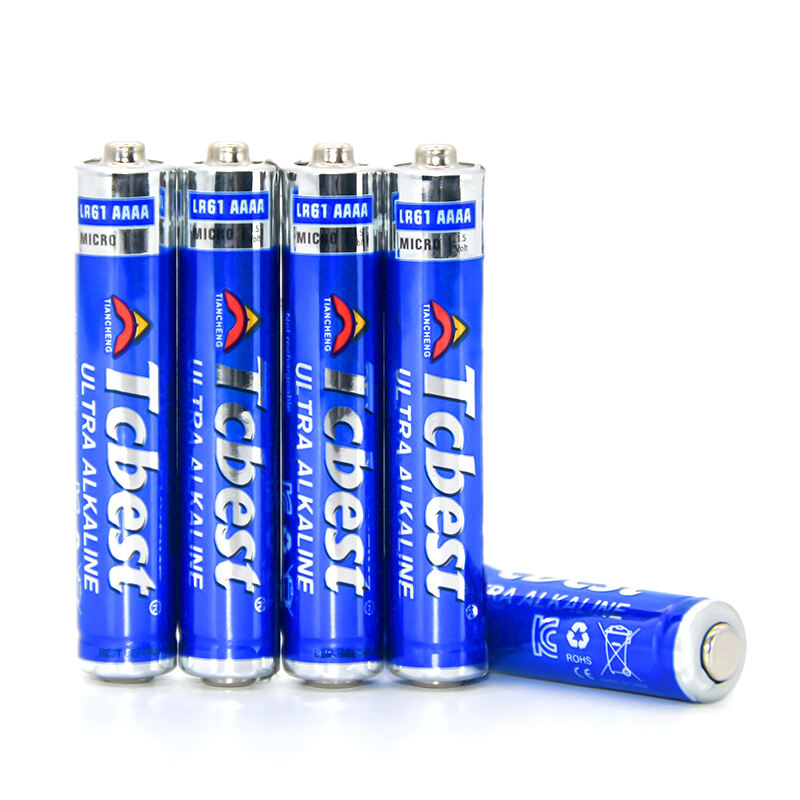
Understanding which factors affect alkaline battery shelf life storage is crucial for businesses, manufacturers, and consumers who rely on consistent power delivery over extended periods. Alkaline battery storage performance depends on multiple environmental and handling variables that directly impact the electrochemical stability and energy retention capacity of these primary power sources.
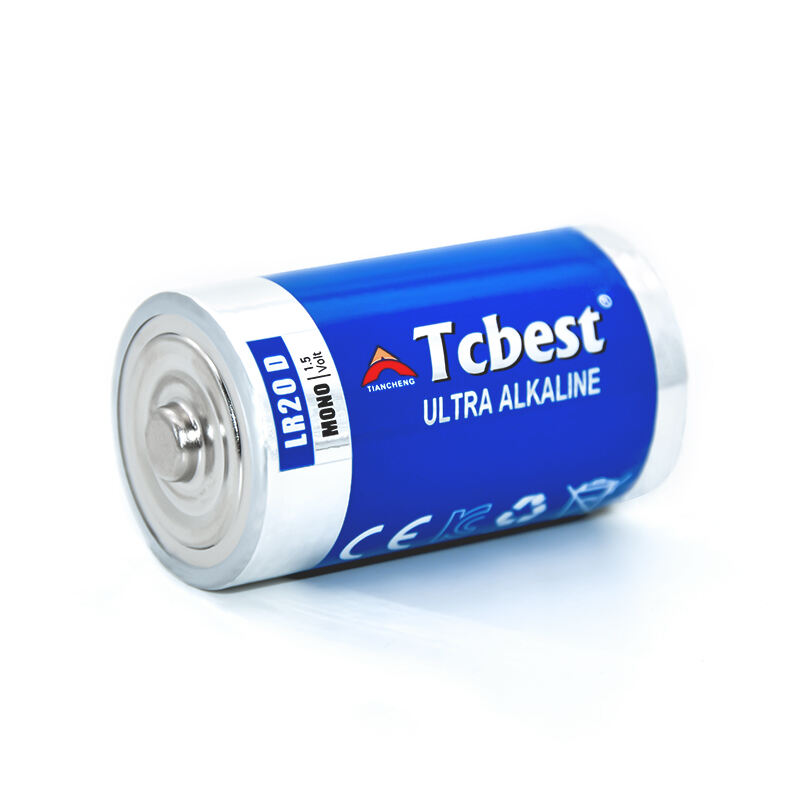
The shelf life of an alkaline battery typically ranges from 5 to 10 years under optimal storage conditions, but various factors can significantly reduce this timeframe. Temperature fluctuations, humidity levels, storage positioning, and packaging integrity all play critical roles in determining how long these batteries maintain their charge capacity and voltage stability during storage periods.
Temperature Control and Thermal Management
Optimal Temperature Range for Alkaline Battery Storage
Temperature represents the most significant factor affecting alkaline battery shelf life during storage. The ideal storage temperature for alkaline battery units falls between 59°F and 77°F (15°C to 25°C). Within this range, the internal chemical reactions slow down substantially, minimizing self-discharge rates and preserving the zinc anode and manganese dioxide cathode materials.
Higher temperatures accelerate the corrosion of internal components and increase the rate of electrolyte evaporation. When alkaline battery storage temperatures exceed 85°F (29°C), the self-discharge rate can double, significantly reducing the available capacity when the battery is eventually used. Industrial storage facilities must maintain consistent temperature control to ensure maximum shelf life performance.
Impact of Temperature Fluctuations
Frequent temperature changes create thermal stress within the alkaline battery structure, causing expansion and contraction of internal materials. These fluctuations can compromise seal integrity, allowing moisture penetration and accelerating corrosion processes. Storage environments with temperature variations exceeding 20°F (11°C) within short periods can reduce shelf life by up to 30%.
Cold storage below 32°F (0°C) can temporarily reduce alkaline battery performance, though it generally slows chemical degradation. However, extreme cold can cause electrolyte crystallization and separator material brittleness, potentially leading to permanent capacity loss. Businesses storing large quantities of alkaline battery inventory should avoid freezing conditions to maintain optimal shelf life characteristics.
Humidity and Moisture Management
Relative Humidity Control Requirements
Humidity control plays a crucial role in maintaining alkaline battery shelf life during extended storage periods. The optimal relative humidity range for storage falls between 45% and 65%. Higher humidity levels promote corrosion of external terminals and can penetrate packaging materials, accelerating internal degradation processes.
When relative humidity exceeds 70%, the alkaline battery exterior may develop corrosion spots that eventually penetrate the casing. This corrosion can create micro-leaks that allow internal electrolyte to escape, reducing capacity and potentially causing complete failure. Storage facilities must implement dehumidification systems to maintain consistent moisture levels year-round.
Condensation Prevention Strategies
Condensation formation on alkaline battery surfaces can occur when temperature changes rapidly in high-humidity environments. Water droplets can create electrical pathways between terminals, leading to self-discharge and corrosion acceleration. Proper air circulation and vapor barrier packaging help prevent condensation-related shelf life reduction.
Desiccant packets within storage containers can absorb excess moisture and maintain stable humidity levels around alkaline battery inventory. This approach proves particularly effective for long-term storage applications where environmental control systems may not be consistently available or cost-effective.
Storage Position and Physical Orientation
Vertical versus Horizontal Storage Impact
The physical orientation of alkaline battery units during storage can influence electrolyte distribution and internal pressure dynamics. Vertical storage with positive terminals facing upward is generally preferred, as this orientation maintains optimal electrolyte contact with active materials and reduces the risk of internal settling or separation.
Horizontal storage arrangements are acceptable for shorter periods but may lead to uneven electrolyte distribution in cylindrical alkaline battery designs. This uneven distribution can create performance variations when batteries are first used after extended storage, though the effect typically normalizes after initial discharge cycles.
Vibration and Movement Considerations
Excessive vibration during storage can disrupt the internal structure of alkaline battery cells, potentially causing separator damage or active material displacement. Storage areas should minimize mechanical vibrations from nearby machinery, transportation equipment, or building operations that could affect long-term shelf life performance.
Static storage provides the best conditions for maintaining alkaline battery integrity over extended periods. When movement is necessary, gentle handling and shock-absorbing packaging materials help preserve internal component alignment and maximize shelf life potential.
Packaging and Environmental Sealing
Original Packaging Integrity
Maintaining original packaging integrity significantly extends alkaline battery shelf life by providing controlled micro-environments that protect against external contaminants and moisture infiltration. Factory-sealed blister packs, shrink wrap, and cardboard packaging materials are specifically designed to maintain optimal storage conditions.
Once original packaging is compromised, exposure to ambient air accelerates oxidation processes on alkaline battery terminals and casings. Resealing opened packages with appropriate barrier materials can help restore some protective benefits, though shelf life may still be reduced compared to unopened factory packaging.
Secondary Protection Methods
Additional protective measures can enhance alkaline battery shelf life beyond original packaging capabilities. Vacuum-sealed bags with desiccant materials provide superior moisture protection for bulk storage applications. Anti-corrosion papers and vapor barrier films create multiple layers of protection against environmental factors that reduce storage longevity.
Climate-controlled storage containers with sealed gaskets maintain consistent internal conditions regardless of external weather variations. These containers prove particularly valuable for alkaline battery storage in challenging environments where temperature and humidity control may be difficult to maintain consistently.
Chemical Compatibility and Storage Environment
Air Quality and Contaminant Control
Air quality in storage environments directly affects alkaline battery shelf life through exposure to corrosive gases and airborne contaminants. Sulfur compounds, industrial fumes, and salt air can accelerate terminal corrosion and penetrate battery casings over time, reducing storage longevity.
Storage facilities should maintain clean air circulation with appropriate filtration systems to remove harmful contaminants. Areas with high industrial activity, coastal salt exposure, or chemical processing operations require enhanced air quality control measures to preserve alkaline battery shelf life characteristics.
Material Compatibility Considerations
Storage materials in direct contact with alkaline battery units must be chemically compatible to prevent accelerated degradation. Certain plastics, adhesives, and metal components can interact with battery materials, creating corrosive environments that reduce shelf life performance.
Non-reactive materials such as polyethylene, polypropylene, and stainless steel provide excellent compatibility for alkaline battery storage applications. Avoiding materials containing sulfur, chlorine, or acidic compounds helps maintain optimal storage conditions and maximize shelf life potential.
FAQ
How long can alkaline batteries be stored before they lose significant capacity?
Under optimal storage conditions with controlled temperature and humidity, quality alkaline batteries can maintain 80-90% of their original capacity for 5-7 years. However, poor storage conditions can reduce this timeframe to 2-3 years, with capacity loss accelerating in environments with temperature extremes or high humidity levels.
Does storing alkaline batteries in refrigerators extend their shelf life?
Refrigerator storage can slow chemical degradation processes but is generally not recommended for alkaline batteries due to moisture concerns. The temperature benefit is minimal compared to room temperature storage, while condensation risks from temperature changes when removing batteries can actually reduce shelf life. Cool, dry room temperature storage is preferred.
What are the signs that stored alkaline batteries have degraded during storage?
Visible signs of alkaline battery degradation include white or greenish corrosion around terminals, swelling or bulging of the battery casing, and electrolyte leakage. Performance indicators include reduced voltage output, shortened operating time, and failure to power devices that previously worked normally. Any physical damage or corrosion indicates the battery should not be used.
Can mixing old and new alkaline batteries affect storage performance?
While mixing batteries of different ages doesn't directly affect storage shelf life, it can create performance imbalances when the batteries are used. Older alkaline batteries may have higher internal resistance and lower capacity, causing uneven discharge rates that can reduce overall system performance. For optimal results, store and use batteries from the same manufacturing batch and age group.
Table of Contents
- Temperature Control and Thermal Management
- Humidity and Moisture Management
- Storage Position and Physical Orientation
- Packaging and Environmental Sealing
- Chemical Compatibility and Storage Environment
-
FAQ
- How long can alkaline batteries be stored before they lose significant capacity?
- Does storing alkaline batteries in refrigerators extend their shelf life?
- What are the signs that stored alkaline batteries have degraded during storage?
- Can mixing old and new alkaline batteries affect storage performance?