
 EN
EN
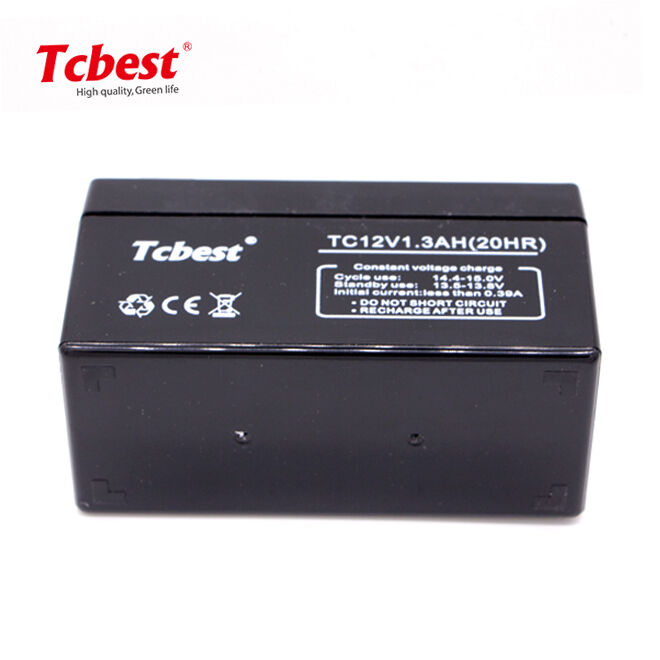
Understanding what factors affect lead acid battery lifespan is crucial for maximizing your investment in energy storage systems. Lead acid battery performance and longevity depend on multiple interconnected variables that range from environmental conditions to operational practices. Whether you're managing industrial equipment, backup power systems, or renewable energy installations, knowing these critical factors enables you to implement strategies that can significantly extend your lead acid battery service life and reduce total cost of ownership.
The lifespan of a lead acid battery typically ranges from 3 to 12 years, but this wide variation occurs because numerous factors influence the electrochemical processes that determine battery degradation rates. Temperature extremes, charging patterns, depth of discharge cycles, maintenance practices, and operating environment all play decisive roles in how quickly a lead acid battery reaches the end of its useful life. By systematically addressing each of these factors, organizations can achieve optimal performance from their lead acid battery systems while avoiding premature replacement costs.
Temperature and Environmental Conditions
Operating Temperature Impact on Battery Chemistry
Temperature represents one of the most critical factors affecting lead acid battery lifespan because it directly influences the rate of electrochemical reactions within the battery cells. High temperatures accelerate chemical reactions, leading to faster sulfation, grid corrosion, and electrolyte evaporation that permanently reduce battery capacity. For every 15°F increase above the optimal temperature range of 77°F, a lead acid battery experiences approximately 50% reduction in expected lifespan due to accelerated aging processes.
Cold temperatures present different challenges for lead acid battery performance by slowing chemical reactions and reducing available capacity. While cold conditions don't cause the same permanent damage as excessive heat, they significantly impact the battery's ability to deliver power and accept charge efficiently. Lead acid battery systems operating in consistently cold environments may experience capacity reductions of 20-50% compared to their rated specifications, requiring oversized battery banks to meet performance requirements.
Temperature fluctuations create additional stress on lead acid battery components through thermal expansion and contraction cycles that can damage internal connections and plate structures. Maintaining stable operating temperatures through proper ventilation, insulation, or climate control systems helps preserve the structural integrity of lead acid battery installations and ensures consistent performance throughout their service life.
Humidity and Atmospheric Conditions
High humidity environments can accelerate corrosion of lead acid battery terminals, connections, and external components, leading to increased resistance and potential safety hazards. Moisture infiltration into battery compartments creates conditions conducive to sulfate crystal formation on terminals and can compromise the integrity of battery monitoring systems. Proper sealing and ventilation strategies help protect lead acid battery installations from humidity-related degradation while maintaining safe operating conditions.
Atmospheric contaminants such as salt spray in marine environments or industrial pollutants can significantly impact lead acid battery lifespan through accelerated corrosion processes. These environmental factors require specialized protective measures including corrosion-resistant enclosures, regular cleaning protocols, and enhanced ventilation systems to prevent premature battery failure and maintain optimal performance characteristics.
Charging Practices and Electrical Management
Charge Voltage and Current Control
Proper charging voltage regulation is essential for lead acid battery longevity because both overcharging and undercharging cause different types of permanent damage to battery cells. Overcharging leads to excessive water loss through electrolysis, plate degradation through grid corrosion, and thermal runaway conditions that can result in catastrophic battery failure. Modern charging systems must maintain precise voltage control within manufacturer specifications to prevent these damaging conditions while ensuring complete charge acceptance.
Undercharging presents equally serious risks to lead acid battery lifespan through the accumulation of lead sulfate crystals that gradually reduce active material availability and increase internal resistance. Chronic undercharging conditions allow sulfate crystals to grow larger and harder, eventually becoming permanent capacity losses that cannot be reversed through normal charging processes. Implementing proper charge termination algorithms and maintaining adequate charging time ensures complete sulfate conversion and preserves battery capacity.
Charge current rates must be carefully managed to balance charging efficiency with battery health considerations. Excessive charging currents generate heat and cause uneven electrolyte distribution that can lead to plate warping and capacity imbalances between cells. Conversely, insufficient charging currents may not provide adequate energy to complete necessary electrochemical reactions, particularly in larger lead acid battery installations where charge distribution becomes more challenging.
Charging Profile Optimization
Multi-stage charging profiles significantly improve lead acid battery lifespan by providing controlled charge delivery that matches the battery's changing acceptance characteristics throughout the charging cycle. The bulk charge phase delivers maximum safe current to rapidly restore capacity, while the absorption phase uses constant voltage to complete the charging process without overcharging. The final float stage maintains full charge while preventing sulfation and minimizing water loss through controlled voltage regulation.
Equalization charging procedures help address cell imbalances that naturally develop in lead acid battery systems over time due to manufacturing variations and operational differences. Regular equalization cycles apply controlled overcharge conditions to weaker cells while preventing stronger cells from excessive overcharging. This process helps maintain uniform cell voltages and capacities, extending overall battery bank lifespan and improving system reliability.
Discharge Patterns and Depth of Discharge
Depth of Discharge Effects on Cycle Life
The depth of discharge represents one of the most significant factors determining lead acid battery cycle life because deeper discharges cause more severe stress on active materials and internal structures. Shallow discharge cycles of 20-30% allow lead acid battery systems to achieve thousands of charge-discharge cycles, while deep discharges of 80% or more may limit cycle life to just a few hundred cycles. This relationship exists because deeper discharges require more extensive electrochemical conversion processes that gradually consume active material and increase internal resistance.
Understanding the exponential relationship between discharge depth and cycle life enables system designers to optimize lead acid battery sizing for specific applications. Applications requiring frequent deep discharges may benefit from oversized battery banks that operate at shallower discharge levels, effectively trading initial cost for extended service life and reduced replacement frequency. This approach often provides superior total cost of ownership despite higher upfront investment.
Partial state of charge operation, where lead acid battery systems operate continuously between partial charge levels without reaching full charge, creates particular challenges for battery longevity. This operating mode promotes sulfation accumulation and prevents the beneficial effects of complete charge cycles that help maintain active material integrity. Applications with partial state of charge requirements need specialized charging strategies to periodically restore full charge and prevent capacity degradation.
Discharge Rate and Power Demand Management
High discharge rates place additional stress on lead acid battery systems by creating internal heating, voltage depression, and uneven current distribution across battery plates. Excessive discharge currents can cause permanent capacity losses through active material shedding and plate structural damage that accumulates over repeated high-rate discharge cycles. Managing power demands to stay within manufacturer-specified discharge rate limits helps preserve battery structural integrity and maximize service life.
Intermittent high-power demands may be more damaging to lead acid battery lifespan than continuous moderate loads due to the thermal and mechanical stress associated with rapid power transitions. System design approaches that use capacitor banks or other energy storage technologies to buffer peak power demands can significantly reduce stress on lead acid battery systems and improve overall system longevity while maintaining performance requirements.
Maintenance Practices and System Management
Regular Inspection and Preventive Maintenance
Systematic inspection routines play a crucial role in identifying potential issues before they cause permanent damage to lead acid battery systems. Regular voltage measurements, temperature monitoring, and visual inspections help detect cell imbalances, connection problems, and environmental issues that could accelerate battery degradation. Early identification of these issues allows for corrective action that can prevent minor problems from developing into major system failures requiring complete battery replacement.
Maintenance of proper electrolyte levels in flooded lead acid battery designs directly impacts battery lifespan because low electrolyte levels expose plates to air, causing irreversible sulfation and capacity losses. Regular water additions using distilled or deionized water help maintain optimal electrolyte concentration and prevent plate exposure. However, excessive watering can dilute electrolyte concentration and reduce battery performance, requiring careful attention to manufacturer specifications and local environmental conditions.
Terminal and connection maintenance prevents resistance increases that can cause uneven current distribution, heating, and reduced system efficiency. Regular cleaning of terminals, application of corrosion inhibitors, and proper torque specifications for connections ensure reliable electrical contact and prevent hot spots that can accelerate local battery degradation. These maintenance practices are particularly critical in harsh environments where corrosion rates are elevated.
Monitoring and Data Management Systems
Advanced monitoring systems provide continuous visibility into lead acid battery performance parameters that enable proactive management strategies to extend battery lifespan. Real-time monitoring of voltage, current, temperature, and internal resistance helps identify developing issues before they cause permanent damage. Data logging capabilities allow for trend analysis that can predict maintenance needs and optimize charging strategies based on actual usage patterns rather than theoretical specifications.
Battery management systems that automatically adjust charging parameters based on temperature, age, and usage patterns help optimize lead acid battery lifespan by providing precisely controlled charging that adapts to changing battery characteristics. These intelligent systems can extend battery life by preventing overcharging in hot conditions, providing equalization cycles when needed, and maintaining optimal float voltages as batteries age and their characteristics change over time.
Design and Installation Considerations
Proper Sizing and Configuration
Correct battery sizing represents a fundamental factor in achieving optimal lead acid battery lifespan because undersized systems operate under constant stress while oversized systems may not receive adequate exercise to maintain capacity. Battery banks sized for specific applications should account for actual load profiles, environmental conditions, and desired service life rather than simply meeting minimum capacity requirements. This approach ensures that lead acid battery systems operate within their optimal performance envelope throughout their service life.
Series and parallel configuration choices significantly impact lead acid battery system reliability and lifespan through their effects on current distribution, charging uniformity, and failure modes. Series connections increase system voltage but create vulnerability to single-cell failures, while parallel connections provide redundancy but can create current imbalances that accelerate degradation of weaker batteries. Optimal configuration strategies balance performance requirements with reliability considerations to maximize system lifespan.
Battery bank expansion and modification strategies must consider the impact of mixing batteries with different ages, capacities, or technologies. Adding new batteries to existing lead acid battery systems can create imbalances that accelerate degradation of both old and new batteries unless careful attention is paid to matching characteristics and implementing appropriate charging strategies. Planning for future expansion during initial system design helps avoid these compatibility issues.
Installation Environment Optimization
Proper ventilation design ensures safe operation while maintaining optimal temperature conditions for maximum lead acid battery lifespan. Adequate airflow prevents heat buildup during charging while removing potentially hazardous gases generated during normal operation. Ventilation systems must balance cooling requirements with protection from environmental contaminants that could accelerate battery degradation through corrosion or contamination of battery components.
Seismic and vibration considerations affect lead acid battery installations in applications subject to mechanical stress, such as mobile equipment or installations in earthquake-prone areas. Proper mounting systems and shock absorption help prevent internal damage from mechanical forces while maintaining reliable electrical connections. These design considerations become increasingly important for larger battery installations where mechanical forces can cause significant structural stress on individual battery components.
FAQ
How often should lead acid batteries be replaced in typical applications?
Lead acid battery replacement intervals depend heavily on application requirements and operating conditions, but typically range from 3-5 years for float service applications to 5-10 years for standby power systems with proper maintenance. Batteries used in frequent cycling applications may require replacement every 2-4 years, while carefully maintained stationary batteries in controlled environments can achieve 10-15 years of service life. Regular capacity testing and performance monitoring provide the most accurate indication of when replacement is needed rather than relying solely on calendar age.
What is the most damaging factor to lead acid battery lifespan?
High operating temperatures typically cause the most severe reduction in lead acid battery lifespan because elevated temperatures accelerate all degradation mechanisms including grid corrosion, active material degradation, and water loss. While other factors like deep discharge cycles and poor charging practices also significantly impact battery life, temperature effects are cumulative and irreversible, making thermal management the highest priority for maximizing battery lifespan in most applications.
Can lead acid battery lifespan be extended through specific maintenance practices?
Yes, proper maintenance practices can significantly extend lead acid battery lifespan by addressing the root causes of battery degradation. Regular equalization charging prevents cell imbalances, maintaining proper electrolyte levels prevents plate exposure, and temperature control reduces chemical reaction rates that cause aging. Consistent monitoring and preventive maintenance can often double the service life compared to batteries that receive minimal attention, making maintenance investment highly cost-effective.
How does ambient temperature affect the replacement schedule for lead acid batteries?
Ambient temperature has a profound impact on lead acid battery replacement schedules, with high-temperature environments requiring replacement every 3-4 years compared to 6-8 years in temperature-controlled environments. For every 15°F increase in average operating temperature above 77°F, battery lifespan decreases by approximately 50%, making climate control one of the most effective strategies for extending replacement intervals and reducing total cost of ownership in battery systems.
Table of Contents
- Temperature and Environmental Conditions
- Charging Practices and Electrical Management
- Discharge Patterns and Depth of Discharge
- Maintenance Practices and System Management
- Design and Installation Considerations
-
FAQ
- How often should lead acid batteries be replaced in typical applications?
- What is the most damaging factor to lead acid battery lifespan?
- Can lead acid battery lifespan be extended through specific maintenance practices?
- How does ambient temperature affect the replacement schedule for lead acid batteries?