
 EN
EN
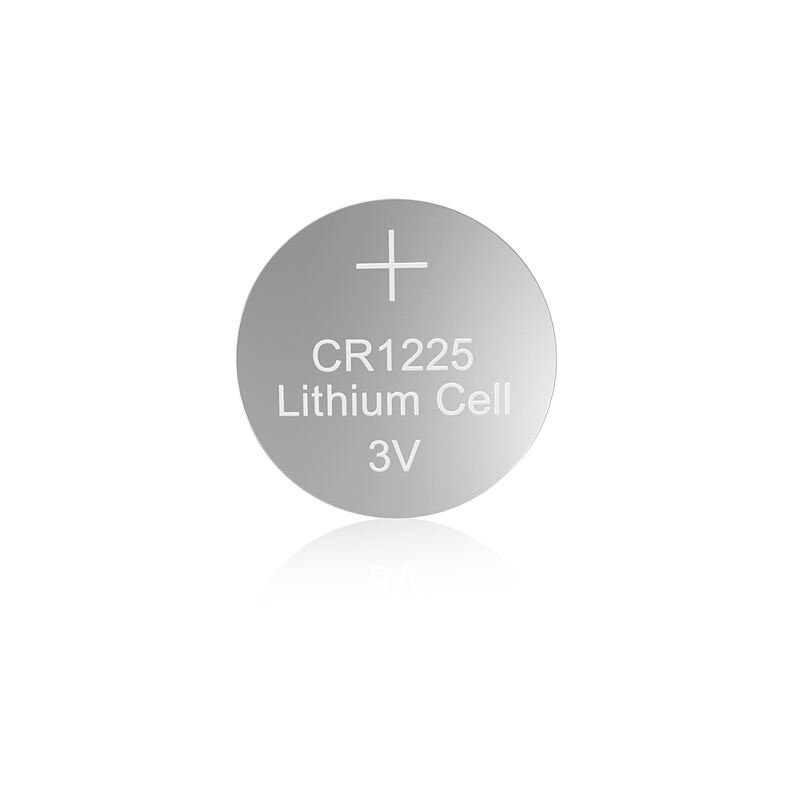
Understanding the factors that determine button cell lifespan in devices is essential for engineers, product designers, and purchasing managers who rely on these compact power sources for critical applications. Button cells power everything from medical devices and hearing aids to remote controls and fitness trackers, making their longevity a key consideration in product development and lifecycle planning. The lifespan of a button cell is not determined by a single variable but rather by a complex interplay of chemical composition, discharge patterns, environmental conditions, device design characteristics, and storage practices. Each of these factors influences how efficiently the battery delivers power and how long it maintains adequate voltage levels before requiring replacement.
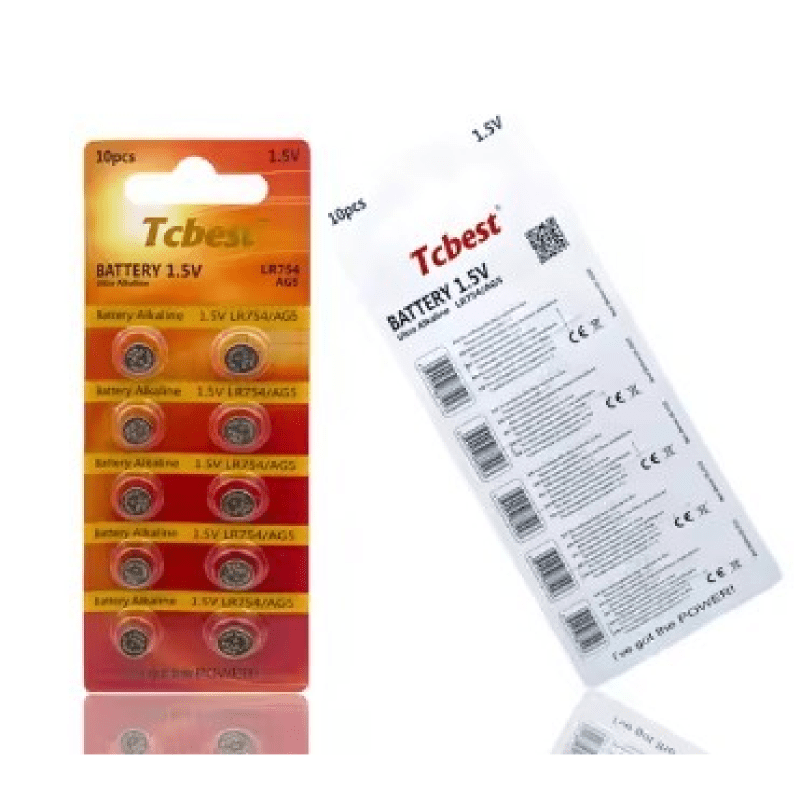
When evaluating which factors most significantly impact battery longevity, professionals must consider both the intrinsic properties of the button cell chemistry and the extrinsic demands placed upon it by the host device. The decision to select a particular button cell type for an application requires careful analysis of expected current draw, operating temperature ranges, intermittent versus continuous use patterns, and the acceptable end-of-life voltage threshold. This comprehensive examination of lifespan determinants enables informed specification decisions that balance cost, performance, and reliability requirements across diverse industrial and consumer electronics applications.
Chemical Composition and Electrochemistry Fundamentals
Primary Cell Chemistry Types and Their Inherent Lifespan Characteristics
The fundamental chemistry of a button cell establishes the baseline energy density and discharge behavior that ultimately govern its operational lifespan. Alkaline button cells, which use zinc and manganese dioxide electrodes with potassium hydroxide electrolyte, typically offer moderate energy density and are well-suited for low-to-moderate drain applications. Their nominal voltage of 1.5 volts gradually declines throughout the discharge cycle, which can affect device performance as the battery depletes. Silver oxide button cells provide higher energy density and more stable voltage output throughout their discharge cycle, making them preferable for precision instruments and medical devices where consistent voltage is critical. Lithium button cells, including lithium manganese dioxide types, deliver the highest energy density and excellent low-temperature performance, extending lifespan in demanding applications.
The choice of chemistry directly influences how a button cell responds to various discharge conditions. Alkaline chemistries typically perform best in intermittent discharge applications where the battery has recovery time between pulses, allowing chemical reactions to re-equilibrate. Silver oxide chemistries maintain voltage stability under moderate continuous loads, making them ideal for watches and hearing aids. Lithium chemistries excel in both high-pulse and low-drain continuous applications, offering superior shelf life due to minimal self-discharge rates. Understanding these inherent electrochemical properties enables engineers to predict lifespan under specific operating conditions and select the appropriate chemistry for target applications.
Electrolyte Composition and Internal Resistance Evolution
The electrolyte within a button cell facilitates ion transport between electrodes and its composition significantly affects both initial performance and long-term degradation patterns. As a button cell discharges, chemical reactions gradually alter electrolyte properties, often increasing internal resistance over time. This resistance growth reduces the cell's ability to deliver current efficiently, particularly under high-drain conditions. In alkaline button cells, carbonate formation and electrolyte depletion contribute to rising resistance, while in lithium types, passivation layer development on electrode surfaces can increase impedance. Higher internal resistance translates to greater voltage sag under load, effectively shortening the useful lifespan even when chemical capacity remains.
Temperature effects on electrolyte viscosity and ionic conductivity further complicate lifespan prediction. At lower temperatures, electrolyte viscosity increases, reducing ion mobility and effectively raising internal resistance. This phenomenon explains why button cell performance degrades in cold environments, even when the underlying electrochemistry remains viable. Conversely, elevated temperatures may accelerate unwanted side reactions that consume active materials or degrade the electrolyte, permanently reducing capacity. Engineers must account for these electrochemical dynamics when estimating button cell lifespan in temperature-variable applications, recognizing that the same cell may exhibit dramatically different service life depending on its thermal operating environment.
Device Current Draw Patterns and Load Characteristics
Continuous Versus Intermittent Discharge Profiles
The manner in which a device draws current from a button cell profoundly impacts achievable lifespan. Continuous low-drain applications, such as real-time clocks or memory backup circuits, typically draw microampere-level currents consistently over extended periods. Under these conditions, a button cell can operate for years, with lifespan primarily limited by self-discharge and gradual capacity fade rather than active discharge depletion. The gentle, steady current draw allows electrochemical reactions to proceed at equilibrium rates without significant overpotential or localized depletion effects. Devices with this discharge profile maximize the theoretical capacity utilization of the button cell, approaching the manufacturer's rated capacity specifications.
Intermittent discharge patterns, characterized by brief high-current pulses separated by quiescent periods, present different lifespan considerations. During high-current pulses, voltage sag occurs due to internal resistance and mass transport limitations within the button cell. If the device's minimum operating voltage threshold is high, these voltage excursions may trigger premature end-of-life even when substantial capacity remains. However, the recovery periods between pulses allow concentration gradients to dissipate and electrode potentials to recover, partially offsetting the stress of high-rate discharge. Applications like wireless sensors, remote controls, and intermittent LED activation exemplify this pattern. Optimizing lifespan in these contexts requires matching the button cell's pulse capability and voltage recovery characteristics to the specific duty cycle of the device.
Peak Current Requirements and Voltage Cutoff Thresholds
The peak current demands placed on a button cell during operation critically determine whether it can sustain adequate voltage throughout its intended lifespan. Devices with microcontrollers, wireless transmitters, or motor drives may generate current pulses ranging from tens to hundreds of milliamperes for brief intervals. These high-rate demands cause significant voltage drops proportional to internal resistance, potentially bringing terminal voltage below the device's operational threshold. A button cell that performs adequately in low-drain service may prove inadequate when subjected to high-pulse loads, not because it lacks capacity but because voltage sag prevents utilization of that capacity.
The device's end-of-life voltage cutoff specification equally influences usable lifespan from a given button cell. Some circuits cease functioning when voltage drops below 1.3 volts, while others operate down to 0.9 volts or lower. This cutoff voltage directly determines what percentage of the button cell's capacity can be extracted. A cell with flat discharge characteristics, such as silver oxide types, may deliver 90 percent or more of rated capacity to a low-cutoff device, while a sloping discharge profile from an alkaline button cell might only provide 60 percent utilization to a high-cutoff application. Engineers designing for maximum lifespan must carefully match cell chemistry discharge curves to device voltage requirements, ensuring that capacity utilization aligns with operational needs.
Environmental Operating Conditions
Temperature Effects on Electrochemical Performance
Operating temperature stands as one of the most influential environmental factors affecting button cell lifespan. Elevated temperatures accelerate chemical reaction rates within the cell, including both the desired discharge reactions and undesired parasitic processes such as self-discharge and electrolyte decomposition. For every 10-degree Celsius increase in temperature, self-discharge rates typically double, effectively reducing shelf life and available capacity in storage or low-drain applications. In active discharge scenarios, higher temperatures may initially improve performance by reducing internal resistance, but prolonged exposure accelerates degradation mechanisms that permanently diminish capacity and shorten overall lifespan.
Cold temperature operation presents the opposite challenge, where reduced electrochemical kinetics and increased electrolyte viscosity impair button cell performance. At temperatures approaching freezing, lithium button cells generally maintain better performance than alkaline types, which may experience dramatic capacity loss and voltage depression. Devices operating outdoors, in refrigerated environments, or in variable-temperature conditions must account for these thermal sensitivities. A button cell specification indicating 500 hours of operation at 20 degrees Celsius might deliver only 300 hours at 40 degrees Celsius or 150 hours at minus 10 degrees Celsius, demonstrating how environmental temperature directly modulates lifespan independently of device design factors.
Humidity, Pressure, and Atmospheric Considerations
While button cells are sealed systems designed to resist environmental intrusion, extreme humidity and atmospheric conditions can indirectly affect lifespan through effects on device housing, contacts, and thermal management. High humidity environments may promote corrosion of battery contacts and terminals, increasing contact resistance and effectively raising the load impedance seen by the button cell. This degradation can cause premature voltage cutoff even when the cell retains capacity. Conversely, extremely dry environments may contribute to static discharge events or material shrinkage that compromises seals over extended periods.
Atmospheric pressure variations, relevant in aviation, high-altitude installations, or vacuum applications, can influence button cell behavior through effects on internal gas pressure and seal integrity. Some button cell chemistries generate gas during discharge or as a result of side reactions, and external pressure changes may affect the equilibrium of these processes. While most modern button cells incorporate pressure relief mechanisms and robust seals, extreme or rapid pressure cycling can potentially compromise hermeticity, allowing moisture ingress or electrolyte loss that shortens lifespan. Applications in pressurized or depressurized environments require careful validation of button cell performance under relevant atmospheric conditions.
Device Design Integration and Circuit Architecture
Power Management and Voltage Regulation Strategies
The power management architecture employed by the host device significantly influences how efficiently a button cell's capacity is utilized and thus its effective lifespan. Devices without voltage regulation or power management directly experience the button cell's declining voltage profile, which may cause functionality degradation as the battery depletes. More sophisticated designs incorporate low-dropout regulators, boost converters, or intelligent power management that maintains consistent operating voltage despite declining battery voltage. These systems enable deeper discharge and more complete capacity utilization, extending functional lifespan by allowing operation to lower end-of-life voltages.
Sleep modes, duty cycling, and adaptive power scaling further optimize button cell longevity by minimizing unnecessary current draw. Microcontroller-based devices that enter deep sleep states between active periods can reduce average current consumption by orders of magnitude compared to continuous operation. This approach transforms a high-drain application into an effective low-drain scenario from the button cell's perspective, dramatically extending service life. Similarly, dynamic voltage and frequency scaling allows processors to reduce power consumption during low-demand periods, smoothing the discharge profile and reducing peak stress on the button cell. Engineers seeking maximum lifespan must optimize both the selection of the button cell chemistry and the implementation of device-level power management strategies.
Contact Resistance and Mechanical Battery Retention
The mechanical and electrical interface between a button cell and its device contacts directly affects deliverable performance and lifespan. Inadequate contact pressure, contaminated contact surfaces, or corrosion buildup introduce parasitic resistance that appears in series with the button cell's internal resistance. This additional resistance causes greater voltage drops under load, potentially triggering premature cutoff. High-quality spring contacts with gold or nickel plating minimize this issue, while poorly designed holders with inadequate contact force or unplated materials may significantly degrade effective lifespan.
Mechanical retention systems must balance adequate pressure for electrical contact with avoiding excessive force that could deform the button cell or damage its seal. Over-compression can cause internal short circuits or compromise the integrity of the seal between anode and cathode compartments, leading to capacity loss or complete failure. Vibration and mechanical shock, particularly relevant in portable or automotive applications, stress both the retention mechanism and the button cell structure itself. Devices subjected to mechanical environments require robust battery holder designs that maintain reliable electrical contact without imposing destructive mechanical loads on the button cell throughout its operational lifespan.
Storage Conditions and Shelf Life Management
Pre-Installation Storage Duration and Conditions
The period between button cell manufacture and installation in a device, along with storage conditions during this interval, significantly influences the remaining operational lifespan available when the battery enters service. All button cell chemistries exhibit self-discharge, wherein internal reactions gradually consume capacity even without external load. Lithium button cells typically demonstrate the lowest self-discharge rates, retaining 90 percent or more of capacity after several years of proper storage. Alkaline button cells show moderate self-discharge, while zinc-air types begin discharging immediately upon activation and cannot be stored once the seal tab is removed.
Storage temperature critically affects self-discharge rates and shelf life preservation. Manufacturers typically recommend storage at room temperature or below, with refrigerated storage further reducing self-discharge for long-term stockpiling. However, condensation risks during temperature transitions require careful packaging protection. Button cells stored at elevated temperatures experience accelerated capacity fade, potentially losing significant portions of their rated capacity before installation. For devices with extended time-to-market or long supply chain durations, accounting for storage-related capacity loss becomes essential for accurate lifespan prediction. Procurement and inventory management practices should implement first-in-first-out rotation and temperature-controlled storage to maximize the operational lifespan available from button cells at the time of device assembly.
Date Code Tracking and Expiration Management
Manufacturing date codes printed on button cell packaging enable tracking of age and estimation of remaining shelf life. Most button cell manufacturers specify recommended use-by dates ranging from two to ten years depending on chemistry, with lithium types generally offering the longest shelf life. Using button cells beyond their recommended shelf life does not necessarily mean immediate failure, but capacity will be reduced below rated specifications, shortening operational lifespan proportionally. Critical applications requiring predictable minimum lifespan should establish procurement and inventory policies that prevent installation of aged button cells.
For devices with multi-year expected lifespans, the initial button cell age at installation becomes a significant factor in field reliability. Installing a button cell that has already lost 20 percent of capacity due to two years of storage means the device will achieve only 80 percent of the lifespan that would result from a fresh cell. In production environments, establishing maximum age limits for button cells used in assembly—such as restricting installation to cells less than six months from manufacture date—helps ensure consistent field performance. This practice trades slightly higher battery costs for improved device reliability and reduced warranty claims related to premature battery depletion.
FAQ
How does temperature affect the lifespan of a button cell in wearable devices?
Temperature significantly impacts button cell lifespan through multiple mechanisms. Elevated temperatures accelerate self-discharge rates and internal degradation reactions, potentially reducing lifespan by 50 percent or more compared to room temperature operation. Body heat from wearable devices typically maintains batteries at 30 to 35 degrees Celsius, causing faster capacity fade than the 20-degree rating conditions. Cold temperatures reduce available capacity and increase internal resistance, which may prevent high-current operations but can extend calendar life in low-drain applications. For wearables experiencing temperature variation, the cumulative thermal exposure determines overall lifespan more than instantaneous temperature extremes.
Can the type of device circuit design extend button cell operational life?
Yes, circuit design profoundly influences button cell lifespan through power management strategies and voltage utilization. Circuits incorporating efficient voltage regulators or boost converters can operate to lower end-of-life voltages, extracting more capacity from the button cell before cutoff. Sleep modes and duty cycling reduce average current draw, transforming nominally high-drain devices into effective low-drain applications from the battery perspective. Adaptive algorithms that reduce transmission power, screen brightness, or processing frequency during low-battery states further extend operational time. Well-designed circuits may achieve two to three times the lifespan of inefficient designs using identical button cells, making power management architecture a critical lifespan determinant.
Why do some button cells fail prematurely despite showing voltage above cutoff?
Premature button cell failure with adequate resting voltage typically results from high internal resistance preventing current delivery under load. As button cells age, internal resistance increases due to passivation layers, electrolyte changes, and contact degradation. While the open-circuit voltage may remain above the device cutoff threshold, the voltage sag during current pulses drops below operational requirements. This phenomenon is particularly common in devices with high peak current demands or when alkaline button cells are used in applications better suited to lithium chemistry. Additionally, poor contact resistance from corroded terminals or inadequate holder pressure can mimic internal resistance increases, causing similar premature failure symptoms.
What role does the button cell manufacturing date play in device lifespan?
Manufacturing date directly affects remaining capacity at installation due to self-discharge during storage. Button cells lose capacity progressively from the production date, with loss rates varying by chemistry and storage conditions. A button cell stored for two years before installation may have 10 to 20 percent less capacity than the rated specification, correspondingly reducing device operational lifespan. For devices designed with specific minimum lifespan requirements, using aged button cells can result in field failures before expected service intervals. Tracking date codes and implementing maximum age policies for production assembly ensures that devices receive button cells with sufficient remaining capacity to meet design lifespan targets, improving reliability and customer satisfaction.
Table of Contents
- Chemical Composition and Electrochemistry Fundamentals
- Device Current Draw Patterns and Load Characteristics
- Environmental Operating Conditions
- Device Design Integration and Circuit Architecture
- Storage Conditions and Shelf Life Management
-
FAQ
- How does temperature affect the lifespan of a button cell in wearable devices?
- Can the type of device circuit design extend button cell operational life?
- Why do some button cells fail prematurely despite showing voltage above cutoff?
- What role does the button cell manufacturing date play in device lifespan?