
 EN
EN
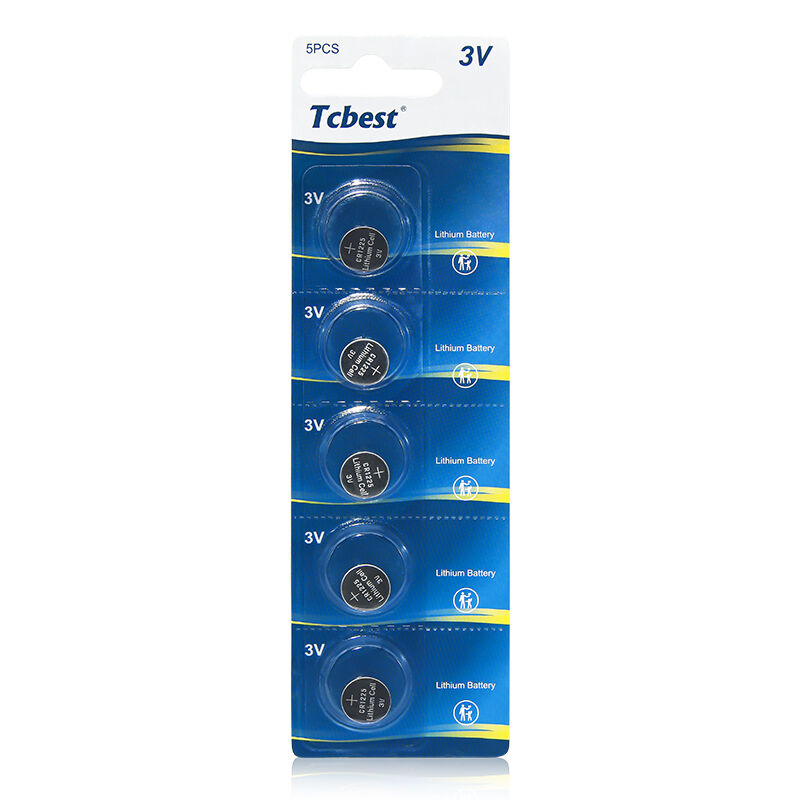
A button cell is a small, compact battery shaped like a coin or button that powers a wide variety of electronic devices. These miniature power sources are found in everyday items such as watches, hearing aids, calculators, remote controls, medical devices, and small electronic toys. Despite their diminutive size, button cells deliver reliable voltage and energy density, making them essential for applications where space is limited and consistent power delivery is critical. Understanding what a button cell is and how it operates helps manufacturers, engineers, and consumers make informed decisions about device design, maintenance, and battery selection.
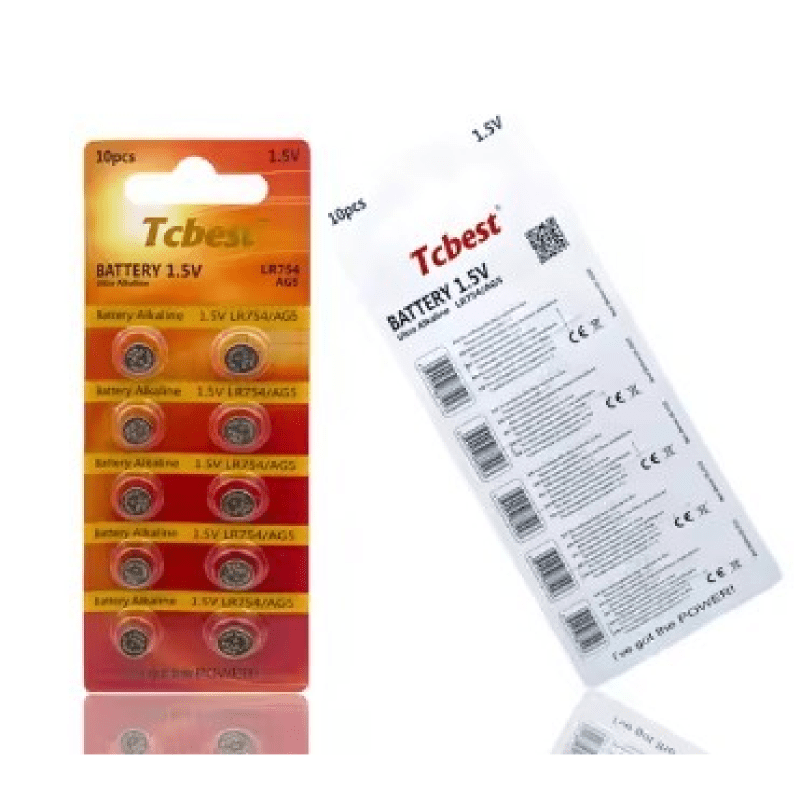
The working principle of a button cell revolves around electrochemical reactions that convert chemical energy into electrical energy. This process involves two electrodes—an anode and a cathode—separated by an electrolyte, all housed within a sealed metal casing. When a device is connected to the battery, electrons flow from the negative terminal to the positive terminal through an external circuit, generating the electric current needed to power the device. The specific chemistry used in the button cell determines its voltage, capacity, discharge characteristics, and suitability for different applications. This article explores the definition, structure, chemical composition, working mechanism, types, applications, and practical considerations surrounding button cells.
Understanding the Definition and Structure of a Button Cell
What Defines a Button Cell Battery
A button cell is defined by its distinctive physical form factor and compact design. Typically measuring between 5 millimeters and 25 millimeters in diameter and 1 millimeter to 6 millimeters in height, these batteries resemble small coins or buttons, hence their name. The term button cell encompasses a variety of electrochemical systems, including alkaline, silver oxide, lithium, zinc-air, and mercury chemistries, each offering different performance characteristics. The standardized sizing and designation systems, such as the International Electrotechnical Commission codes, help users identify compatible batteries for their devices.
The compact nature of a button cell does not compromise its functionality. These batteries are engineered to deliver stable voltage over extended periods, often ranging from 1.5 volts to 3 volts depending on the chemistry. The standardized dimensions allow manufacturers to design devices with predictable power requirements and battery compartments that accommodate specific button cell sizes. This uniformity simplifies replacement procedures and ensures compatibility across different brands and product lines.
Key Structural Components of Button Cells
The internal structure of a button cell consists of several essential components that work together to produce electrical energy. The anode, or negative electrode, is typically made from materials such as zinc or lithium depending on the battery chemistry. The cathode, or positive electrode, may consist of manganese dioxide, silver oxide, or other metal oxides. Between these electrodes sits the electrolyte, a conductive medium that allows ions to move while preventing direct contact between the anode and cathode. This separation is maintained by a porous separator material that ensures safe and efficient ion transport.
The entire assembly is housed within a sealed metal casing that serves multiple functions. The casing provides structural integrity, protects the internal components from environmental factors, and serves as one of the electrical terminals. In most button cell designs, the top cap functions as the positive terminal while the bottom case serves as the negative terminal. A gasket or seal ensures that the battery remains hermetically sealed, preventing electrolyte leakage and contamination. This robust construction allows button cells to operate reliably across a wide range of temperatures and conditions, making them suitable for diverse applications.
Size Designation and Standardization Systems
Button cell batteries follow specific naming conventions that indicate their size and sometimes their chemistry. The most common system uses a combination of letters and numbers, where letters denote the chemistry type and numbers indicate the physical dimensions. For example, the prefix LR indicates an alkaline button cell, SR denotes silver oxide, and CR represents lithium chemistry. The numbers that follow typically correspond to the diameter and height in tenths of millimeters. An LR44 button cell, for instance, measures approximately 11.6 millimeters in diameter and 5.4 millimeters in height.
Understanding these designation systems is crucial for selecting the correct button cell for replacement purposes. Different manufacturers may use alternative naming schemes, such as AG, 357, or 377, which can refer to the same physical size but potentially different chemistries. Cross-reference charts help users identify equivalent button cell types across different brands and naming conventions. This standardization ensures that consumers and technicians can easily find compatible replacements without detailed technical specifications, promoting convenience and reducing the risk of using incorrect batteries that could damage devices.
The Electrochemical Working Principle of Button Cells
Fundamental Electrochemical Reactions
The operation of a button cell is based on oxidation-reduction reactions occurring at the electrodes. At the anode, the active material undergoes oxidation, releasing electrons into the external circuit. These electrons travel through the connected device, performing useful work before returning to the cathode where reduction occurs. Simultaneously, ions move through the electrolyte to maintain electrical neutrality and sustain the electrochemical reaction. This continuous flow of electrons constitutes the electric current that powers the device.
In an alkaline button cell, for example, zinc serves as the anode material. During discharge, zinc atoms lose electrons and form zinc ions, which then react with hydroxide ions in the alkaline electrolyte. At the cathode, manganese dioxide accepts electrons and undergoes reduction. The overall reaction converts chemical energy stored in the electrode materials into electrical energy. The voltage produced by this reaction remains relatively stable until the reactants are substantially depleted, at which point the button cell voltage begins to decline, signaling the need for replacement.
Electron Flow and Current Generation
When a button cell is installed in a device and the circuit is completed, electrons begin flowing from the anode through the external circuit to the cathode. This flow is driven by the difference in electrical potential between the two electrodes, determined by the specific chemistry of the button cell. The rate of electron flow, or current, depends on the resistance of the external circuit and the internal resistance of the battery itself. Devices with higher current demands will drain the button cell more quickly than low-power applications.
The internal resistance of a button cell affects its ability to deliver current efficiently. Factors such as electrolyte conductivity, electrode surface area, and separator characteristics all influence internal resistance. A well-designed button cell minimizes internal resistance to maximize energy efficiency and prevent excessive heat generation during discharge. As the battery ages or operates in cold temperatures, internal resistance may increase, reducing the available current and causing voltage to drop under load. Understanding these characteristics helps engineers design devices that can accommodate the performance envelope of the selected button cell chemistry.
Voltage Stability and Discharge Characteristics
Different button cell chemistries exhibit distinct voltage profiles during discharge. Alkaline button cells typically start at 1.5 volts and gradually decline as the battery is used. Silver oxide button cells maintain a more stable voltage around 1.55 volts throughout most of their service life, then drop sharply when depleted. Lithium button cells operate at higher voltages, typically 3 volts, and also demonstrate excellent voltage stability. These discharge characteristics determine which button cell chemistry is most appropriate for specific applications.
Devices that require stable voltage for accurate operation, such as precision watches or medical instruments, benefit from silver oxide or lithium button cells. Applications that can tolerate gradual voltage decline may use more economical alkaline button cells. The discharge curve also influences the perceived battery life from a user perspective. A button cell that maintains stable voltage until sudden depletion may appear to fail abruptly, while one with gradual voltage decline provides more warning of impending replacement need. Manufacturers select button cell types based on these performance requirements to optimize device function and user experience.
Types of Button Cell Chemistries and Their Characteristics
Alkaline Button Cells
Alkaline button cells use zinc as the anode material and manganese dioxide as the cathode, with an alkaline electrolyte typically consisting of potassium hydroxide. These batteries offer good energy density at a relatively low cost, making them popular for consumer electronics such as toys, calculators, and inexpensive watches. The nominal voltage of an alkaline button cell is 1.5 volts, though the actual voltage decreases gradually during discharge. These batteries perform adequately in low to moderate drain applications but may struggle to deliver sufficient current for high-power devices.
The primary advantages of alkaline button cells include their wide availability, economical price point, and mercury-free composition that makes them environmentally friendlier than older battery types. However, they exhibit higher self-discharge rates compared to silver oxide or lithium alternatives, meaning they lose charge over time even when not in use. Temperature sensitivity also affects alkaline button cell performance, with reduced capacity in cold conditions. Despite these limitations, alkaline button cells remain a practical choice for applications where cost is a primary concern and moderate performance is acceptable.
Silver Oxide Button Cells
Silver oxide button cells represent a premium battery technology that delivers superior performance characteristics. Using zinc as the anode and silver oxide as the cathode, these batteries provide a stable 1.55-volt output with minimal voltage drop throughout most of the discharge cycle. The excellent voltage regulation makes silver oxide button cells ideal for precision instruments such as watches, medical devices, and electronic measurement tools where consistent voltage is essential for accurate operation. The energy density of silver oxide button cells exceeds that of alkaline types, allowing longer service life in the same physical size.
These button cells demonstrate low self-discharge rates, retaining charge during storage much better than alkaline alternatives. The stable discharge characteristics mean that devices powered by silver oxide button cells experience consistent performance until the battery is nearly depleted, at which point voltage drops rapidly. This sudden end-of-life behavior is actually advantageous for time-critical applications because it prevents devices from operating with inadequate power that could cause errors. The primary disadvantage of silver oxide button cells is their higher cost compared to alkaline types, but the superior performance justifies the price premium in demanding applications.
Lithium Button Cells
Lithium button cells utilize lithium as the anode material combined with various cathode materials such as manganese dioxide or carbon monofluoride. These batteries operate at 3 volts, significantly higher than alkaline or silver oxide alternatives, allowing devices to be designed with fewer cells or enabling higher performance from compact packages. Lithium button cells offer exceptional energy density, extended shelf life, and excellent performance across wide temperature ranges. They are commonly used in computer motherboards for CMOS memory backup, keyless entry systems, and medical devices requiring long-term reliability.
The superior energy density of lithium button cells translates to longer operational life compared to other chemistries of equivalent size. Self-discharge rates are extremely low, often allowing these batteries to maintain charge for ten years or more during storage. The wide operating temperature range makes lithium button cells suitable for applications exposed to extreme environmental conditions. However, the higher voltage requires careful circuit design to prevent damage to components rated for lower voltages. Safety considerations also apply, as lithium batteries require proper handling and disposal due to their reactive chemistry. Despite these considerations, lithium button cells represent the premium choice for applications demanding maximum performance and reliability.
Practical Applications and Selection Considerations for Button Cells
Common Applications Across Industries
Button cells power an enormous variety of devices across consumer, medical, industrial, and automotive sectors. Wristwatches remain one of the most ubiquitous applications, with silver oxide button cells preferred for their voltage stability and compact size. Hearing aids rely on zinc-air button cells that offer high energy density by drawing oxygen from the environment as part of the electrochemical reaction. Medical devices such as glucose meters, digital thermometers, and implantable devices use button cells for their reliability and consistent performance. Remote controls, key fobs, and garage door openers typically employ lithium button cells for their long shelf life and ability to deliver burst current for wireless transmission.
Industrial applications include memory backup for electronic equipment, sensor power supplies, and portable measurement instruments. The compact form factor of button cells makes them ideal for applications where space constraints prohibit larger battery formats. Toys, calculators, laser pointers, and LED accessories frequently use alkaline button cells due to their low cost and adequate performance for intermittent use. The widespread adoption of button cells across diverse applications reflects their versatility and the engineering optimization that different chemistries provide for specific performance requirements.
Factors Influencing Button Cell Selection
Selecting the appropriate button cell for a given application requires consideration of multiple technical and practical factors. Voltage requirements represent the primary consideration, as devices are designed to operate within specific voltage ranges. Current demands determine whether the application requires high-drain or low-drain button cell types, with some chemistries better suited to delivering sustained current while others excel at low continuous drain. Service life expectations influence chemistry selection, as lithium and silver oxide button cells typically outlast alkaline alternatives in equivalent applications.
Operating environment also plays a crucial role in button cell selection. Temperature extremes, humidity, and potential exposure to shock or vibration all affect battery performance and longevity. Devices operating in cold environments benefit from lithium button cells that maintain capacity at low temperatures better than alkaline types. Cost considerations balance performance requirements against budget constraints, with high-volume consumer products often using economical alkaline button cells while precision instruments justify premium silver oxide or lithium alternatives. Regulatory compliance and environmental considerations increasingly favor mercury-free button cell chemistries and proper end-of-life recycling programs.
Maintenance, Safety, and Disposal Practices
Proper handling and maintenance of button cells ensures optimal performance and safety. These batteries should be stored in cool, dry conditions away from metal objects that could cause short circuits. Keeping button cells in their original packaging until use prevents accidental discharge and maintains shelf life. When installing a button cell, ensuring correct polarity is essential to prevent device damage or battery leakage. Users should avoid mixing old and new button cells or different chemistry types in devices requiring multiple cells, as this can lead to uneven discharge and potential safety issues.
Safety considerations are particularly important for households with small children, as button cells pose a serious ingestion hazard. Swallowed button cells can cause severe internal burns within hours due to the generation of hydroxide at the anode when in contact with body fluids. Secure battery compartments with screws rather than simple clips help prevent child access. Proper disposal of depleted button cells is essential for environmental protection and resource recovery. Many jurisdictions require button cells to be recycled rather than disposed of in regular trash due to the valuable and potentially hazardous materials they contain. Collection programs and retail take-back initiatives facilitate responsible button cell disposal and recycling.
FAQ
What is the typical lifespan of a button cell battery?
The lifespan of a button cell varies considerably depending on its chemistry, the power demands of the device, and usage patterns. In low-drain applications like watches, a silver oxide button cell may last two to three years, while lithium button cells in computer motherboards can function for five to ten years. High-drain applications such as hearing aids may require replacement every few weeks to months. Alkaline button cells generally offer shorter service life compared to silver oxide or lithium alternatives in equivalent applications. Storage conditions also affect longevity, with properly stored button cells maintaining charge for several years before installation.
Can different button cell chemistries be used interchangeably in the same device?
While some button cell chemistries share similar physical dimensions, they are not always interchangeable due to voltage differences and discharge characteristics. Alkaline and silver oxide button cells both operate at approximately 1.5 volts and can sometimes substitute for each other, though silver oxide types provide superior performance. Lithium button cells operate at 3 volts and cannot replace 1.5-volt types without risking device damage. Devices designed for specific button cell chemistries may not function properly with alternatives, even if they physically fit. Always consult device specifications and use the recommended button cell type to ensure optimal performance and avoid potential damage.
How can I tell when a button cell needs replacement?
Signs that a button cell requires replacement include diminished device performance, such as a watch running slow, a calculator display becoming dim, or a remote control requiring closer proximity to function. Some devices include low battery indicators that provide advance warning. Testing with a voltmeter can confirm battery condition, with voltage significantly below the nominal value indicating depletion. Silver oxide and lithium button cells maintain stable voltage until near depletion, so failure may seem sudden, while alkaline types show gradual performance decline. Replacing button cells proactively based on typical service life estimates helps avoid unexpected device failure in critical applications.
Are rechargeable button cells available and practical to use?
Rechargeable button cells exist but are far less common than primary non-rechargeable types due to technical and practical limitations. Rechargeable versions typically use lithium-ion chemistry and are available in limited sizes. They offer lower voltage than primary lithium button cells and have reduced energy density, meaning shorter runtime between charges. The need for specialized charging equipment and the relatively small capacity make rechargeable button cells impractical for most applications. Primary button cells remain the standard choice because their long service life, stable voltage, and convenient replacement process better suit the typical low-power, long-duration applications where button cells are used. For applications requiring frequent replacement, alternative battery formats with better rechargeable options may be more appropriate than button cell designs.