
 EN
EN
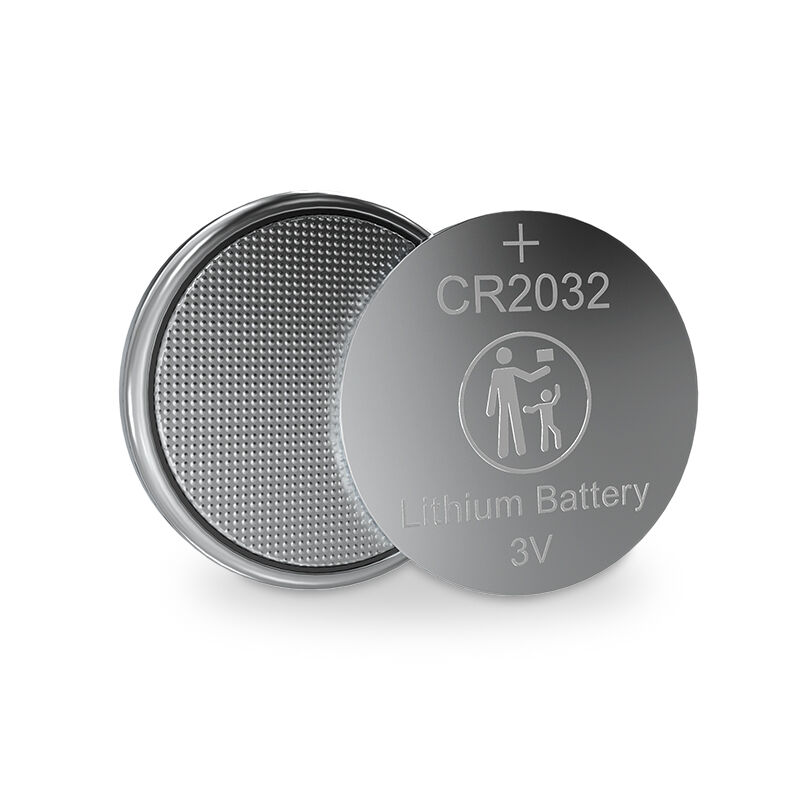
Understanding how button cell voltage influences device performance is critical for engineers, product designers, and procurement specialists working with miniature electronics. The voltage output of a button cell directly determines whether a device will operate reliably, maintain consistent functionality, or experience premature failure. In compact electronic applications ranging from medical devices to hearing aids and wearable technology, even minor voltage variations can trigger significant performance issues. This relationship between button cell voltage and operational efficiency shapes design decisions, component selection, and quality assurance protocols across multiple industries.
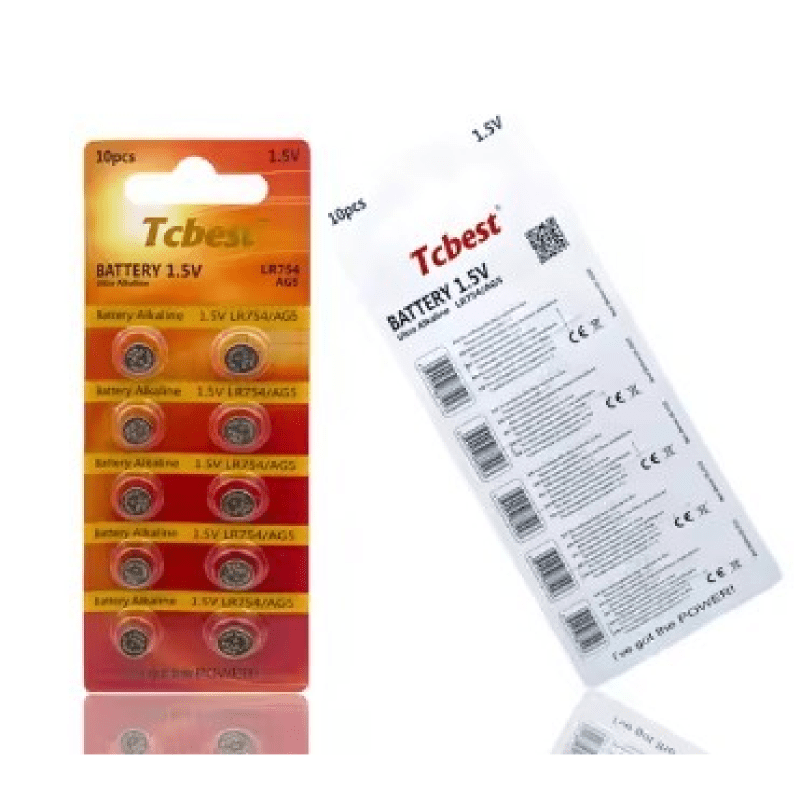
The voltage characteristics of a button cell battery establish the electrical foundation upon which device circuits depend for proper operation. Most electronic components are engineered to function within specific voltage ranges, and when a button cell fails to deliver adequate voltage, the entire system experiences degraded performance or complete shutdown. The voltage delivery mechanism involves electrochemical reactions within the cell that generate electron flow, and this process changes predictably over the battery's discharge cycle. Recognizing these voltage behavior patterns enables better device design, more accurate performance predictions, and improved user experience across battery-powered miniature electronics.
Fundamental Voltage Requirements for Electronic Devices
Minimum Operating Voltage Thresholds
Every electronic device incorporates integrated circuits and components that require minimum voltage levels to maintain functional operation. When a button cell voltage drops below this critical threshold, microcontrollers may reset unexpectedly, displays become dim or unreadable, and sensors lose accuracy or stop functioning entirely. The minimum operating voltage represents the electrical boundary where components transition from active operation to dormant or erratic behavior. For instance, many CMOS-based circuits require at least 1.8 volts to maintain logic state integrity, while certain analog sensors demand 2.5 volts for stable reference voltage generation. Device designers must carefully match button cell voltage characteristics with component specifications to ensure reliable performance throughout the battery's usable life.
The discharge curve of a button cell reveals how voltage degrades over time and usage cycles, creating a predictable pattern that influences device behavior at different battery life stages. Alkaline button cells typically exhibit a gradual voltage decline from their initial 1.5-volt rating, while lithium button cells maintain more stable voltage around 3.0 volts before experiencing rapid voltage collapse near end-of-life. Understanding these voltage delivery patterns allows engineers to implement appropriate power management strategies, including undervoltage detection circuits that warn users before device malfunction occurs. The relationship between remaining capacity and delivered voltage varies significantly across different button cell chemistries, making chemistry selection a crucial decision in device design.
Voltage Stability and Signal Processing
Signal processing circuits demonstrate particular sensitivity to button cell voltage fluctuations because analog-to-digital converters and amplifiers depend on stable reference voltages for accurate measurements. When button cell voltage varies during operation due to load changes or temperature effects, measurement accuracy degrades proportionally. Audio circuits in hearing aids exemplify this relationship, as voltage instability introduces noise, distortion, and reduced dynamic range that directly impacts sound quality. Medical diagnostic devices face even stricter voltage stability requirements because measurement precision directly affects clinical decision-making and patient safety outcomes.
Many sophisticated devices incorporate voltage regulation circuits that buffer sensitive components from button cell voltage variations, but these regulators themselves consume power and introduce efficiency losses. Linear regulators maintain excellent voltage stability but dissipate excess voltage as heat, reducing overall battery runtime. Switching regulators offer higher efficiency but generate electromagnetic interference that may affect sensitive analog circuits. The trade-off between voltage stability and power efficiency becomes a central design challenge in button cell powered devices, particularly in applications where extended battery life represents a primary product differentiator. Engineers must carefully balance regulation complexity against the actual voltage stability requirements of their specific circuit implementations.
Voltage Impact on Current Delivery and Power Output
Ohm's Law Relationships in Button Cell Applications
The fundamental relationship between voltage, current, and resistance governed by Ohm's Law directly determines how button cell voltage affects available power output. As button cell voltage decreases during discharge, the available current delivery capacity diminishes proportionally for any given load resistance. This relationship means that devices requiring high instantaneous current draws, such as wireless transmitters or LED flash circuits, experience progressively degraded performance as the button cell ages. The internal resistance of the button cell itself increases over time and with lower states of charge, further limiting current delivery capability even when terminal voltage appears adequate.
Power output, calculated as voltage multiplied by current, decreases more rapidly than voltage alone because both factors decline simultaneously during button cell discharge. A device that operates satisfactorily at 3.0 volts with a fresh button cell may struggle at 2.7 volts not only due to lower voltage but also because the aging cell cannot supply sufficient current to meet peak demand. This dual degradation effect explains why some devices exhibit sudden failure rather than gradual performance decline, as critical circuits reach their minimum operating point where neither adequate voltage nor sufficient current remains available. Understanding this power delivery mechanism helps engineers establish realistic end-of-life criteria and implement appropriate low-battery indicators.
Pulse Load Handling and Voltage Recovery
Button cell voltage exhibits dynamic behavior during pulse load conditions, temporarily dropping under high current demands before recovering when the load decreases. This voltage depression phenomenon becomes more pronounced as the button cell ages and its internal resistance increases. Devices with intermittent high-current requirements, such as keyless entry transmitters or glucose monitors, must accommodate these voltage fluctuations without triggering system resets or measurement errors. The recovery time after a pulse load depends on button cell chemistry, temperature, and remaining capacity, creating complex performance relationships that vary throughout the battery's operational lifetime.
Digital circuits prove particularly vulnerable to voltage transients caused by pulse loading because microcontrollers may interpret voltage dips as power interruptions, triggering unwanted resets or data corruption. Capacitive decoupling at the button cell terminals helps buffer these transients, but finite capacitor size limits the available charge reservoir. Sophisticated devices implement software strategies that sequence power-intensive operations to minimize simultaneous current demands, effectively managing button cell voltage stability through intelligent load scheduling. These design approaches become essential in applications where button cell replacement presents significant inconvenience or cost, making every milliampere-hour of capacity valuable for extending service intervals.
Temperature Effects on Button Cell Voltage Delivery
Cold Temperature Voltage Depression
Button cell voltage output decreases significantly at low temperatures due to reduced electrochemical reaction kinetics within the cell structure. Alkaline button cells demonstrate particularly pronounced voltage reduction in cold environments, potentially losing 30 to 50 percent of their nominal capacity at temperatures near freezing. This temperature-induced voltage depression affects device performance in outdoor applications, cold storage environments, and seasonal climate variations. Medical devices such as continuous glucose monitors must maintain reliable operation across patient activity environments, requiring careful button cell selection and thermal management strategies to ensure consistent voltage delivery regardless of ambient conditions.
Lithium chemistry button cells exhibit superior cold temperature performance compared to alkaline alternatives, maintaining higher voltage and capacity retention at low temperatures. This characteristic makes lithium button cells preferred choices for automotive keyless entry systems, outdoor sensors, and any application exposed to temperature extremes. However, even lithium cells experience some voltage reduction at very low temperatures, and internal resistance increases proportionally, limiting current delivery capability. Device designers must conduct thorough temperature qualification testing across the full operational range to verify that button cell voltage remains adequate under worst-case environmental conditions throughout the expected battery lifetime.
High Temperature Accelerated Degradation
Elevated temperatures accelerate electrochemical degradation processes within button cell structures, causing premature voltage decline and capacity loss. High temperature exposure increases internal resistance, reduces available capacity, and may trigger electrolyte leakage that damages both the button cell and surrounding device components. Industrial control devices, automotive applications, and outdoor installations face particular challenges from heat-induced button cell degradation, as sustained high temperatures progressively compromise voltage delivery capability. Each 10-degree Celsius temperature increase approximately doubles the electrochemical reaction rate, accelerating both normal discharge processes and undesirable degradation pathways.
Thermal management strategies become essential in applications where button cell exposure to elevated temperatures cannot be avoided through design optimization. Some devices incorporate thermal insulation barriers between heat-generating components and the button cell location, while others implement active temperature monitoring with graceful degradation algorithms that reduce power consumption when excessive temperatures are detected. Understanding the thermal sensitivity of button cell voltage characteristics allows engineers to establish appropriate operating temperature specifications and implement protective measures that preserve battery performance across the device's intended operational envelope. Battery selection must consider not only nominal voltage ratings but also voltage stability across the full temperature range encountered in actual deployment scenarios.
Voltage Matching Between Button Cells and Device Requirements
Chemistry Selection Based on Voltage Profiles
Different button cell chemistries deliver distinct voltage profiles that must align with specific device electrical requirements for optimal performance. Alkaline button cells provide 1.5 volts nominal output with gradual voltage decline throughout discharge, making them suitable for devices with wide operating voltage ranges or those employing efficient voltage regulation. Silver oxide button cells maintain more stable 1.55-volt output with flatter discharge curves, preferred in precision timing applications like analog watches where consistent voltage ensures accurate operation. Lithium button cells deliver 3.0 volts with exceptional voltage stability until near end-of-life, ideal for devices with narrow voltage tolerance windows or those requiring extended shelf life.
The voltage profile characteristic determines not only initial device compatibility but also usable capacity extraction from the button cell throughout its service life. A device designed with a 1.8-volt cutoff voltage wastes substantial remaining capacity in a 3.0-volt lithium button cell compared to a design with 2.0-volt cutoff threshold. Conversely, devices with high minimum voltage requirements experience shortened runtime with alkaline button cells that exhibit gradual voltage decline. Optimal device design considers the entire voltage discharge curve rather than only nominal voltage ratings, maximizing energy extraction while maintaining reliable performance throughout the battery's usable life. This holistic voltage matching approach significantly impacts both device runtime and user satisfaction.
Series and Parallel Button Cell Configurations
Some devices employ multiple button cells in series configurations to achieve higher operating voltages than available from single cells, effectively doubling or tripling voltage output depending on the number of cells connected. Series configurations require careful attention to cell matching because voltage imbalances between cells cause uneven discharge patterns that reduce overall capacity and may lead to reverse charging of depleted cells. The weakest button cell in a series string determines the effective end-of-life point for the entire battery pack, making quality consistency critical for reliable performance. Devices requiring 3.0 volts might choose between a single lithium button cell or two alkaline cells in series, with implications for cost, size, and discharge characteristics.
Parallel button cell arrangements increase current delivery capacity while maintaining single-cell voltage levels, useful in applications with high peak current demands that exceed individual cell capabilities. However, parallel configurations introduce complexity because manufacturing variations cause current imbalances between cells, potentially leading to circulating currents and uneven discharge. High-quality button cells with tightly controlled internal resistance specifications minimize these imbalances, but some current redistribution remains inevitable. Device designers must weigh the benefits of enhanced current capability against the added complexity, cost, and reliability implications of multi-cell configurations. In many cases, selecting a button cell chemistry with inherently higher current capability proves more reliable than parallel configurations of smaller cells.
Device Design Strategies for Voltage Variation Management
Adaptive Power Management Techniques
Modern microcontroller-based devices implement sophisticated power management algorithms that adjust operational parameters in response to declining button cell voltage, extending usable battery life while maintaining essential functionality. These adaptive strategies include reducing processor clock speeds, lowering display brightness, extending sleep intervals between measurements, and disabling non-essential features when battery voltage drops below optimal levels. By dynamically responding to button cell voltage conditions, devices extract maximum value from available energy while providing graceful degradation rather than abrupt failure. Medical devices particularly benefit from these approaches, maintaining critical monitoring functions even as convenience features become unavailable near battery end-of-life.
Voltage monitoring circuits continuously assess button cell output and trigger appropriate power management responses at predetermined thresholds. A three-stage approach commonly includes normal operation above 90 percent of nominal voltage, conservation mode between 70 and 90 percent, and critical operation below 70 percent with essential functions only. The specific threshold values depend on device architecture and component voltage sensitivity, requiring careful calibration during product development. Effective adaptive power management transforms the voltage decline characteristic of button cell discharge from a performance limitation into a managed resource optimization opportunity, significantly enhancing overall device utility across the complete battery lifecycle.
Low-Battery Warning Implementation
Timely notification of declining button cell voltage enables users to replace batteries before device failure interrupts critical functions or causes data loss. Low-battery warning systems must balance early notification against avoiding premature warnings that erode user confidence or trigger unnecessary battery replacements. Visual indicators such as flashing LEDs, display icons, or changing indicator colors provide immediate feedback, while some devices generate audible alerts or transmit wireless notifications to companion applications. The warning threshold voltage must account for the discharge curve characteristics of the specified button cell chemistry, ensuring adequate remaining capacity for continued operation after warning activation.
Sophisticated devices implement multi-stage warning systems that escalate notification intensity as button cell voltage continues declining. An initial subtle warning might appear at 20 percent remaining capacity, followed by more prominent alerts at 10 percent, and continuous urgent warnings below 5 percent. This graduated approach maintains user awareness without causing alarm fatigue from persistent early warnings. Battery state estimation algorithms combine voltage measurements with discharge history, temperature data, and load patterns to provide more accurate remaining capacity predictions than voltage alone can deliver. These advanced techniques prove particularly valuable in mission-critical applications where unexpected battery depletion poses safety risks or significant operational disruptions.
FAQ
What voltage level indicates a button cell needs replacement?
The replacement voltage threshold depends on device requirements and button cell chemistry, but generally alkaline button cells should be replaced when voltage drops below 1.0 volts under load, while lithium button cells typically need replacement at approximately 2.0 volts. Many devices incorporate low-battery indicators that activate at voltage levels providing adequate remaining capacity for orderly shutdown or battery replacement without data loss. The optimal replacement point balances extracting maximum capacity against avoiding unexpected device failure, with specific thresholds varying based on component voltage sensitivity and application criticality.
Can using the wrong voltage button cell damage my device?
Installing a button cell with voltage significantly higher than device specifications may damage voltage-sensitive components, particularly if the device lacks protective voltage regulation circuits. Using a 3.0-volt lithium button cell in a device designed for 1.5-volt alkaline cells can cause immediate circuit damage, component overheating, or reduced device lifespan. Conversely, using lower voltage button cells than specified results in poor performance, intermittent operation, or complete failure to function, though typically without permanent damage. Always verify voltage compatibility before installing replacement button cells, consulting device specifications or existing battery markings to ensure proper voltage matching.
Why does my device performance vary even with a new button cell?
Performance variations with new button cells typically result from manufacturing tolerances, storage conditions affecting cell freshness, or temperature-induced voltage changes rather than actual cell defects. Button cell voltage naturally varies within specification ranges, and devices operating near minimum voltage thresholds may exhibit noticeable performance differences between cells at the high and low ends of acceptable voltage ranges. Additionally, counterfeit or low-quality button cells may fail to meet labeled specifications, delivering inadequate voltage or current capability despite appearing new. Purchasing button cells from reputable suppliers and verifying manufacture dates helps ensure consistent performance and eliminates voltage-related variability issues.
How does device current draw affect button cell voltage behavior?
Higher current draw causes greater voltage drop across the button cell's internal resistance, making delivered voltage lower than the open-circuit voltage measured without load. Devices with variable current demands experience corresponding voltage fluctuations, with voltage dropping during high-current operations like wireless transmission or display updates, then recovering during low-power sleep modes. This dynamic voltage behavior becomes more pronounced as button cells age and internal resistance increases, eventually reaching a point where voltage depression during current pulses triggers device malfunctions even though resting voltage appears adequate. Understanding this relationship helps explain why battery life varies significantly between different usage patterns and why some devices fail suddenly rather than gradually declining in performance.