
 EN
EN
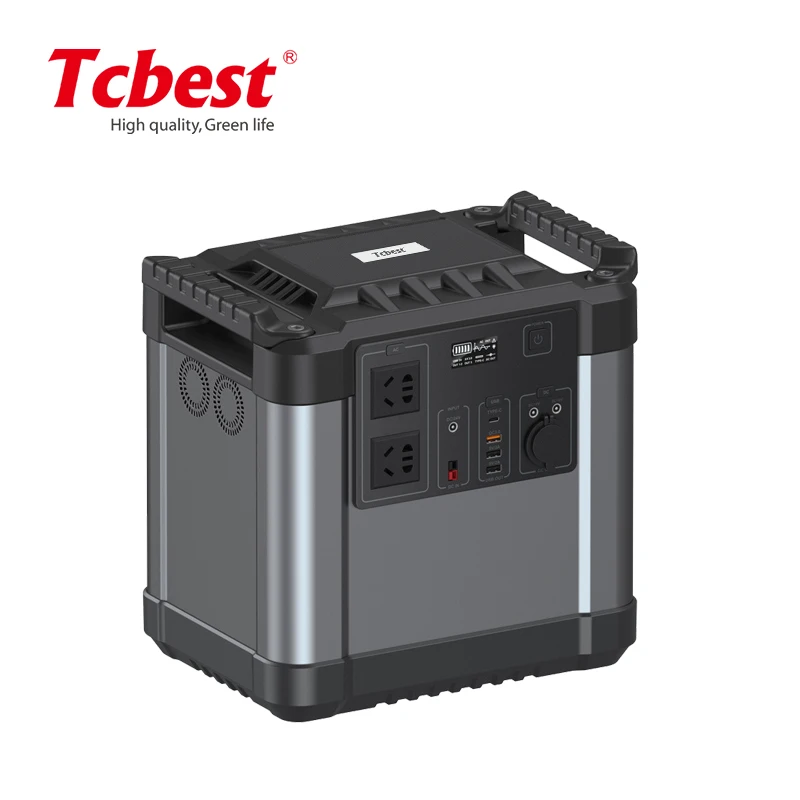
The global transition toward renewable energy has accelerated at an unprecedented pace, yet one persistent challenge has continued to test engineers, grid operators, and policymakers alike: how do you reliably store power that is generated intermittently? Wind turbines do not spin on command, and solar panels produce nothing after sunset. This is precisely where energy storage battery technology steps in as a foundational enabler, bridging the gap between when electricity is generated and when it is actually consumed. Without this capability, even the most advanced renewable infrastructure would struggle to deliver consistent, dependable power to end users.
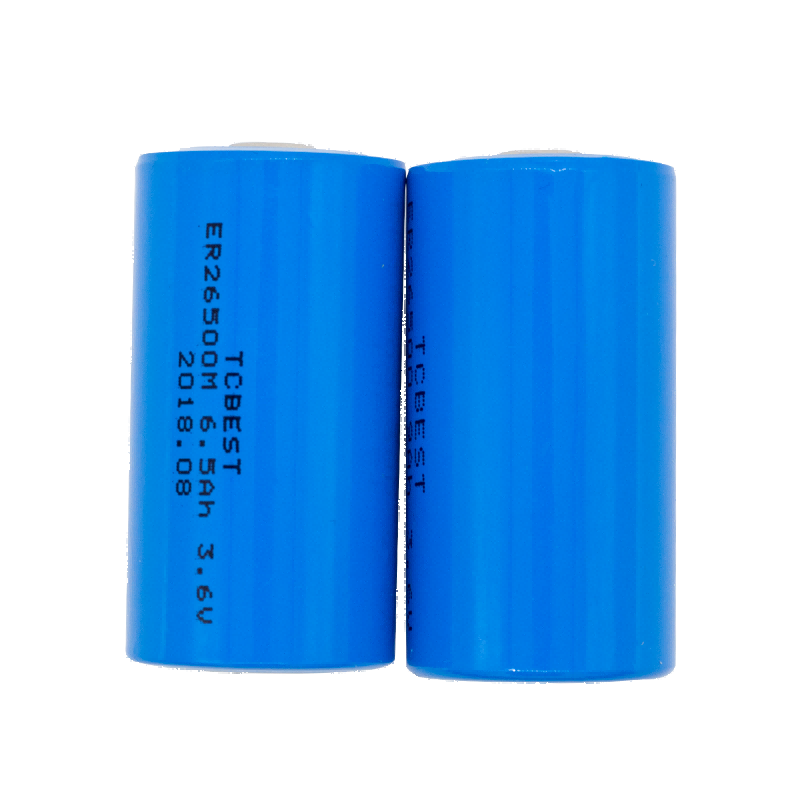
Understanding why energy storage battery systems are important requires looking beyond surface-level discussions about charging and discharging cycles. It demands a serious examination of grid architecture, energy policy, cost economics, and the physical reality of renewable generation variability. The role that an energy storage battery plays in modern power systems is multifaceted, and its importance only grows as nations commit to higher percentages of renewable generation in their electricity mix. This article explores the critical reasons why this technology has become indispensable to the future of clean, resilient energy.
The Core Problem: Intermittency in Renewable Energy Generation
Why Renewable Sources Cannot Stand Alone Without Storage
Solar and wind are the two dominant sources of utility-scale renewable energy, and both share a fundamental limitation: they generate power only when environmental conditions allow. Solar generation peaks at midday and drops to zero at night. Wind generation fluctuates based on weather patterns that can shift within hours. This inherent variability creates what engineers call the intermittency problem, a mismatch between supply and demand that can destabilize grid frequency and voltage if left unmanaged.
Traditional power grids were designed around dispatchable generation sources such as coal, natural gas, or nuclear plants that can be ramped up or down based on demand. Renewable energy breaks this model entirely. Without a reliable energy storage battery system to absorb excess generation during peak production periods and release it during low-generation periods, renewable energy cannot serve as a baseload power source. Grid operators would be forced to curtail renewable output or rely heavily on fossil fuel backup, which undermines the entire purpose of transitioning to clean energy.
The intermittency problem is not merely a technical inconvenience. It represents a structural barrier to increasing the share of renewables in a national grid beyond certain thresholds. Studies of high-penetration renewable grids consistently show that once solar and wind exceed roughly 30 to 40 percent of total generation, grid stability becomes increasingly difficult to manage without dedicated energy storage battery infrastructure. This is the core argument for why storage technology is not a supplemental feature but an essential component of any serious renewable energy strategy.
Demand Patterns Do Not Align with Renewable Generation Curves
Human electricity demand follows predictable but distinct daily rhythms that rarely align with when renewable energy is most abundantly available. Morning demand rises sharply as households and commercial buildings activate, yet solar generation is only beginning to ramp up. Evening demand peaks around 6 to 9 PM, precisely when solar output has already fallen to zero. This mismatch is known as the duck curve problem in grid management, a phenomenon that has become more pronounced as solar penetration has increased in markets worldwide.
An energy storage battery system addresses this temporal displacement directly. By storing excess solar energy generated during midday hours, the battery can then discharge that stored energy during the evening peak demand window. This effectively transforms variable generation into something that behaves more like a dispatchable resource. The grid operator gains flexibility, consumers receive reliable power, and the renewable asset delivers greater economic value because its output can be time-shifted to align with higher-value demand periods.
Wind energy faces an analogous but slightly different challenge. Wind generation in many regions tends to be strongest overnight, when demand is at its lowest. Without a capable energy storage battery platform to capture this off-peak generation and hold it for daytime use, a substantial portion of wind energy would either go to waste through curtailment or would be sold at near-zero prices on spot markets, undermining project economics and reducing the incentive to build new wind capacity.
Grid Stability and Frequency Regulation Functions
How Energy Storage Batteries Maintain Grid Frequency
Electric grids operate at a strictly maintained frequency, typically 50 or 60 Hz depending on the region, and any significant deviation from this frequency can damage equipment and, in severe cases, cause cascading blackouts. Frequency regulation requires that generation and consumption remain almost perfectly balanced at every moment. Traditional power plants manage this through the mechanical inertia of their spinning turbines, which naturally resist rapid frequency swings. Solar and wind generation, being electronically coupled to the grid, provide no such inertia.
A well-configured energy storage battery system can respond to frequency deviations within milliseconds, far faster than any conventional generating unit can adjust its output. This capability, sometimes called synthetic inertia or fast frequency response, is increasingly critical as thermal power plants are retired and replaced with inverter-based renewable generation. Battery systems can detect a frequency drop and inject power into the grid almost instantaneously, preventing the frequency from falling to dangerous levels before slower-responding generation assets can react.
Grid operators in many countries are now actively procuring energy storage battery assets specifically for frequency regulation services. These contracts represent a significant revenue stream for battery system owners and provide a clear market signal that storage technology is not just theoretically valuable but commercially indispensable. The ability to provide precise, rapid frequency response at scale has established the energy storage battery as a critical piece of modern grid infrastructure.
Voltage Support and Reactive Power Management
Beyond frequency, voltage stability is another essential grid parameter that requires active management, particularly in distribution networks where renewable generation is increasingly being connected at lower voltage levels. Voltage fluctuations can degrade power quality, damage sensitive industrial equipment, and reduce the efficiency of electrical distribution. Managing voltage requires the supply or absorption of reactive power, which is distinct from the active power used to perform actual work.
Modern energy storage battery systems equipped with advanced power electronics inverters can provide reactive power support on demand, helping to stabilize voltage profiles across distribution networks. This is particularly valuable in areas with high concentrations of rooftop solar, where reverse power flows during peak generation hours can cause voltage rise at the edge of distribution feeders. Battery systems can absorb or inject reactive power as needed, functioning as a dynamic compensator that maintains voltage within acceptable bounds.
The combined ability of an energy storage battery system to manage both frequency and voltage makes it one of the most versatile assets available to grid operators. No other single technology offers such a broad range of grid services from one installation, which explains why utilities and system operators have been investing heavily in large-scale battery storage projects over the past decade.
Economic Value Creation in Renewable Power Systems
Arbitrage, Peak Shaving, and Cost Optimization
The economic case for deploying an energy storage battery in conjunction with renewable generation assets is increasingly compelling. Energy arbitrage, the practice of buying or storing electricity when prices are low and selling or releasing it when prices are high, is one of the most straightforward economic applications of storage technology. As renewable penetration increases, price volatility on wholesale electricity markets also increases, creating wider arbitrage spreads and greater financial incentive to operate storage assets strategically.
For commercial and industrial electricity consumers, an energy storage battery system enables peak shaving, which involves reducing demand during high-tariff periods by drawing on stored energy rather than the grid. Electricity tariffs for large consumers often include demand charges based on peak consumption measured over short intervals. By smoothing out these demand peaks, battery systems can generate substantial savings that improve the overall economics of a renewable energy investment. This makes the energy storage battery not just a technical enabler but a direct financial asset.
When properly optimized, an energy storage battery paired with a solar or wind asset can significantly improve the capacity factor and revenue certainty of that renewable project. Developers and investors can sign longer-term power purchase agreements at more predictable prices because the storage component reduces the variability of output. This risk reduction has a direct impact on the cost of capital for renewable projects, lowering financing costs and improving overall project returns across the asset lifecycle.
Reducing Curtailment and Maximizing Renewable Asset Utilization
One of the most economically painful outcomes in renewable energy operations is curtailment, when a renewable generating asset is forced to stop producing because the grid cannot absorb any more power at that moment. This represents a direct loss of revenue and a waste of clean energy that has already been generated at essentially zero marginal cost. Curtailment has become a serious issue in grids with high renewable penetration, particularly in regions where transmission infrastructure has not kept pace with generation capacity growth.
An energy storage battery co-located with a renewable generation facility can absorb generation that would otherwise be curtailed, storing it for delivery during periods when grid capacity is available. This capability dramatically improves the economic performance of renewable projects and reduces the amount of clean energy that is simply thrown away. For project developers working in constrained grid regions, coupling their generation assets with an appropriately sized energy storage battery can mean the difference between a viable project and one that cannot secure a grid connection or a bankable revenue contract.
The technology enabling these benefits continues to evolve rapidly. High-energy-density chemistries, improved cycle life, and increasingly sophisticated battery management systems have collectively driven down the cost of energy storage battery systems dramatically over the past decade. A product such as the energy storage battery designed for demanding power applications demonstrates how advances in cell chemistry and engineering can deliver the reliability and energy density that modern energy systems require.
Enabling Energy Independence and Resilience
Microgrids and Off-Grid Renewable Systems
Not every renewable energy application is connected to a large centralized grid. Remote communities, island power systems, and industrial facilities in areas with unreliable grid infrastructure increasingly rely on microgrids that combine local renewable generation with energy storage battery systems to create self-sufficient power solutions. These microgrids can operate either independently or in connection with a larger grid, and the battery system is the element that makes independent operation viable.
In an off-grid microgrid, the energy storage battery must fulfill all of the functions that a large interconnected grid would normally provide: frequency regulation, voltage stability, energy balancing, and supply security. This places very demanding technical requirements on the battery system and its associated control infrastructure. However, advances in battery technology and power electronics have made these systems increasingly practical and cost-competitive compared to diesel generation, which has historically been the default solution for remote power needs.
The availability of reliable energy storage battery technology has genuinely transformed the energy access landscape for remote and underserved communities. Solar-plus-storage microgrids can provide clean, reliable electricity to villages and industrial sites that would otherwise face prohibitive costs for grid connection or remain dependent on expensive and polluting diesel fuel. The social and environmental value of this application is immense, extending well beyond the purely economic metrics typically used to evaluate energy investments.
Resilience Against Grid Outages and Extreme Weather Events
Climate change is increasing the frequency and severity of extreme weather events that can disrupt centralized power infrastructure. Hurricanes, ice storms, wildfires, and heat waves have demonstrated the vulnerability of large, centralized grid systems to disruption. Distributed energy storage battery assets, particularly when combined with behind-the-meter solar generation, provide a layer of resilience that purely grid-dependent systems cannot offer. When the grid goes down, a properly configured battery storage system can continue to power critical loads from stored energy.
Hospitals, data centers, emergency services, and water treatment facilities all represent critical infrastructure that cannot tolerate extended power interruptions. Deploying an energy storage battery system at these facilities, ideally paired with on-site renewable generation, significantly reduces their vulnerability to grid disruptions. This is not merely a matter of convenience but a genuine public safety and national security consideration that is increasingly recognized in energy policy frameworks around the world.
The resilience argument adds a dimension to the importance of energy storage battery technology that extends beyond standard grid economics. Even in scenarios where the purely financial case for storage might be marginal, the societal value of maintained power during emergencies can justify investment. As climate risk grows, this aspect of storage value is receiving increasing attention from policymakers and facility operators who are reassessing their energy risk profiles.
The Future Trajectory of Energy Storage Battery Technology
Advances in Chemistry, Density, and Cycle Life
The energy storage battery landscape is not static. Research and development across multiple battery chemistries, including lithium-ion variants, solid-state batteries, flow batteries, and advanced lithium-primary chemistries, is continuously pushing the boundaries of what is technically and economically achievable. Each new generation of battery technology delivers improvements in energy density, power density, cycle life, safety, and cost, all of which directly translate into better performance and economics for renewable power applications.
Lithium-thionyl chloride (Li-SOCl2) chemistry, for example, represents a class of energy storage battery design optimized for high energy density and exceptional reliability under demanding conditions. While traditionally associated with long-life primary battery applications, the fundamental principles behind such high-performance chemistries continue to inform the development of next-generation storage solutions for renewable energy systems. Understanding the chemistry that enables superior energy retention and thermal stability is directly relevant to designing better grid-scale and distributed storage systems.
The ongoing reduction in energy storage battery costs, driven by manufacturing scale, improved materials science, and greater process efficiency, is one of the most important trends in the entire energy sector. As storage costs continue to fall, the economic case for pairing batteries with renewable generation becomes compelling across an ever-wider range of applications and geographies. This cost trajectory is expected to continue, eventually making energy storage battery systems a standard, assumed component of virtually all new renewable energy projects rather than an optional add-on.
Integration with Smart Grid and Digital Energy Management
The full value of an energy storage battery system in a renewable power context can only be unlocked when the battery is integrated with sophisticated digital management and control systems. Smart grid technologies, including advanced metering infrastructure, real-time grid monitoring, predictive analytics, and artificial intelligence-driven dispatch algorithms, enable battery systems to respond dynamically to changing grid conditions and market signals. This digital layer transforms a battery from a passive storage vessel into an intelligent, active grid asset.
Battery management systems that can anticipate renewable generation forecasts, predict demand patterns, and optimize charging and discharging schedules based on electricity prices and grid service needs represent the frontier of what is possible with modern energy storage battery technology. These capabilities are already being deployed in commercial projects and are rapidly becoming standard features of utility-scale storage installations. The convergence of energy storage hardware and digital intelligence is accelerating the value that batteries can deliver to renewable power systems.
As the grid becomes more decentralized and renewable energy continues to grow, the energy storage battery will increasingly function as a node in a distributed, intelligent energy network rather than simply as a standalone device. This network effect, where multiple distributed storage assets coordinate their behavior to optimize overall system performance, represents one of the most exciting long-term prospects for storage technology and its role in the future of renewable power.
FAQ
What makes an energy storage battery essential for solar power systems specifically?
Solar power generation is inherently time-limited, producing electricity only during daylight hours and peaking at midday. An energy storage battery captures this generation and allows it to be used after sunset or during cloudy periods, enabling solar systems to provide reliable power around the clock rather than only when the sun is shining. Without storage, solar installations must either waste excess midday generation or remain dependent on grid backup during non-generation hours, significantly reducing their value and self-sufficiency.
How does an energy storage battery contribute to grid stability as renewable penetration increases?
As more renewable generation is added to a grid, the system loses the mechanical inertia traditionally provided by spinning turbine generators, making frequency regulation more challenging. An energy storage battery can respond to frequency deviations within milliseconds, providing fast frequency response that stabilizes the grid during sudden imbalances. Large-scale battery systems also provide voltage support and reactive power management, making them indispensable grid stability tools in high-renewable power systems.
Is the energy storage battery technology mature enough for utility-scale deployment today?
Yes, energy storage battery technology is well past the experimental stage and has been deployed at gigawatt-hour scale across numerous grid projects worldwide. Lithium-ion based systems dominate current utility-scale deployments and have demonstrated strong performance across thousands of operating hours in real-world grid conditions. Ongoing advances in alternative chemistries and system design continue to improve performance and drive down costs, making large-scale deployment increasingly accessible and economically attractive for grid operators and renewable energy developers.
What factors should be considered when selecting an energy storage battery for a renewable power project?
Key selection factors include the required energy capacity in kilowatt-hours, the required power output in kilowatts, the expected number of charge-discharge cycles over the project lifetime, operating temperature range, safety requirements, and total cost of ownership including installation and maintenance. The specific application, whether it is grid frequency regulation, peak shaving, backup power, or off-grid operation, will determine which battery chemistry and system configuration is most appropriate. Engaging with experienced system integrators and reviewing technical specifications carefully is essential for matching the right energy storage battery solution to a given project's needs.
Table of Contents
- The Core Problem: Intermittency in Renewable Energy Generation
- Grid Stability and Frequency Regulation Functions
- Economic Value Creation in Renewable Power Systems
- Enabling Energy Independence and Resilience
- The Future Trajectory of Energy Storage Battery Technology
-
FAQ
- What makes an energy storage battery essential for solar power systems specifically?
- How does an energy storage battery contribute to grid stability as renewable penetration increases?
- Is the energy storage battery technology mature enough for utility-scale deployment today?
- What factors should be considered when selecting an energy storage battery for a renewable power project?