
 EN
EN
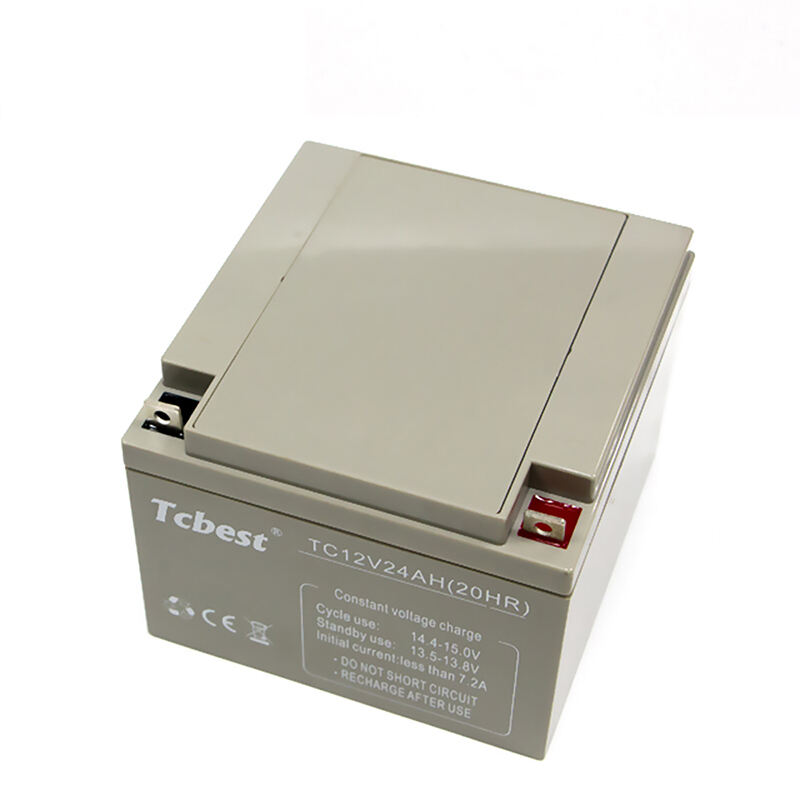
Modern electronic devices demand power solutions that combine exceptional performance with minimal weight and size constraints. Lithium polymer batteries have emerged as the preferred energy storage technology for manufacturers seeking to create sleek, portable products without compromising functionality. These advanced battery systems offer unique advantages that make them particularly well-suited for applications where every gram matters and space is at a premium.
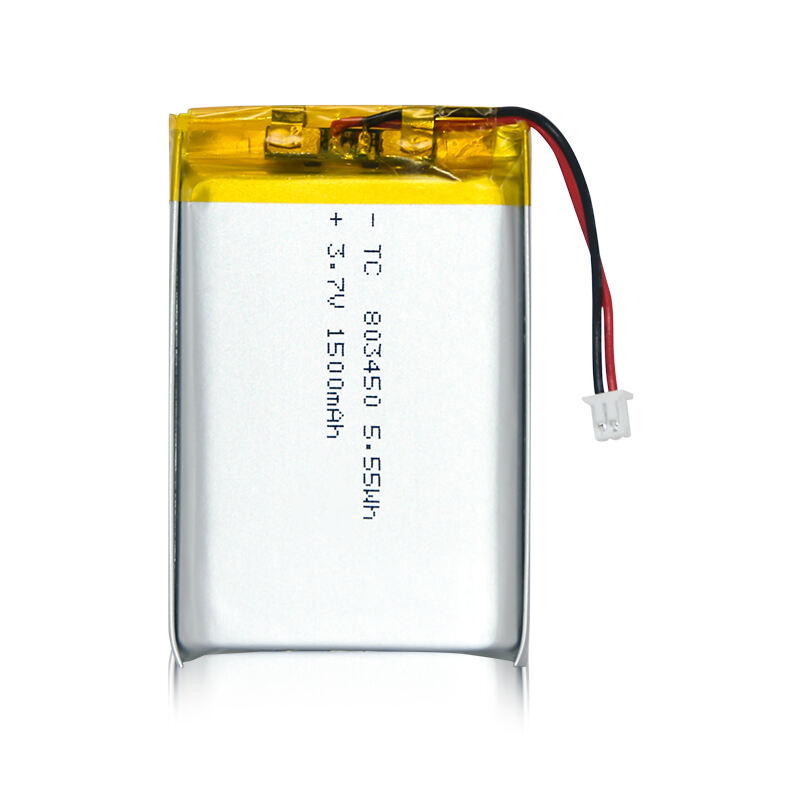
The evolution of portable electronics has been driven largely by advances in battery technology, with lithium polymer batteries representing a significant leap forward in energy density and design flexibility. Unlike traditional battery chemistries, these power sources can be manufactured in virtually any shape or size, enabling engineers to optimize device layouts and achieve unprecedented levels of miniaturization. This adaptability has revolutionized product design across multiple industries, from consumer electronics to medical devices and aerospace applications.
Understanding Lithium Polymer Battery Technology
Chemical Composition and Structure
Lithium polymer batteries utilize a solid or gel-like polymer electrolyte instead of the liquid electrolyte found in conventional lithium-ion cells. This fundamental difference in construction allows for greater design flexibility while maintaining the high energy density characteristics that make lithium-based batteries so attractive. The polymer electrolyte provides excellent ionic conductivity while offering enhanced safety features compared to liquid electrolyte systems.
The electrode materials in lithium polymer batteries are similar to those used in traditional lithium-ion systems, typically featuring lithium cobalt oxide or lithium iron phosphate cathodes paired with graphite anodes. However, the polymer matrix allows for thinner separator materials and more compact cell construction, contributing significantly to weight reduction and space efficiency in the final battery pack.
Manufacturing Advantages
The manufacturing process for lithium polymer batteries offers several distinct advantages over conventional battery technologies. The use of polymer electrolytes eliminates the need for rigid metal casings, allowing manufacturers to create batteries in custom shapes and sizes that perfectly match device requirements. This flexibility extends to thickness variations, with some lithium polymer batteries measuring less than one millimeter in thickness.
Quality control during production is enhanced by the solid-state nature of the electrolyte system, reducing the risk of leakage and improving overall reliability. The laminated pouch construction typically used for lithium polymer batteries also contributes to weight reduction while providing adequate protection for the internal components. Manufacturing scalability is excellent, with automated production lines capable of producing consistent, high-quality cells at competitive costs.
Weight Advantages in Device Applications
Energy Density Optimization
One of the most compelling reasons to choose lithium polymer batteries for lightweight devices is their exceptional energy-to-weight ratio. These batteries can deliver energy densities of up to 200 watt-hours per kilogram, significantly exceeding the performance of nickel-metal hydride and lead-acid alternatives. This high energy density allows device manufacturers to provide longer operating times without increasing overall product weight.
The weight savings become particularly pronounced in applications where battery capacity requirements are substantial. For example, a drone requiring extended flight times can achieve its performance goals with lithium polymer batteries while maintaining the low weight necessary for optimal aerodynamic efficiency. Similarly, portable medical devices benefit from reduced weight without sacrificing the reliability and longevity required for critical applications.
Form Factor Flexibility
The ability to customize the physical dimensions of lithium polymer batteries provides engineers with unprecedented design freedom when developing lightweight devices. Traditional cylindrical or prismatic battery formats often force compromises in device architecture, leading to wasted space and unnecessary weight. Lithium polymer batteries can be manufactured to fit precisely within available spaces, maximizing volume utilization and minimizing overall device dimensions.
This form factor flexibility extends beyond simple shape customization to include varying thickness profiles within a single battery pack. Stepped or curved configurations are possible, allowing batteries to conform to complex internal geometries while maintaining structural integrity and electrical performance. Such design capabilities are particularly valuable in wearable devices, where comfort and aesthetics are critical factors in user acceptance.
Performance Characteristics for Portable Electronics
Discharge Rate Capabilities
Lithium polymer batteries excel in applications requiring high discharge rates, making them ideal for devices with variable power demands. The low internal resistance of these batteries allows for rapid energy delivery without significant voltage drop, ensuring consistent performance even under demanding operating conditions. This characteristic is particularly important for devices that experience sudden power spikes, such as camera flash units or wireless transmission systems.
The discharge characteristics of lithium polymer batteries remain stable across a wide range of temperatures, providing reliable performance in diverse environmental conditions. Unlike some battery technologies that suffer from reduced capacity in cold conditions, lithium polymer batteries maintain much of their rated capacity even at sub-zero temperatures, making them suitable for outdoor and aerospace applications where temperature extremes are common.
Cycle Life and Reliability
Modern lithium polymer batteries offer excellent cycle life performance, typically supporting 500 to 1000 charge-discharge cycles while retaining 80% or more of their original capacity. This longevity reduces the need for frequent battery replacements, contributing to lower total cost of ownership and improved user satisfaction. The gradual capacity fade characteristic of lithium polymer batteries is predictable and linear, allowing for accurate remaining useful life estimates.
Reliability is enhanced by the absence of liquid electrolytes, which eliminates concerns about leakage and corrosion that can affect device performance over time. The solid polymer electrolyte system also provides better resistance to vibration and shock, important considerations for portable devices that may experience rough handling during normal use. Quality lithium polymer batteries incorporate multiple safety features, including temperature monitoring and overcharge protection, to ensure safe operation throughout their service life.
Design Integration Benefits
Space Optimization Strategies
The integration of lithium polymer batteries into lightweight device designs requires careful consideration of space utilization and thermal management. The flexible form factors available with these batteries enable designers to distribute energy storage throughout the device, rather than concentrating it in a single large battery compartment. This distributed approach can improve weight balance and allow for more ergonomic product designs.
Advanced packaging techniques for lithium polymer batteries include ultra-thin profiles that can be integrated directly into circuit boards or structural components. Some manufacturers offer batteries with integrated flexible circuits, further reducing space requirements and simplifying assembly processes. These innovations allow for device designs that were previously impossible with conventional battery technologies.
Thermal Management Considerations
Effective thermal management is crucial for maintaining optimal performance and safety in devices using lithium polymer batteries. The thin profile of these batteries provides excellent heat dissipation characteristics, allowing thermal energy to be conducted away from the cells more effectively than with thicker battery formats. This improved heat transfer helps maintain stable operating temperatures and extends battery life.
Design engineers can take advantage of the flexible nature of lithium polymer batteries to position them in areas of the device where ambient cooling is most effective. Strategic placement near heat sinks or ventilation paths can significantly improve thermal performance without adding complexity or weight to the overall system. Thermal interface materials can be easily integrated with the flexible battery packaging to enhance heat transfer to device housings or other thermal management components.
Safety and Environmental Considerations
Built-in Safety Features
Safety is a paramount concern in any battery application, and lithium polymer batteries incorporate multiple protective features to ensure safe operation. The polymer electrolyte system is inherently more stable than liquid electrolytes, reducing the risk of thermal runaway events that can lead to fire or explosion. Most commercial lithium polymer batteries include integrated protection circuits that monitor cell voltage, current, and temperature to prevent dangerous operating conditions.
The flexible packaging used in lithium polymer batteries includes pressure relief mechanisms that can safely vent gases in the unlikely event of cell failure. This venting capability, combined with the absence of rigid metal casings, reduces the risk of violent cell rupture and associated safety hazards. Manufacturers of high-quality lithium polymer batteries implement rigorous testing protocols to ensure compliance with international safety standards and certifications.
Environmental Impact and Recycling
The environmental footprint of lithium polymer batteries is generally favorable compared to many alternative battery technologies. The absence of toxic heavy metals such as cadmium or mercury reduces environmental concerns associated with disposal and recycling. Additionally, the high energy density of these batteries means that fewer cells are required to achieve equivalent performance, reducing overall material consumption and waste generation.
Recycling programs for lithium polymer batteries are becoming increasingly sophisticated, with specialized facilities capable of recovering valuable materials including lithium, cobalt, and polymer components. The development of closed-loop recycling processes for lithium polymer batteries is an active area of research, with the goal of creating truly sustainable battery lifecycle management. Device manufacturers are increasingly incorporating end-of-life planning into their product development processes, making battery replacement and recycling more convenient for end users.
Industry Applications and Case Studies
Consumer Electronics Success Stories
The consumer electronics industry has been an early adopter of lithium polymer batteries, with smartphones, tablets, and laptops benefiting significantly from the weight and size advantages these power sources provide. Leading device manufacturers have leveraged the design flexibility of lithium polymer batteries to create progressively thinner and lighter products while maintaining or improving battery life performance.
Wearable devices represent another success story for lithium polymer batteries, where the combination of light weight, custom form factors, and reliable performance is essential for user acceptance. Fitness trackers, smartwatches, and health monitoring devices all rely on the unique characteristics of lithium polymer batteries to deliver the compact, lightweight designs that consumers demand. The ability to create curved or flexible battery shapes has enabled entirely new product categories in the wearable technology space.
Specialized Industrial Applications
Beyond consumer electronics, lithium polymer batteries have found success in specialized industrial applications where weight reduction is critical. Unmanned aerial vehicles rely heavily on these batteries to achieve the power-to-weight ratios necessary for extended flight operations. The ability to customize battery shapes allows UAV manufacturers to optimize aerodynamic profiles while maximizing energy storage capacity.
Medical device applications have also benefited from the advantages of lithium polymer batteries, particularly in portable diagnostic equipment and implantable devices. The reliability and safety features of these batteries make them suitable for critical medical applications, while their light weight improves portability and reduces fatigue for healthcare professionals using handheld devices. Research continues into bio-compatible lithium polymer batteries for long-term implantable applications.
Future Developments and Innovations
Emerging Technologies
The future of lithium polymer batteries looks promising, with several emerging technologies poised to further improve their performance and expand their application range. Solid-state electrolyte systems are being developed that could eliminate the remaining liquid components in current lithium polymer batteries, potentially improving safety and energy density even further. These all-solid-state systems could enable operation at higher temperatures and voltages, opening new application possibilities.
Nanotechnology innovations are contributing to improved electrode materials and electrolyte systems that could significantly increase the energy density of lithium polymer batteries. Silicon nanowire anodes and lithium metal cathodes represent potentially transformative technologies that could double or triple current energy density levels while maintaining the lightweight and flexible characteristics that make these batteries so attractive for portable applications.
Manufacturing Advancements
Advances in manufacturing technology are driving down the costs of lithium polymer batteries while improving quality and consistency. Roll-to-roll production processes similar to those used in printing industries are being adapted for battery manufacturing, enabling high-volume production of thin, flexible cells at significantly reduced costs. Automation and quality control improvements are reducing defect rates and improving the reliability of finished battery products.
3D printing technologies are being explored for creating custom battery shapes and integrated battery-device assemblies. These additive manufacturing approaches could enable rapid prototyping of battery designs and small-volume production of highly specialized configurations. As 3D printing materials and processes improve, the possibility of printing functional lithium polymer batteries directly into device structures becomes increasingly realistic.
FAQ
What makes lithium polymer batteries lighter than other battery types
Lithium polymer batteries achieve their lightweight characteristics through the use of polymer electrolytes instead of heavy liquid electrolytes and metal casings. The flexible pouch packaging eliminates the need for rigid steel or aluminum housings, while the high energy density means less battery material is needed to store the same amount of energy compared to older technologies like nickel-metal hydride or lead-acid batteries.
How long do lithium polymer batteries typically last in lightweight devices
The lifespan of lithium polymer batteries in lightweight devices depends on usage patterns and environmental conditions, but they typically provide 500 to 1000 charge cycles while retaining at least 80% of their original capacity. In terms of calendar life, these batteries can maintain good performance for 3 to 5 years with proper care and moderate usage. Factors such as temperature extremes, deep discharge cycles, and overcharging can reduce lifespan, so proper battery management systems are important for maximizing longevity.
Are there any safety concerns specific to lithium polymer batteries in portable devices
While lithium polymer batteries are generally safer than liquid lithium-ion cells, they still require proper handling and protection systems. The main safety considerations include protection against overcharging, over-discharging, and physical damage to the flexible pouch packaging. Quality lithium polymer batteries include built-in safety circuits and are designed with pressure relief mechanisms. Users should avoid puncturing or crushing the batteries and should use only approved chargers designed for the specific battery type.
Can lithium polymer batteries be recycled and what is their environmental impact
Yes, lithium polymer batteries can be recycled through specialized facilities that can recover valuable materials including lithium, cobalt, and polymer components. The environmental impact is generally favorable compared to older battery technologies because they contain no toxic heavy metals like cadmium or mercury. However, proper disposal through certified recycling programs is important to recover materials and prevent environmental contamination. Many manufacturers and retailers now offer take-back programs for end-of-life battery disposal.
Table of Contents
- Understanding Lithium Polymer Battery Technology
- Weight Advantages in Device Applications
- Performance Characteristics for Portable Electronics
- Design Integration Benefits
- Safety and Environmental Considerations
- Industry Applications and Case Studies
- Future Developments and Innovations
-
FAQ
- What makes lithium polymer batteries lighter than other battery types
- How long do lithium polymer batteries typically last in lightweight devices
- Are there any safety concerns specific to lithium polymer batteries in portable devices
- Can lithium polymer batteries be recycled and what is their environmental impact