
 EN
EN
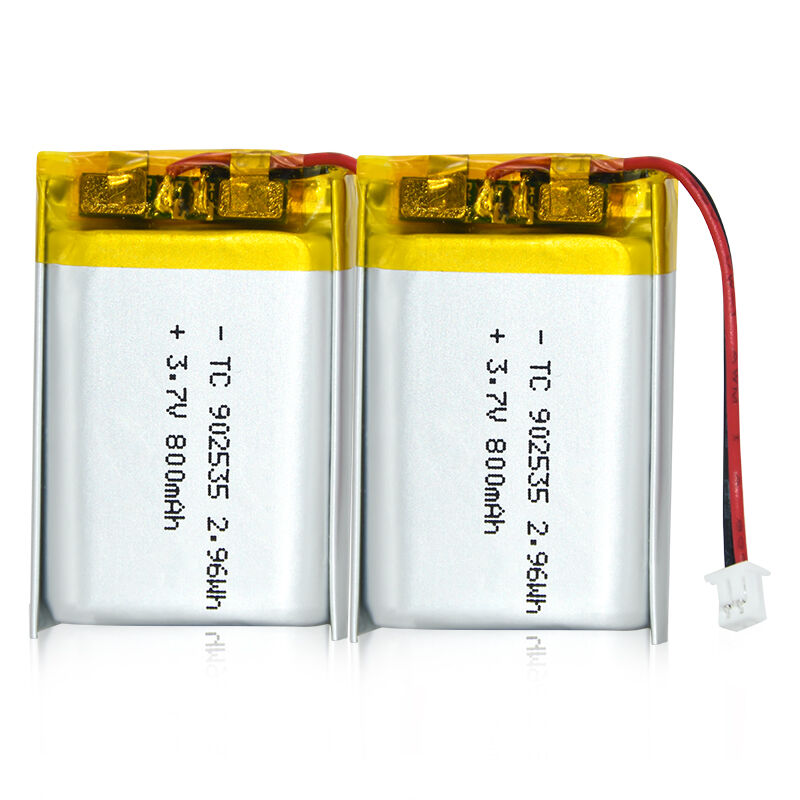
Lithium polymer batteries have revolutionized the way we power portable electronic devices and industrial applications across numerous sectors. These advanced energy storage solutions offer exceptional performance characteristics that make them ideal for applications requiring lightweight, compact, and reliable power sources. Unlike traditional battery technologies, lithium polymer batteries provide superior energy density, flexible form factors, and enhanced safety features that have made them increasingly popular in modern technology implementations. The versatility of these power sources has led to their widespread adoption across consumer electronics, automotive, aerospace, medical devices, and industrial automation sectors.
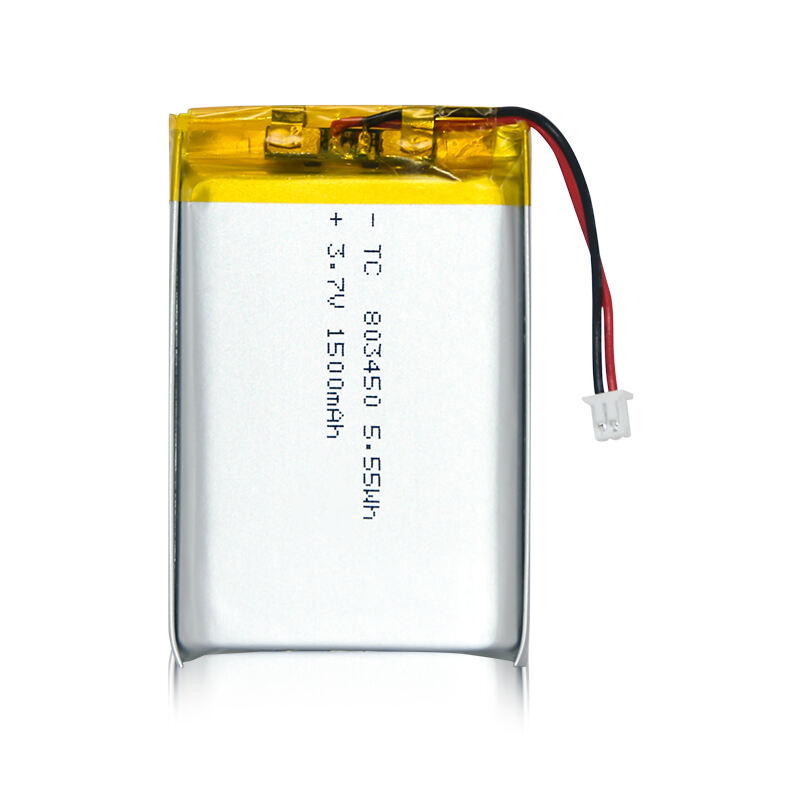
Consumer Electronics and Mobile Devices
Smartphones and Tablets
The smartphone industry represents one of the largest markets for lithium polymer batteries, with manufacturers continuously seeking thinner, lighter, and more powerful energy solutions. Modern smartphones require batteries that can deliver consistent power while maintaining minimal thickness to accommodate sleek device designs. Lithium polymer batteries excel in this application due to their ability to be manufactured in custom shapes and sizes, allowing device designers to optimize internal space utilization. The high energy density of these batteries enables smartphones to operate for extended periods while supporting power-intensive features such as high-resolution displays, multiple cameras, and advanced processors.
Tablet computers similarly benefit from the unique characteristics of lithium polymer batteries, particularly their lightweight construction and ability to provide sustained power for large displays and powerful processing units. The flexible packaging of these batteries allows tablet manufacturers to create ultra-thin devices without compromising battery life or performance. Additionally, the lower self-discharge rate of lithium polymer batteries ensures that tablets maintain their charge during periods of inactivity, providing users with reliable performance when devices are powered on after extended storage periods.
Wearable Technology
Wearable devices such as smartwatches, fitness trackers, and health monitoring equipment rely heavily on the compact size and lightweight properties of lithium polymer batteries. These applications require power sources that can be integrated into small, curved, or irregularly shaped housings while maintaining sufficient capacity to support continuous operation. The ability of lithium polymer batteries to be manufactured in various form factors makes them ideal for wearable applications where traditional cylindrical or prismatic batteries would be impractical.
The low profile and flexible nature of lithium polymer batteries enable wearable device manufacturers to create comfortable, ergonomic products that users can wear for extended periods. These batteries also support the power requirements of advanced sensors, wireless communication modules, and display technologies commonly found in modern wearable devices, while maintaining the compact form factors that consumers expect from this category of products.
Automotive and Transportation Applications
Electric and Hybrid Vehicles
The automotive industry has increasingly adopted lithium polymer batteries for electric and hybrid vehicle applications, particularly in situations where weight reduction and space optimization are critical factors. While traditional lithium-ion batteries dominate the main traction battery market, lithium polymer batteries find specialized applications in auxiliary systems, emergency backup power, and hybrid vehicle configurations where their unique properties provide distinct advantages. The ability to customize the shape and size of these batteries allows automotive engineers to integrate power storage solutions into areas of the vehicle that would be difficult to accommodate with conventional battery formats.
Electric vehicle manufacturers utilize lithium polymer batteries in various subsystems including infotainment systems, navigation equipment, and emergency lighting where reliable, lightweight power sources are essential. The superior cycle life and thermal stability of these batteries make them well-suited for automotive applications that experience frequent charging and discharging cycles, temperature variations, and mechanical vibrations typical in vehicle environments.
Drones and Unmanned Aerial Vehicles
The drone industry has become one of the most significant adopters of lithium polymer batteries due to their exceptional power-to-weight ratio and ability to deliver high discharge rates required for flight operations. Commercial and recreational drones require batteries that can provide substantial current output while maintaining minimal weight to maximize flight time and payload capacity. Lithium polymer batteries excel in these applications because they can be designed to deliver the high current demands of electric motors while contributing minimal weight to the overall aircraft system.
Professional drone applications, including aerial photography, surveying, and inspection services, rely on lithium polymer batteries to provide consistent power delivery throughout flight missions. The ability of these batteries to maintain stable voltage output under high discharge rates ensures that drone systems operate reliably and predictably, which is crucial for professional applications where mission success depends on consistent power availability.
Industrial and Commercial Applications
Portable Tools and Equipment
Industrial portable tools and equipment increasingly incorporate lithium polymer batteries to reduce overall tool weight while maintaining or improving power output capabilities. Professional contractors and technicians require tools that can operate for extended periods without the burden of excessive weight, making lithium polymer batteries an attractive power solution for cordless drills, saws, grinders, and specialized measurement equipment. The high energy density of these batteries enables tool manufacturers to create more compact and ergonomic designs while providing sufficient runtime for demanding industrial applications.
The durability and reliability of lithium polymer batteries make them particularly suitable for industrial environments where tools may experience rough handling, temperature extremes, and demanding duty cycles. These batteries can withstand the rigorous conditions typical in construction, manufacturing, and maintenance operations while providing consistent performance throughout their operational lifetime. The ability to rapidly charge lithium polymer batteries also supports industrial productivity by minimizing downtime between work sessions.
Backup Power Systems
Critical infrastructure and commercial facilities utilize lithium polymer batteries in backup power applications where space constraints and reliability requirements make traditional battery technologies less suitable. Data centers, telecommunications facilities, and emergency systems benefit from the compact size and high reliability of lithium polymer batteries for providing uninterrupted power during utility outages or system maintenance periods. The low self-discharge characteristics of these batteries ensure that backup power systems remain ready for deployment even after extended periods of standby operation.
Emergency lighting systems and safety equipment increasingly rely on lithium polymer batteries to provide reliable illumination during power failures or emergency situations. The long shelf life and consistent performance of these batteries make them ideal for applications where regular maintenance may be difficult or infrequent, ensuring that safety systems remain functional when needed most.
Medical and Healthcare Devices
Portable Medical Equipment
The medical device industry has embraced lithium polymer batteries for portable diagnostic equipment, patient monitoring systems, and therapeutic devices where reliability and safety are paramount concerns. Medical professionals require portable equipment that can operate consistently in various clinical environments while maintaining strict safety standards. Lithium polymer batteries provide the necessary power density and reliability for devices such as portable ultrasound systems, patient monitors, and diagnostic equipment that must function accurately in critical healthcare situations.
Home healthcare applications benefit significantly from the lightweight and long-lasting properties of lithium polymer batteries in devices such as portable oxygen concentrators, insulin pumps, and continuous monitoring systems. These applications require power sources that patients can comfortably wear or carry while maintaining consistent operation over extended periods. The safety characteristics and reliable performance of lithium polymer batteries make them particularly suitable for medical applications where device failure could have serious health consequences.
Implantable and Wearable Medical Devices
Advanced medical devices including cardiac monitors, drug delivery systems, and neural stimulators utilize specialized lithium polymer batteries designed for long-term implantation or extended wearable use. These applications require batteries with exceptional reliability, biocompatibility, and longevity to minimize the need for surgical replacement or device maintenance. The stable chemistry and predictable performance characteristics of lithium polymer batteries make them suitable for these critical medical applications where consistent power delivery is essential for patient safety and treatment efficacy.
Wearable medical devices such as continuous glucose monitors and heart rate monitors rely on the compact size and flexible form factors possible with lithium polymer batteries. These devices must operate continuously while remaining comfortable for patients to wear, requiring power sources that can be integrated into small, lightweight packages without compromising functionality or user comfort.
Aerospace and Defense Applications
Satellite and Space Systems
The aerospace industry utilizes specialized lithium polymer batteries in satellite systems, space vehicles, and portable equipment where weight reduction and reliable performance in extreme environments are critical requirements. Space applications demand batteries that can operate in vacuum conditions, withstand radiation exposure, and provide consistent power through numerous charge and discharge cycles over extended mission durations. The high energy density and stable performance characteristics of lithium polymer batteries make them well-suited for these demanding applications.
Portable aerospace equipment including communication devices, navigation systems, and scientific instruments benefit from the lightweight construction and reliable operation of lithium polymer batteries. These applications often require equipment that can function in harsh environmental conditions while maintaining minimal weight to reduce fuel consumption and maximize payload capacity in aircraft and spacecraft.
Military and Defense Equipment
Military applications increasingly rely on lithium polymer batteries for portable communication equipment, night vision systems, and field-deployable electronic devices where reliability and performance in extreme conditions are essential. Defense contractors require power sources that can operate effectively in diverse environmental conditions including temperature extremes, high humidity, and mechanical shock while providing consistent power output for mission-critical equipment.
The durability and long storage life of lithium polymer batteries make them particularly valuable for military applications where equipment may need to remain operational after extended periods of storage or deployment in remote locations. The ability of these batteries to maintain their charge and performance characteristics over time ensures that military equipment remains ready for use when needed, which is crucial for operational readiness and mission success.
FAQ
What makes lithium polymer batteries different from other battery types
Lithium polymer batteries differ from traditional battery technologies primarily in their electrolyte composition and packaging. Instead of using liquid electrolytes found in conventional lithium-ion batteries, lithium polymer batteries utilize a solid or gel polymer electrolyte that allows for more flexible packaging options and improved safety characteristics. This design enables manufacturers to create batteries in various shapes and sizes while reducing the risk of electrolyte leakage and improving overall device integration capabilities.
How long do lithium polymer batteries typically last in different applications
The lifespan of lithium polymer batteries varies significantly depending on the specific application, usage patterns, and operating conditions. In consumer electronics applications such as smartphones and tablets, these batteries typically provide 2-3 years of reliable service with daily charge cycles. Industrial and professional applications may experience different lifespans based on discharge rates and environmental conditions, with many lithium polymer batteries capable of supporting 500-1000 charge cycles while maintaining acceptable capacity levels.
Are lithium polymer batteries safe for use in sensitive applications
Lithium polymer batteries are generally considered safer than many traditional battery technologies due to their stable chemistry and reduced risk of thermal runaway events. The solid or gel electrolyte used in these batteries provides improved safety margins compared to liquid electrolyte systems, making them suitable for sensitive applications including medical devices and aerospace equipment. However, proper charging procedures, temperature monitoring, and quality manufacturing standards remain essential for ensuring safe operation in all applications.
What factors should be considered when selecting lithium polymer batteries for industrial applications
Industrial applications require careful consideration of several factors when selecting lithium polymer batteries including operating temperature ranges, discharge rate requirements, cycle life expectations, and environmental conditions. Engineers must evaluate the specific power and energy requirements of their applications while considering factors such as size constraints, weight limitations, and safety requirements. Additionally, the charging infrastructure, maintenance requirements, and total cost of ownership should be evaluated to ensure that lithium polymer batteries provide the optimal solution for each specific industrial application.
Table of Contents
- Consumer Electronics and Mobile Devices
- Automotive and Transportation Applications
- Industrial and Commercial Applications
- Medical and Healthcare Devices
- Aerospace and Defense Applications
-
FAQ
- What makes lithium polymer batteries different from other battery types
- How long do lithium polymer batteries typically last in different applications
- Are lithium polymer batteries safe for use in sensitive applications
- What factors should be considered when selecting lithium polymer batteries for industrial applications