
 EN
EN
The debate between lithium polymer battery technology and traditional lithium ion batteries has become increasingly important as electronic devices demand more efficient, compact, and reliable power sources. Both battery types utilize lithium-ion chemistry but differ significantly in their construction, performance characteristics, and applications. Understanding these differences is crucial for manufacturers, engineers, and consumers who need to make informed decisions about power solutions for their specific requirements.
The fundamental distinction between these technologies lies in their electrolyte composition and separator materials. While lithium ion batteries use liquid electrolyte solutions, lithium polymer battery technology employs solid or gel-like polymer electrolytes. This structural difference creates cascading effects on performance, safety, manufacturing flexibility, and cost considerations that impact their suitability for various applications.
Construction and Design Differences
Electrolyte Technology
The primary differentiator between lithium polymer battery systems and conventional lithium ion batteries lies in their electrolyte composition. Traditional lithium ion batteries utilize liquid electrolytes containing lithium salts dissolved in organic solvents. These liquid electrolytes require robust containment systems and pose potential leakage risks if the battery casing becomes compromised.
In contrast, a lithium polymer battery uses solid or semi-solid polymer electrolytes that eliminate the need for liquid containment. The polymer matrix can be either a solid polymer electrolyte or a gel polymer electrolyte that incorporates some liquid components within a polymer framework. This design approach provides greater structural integrity and reduces the risk of electrolyte leakage.
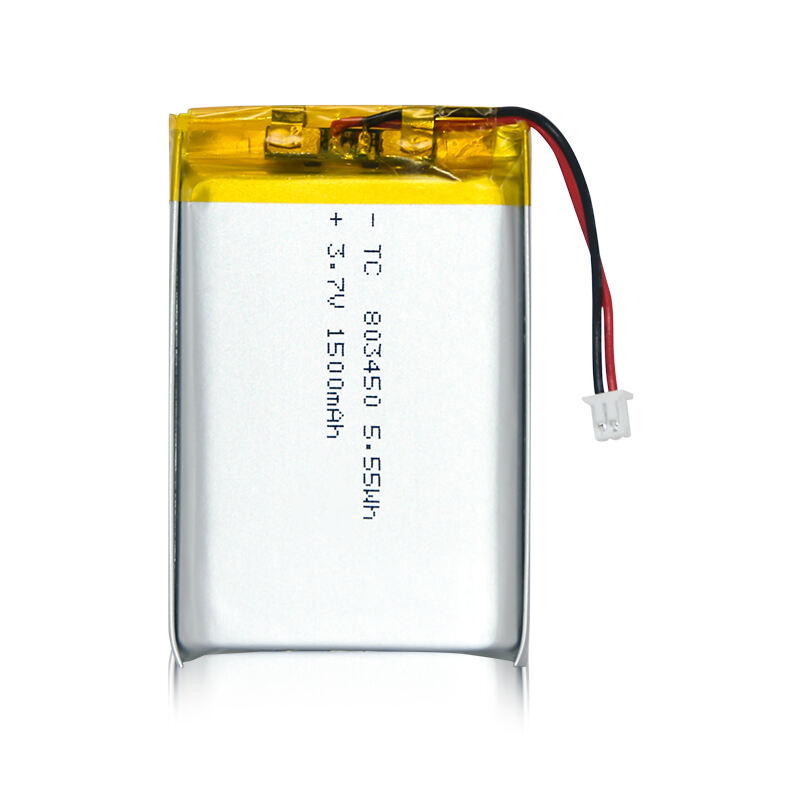
The polymer electrolyte system also enables more flexible packaging options. Since there is no liquid to contain, lithium polymer battery designs can utilize thin, flexible pouches instead of rigid metal casings. This flexibility opens up new possibilities for device design and integration, particularly in applications where space constraints and form factor considerations are critical.
Separator Technology
The separator technology in lithium polymer battery construction differs significantly from traditional approaches. Conventional lithium ion batteries use porous polymer membranes as separators between the anode and cathode. These separators must maintain structural integrity while allowing ion flow, which can be challenging under extreme conditions.
Lithium polymer battery technology integrates the separator function directly into the polymer electrolyte system. This integrated approach eliminates the need for separate separator materials and reduces the overall complexity of the battery construction. The polymer matrix serves dual purposes as both the electrolyte medium and the physical barrier between electrodes.
This integrated design approach contributes to improved safety characteristics since there are fewer discrete components that could potentially fail. The polymer matrix provides inherent stability and reduces the likelihood of internal short circuits that can occur when traditional separators fail or become damaged.
Performance Characteristics
Energy Density Comparison
Energy density represents a critical performance metric when comparing lithium polymer battery technology against traditional lithium ion alternatives. Modern lithium ion batteries typically achieve energy densities ranging from 150 to 250 watt-hours per kilogram, depending on the specific chemistry and construction methods employed.
A well-designed lithium polymer battery can achieve comparable or slightly lower energy densities, typically ranging from 130 to 200 watt-hours per kilogram. While this might appear disadvantageous, the energy density difference becomes less significant when considering the packaging efficiency gains possible with polymer technology.
The flexible packaging capabilities of lithium polymer battery systems allow for more efficient space utilization within devices. Traditional rigid battery casings often create unused space due to geometric constraints, while flexible polymer batteries can conform to available space more effectively. This packaging efficiency can offset the slight energy density disadvantage in many practical applications.
Power Output Characteristics
Power output capabilities vary significantly between lithium polymer battery designs and conventional lithium ion technologies. The polymer electrolyte system typically exhibits higher internal resistance compared to liquid electrolyte systems, which can limit peak power output capabilities.
However, advanced lithium polymer battery formulations have largely addressed these limitations through improved polymer chemistry and electrode design optimization. Modern polymer batteries can deliver power densities comparable to lithium ion batteries while maintaining better thermal stability under high-load conditions.
The power delivery characteristics of a lithium polymer battery also tend to be more consistent across different temperature ranges. The solid or semi-solid electrolyte system provides more stable ionic conductivity compared to liquid electrolytes, which can experience significant performance variations with temperature changes.
Safety and Reliability Factors
Thermal Stability
Safety considerations play a crucial role in battery selection decisions, and lithium polymer battery technology offers several advantages in this area. The solid or gel-like polymer electrolyte system provides inherently better thermal stability compared to liquid electrolyte systems that can undergo thermal runaway under extreme conditions.
Traditional lithium ion batteries using liquid electrolytes can experience rapid temperature increases if damaged or overcharged, potentially leading to fire or explosion. The organic solvents in liquid electrolytes are flammable and can contribute to safety incidents. A lithium polymer battery reduces these risks through the elimination of flammable liquid components.
The polymer matrix in lithium polymer battery systems also provides better containment of active materials if the battery casing becomes damaged. Unlike liquid electrolytes that can leak and spread, the polymer electrolyte tends to remain contained within the battery structure, reducing the potential for external contamination or safety hazards.
Overcharge Protection
Overcharge protection mechanisms differ between lithium polymer battery systems and traditional lithium ion technologies. The polymer electrolyte system provides some inherent protection against overcharge conditions through its chemical composition and physical properties.
When a lithium polymer battery experiences overcharge conditions, the polymer electrolyte can undergo controlled degradation that limits current flow and prevents dangerous temperature increases. This self-limiting behavior provides an additional safety margin compared to liquid electrolyte systems that may not have such inherent protection mechanisms.
However, proper battery management systems remain essential for both technologies to ensure safe operation across all conditions. The inherent safety advantages of lithium polymer battery technology should complement, not replace, appropriate electronic protection systems.
Manufacturing and Cost Considerations
Production Complexity
Manufacturing processes for lithium polymer battery production differ significantly from traditional lithium ion battery manufacturing. The polymer electrolyte system requires specialized processing techniques and equipment that can handle solid or semi-solid materials rather than liquid electrolytes.
The lithium polymer battery manufacturing process typically involves fewer sealing steps since there are no liquid electrolytes to contain. This can simplify certain aspects of production while introducing new challenges related to polymer processing and quality control.
Quality control procedures for lithium polymer battery production must account for the unique properties of polymer electrolyte systems. Testing protocols need to evaluate polymer integrity, adhesion between layers, and long-term stability characteristics that may not be relevant for liquid electrolyte systems.
Economic Factors
Cost considerations play a significant role in battery technology selection decisions. Currently, lithium polymer battery production costs tend to be higher than traditional lithium ion batteries due to several factors including specialized materials, processing requirements, and lower production volumes.
The polymer electrolyte materials used in lithium polymer battery systems are generally more expensive than liquid electrolyte components. Additionally, the specialized manufacturing equipment and processes required for polymer battery production contribute to higher initial capital investments for manufacturers.
However, the cost gap between lithium polymer battery and lithium ion technologies continues to narrow as production volumes increase and manufacturing processes become more optimized. The packaging efficiency advantages of polymer batteries can also provide cost benefits in applications where space and weight are critical factors.
Applications and Use Cases
Consumer Electronics
Consumer electronics represent one of the largest application areas for lithium polymer battery technology. The flexibility and thin profile capabilities of polymer batteries make them ideal for smartphones, tablets, laptops, and wearable devices where form factor constraints are critical.
In smartphone applications, a lithium polymer battery can conform to irregular shapes and utilize space more efficiently than rigid cylindrical or prismatic lithium ion cells. This flexibility allows device designers to optimize internal layouts and achieve thinner profiles without sacrificing battery capacity.
Wearable devices particularly benefit from lithium polymer battery technology due to the need for lightweight, flexible power sources that can conform to curved surfaces. The safety advantages of polymer electrolyte systems are also important in wearable applications where the battery is in close proximity to the user.
Industrial and Commercial Applications
Industrial applications for lithium polymer battery technology continue to expand as the technology matures and costs decrease. Medical devices, aerospace systems, and specialized industrial equipment increasingly utilize polymer batteries for their unique advantages.
Medical device applications benefit from the enhanced safety characteristics of lithium polymer battery systems. The reduced risk of electrolyte leakage and improved thermal stability are particularly important in implantable devices or portable medical equipment where reliability is critical.
Aerospace applications take advantage of the weight savings and packaging flexibility offered by lithium polymer battery technology. The ability to create custom battery shapes that conform to available space within aircraft or spacecraft systems provides significant design advantages over traditional rigid battery formats.
Future Development Trends
Technology Advancement
Ongoing research and development efforts continue to improve lithium polymer battery performance and reduce manufacturing costs. Advanced polymer chemistry development focuses on increasing ionic conductivity while maintaining the safety and flexibility advantages of solid electrolyte systems.
Nanotechnology integration represents a promising avenue for enhancing lithium polymer battery performance. Nanostructured electrode materials and polymer matrices can improve energy density, power output, and cycle life while maintaining the fundamental advantages of polymer electrolyte systems.
Solid-state battery research may eventually merge with lithium polymer battery technology to create next-generation power storage solutions. These hybrid approaches could combine the best characteristics of both technologies to achieve superior performance across multiple metrics.
Market Expansion
The market for lithium polymer battery technology continues to expand as manufacturing costs decrease and performance improvements make polymer batteries more competitive with traditional alternatives. Electric vehicle applications represent a significant growth opportunity for advanced polymer battery systems.
Grid energy storage applications may also provide new opportunities for lithium polymer battery technology as the focus shifts toward safety, longevity, and environmental sustainability. The inherent safety advantages of polymer electrolyte systems make them attractive for large-scale energy storage installations.
Emerging applications in Internet of Things devices, autonomous systems, and renewable energy integration will likely drive continued innovation in lithium polymer battery technology. These applications often require specialized form factors and safety characteristics that align well with polymer battery capabilities.
FAQ
What is the main difference between lithium polymer and lithium ion batteries
The primary difference lies in the electrolyte system used. Lithium ion batteries use liquid electrolytes, while lithium polymer battery technology employs solid or gel-like polymer electrolytes. This fundamental difference affects safety, flexibility, manufacturing processes, and performance characteristics. Polymer batteries offer better safety due to reduced leakage risk and allow for more flexible packaging designs, while traditional lithium ion batteries typically offer slightly higher energy density at lower costs.
Are lithium polymer batteries safer than lithium ion batteries
Yes, lithium polymer battery systems generally offer enhanced safety compared to traditional lithium ion batteries. The solid or semi-solid polymer electrolyte eliminates the risk of electrolyte leakage and reduces the likelihood of thermal runaway events. The polymer matrix provides better containment of active materials if the battery is damaged and offers more stable thermal characteristics. However, proper battery management systems remain essential for safe operation regardless of the technology used.
Which battery type lasts longer
Battery lifespan depends on various factors including usage patterns, charging practices, and environmental conditions. Modern lithium polymer battery designs can achieve cycle lives comparable to lithium ion batteries, typically ranging from 300 to 500+ charge cycles. The solid electrolyte system in polymer batteries can provide more stable performance over time, particularly in temperature-variable environments. Proper battery management and usage practices have more impact on lifespan than the fundamental technology choice.
Why are lithium polymer batteries more expensive
Higher costs for lithium polymer battery production stem from several factors including specialized polymer electrolyte materials, unique manufacturing processes, and lower production volumes compared to established lithium ion technologies. The flexible packaging systems and quality control requirements for polymer batteries also contribute to increased manufacturing costs. However, the cost differential continues to narrow as production scales increase and manufacturing processes become more optimized, making polymer batteries more economically viable for a broader range of applications.