
 EN
EN
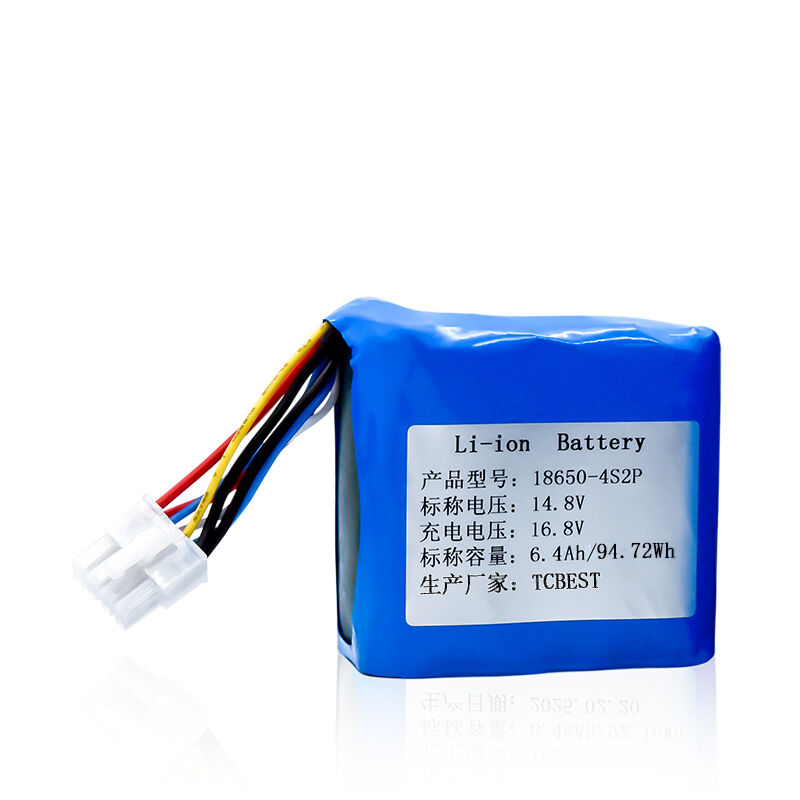
High-drain electronic devices demand reliable, efficient power solutions that can deliver consistent performance under demanding conditions. When selecting the optimal power source for applications requiring rapid energy discharge, engineers and manufacturers increasingly turn to advanced battery technologies that offer superior characteristics compared to traditional alternatives. The lithium manganese battery has emerged as a leading choice for high-drain applications due to its exceptional discharge capabilities, thermal stability, and extended operational lifespan.
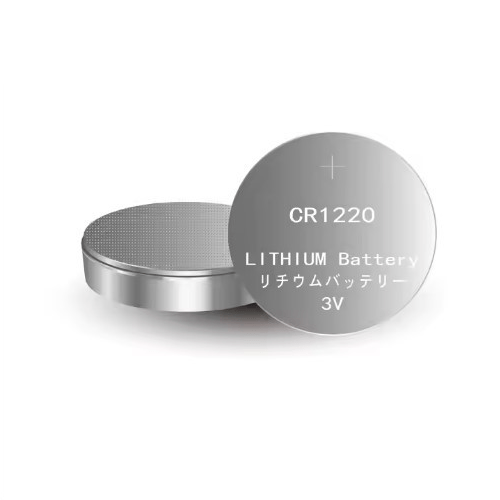
Modern industrial and consumer applications place unprecedented demands on battery performance, requiring power sources that can maintain voltage stability while delivering high current outputs. Understanding the fundamental advantages of lithium manganese battery technology enables informed decision-making for engineers designing next-generation electronic systems. These batteries demonstrate remarkable efficiency in converting stored chemical energy into electrical power, making them indispensable for applications where power density and reliability are paramount.
Understanding Lithium Manganese Battery Technology
Chemical Composition and Structure
The lithium manganese battery utilizes lithium metal as the anode and manganese dioxide as the cathode, creating an electrochemical system that delivers exceptional performance characteristics. This unique combination produces a nominal voltage of 3.0 volts, significantly higher than traditional alkaline batteries. The chemical reaction between lithium and manganese dioxide generates stable energy output while maintaining consistent voltage levels throughout the discharge cycle.
Advanced manufacturing processes ensure optimal electrode surface area and electrolyte distribution within the lithium manganese battery structure. The porous nature of the manganese dioxide cathode allows for efficient ion exchange, facilitating rapid discharge rates without compromising overall battery capacity. This structural design contributes to the superior high-drain performance that distinguishes lithium manganese batteries from conventional alternatives.
Operating Principles and Energy Conversion
Energy conversion in a lithium manganese battery occurs through controlled oxidation-reduction reactions that release electrons for external circuit flow. The lithium anode undergoes oxidation, releasing electrons that travel through the external circuit to power connected devices. Simultaneously, the manganese dioxide cathode accepts these electrons, completing the electrochemical circuit and maintaining continuous power delivery.
Temperature stability represents another crucial advantage of lithium manganese battery technology, as these cells maintain consistent performance across wide temperature ranges. The robust chemical composition resists thermal degradation, ensuring reliable operation in demanding environmental conditions. This thermal stability makes lithium manganese batteries particularly suitable for applications exposed to temperature fluctuations or extreme operating environments.
High-Drain Application Requirements
Power Density and Current Delivery
High-drain applications require batteries capable of delivering substantial current while maintaining voltage stability under load conditions. Digital cameras, emergency lighting systems, and medical devices exemplify applications that benefit from the superior current delivery capabilities of lithium manganese battery technology. These applications demand instantaneous power availability without voltage sag or performance degradation.
The lithium manganese battery excels in high-drain scenarios due to its low internal resistance, which minimizes power loss during current delivery. This characteristic enables sustained high-current output without excessive heat generation or premature capacity depletion. Professional photography equipment, for example, relies on consistent power delivery for rapid flash charging and continuous autofocus operation, requirements perfectly matched by lithium manganese battery performance.
Voltage Stability and Performance Consistency
Maintaining stable voltage output throughout the discharge cycle represents a critical requirement for sensitive electronic equipment. The lithium manganese battery delivers exceptional voltage regulation, ensuring connected devices receive consistent power regardless of remaining capacity levels. This voltage stability prevents device malfunction and extends operational reliability in mission-critical applications.
Clock circuits, memory backup systems, and precision instruments require unwavering voltage stability to maintain accurate operation. The flat discharge curve characteristic of a lithium manganese battery ensures these sensitive applications receive consistent power throughout the entire service life. This reliability translates to reduced maintenance requirements and enhanced system availability in critical applications.
Performance Advantages in Demanding Environments
Temperature Tolerance and Environmental Resilience
Operating environment conditions significantly impact battery performance and service life, making temperature tolerance a crucial selection criterion for high-drain applications. The lithium manganese battery demonstrates exceptional performance across temperature ranges from -40°C to +85°C, maintaining capacity and discharge characteristics under extreme conditions. This temperature tolerance enables deployment in outdoor equipment, automotive systems, and industrial monitoring devices.
Humidity resistance and chemical stability further enhance the environmental resilience of lithium manganese battery technology. The sealed construction prevents moisture ingress and electrolyte contamination, ensuring consistent performance in challenging environmental conditions. Marine electronics, agricultural sensors, and construction equipment benefit from this robust environmental protection, reducing battery-related failures and maintenance interventions.
Long-Term Storage and Shelf Life
Extended shelf life represents another significant advantage of lithium manganese battery technology, with properly stored cells retaining over 90% of initial capacity after ten years. This exceptional storage capability reduces inventory management complexity and ensures battery availability when needed. Emergency equipment and backup systems particularly benefit from the extended shelf life characteristics of lithium manganese batteries.
Self-discharge rates in lithium manganese battery designs remain extremely low, typically less than 1% per year under normal storage conditions. This minimal self-discharge enables long-term storage without capacity degradation, making these batteries ideal for applications requiring extended standby periods. Remote monitoring equipment and seasonal-use devices maintain full operational capability even after extended storage periods.
Comparing Battery Technologies for High-Drain Use
Lithium Manganese vs Alkaline Batteries
Traditional alkaline batteries struggle to maintain voltage stability under high-drain conditions, experiencing rapid voltage decline and premature capacity exhaustion. In contrast, the lithium manganese battery delivers consistent voltage output and superior current handling capabilities throughout the discharge cycle. This performance difference becomes particularly pronounced in applications requiring sustained high-current draw, where alkaline batteries may fail to meet operational requirements.
Cost considerations favor alkaline batteries for initial purchase price, but total cost of ownership calculations reveal the economic advantages of lithium manganese battery technology. Extended service life, reduced replacement frequency, and superior performance reliability often justify the higher initial investment. Professional applications consistently demonstrate lower operating costs when utilizing lithium manganese batteries compared to alkaline alternatives.
Comparison with Other Lithium Chemistries
Lithium iron disulfide and lithium thionyl chloride represent alternative lithium battery chemistries, each offering distinct performance characteristics. The lithium manganese battery provides optimal balance between high-drain capability, temperature tolerance, and safety considerations. While other lithium chemistries may excel in specific parameters, lithium manganese technology offers comprehensive performance advantages for most high-drain applications.
Safety considerations favor lithium manganese battery designs due to inherent chemical stability and resistance to thermal runaway conditions. This safety margin provides additional confidence for applications in proximity to personnel or sensitive equipment. The lithium manganese battery chemistry demonstrates excellent compatibility with standard charging systems and safety monitoring circuits, simplifying system integration and certification processes.
Specific Application Examples and Use Cases
Medical and Healthcare Devices
Medical equipment demands unwavering reliability and consistent performance to ensure patient safety and diagnostic accuracy. The lithium manganese battery provides the stable power delivery required for portable medical devices, patient monitors, and emergency response equipment. Defibrillators, in particular, require instantaneous high-current delivery for life-saving interventions, capabilities perfectly matched by lithium manganese battery technology.
Glucose monitors, hearing aids, and implantable devices benefit from the extended service life and voltage stability of lithium manganese batteries. The biocompatible construction and leak-resistant design ensure safe operation in medical applications. Regulatory compliance and quality certifications support the use of lithium manganese battery technology in FDA-approved medical devices and pharmaceutical applications.
Industrial and Commercial Applications
Industrial automation systems rely on consistent power delivery for sensors, actuators, and communication modules operating in demanding environments. The lithium manganese battery provides reliable power for wireless sensor networks, remote monitoring systems, and portable instrumentation. Manufacturing equipment and process control systems benefit from the extended operational life and environmental resilience of lithium manganese battery technology.
Security systems and access control devices require dependable power sources to maintain operational integrity. The lithium manganese battery ensures continuous operation of door locks, surveillance cameras, and alarm systems. Emergency lighting and evacuation systems depend on instant activation and sustained operation during power outages, requirements ideally suited to lithium manganese battery capabilities.
Installation and Optimization Guidelines
Proper Handling and Installation Procedures
Correct installation procedures maximize the performance and service life of lithium manganese battery systems in high-drain applications. Battery orientation, contact pressure, and terminal cleaning significantly impact electrical connectivity and overall system reliability. Following manufacturer specifications for installation torque and environmental protection ensures optimal performance throughout the operational lifespan.
Temperature considerations during installation affect both immediate performance and long-term reliability of lithium manganese battery systems. Avoiding extreme temperatures during handling and installation prevents thermal stress that could compromise battery performance. Proper ventilation and thermal management in the final installation location optimize operating conditions for maximum efficiency.
Performance Monitoring and Maintenance
Implementing appropriate monitoring systems enables proactive maintenance and optimal utilization of lithium manganese battery resources. Voltage monitoring, temperature measurement, and load testing provide valuable insights into battery condition and remaining service life. Regular performance evaluation identifies potential issues before they impact system operation, reducing unplanned downtime and maintenance costs.
Predictive maintenance strategies leverage historical performance data to optimize battery replacement schedules and inventory management. The lithium manganese battery demonstrates predictable performance degradation patterns, enabling accurate service life projections. This predictability supports cost-effective maintenance planning and ensures system availability when required.
FAQ
What makes lithium manganese batteries superior for high-drain applications?
Lithium manganese batteries excel in high-drain applications due to their low internal resistance, stable voltage output, and exceptional current delivery capabilities. Unlike alkaline batteries that experience rapid voltage decline under high loads, lithium manganese batteries maintain consistent 3.0-volt output throughout the discharge cycle. Their superior thermal stability and wide operating temperature range make them ideal for demanding applications requiring reliable power delivery under varying environmental conditions.
How long do lithium manganese batteries typically last in high-drain devices?
The service life of lithium manganese batteries in high-drain applications varies based on current draw, operating temperature, and duty cycle patterns. Typically, these batteries provide 2-5 times longer service life compared to alkaline alternatives in high-drain scenarios. In moderate-drain applications, lithium manganese batteries can operate for several years, while intensive high-drain use may result in service periods measured in months. The flat discharge curve ensures consistent device performance throughout the battery's operational life.
Are lithium manganese batteries safe for use in sensitive electronic equipment?
Lithium manganese batteries feature inherent chemical stability and resistance to thermal runaway, making them exceptionally safe for sensitive electronic applications. The sealed construction prevents electrolyte leakage, protecting delicate circuit components from corrosion damage. These batteries comply with international safety standards and undergo rigorous testing for use in medical devices, precision instruments, and critical safety systems. Their stable voltage output and low noise characteristics make them ideal for sensitive analog and digital circuits.
What environmental conditions can lithium manganese batteries withstand?
Lithium manganese batteries demonstrate exceptional environmental resilience, operating effectively across temperature ranges from -40°C to +85°C while maintaining capacity and performance characteristics. They resist humidity, vibration, and chemical exposure better than most alternative battery technologies. The robust construction and chemical stability enable deployment in marine environments, industrial facilities, and outdoor applications. Proper storage conditions allow these batteries to retain over 90% of initial capacity after ten years, making them suitable for emergency and backup applications requiring extended shelf life.
Table of Contents
- Understanding Lithium Manganese Battery Technology
- High-Drain Application Requirements
- Performance Advantages in Demanding Environments
- Comparing Battery Technologies for High-Drain Use
- Specific Application Examples and Use Cases
- Installation and Optimization Guidelines
-
FAQ
- What makes lithium manganese batteries superior for high-drain applications?
- How long do lithium manganese batteries typically last in high-drain devices?
- Are lithium manganese batteries safe for use in sensitive electronic equipment?
- What environmental conditions can lithium manganese batteries withstand?