
 EN
EN
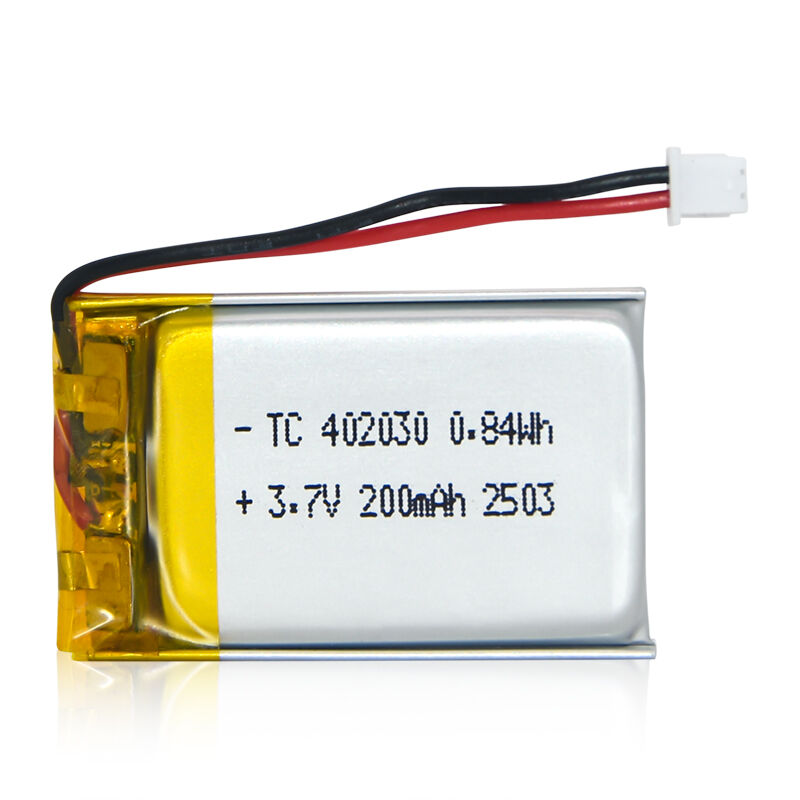
Industrial applications demand reliable power sources that can withstand extreme conditions while maintaining consistent performance over extended periods. The lithium manganese battery has emerged as a preferred choice for many industrial devices due to its exceptional stability, wide operating temperature range, and long shelf life. These batteries combine the benefits of lithium technology with manganese dioxide chemistry to deliver dependable power solutions for critical industrial equipment.
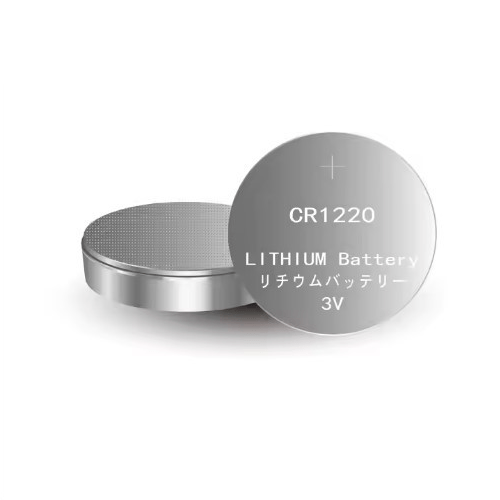
Understanding the performance characteristics of a lithium manganese battery in industrial environments requires examining multiple factors including voltage stability, capacity retention, and environmental resilience. Industrial devices often operate in challenging conditions where traditional battery technologies may fail, making the selection of appropriate power sources crucial for operational continuity. The unique chemistry of lithium manganese batteries provides several advantages that make them particularly suitable for industrial applications.
Core Performance Characteristics of Lithium Manganese Batteries
Voltage Stability and Output Consistency
The lithium manganese battery maintains exceptional voltage stability throughout its discharge cycle, typically providing a nominal voltage of 3.0V with minimal voltage drop under load conditions. This consistent voltage output is critical for industrial devices that require stable power delivery to function properly. Unlike alkaline batteries that experience significant voltage decline as they discharge, lithium manganese batteries maintain their voltage plateau for approximately 90% of their capacity.
Industrial sensors, measurement instruments, and control systems benefit significantly from this voltage stability as it ensures accurate readings and reliable operation. The flat discharge curve characteristic of a lithium manganese battery means that connected devices receive consistent power levels throughout the battery's operational life. This reliability reduces the need for frequent calibrations and minimizes the risk of equipment malfunction due to power fluctuations.
Capacity and Energy Density Advantages
Modern lithium manganese battery designs offer impressive energy density ratios, providing more power per unit weight and volume compared to traditional battery chemistries. This characteristic is particularly valuable in industrial applications where space constraints and weight considerations are important factors. The high energy density allows for longer operating periods between battery replacements, reducing maintenance costs and system downtime.
The capacity retention of a lithium manganese battery under various load conditions demonstrates superior performance in industrial environments. Even under high-drain applications, these batteries maintain their capacity effectively, ensuring that industrial devices receive adequate power for extended periods. This performance characteristic is essential for applications such as remote monitoring systems, wireless sensors, and backup power applications where consistent energy delivery is paramount.
Temperature Performance in Industrial Environments
Wide Operating Temperature Range
Industrial environments often subject equipment to extreme temperature variations, making temperature tolerance a critical factor in battery selection. A lithium manganese battery typically operates effectively across a temperature range from -40°C to +85°C, making it suitable for both indoor and outdoor industrial applications. This wide operating range ensures reliable performance in manufacturing facilities, outdoor installations, and extreme climate conditions.
The temperature stability of lithium manganese batteries is particularly important for industrial devices that must function in harsh environments such as oil and gas installations, mining operations, and outdoor monitoring systems. Unlike other battery chemistries that may experience significant capacity loss at extreme temperatures, the lithium manganese battery maintains a substantial portion of its capacity even under challenging thermal conditions.
Thermal Management and Safety Considerations
Safety is paramount in industrial applications, and the thermal characteristics of a lithium manganese battery contribute to its safe operation in industrial settings. These batteries exhibit excellent thermal stability and are less prone to thermal runaway compared to other lithium chemistries. The inherent safety features of manganese dioxide chemistry provide additional protection against overheating and potential hazards.
Industrial devices powered by lithium manganese batteries benefit from the built-in safety mechanisms that prevent overcharging, over-discharging, and excessive current draw. These protective features ensure that the battery operates within safe parameters, reducing the risk of equipment damage and maintaining operational safety standards required in industrial environments.
Long-Term Reliability and Shelf Life
Extended Storage Capabilities
The exceptional shelf life of a lithium manganese battery makes it ideal for industrial applications where batteries may be stored for extended periods before use. With self-discharge rates typically less than 1% per year, these batteries can be stored for up to 10 years while retaining most of their original capacity. This characteristic is particularly valuable for emergency backup systems and spare parts inventory management.
Industrial facilities often maintain battery inventories for critical systems, and the long shelf life of lithium manganese batteries reduces inventory turnover costs and ensures that replacement batteries are ready when needed. The low self-discharge rate means that batteries installed in infrequently used equipment will retain their charge for extended periods, providing reliable power when activation is required.
Cycle Life and Durability
While primarily designed as primary batteries, many lithium manganese battery configurations demonstrate excellent durability under repeated partial discharge cycles common in industrial applications. This durability translates to longer service life and reduced maintenance requirements for industrial devices. The robust construction and stable chemistry contribute to consistent performance over many operational cycles.
Industrial devices that experience intermittent use patterns benefit from the cycle stability of lithium manganese batteries. Equipment such as portable instruments, emergency systems, and periodic monitoring devices can rely on consistent battery performance throughout their operational life. The durability of these batteries reduces the total cost of ownership for industrial equipment by minimizing replacement frequency and maintenance interventions.
Application-Specific Performance Benefits
Industrial Sensors and Monitoring Systems
Industrial sensor applications represent one of the most common uses for lithium manganese batteries due to their reliability and consistent voltage output. These sensors often operate in remote locations where battery replacement is costly and inconvenient, making the long life and stability of lithium manganese batteries particularly valuable. The batteries provide the steady power required for accurate sensor readings and reliable data transmission.
Wireless industrial sensors powered by lithium manganese batteries can operate for years without maintenance, providing continuous monitoring of critical parameters such as temperature, pressure, flow rates, and chemical concentrations. The consistent voltage output ensures that sensor calibrations remain accurate throughout the battery life, maintaining data quality and system reliability.
Control Systems and Instrumentation
Industrial control systems require reliable backup power sources to maintain operation during primary power interruptions. A lithium manganese battery provides the stable voltage and long-term reliability needed for these critical applications. The batteries ensure that control systems can maintain their programmed states and execute emergency shutdown procedures when necessary.
Precision instrumentation in industrial settings benefits from the voltage stability and low noise characteristics of lithium manganese batteries. These batteries provide clean power that doesn't interfere with sensitive measurement circuits, ensuring accurate readings and reliable instrument operation. The consistent power delivery helps maintain calibration standards and measurement accuracy over extended periods.
Cost-Effectiveness and Economic Considerations
Total Cost of Ownership Analysis
While the initial cost of a lithium manganese battery may be higher than alternative technologies, the total cost of ownership often favors these advanced batteries in industrial applications. The combination of longer service life, reduced maintenance requirements, and improved reliability results in lower overall costs when calculated over the equipment's operational lifetime.
Industrial facilities that implement lithium manganese batteries often experience reduced maintenance schedules, fewer emergency service calls, and improved equipment uptime. These operational benefits translate to significant cost savings that offset the higher initial battery investment. The predictable performance characteristics also improve maintenance planning and budget forecasting.
Maintenance and Replacement Scheduling
The predictable performance decline of lithium manganese batteries allows for effective maintenance scheduling in industrial environments. Unlike batteries with unpredictable failure patterns, these batteries provide clear indicators of remaining capacity, enabling proactive replacement before critical failure occurs. This predictability is essential for maintaining continuous industrial operations.
Maintenance teams can develop standardized procedures for monitoring and replacing lithium manganese batteries based on established performance criteria. The consistent behavior of these batteries across different applications simplifies training requirements and reduces the complexity of maintenance protocols. This standardization contributes to improved maintenance efficiency and reduced operational risks.
FAQ
How long does a lithium manganese battery typically last in industrial applications
The lifespan of a lithium manganese battery in industrial applications varies depending on the specific device requirements and operating conditions. Under typical industrial use patterns with moderate current draw, these batteries can operate for 3-7 years. In low-power applications such as sensors or backup systems, the battery life can extend to 10 years or more. The actual lifespan depends on factors including temperature, discharge rate, and duty cycle of the connected equipment.
Can lithium manganese batteries operate in extreme industrial environments
Yes, lithium manganese batteries are specifically designed to handle extreme industrial environments. They can operate effectively in temperatures ranging from -40°C to +85°C, making them suitable for outdoor installations, manufacturing facilities, and harsh industrial conditions. The batteries also demonstrate excellent resistance to vibration, shock, and humidity, ensuring reliable performance in demanding industrial applications where other battery types might fail.
What are the main advantages of using lithium manganese batteries over alkaline batteries in industrial devices
Lithium manganese batteries offer several significant advantages over alkaline batteries in industrial applications. They provide superior voltage stability throughout the discharge cycle, longer operational life, better performance at extreme temperatures, and much lower self-discharge rates. Additionally, lithium manganese batteries maintain their capacity under high-drain conditions better than alkaline batteries, making them more suitable for industrial devices with varying power requirements.
Are there any special considerations for disposing of lithium manganese batteries in industrial settings
Proper disposal of lithium manganese batteries requires following established industrial waste management protocols and environmental regulations. While these batteries are generally considered safer than other lithium chemistries, they should still be disposed of through certified battery recycling programs. Many industrial facilities establish collection programs for used batteries to ensure compliance with environmental regulations and promote responsible recycling practices. Contact local waste management authorities or battery manufacturers for specific disposal guidelines in your region.
Table of Contents
- Core Performance Characteristics of Lithium Manganese Batteries
- Temperature Performance in Industrial Environments
- Long-Term Reliability and Shelf Life
- Application-Specific Performance Benefits
- Cost-Effectiveness and Economic Considerations
-
FAQ
- How long does a lithium manganese battery typically last in industrial applications
- Can lithium manganese batteries operate in extreme industrial environments
- What are the main advantages of using lithium manganese batteries over alkaline batteries in industrial devices
- Are there any special considerations for disposing of lithium manganese batteries in industrial settings