
 EN
EN
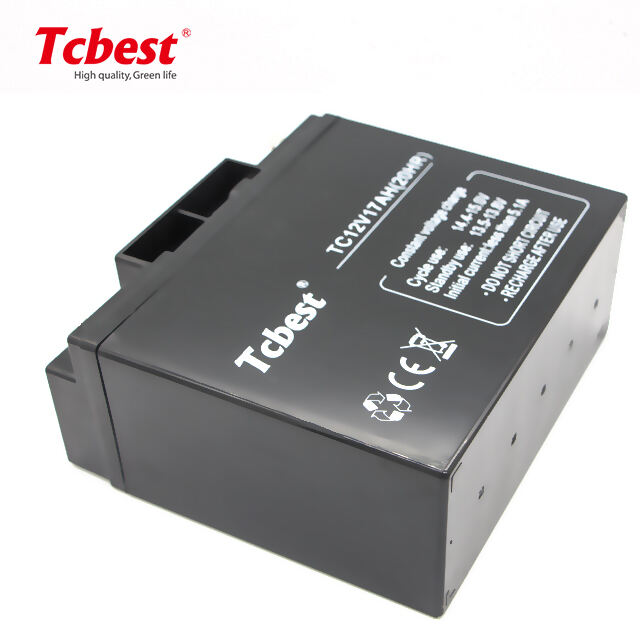
A bleiakkumulator stellt eine der grundlegendsten und langlebigsten Energiespeichertechnologien der modernen Industrie dar und bildet die Grundlage für unzählige Anwendungen – von Automobil-Systemen bis hin zu Notstromversorgungslösungen. Um zu verstehen, was eine Blei-Säure-Batterie ausmacht, ist es erforderlich, ihre wesentlichen Komponenten, ihre chemische Zusammensetzung sowie die elektrochemischen Prozesse zu untersuchen, die eine zuverlässige Energiespeicherung und -abgabe ermöglichen. Diese Technologie, die erstmals 1859 entwickelt wurde, beherrscht nach wie vor Märkte, auf denen zuverlässige und kostengünstige Energiespeicherung für den betrieblichen Erfolg von zentraler Bedeutung bleibt.
Die Betriebsmechanik einer Blei-Säure-Batterie umfasst hochentwickelte elektrochemische Reaktionen, bei denen chemische Energie durch kontrollierte Oxidations- und Reduktionsprozesse in elektrische Energie umgewandelt wird. Diese Batterien funktionieren durch die Wechselwirkung von positiven Platten aus Bleidioxid, negativen Platten aus schwammartigem Blei und einem Elektrolyten aus Schwefelsäure und bilden so ein zuverlässiges System, das elektrische Energie wiederholt speichern und abgeben kann. Die grundlegenden Funktionsprinzipien bestimmen nicht nur die unmittelbaren Leistungsmerkmale der Batterie, sondern auch ihre Langzeitzuverlässigkeit, Wartungsanforderungen sowie ihre Eignung für bestimmte industrielle Anwendungen.
Kernkomponenten und chemische Grundlage
Wesentliche Batterieelemente
Die Blei-Säure-Batterie besteht aus mehreren kritischen Komponenten, die gemeinsam die Energiespeicherung und -umwandlung ermöglichen. Die positiven Platten enthalten Bleidioxid (PbO₂), das als aktives Material fungiert und während des Ladevorgangs Elektronen aufnimmt. Diese Platten bestehen typischerweise aus einem Gitter aus Blei-Antimon oder Blei-Calcium, das mechanische Stabilität bietet und gleichzeitig über die gesamte Betriebslebensdauer der Batterie die elektrische Leitfähigkeit gewährleistet.
Die negativen Platten weisen Schwammblei (Pb) als aktives Material auf, das während der Entladezyklen Elektronen abgibt. Die poröse Struktur des Schwammbleis maximiert den Oberflächenkontakt mit dem Elektrolyten und verbessert dadurch die Effizienz der elektrochemischen Reaktionen. Die Gitterstruktur, die das negative aktive Material stützt, muss ein ausgewogenes Verhältnis zwischen mechanischer Festigkeit und optimaler elektrischer Leitfähigkeit bieten, um eine konsistente Leistung unter wechselnden Lastbedingungen sicherzustellen.
Trennwände spielen eine entscheidende Rolle bei der Verhinderung direkten Kontakts zwischen positiven und negativen Platten, während sie gleichzeitig die Ionenbewegung durch den Elektrolyten zulassen. Diese Komponenten werden typischerweise aus mikroporösen Materialien wie Glasvlies oder Polyethylen hergestellt, die so konstruiert sind, dass sie ihre strukturelle Integrität unter den sauren Bedingungen innerhalb der bleiakkumulator umgebung bewahren und gleichzeitig einen effizienten Ionentransport ermöglichen.
Zusammensetzung und Funktion des Elektrolyten
Der Elektrolyt einer Blei-Säure-Batterie besteht aus Schwefelsäure (H2SO4), die mit destilliertem Wasser verdünnt wird, um eine spezifische Dichte im Bereich von typischerweise 1,210 bis 1,300 zu erreichen – je nach vorgesehener Anwendung und Betriebsbedingungen. Diese Elektrolytkonzentration beeinflusst unmittelbar die Spannungscharakteristik, die Kapazität und die Temperaturleistung der Batterie. Die Schwefelsäure fungiert sowohl als Reaktionspartner im elektrochemischen Prozess als auch als Leiter für die Ionenbewegung zwischen den Platten.
Während des Betriebs nimmt der Elektrolyt direkt an den chemischen Reaktionen teil, die elektrische Energie erzeugen, wobei Schwefelsäuremoleküle mit den aktiven Materialien auf den positiven und negativen Platten reagieren. Die Konzentration des Elektrolyten ändert sich während der Lade- und Entladezyklen und beeinflusst den Ladezustand sowie die gesamten Leistungsmerkmale der Batterie. Eine sachgerechte Elektrolytverwaltung ist daher entscheidend, um eine optimale Leistung und Lebensdauer von Blei-Säure-Batterien sicherzustellen.
Der Elektrolyt beeinflusst zudem den Innenwiderstand der Batterie: Höhere Säurekonzentrationen führen im Allgemeinen zu einem niedrigeren Widerstand und verbesserten Stromabgabemöglichkeiten. Eine zu hohe Konzentration kann jedoch die Korrosion innerer Komponenten beschleunigen, während eine zu niedrige Konzentration Kapazität und Leistungsabgabe verringert. Diese Balance erfordert bei der Batteriekonstruktion sowie bei Wartungsprotokollen besondere Sorgfalt.
Elektrochemische Funktionsprinzipien
Mechanik des Entladevorgangs
Wenn eine Blei-Säure-Batterie entlädt, beginnt die elektrochemische Reaktion an der negativen Platte, wo Schwammblei mit Schwefelsäure reagiert, um Bleisulfat (PbSO₄) zu bilden und dabei Elektronen freizusetzen. Diese Elektronen fließen durch den externen Stromkreis und versorgen angeschlossene Verbraucher mit elektrischer Energie, bevor sie zur positiven Platte zurückkehren. Der Elektronenfluss stellt den elektrischen Strom dar, der externe Geräte und Systeme speist.
Gleichzeitig verbindet sich an der positiven Platte Bleidioxid mit Schwefelsäure und den zurückkehrenden Elektronen, um Bleisulfat und Wasser zu bilden. Bei dieser Reaktion wird Schwefelsäure aus dem Elektrolyten verbraucht und Wasser gebildet, wodurch die Dichte des Elektrolyten im Verlauf der Entladung allmählich abnimmt. Die Bildung von Bleisulfat auf beiden Platten stellt die Speicherung chemischer Energie dar, die später während des Ladevorgangs wieder in elektrische Energie umgewandelt werden kann.
Die Entladungsreaktion läuft so lange weiter, bis entweder das aktive Material vollständig in Bleisulfat umgewandelt ist oder die Elektrolytkonzentration unter das für die Aufrechterhaltung der Reaktion erforderliche Niveau fällt. Die Spannung einer Blei-Säure-Batteriezelle nimmt während der Entladung allmählich ab und fällt typischerweise von etwa 2,1 Volt bei voller Ladung auf rund 1,8 Volt bei vollständiger Entladung – abhängig von der Entladerate und den Temperaturbedingungen.
Ladevorgang: Wiederherstellung
Der Ladevorgang kehrt die Entladungsreaktionen um, indem externe elektrische Energie angelegt wird, um das Bleisulfat wieder in die ursprünglichen aktiven Materialien zurückzuverwandeln. An der negativen Platte treibt die elektrische Energie die Umwandlung des Bleisulfats zurück in schwammiges Blei und setzt dabei Schwefelsäure wieder in den Elektrolyten frei. Dieser Wiederherstellungsprozess erfordert eine präzise Steuerung von Spannung und Strom, um eine vollständige Umwandlung sicherzustellen, ohne die Struktur der Platten zu beschädigen.
An der positiven Platte wandelt sich Bleisulfat während des Ladens unter Zufuhr elektrischer Energie wieder in Bleidioxid um und setzt dabei erneut Schwefelsäure in die Elektrolytlösung frei. Die Wiederherstellung der Schwefelsäurekonzentration erhöht die Dichte des Elektrolyten wieder in Richtung seines vollständig geladenen Zustands. Eine ordnungsgemäße Ladung erfordert die Überwachung sowohl der Spannungs- als auch der Stromparameter, um eine vollständige Wiederherstellung ohne Überladung sicherzustellen.
Die Effizienz des Ladevorgangs hängt von Faktoren wie der Ladestromstärke, der Temperatur und dem Grad der vorherigen Entladezyklen ab. Blei-Säure-Batteriesysteme erreichen typischerweise Ladeeffizienzen zwischen 85 % und 95 %, wobei ein Teil der Energie während des Umwandlungsprozesses als Wärme verloren geht. Das Verständnis dieser Effizienzeigenschaften ist entscheidend für die Dimensionierung der Ladesysteme und die Prognose der Betriebskosten.
Betriebliche Eigenschaften und Leistungsfaktoren
Zusammenhang zwischen Spannung und Kapazität
Jede Blei-Säure-Batteriezelle erzeugt unter Lastbedingungen etwa 2,0 Volt; mehrere Zellen werden in Reihe geschaltet, um die gewünschte Systemspannung zu erreichen. Häufig verwendete Konfigurationen umfassen 6-Volt-, 12-Volt- und 24-Volt-Batterien für verschiedene Anwendungen; industrielle Systeme nutzen oft 48-Volt- oder höhere Konfigurationen. Die Spannung bleibt während des größten Teils des Entladezyklus relativ stabil und gewährleistet eine konsistente Stromversorgung der angeschlossenen Verbraucher.
Die Batteriekapazität, gemessen in Amperestunden (Ah), stellt die gesamte Energiespeicherfähigkeit unter bestimmten Entladebedingungen dar. Die Kapazität einer Blei-Säure-Batterie variiert stark mit der Entladerate, der Temperatur und dem Alter gemäß gut etablierter Zusammenhänge, die bei der Dimensionierung für konkrete Anwendungen sowie bei der Vorhersage der Leistungsfähigkeit leitend sind. Höhere Entladeraten führen im Allgemeinen zu einer verringerten nutzbaren Kapazität aufgrund steigender innerer Verluste und einer unvollständigen Ausnutzung der aktiven Materialien.
Die Temperatur beeinflusst sowohl die Spannungs- als auch die Kapazitätskennwerte von Blei-Säure-Batteriesystemen erheblich. Niedrigere Temperaturen verringern die Geschwindigkeit der chemischen Reaktionen und führen somit zu einer geringeren verfügbaren Kapazität und einer niedrigeren Spannungsabgabe; höhere Temperaturen können zwar die Kapazität erhöhen, beschleunigen jedoch möglicherweise die Alterungsprozesse. Die optimalen Betriebstemperaturen liegen typischerweise zwischen 20 °C und 25 °C, um maximale Leistung und Lebensdauer zu gewährleisten.
Berücksichtigung von Ladezyklen und Lebensdauer
Die Zykluslebensdauer einer Blei-Säure-Batterie hängt von der Entladetiefe, den Ladepraktiken und den Betriebsbedingungen ab. Tiefentladezyklen, bei denen die Batterie bis auf niedrige Spannungswerte entladen wird, verkürzen im Allgemeinen die gesamte Zykluslebensdauer im Vergleich zu Anwendungen mit flacher Entladung. In industriellen Anwendungen werden Systeme häufig so ausgelegt, dass die Entladetiefe auf 50 % oder weniger der Gesamtkapazität begrenzt wird, um die Zykluslebensdauer zu maximieren und die Austauschkosten zu senken.
Richtige Ladeverfahren beeinflussen die Lebensdauer von Blei-Säure-Batterien erheblich: Eine Überladung führt zu einem übermäßigen Wasserverlust, zur Korrosion der Platten und zu einer verringerten Kapazität. Eine Unterladung kann zur Sulfatierung führen, bei der Bleisulfatkristalle sich dauerhaft an den Platten festsetzen und die Verfügbarkeit aktiven Materials reduzieren. Fortschrittliche Ladesysteme verwenden mehrstufige Ladealgorithmen, um sowohl die Ladeeffizienz als auch die Batterielebensdauer zu optimieren.
Bei Schwimmladeanwendungen, bei denen die Blei-Säure-Batterie kontinuierlich mit einer Ladequelle verbunden bleibt, ist eine sorgfältige Spannungsregelung erforderlich, um die volle Ladung aufrechtzuerhalten, ohne Schäden durch Überladung zu verursachen. Die Schwimmspannungseinstellungen liegen typischerweise zwischen 2,25 und 2,30 Volt pro Zelle, abhängig vom Batteriekonzept und der Betriebstemperatur. Eine korrekte Schwimmladung kann die Lebensdauer von Batterien in Bereitschaftsanwendungen um viele Jahre verlängern.
Industrielle Anwendungen und Auswahlkriterien
Hauptanwendungskategorien
Die Blei-Säure-Batterietechnologie dient vielfältigen industriellen Anwendungen, wobei jede Anwendung spezifische Leistungsanforderungen und betriebliche Einschränkungen aufweist. Für den Automobil-Startbetrieb ist eine hohe Stromabgabe über kurze Zeitdauer erforderlich; daher müssen die Batteriekonstruktionen auf Leistungsdichte und Leistung bei niedrigen Temperaturen optimiert sein. Diese Anwendungen verwenden typischerweise dünne Platten mit großer Oberfläche, um die Stromabgabefähigkeit zu maximieren.
Bei stationären Stromversorgungsanwendungen – darunter USV-Systeme (Unterbrechungsfreie Stromversorgung) und Notbeleuchtungssysteme – stehen Langzeitzuverlässigkeit und Dauerbetrieb im Schwimmlademodus im Vordergrund. Solche Blei-Säure-Batterien weisen dicke Platten und eine robuste Konstruktion auf, um einer kontinuierlichen Schwimmladung standzuhalten und gleichzeitig über längere Zeiträume hinweg ihre Kapazität zu bewahren. Wartungsanforderungen und der Austauschplan werden bei diesen Anwendungen zu entscheidenden Faktoren.
Antriebsanwendungen wie Elektrofahrzeuge und Materialflussgeräte erfordern Batterien, die für Tiefentladungszyklen und schnelle Wiederaufladefähigkeit optimiert sind. Diese Konstruktionen gewährleisten ein ausgewogenes Verhältnis zwischen Energiedichte und Zyklenlebensdauer und beinhalten häufig fortschrittliche Plattenlegierungen sowie Elektrolytzusätze, um die Leistung unter anspruchsvollen Betriebsbedingungen zu verbessern.
Konstruktionsvarianten und Technologietypen
Batterien mit geflutetem Blei-Säure-System verwenden einen flüssigen Elektrolyten, der regelmäßig gewartet werden muss, um das während der Ladezyklen verlorene Wasser zu ersetzen. Diese Systeme bieten hervorragende Leistung und Kosteneffizienz, erfordern jedoch eine ausreichende Belüftung zur Kontrolle der Wasserstoffgasentwicklung sowie regelmäßige Wartung, um optimale Elektrolytstände sicherzustellen. Geflutete Konstruktionen weisen in der Regel die niedrigsten Anschaffungskosten pro Kapazitätseinheit auf.
Die Ventilregulierte Bleibatterie (VRLA) verwendet immobilisierte Elektrolyte, entweder durch absorbierte Glasmatten (AGM) oder Gelformulierungen, wodurch die Notwendigkeit von Wasserzusätzen beseitigt und die Wartungsbedürfnisse reduziert werden. Diese versiegelten Konstruktionen bieten eine größere Flexibilität bei der Installation und verbesserte Sicherheitsmerkmale, haben jedoch im Vergleich zu den gleichwertigen Überschwemmungen in der Regel höhere Anfangskosten.
Durch die Entwicklung fortschrittlicher Blei-Säure-Batterietechnologien werden Kohlenstoffzusatzstoffe, modifizierte Plattenlegierungen und verbesserte Trennstoffe verwendet, um Leistungsmerkmale wie den Betrieb im Teilladestand, die Lebensdauer und die Ladeakzeptanz zu verbessern. Diese Innovationen lösen spezifische Anwendungsprobleme und bewahren gleichzeitig die grundlegenden Vorteile der bewährten Blei-Säure-Batterienchemie und -Herstellungsprozesse bei.
Häufig gestellte Fragen
Welche Vorteile hat die Blei-Säure-Batterietechnologie im Vergleich zu anderen Batterietypen?
Blei-Säure-Batterien bieten mehrere entscheidende Vorteile, darunter niedrige Anschaffungskosten, bewährte Zuverlässigkeit, eine etablierte Recyclinginfrastruktur und einen breiten Temperaturbetriebsbereich. Sie zeichnen sich durch hervorragende Spitzenstromfähigkeit aus und eignen sich daher ideal für Startanwendungen; zudem sind ihre Ladeanforderungen gut erforscht, was die Systemintegration vereinfacht. Die ausgereifte Fertigungsgrundlage gewährleistet eine zuverlässige Verfügbarkeit und wettbewerbsfähige Preise über verschiedene Kapazitätsbereiche hinweg.
Wie lange hält eine typische Blei-Säure-Batterie in verschiedenen Anwendungen?
Die Lebensdauer von Blei-Säure-Batterien variiert stark je nach Anwendung und Betriebsbedingungen. Autostarterbatterien halten in der Regel 3–5 Jahre, während ordnungsgemäß gewartete stationäre Batterien im Schwimmladebetrieb bis zu 10–20 Jahre lang betrieben werden können. Bei Tiefzyklusanwendungen werden üblicherweise 500–1500 Zyklen erreicht, abhängig von der Entladetiefe und den Ladeparametern. Temperatur, Wartungsqualität sowie Konstruktion des Ladegeräts beeinflussen die tatsächliche Einsatzdauer erheblich.
Welche Wartung ist für Blei-Säure-Batteriesysteme erforderlich?
Gefüllte Blei-Säure-Batterien erfordern in regelmäßigen Abständen die Zugabe von Wasser, um den während des Ladevorgangs verlorenen Elektrolyten zu ersetzen – typischerweise alle 3 bis 6 Monate, abhängig von der Ladehäufigkeit und der Umgebungstemperatur. Alle Blei-Säure-Batterietypen profitieren von einer regelmäßigen Spannungsüberwachung, der Reinigung der Anschlüsse sowie von Kapazitätstests. VRLA-Batterien erfordern nur eine minimale Wartung, sollten jedoch auf Anzeichen von Aufquellen, Leckagen oder Spannungsunregelmäßigkeiten überwacht werden, die auf einen möglichen Ausfall hindeuten.
Können Blei-Säure-Batterien unter extremen Temperaturbedingungen betrieben werden?
Blei-Säure-Batterien können über einen breiten Temperaturbereich hinweg betrieben werden, typischerweise von −40 °C bis 60 °C, wobei die Leistung jedoch stark temperaturabhängig ist. Bei niedrigen Temperaturen verringert sich die verfügbare Kapazität und die erforderliche Ladezeit steigt; hohe Temperaturen beschleunigen zwar die chemischen Reaktionen, können aber die Lebensdauer der Batterie verkürzen. Eine geeignete Temperaturkompensation in den Ladesystemen sowie ein effizientes thermisches Management in extremen Umgebungen tragen dazu bei, Leistung und Lebensdauer zu optimieren.
Inhaltsverzeichnis
- Kernkomponenten und chemische Grundlage
- Elektrochemische Funktionsprinzipien
- Betriebliche Eigenschaften und Leistungsfaktoren
- Industrielle Anwendungen und Auswahlkriterien
-
Häufig gestellte Fragen
- Welche Vorteile hat die Blei-Säure-Batterietechnologie im Vergleich zu anderen Batterietypen?
- Wie lange hält eine typische Blei-Säure-Batterie in verschiedenen Anwendungen?
- Welche Wartung ist für Blei-Säure-Batteriesysteme erforderlich?
- Können Blei-Säure-Batterien unter extremen Temperaturbedingungen betrieben werden?