
 EN
EN
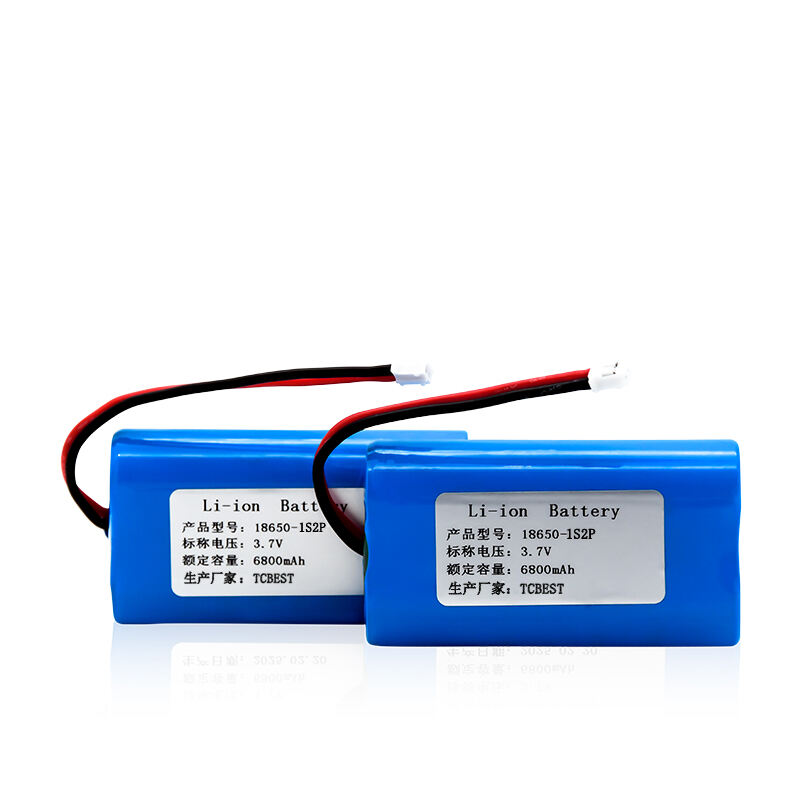
In der Welt tragbarer Elektronik und mobiler Stromversorgungslösungen können die technischen Entscheidungen, die während der Produktentwicklung getroffen werden, alles bestimmen – von der Sicherheit des Nutzers bis hin zur Lebensdauer des Produkts. Im Mittelpunkt dieser Entscheidungen steht das Batteriepack – eine Komponente, die weit mehr leistet als lediglich Energie zu speichern. Ihr Design bestimmt, wie effizient elektrische Leistung bereitgestellt wird, wie sicher das Gerät unter Belastung arbeitet und ob das Endprodukt die zunehmend anspruchsvollen Erwartungen moderner Verbraucher sowie industrieller Anwender erfüllt.
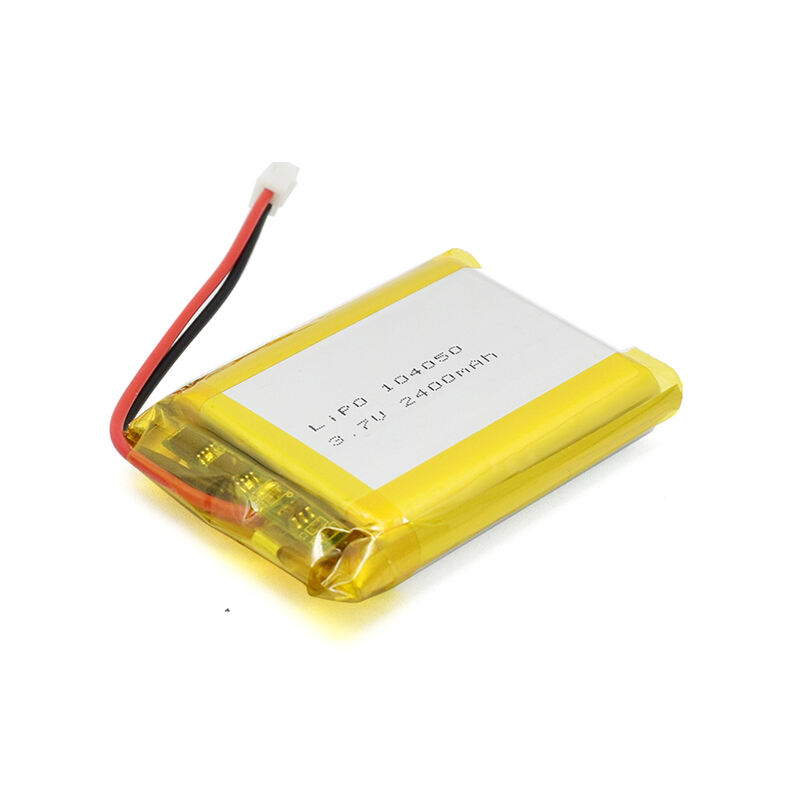
Die Bedeutung des Akkupack-Designs für tragbare Stromversorgungsanwendungen lässt sich kaum überschätzen. Ob es sich um ein handgehaltenes medizinisches Gerät, einen drahtlosen industriellen Sensor, ein tragbares Konsumprodukt oder ein kompaktes Kommunikationsgerät handelt – die Architektur des Akkupacks bestimmt unmittelbar Leistung, Zuverlässigkeit und Wettbewerbsvorteil. Für jeden Ingenieur oder Produktmanager im Bereich tragbarer Stromversorgung ist es entscheidend zu verstehen, warum ein durchdachtes Design so wichtig ist – und welche Folgen dessen Vernachlässigung hat.
Die grundlegende Rolle des Akkupack-Designs in tragbaren Geräten
Energiedichte und bauliche Einschränkungen
Tragbare Anwendungen stellen strenge physische Grenzen auf, mit denen Systeme mit fester Stromversorgung einfach nicht konfrontiert sind. Ein Akkupack muss ausreichend Energie innerhalb einer Bauform liefern, die bequem in ein schlankes tragbares Gerät, ein robustes Feldinstrument oder ein kompaktes Konsumgerät passt. Diese Einschränkung zwingt Ingenieure dazu, die Energiedichte – also die pro Volumen- oder Masseneinheit gespeicherte Energiemenge – als zentrales Konstruktionskriterium zu priorisieren.
Die Lithium-Polymer-Chemie hat sich gerade deshalb als dominierende Wahl für das Design tragbarer Akkupacks durchgesetzt, weil sie dünne, flexible Bauformen ermöglicht, ohne dabei Kapazität einzubüßen. Ein gut gestaltetes Akkupack nutzt diese Chemie aus, um die höchstmögliche Energiedichte zu erreichen und gleichzeitig innerhalb der mechanischen Vorgaben zu bleiben, die durch das industrielle Design des Produkts festgelegt sind. Schlechte Konstruktionsentscheidungen – etwa die Verwendung einer zu großen Zelle oder eine unpassende Anpassung der Zellgeometrie an den verfügbaren Raum – führen zu ungenutztem Volumen, unnötigem Gewicht und geringerer Wettbewerbsfähigkeit.
Die wechselseitige Abhängigkeit zwischen dem Batteriepack und der gesamten Gerätearchitektur bedeutet, dass Konstruktionsentscheidungen nicht isoliert getroffen werden können. Die Auswahl der Zellen, die Elektrodenkonfiguration und die Verpackung müssen sämtlich mit den Strategien für das thermische Management sowie mit der physischen Anordnung der übrigen internen Komponenten abgestimmt werden. Ein Batteriepack, das perfekt passt und optimal funktioniert, ist das Ergebnis dieses integrierten Konstruktionsprozesses – und keine nachträgliche Überlegung.
Spannungs- und Kapazitätsabstimmung an die Lastanforderungen
Jede tragbare Anwendung verfügt über ein definiertes Leistungsprofil – einen Spannungs- und Strombereich, den ihre Schaltungen so ausgelegt sind, dass sie ihn akzeptieren können. Das Batteriepack muss so konstruiert sein, dass es während des gesamten Entladezyklus kontinuierlich Leistung innerhalb dieses Profils bereitstellt. Wenn die Ausgangsspannung zu stark außerhalb der zulässigen Toleranzen liegt, können Mikrocontroller zurückgesetzt werden, Motoren stehen bleiben und Sensoren ungenaue Messwerte liefern.
Die Auswahl der Kapazität ist ebenso wichtig. Ein zu kleines Akkupack zwingt die Nutzer, zu häufig aufzuladen, was die Benutzererfahrung beeinträchtigt und bei kritischen Anwendungen wie der medizinischen Überwachung potenziell Sicherheitslücken erzeugt. Ein zu großes Pack erhöht unnötig Gewicht und Kosten und mindert dadurch die Attraktivität des Produkts. Die präzise Abstimmung der Nennkapazität auf den erwarteten Betriebszyklus der Anwendung ist eine Konstruktionsdisziplin, die Standardprodukte von professionellen tragbaren Lösungen unterscheidet.
Ingenieure, die an der Konstruktion von Akkupacks für tragbare Anwendungen arbeiten, modellieren typischerweise das Lastprofil – darunter die Spitzenstromaufnahme während des aktiven Betriebs, der Standby-Strom im Ruhezustand sowie die gesamte erwartete Betriebsdauer pro Ladezyklus. Diese Modellierungsübung führt unmittelbar zu den Spezifikationen hinsichtlich Zellchemie, Zellkonfiguration und Kapazität, die das Akkupack erfüllen muss.
Sicherheitsarchitektur innerhalb eines Akkupacks
Schutzschaltmodule und ihre Bedeutung
Ein Akkupack ohne geeignete Schutzschaltung stellt eine Risikoquelle dar, keine Bereicherung. Lithiumbasierte Zellen bieten zwar eine hervorragende Energiedichte, sind jedoch empfindlich gegenüber Überladung, Tiefentladung und übermäßigem Stromentzug. Ohne aktiven Schutz kann jede dieser Bedingungen zu Zellenschäden, Kapazitätsverlust, thermischem Durchgehen oder im schlimmsten Fall zur Entzündung führen. Daher ist das Schutzschaltungsmodul (PCM) ein zwingend erforderliches Element eines gut konzipierten Akkupacks.
Das PCM überwacht kontinuierlich Zellspannung und -strom und unterbricht den Stromkreis, sobald die Parameter sichere Grenzwerte überschreiten. In tragbaren Geräten, die unbeaufsichtigt geladen werden oder bei denen es während intensiver Nutzung zu plötzlichen Lastspitzen kommt, verhindert diese Schutzschicht einen Totalausfall. Ein optimal konstruierter Akku integriert das PCM so, dass es innerhalb von Millisekunden auf anormale Zustände reagiert und sowohl die Zelle als auch das angeschlossene Gerät schützt.
Fortgeschrittene Akkupack-Konstruktionen für anspruchsvolle mobile Anwendungen gehen über die grundlegende PCM-Funktionalität hinaus und umfassen Temperaturüberwachung, Kurzschlussschutz sowie Zellenausgleich bei Mehrzellenkonfigurationen. Diese zusätzlichen Schutzebenen spiegeln die Realität wider, dass mobile Geräte unter vielfältigen Umgebungsbedingungen eingesetzt werden, von nichttechnischen Nutzern gehandhabt werden und jahrelang zuverlässig ohne professionelle Wartung betrieben werden müssen.
Thermomanagement und Langzeitzuverlässigkeit
Wärme ist der Hauptfeind der Lebensdauer von Lithiumzellen. Jeder Lade- und Entladevorgang erzeugt innerhalb des Akkupacks etwas Wärme, die sich ansammelt, wenn sie nicht ordnungsgemäß abgeführt wird. Bei einem gut konstruierten Akkupack werden thermische Pfade gezielt ausgelegt – um sicherzustellen, dass die bei Schnellladung oder Spitzenentladung entstehende Wärme effizient abgeleitet wird, ohne die Zelle über ihren zulässigen Temperaturbereich hinaus zu belasten.
Bei kompakten tragbaren Geräten, bei denen nur begrenzter Platz für Hardware zur thermischen Steuerung zur Verfügung steht, wird die Konstruktion des Akkupacks selbst zum primären Werkzeug für das thermische Management. Die Zellausrichtung, die Materialien der äußeren Gehäuse, die räumliche Nähe des Akkupacks zu wärmeentwickelnden Komponenten sowie die Anordnung der internen Leiter beeinflussen sämtlich das thermische Verhalten des Akkupacks unter realen Betriebsbedingungen.
Die Vernachlässigung des thermischen Managements in der Entwurfsphase des Akkupacks führt zu einer beschleunigten Kapazitätsabnahme, zu einem vorzeitigen Lebensende und – in schweren Fällen – zu Sicherheitsvorfällen. Bei tragbaren Anwendungen, bei denen erwartet wird, dass die Geräte mehrere Jahre lang halten und einen erheblichen Teil ihrer ursprünglichen Kapazität bewahren, ist das thermische Design keine Option – es stellt vielmehr eine zentrale ingenieurtechnische Anforderung dar, die bereits in den frühesten Phasen der Akkupack-Entwicklung berücksichtigt werden muss.
Leistung über den gesamten Produktlebenszyklus hinweg
Zyklenlebensdauer und Kapazitätsrückhaltung
Der Wert eines Akkupacks in einer tragbaren Anwendung beruht nicht nur auf seiner Anfangsleistung – entscheidend ist vielmehr, wie gut diese Leistung über Hunderte oder Tausende von Lade- und Entladezyklen hinweg erhalten bleibt. Die Zykluslebensdauer ist daher eine der kommerziell bedeutendsten Kenngrößen bei der Konstruktion von Akkupacks und wirkt sich unmittelbar auf die Kundenzufriedenheit, die Garantiekosten sowie den langfristigen Markennamen aus.
Die Zykluslebensdauer eines Akkupacks wird durch die Qualität und Güteklasse der verwendeten Zellen, das Betriebsspannungsfenster, die maximalen Lade- und Entladestromraten sowie die Temperaturbedingungen während des Betriebs beeinflusst. Durch die Konstruktion eines Akkupacks mit konservativen Ladespannungsgrenzen und moderaten Entladeströmen lässt sich die Zykluslebensdauer erheblich verlängern – selbst bei Verwendung handelsüblicher Lithium-Polymer-Zellen. Solche Konstruktionsentscheidungen erfordern bewusste Abwägungen und können ohne detaillierte Vorab-Engineering-Arbeit nicht getroffen werden.
Für tragbare Anwendungen in professionellen oder industriellen Kontexten — wie z. B. handgeführte Messgeräte, tragbare Diagnosegeräte oder Feldkommunikationsgeräte — bilden Lebensdauerangaben (Cycle Life) häufig einen Bestandteil der vertraglichen Leistungsverpflichtungen für das Produkt. Die Erfüllung dieser Verpflichtungen beginnt auf der Ebene des Batteriepack-Designs und nicht auf der Ebene der Firmware oder der Systemintegration.
Stabilität der Entladekurve und Geräte-Konsistenz
Die Form der Entladekurve eines Batteriepacks — also die Art und Weise, wie sich die Ausgangsspannung beim Entladen der Zelle ändert — wirkt sich unmittelbar und oft unterschätzt auf das Verhalten des Geräts aus. Anwendungen, die eine stabile Spannungseingabe für genaue Sensormessungen, konstante Motordrehzahlen oder zuverlässige drahtlose Kommunikation benötigen, sind besonders empfindlich gegenüber den Eigenschaften der Entladekurve.
Ein gut konstruiertes Batteriepack, das angemessen spezifizierte Lithium-Polymer-Zellen verwendet, bietet typischerweise eine flache und stabile Entladekurve über den größten Teil seines nutzbaren Kapazitätsbereichs. Das bedeutet, dass das angeschlossene Gerät während des Großteils seiner Betriebszeit konsistente Betriebsbedingungen erfährt, anstatt eine Leistungseinbuße zu erleiden, wenn die Batterie sich dem Entladeende nähert. Ingenieure, die diese Beziehung zwischen der Konstruktion des Batteriepacks und der Konsistenz des Geräts verstehen, können sie nutzen, um die Gesamtqualität des Produkts zu verbessern.
Die akkupackung muss daher nicht nur bei vollständiger Ladung, sondern über den gesamten Entladebereich und unter unterschiedlichen Lastbedingungen bewertet werden. Dieser umfassende Bewertungsansatz stellt sicher, dass das tragbare Gerät von der vollen Ladung bis hin zum nahezu erschöpften Zustand konsistent funktioniert und damit die Benutzererfahrung liefert, die während der Produktentwicklung vorgesehen war.
Konstruktionsaspekte für bestimmte Kategorien tragbarer Anwendungen
Medizinische und gesundheitsbezogene tragbare Geräte
Bei medizinischen tragbaren Anwendungen hat das Design des Akkupacks Sicherheitsimplikationen, die weit über das Gerät selbst hinausgehen und sich auf den Patienten oder Benutzer auswirken, der darauf angewiesen ist. Geräte wie tragbare Patientenmonitore, handgehaltene Diagnosegeräte und tragbare Gesundheitssensoren erfordern Akkupacks, die nicht nur kompakt und energiedicht sind, sondern auch entsprechend den relevanten Sicherheits- und elektromagnetischen Verträglichkeitsstandards zertifiziert sind.
Der Akkupack in einem medizinischen tragbaren Gerät muss zudem einen zuverlässigen Betrieb in klinischen Umgebungen gewährleisten, in denen Feuchtigkeit, Temperaturschwankungen und mechanische Beanspruchung stärker ausgeprägt sind als bei typischem Verbrauchsgebrauch. Konstruktionsmerkmale wie eine robuste Zellumschließung, Schaltkreise für medizinische Anwendungen sowie Materialien, die einer chemischen Einwirkung widerstehen, tragen alle dazu bei, dass der Akkupack die strengen Anforderungen im Gesundheitswesen erfüllt.
Darüber hinaus sind die Rückverfolgbarkeits- und Dokumentationsanforderungen im Zusammenhang mit Akkupacks für Medizinprodukte erheblich strenger als bei Unterhaltungselektronik. Jede Akkupack-Einheit muss möglicherweise einzeln rückverfolgbar sein, wobei Herkunftsnachweise für die Zellen, Aufzeichnungen zum Fertigungsprozess sowie Prüfdaten dokumentiert werden müssen. Diese Dokumentationsinfrastruktur muss bereits in der Entwurfsphase des Akkupacks berücksichtigt werden und darf nicht nachträglich hinzugefügt werden.
Anwendungen in Industrie- und Feldgeräten
Tragbare Industriewerkzeuge und Feldinstrumente setzen das Akkupack Umweltbedingungen aus, denen Verbrauchergeräte nur selten ausgesetzt sind. Staub, Vibrationen, starke Temperaturschwankungen sowie die Einwirkung von Chemikalien oder Feuchtigkeit beeinträchtigen die Integrität des Akkupacks in einer Weise, die durch Standardtests für Verbraucherprodukte nicht abgedeckt wird. Das Design von Industrie-Akkupacks muss diese Bedingungen durch robuste Gehäuse, IP-geschützte Dichtungen und Zellen berücksichtigen, die für erweiterte Temperaturbereiche zugelassen sind.
Bei industriellen tragbaren Anwendungen hat Ausfallzeit direkte finanzielle Folgen. Ein Akkupack, das vorzeitig im Feld ausfällt, kann den Betrieb zum Erliegen bringen, Sicherheitsrisiken schaffen und die Kundenbeziehungen beeinträchtigen. Aus diesem Grund steht bei der Konstruktion industrieller Akkupacks Vorhersagbarkeit und Zuverlässigkeit im Vordergrund – man wählt Zellen mit gut dokumentierten Leistungsmerkmalen und entwirft Schutzschaltungen, die Randfälle elegant bewältigen, anstatt katastrophal auszufallen.
Die physische Schnittstelle des Akkupacks mit dem Hostgerät ist in industriellen Umgebungen ebenfalls entscheidend. Sichere Steckverbindersysteme, vibrationsfeste Zellbefestigung sowie eine robuste äußere Gehäusekonstruktion tragen alle dazu bei, dass ein Akkupack unter der mechanischen Belastung, die der Einsatz vor Ort zwangsläufig mit sich bringt, weiterhin funktionsfähig bleibt. Diese physikalischen Konstruktionsmerkmale sind genauso wichtig wie die elektrochemische Konstruktion, um langfristige Zuverlässigkeit sicherzustellen.
Häufig gestellte Fragen
Was unterscheidet die Konstruktion von Akkupacks für tragbare von der für stationäre Anwendungen?
Tragbare Anwendungen stellen Anforderungen an Gewicht, Größe und Robustheit, die stationäre Anwendungen nicht stellen. Ein Akkupack für ein tragbares Gerät muss die Energiedichte innerhalb eines kompakten Gehäuses maximieren, mechanischer Beanspruchung und Umwelteinflüssen standhalten sowie eine konsistente Leistung über einen breiten Bereich von Betriebsbedingungen sicherstellen. Stationäre Akkupacks können hingegen Rohkapazität und Wartungsfreundlichkeit gegenüber Kompaktheit priorisieren, was grundsätzlich andere Konstruktionskompromisse ermöglicht.
Wie beeinflusst das Design des Akkupacks die Sicherheit tragbarer Geräte?
Das Design des Akkupacks bestimmt, ob bei normalem oder ungewöhnlichem Gebrauch Überladung, Tiefentladung, Kurzschluss und thermische Durchgehung auftreten können. Ein gut gestalteter Akkupack integriert Schutzschaltungen, Temperaturüberwachung und geeignete Zellspezifikationen, um diese Ausfallarten zu verhindern. Ein mangelhaftes Akkupack-Design – sei es aufgrund unzureichender Schutzschaltungen oder nicht kompatibler Zellbewertungen – ist eine der häufigsten Ursachen für Sicherheitsvorfälle bei tragbaren elektronischen Geräten.
Warum ist die Auswahl der Zellchemie bei der Konstruktion von Akkupacks für tragbare Geräte so wichtig?
Unterschiedliche Zellchemien bieten verschiedene Kombinationen aus Energiedichte, Leistungsdichte, Zyklenlebensdauer und Betriebstemperaturbereich. Für tragbare Anwendungen wird häufig die Lithium-Polymer-Chemie bevorzugt, da sie dünne, flexible Formfaktoren unterstützt und eine ausgezeichnete Energiedichte bietet. Die richtige Zellchemie für ein bestimmtes Batteriepack hängt jedoch von den Spannungsanforderungen der Anwendung, dem Entladeprofil, den Umgebungsbedingungen und den Erwartungen an die Lebensdauer ab – weshalb die Auswahl der Chemie eine entscheidende technische Entscheidung und keine Standardwahl ist.
In welchem Stadium der Produktentwicklung sollte das Design des Batteriepacks beginnen?
Die Konstruktion des Batteriepacks sollte so früh wie möglich im Produktentwicklungsprozess beginnen – idealerweise parallel zur Phase der Gesamtsystemarchitektur. Eine frühzeitige Einbindung stellt sicher, dass die Bauform, die Spannung und die Kapazität des Batteriepacks von Anfang an in die mechanische Konstruktion, das thermische Layout und die Firmware-Entwicklung einfließen. Die Behandlung des Batteriepacks als Komponente, die erst in einer späten Entwicklungsphase ausgewählt wird, führt häufig zu Kompromissen hinsichtlich Leistung, Sicherheit und Herstellbarkeit, die nach Abschluss der Konstruktion nur schwer und kostspielig korrigiert werden können.
Inhaltsverzeichnis
- Die grundlegende Rolle des Akkupack-Designs in tragbaren Geräten
- Sicherheitsarchitektur innerhalb eines Akkupacks
- Leistung über den gesamten Produktlebenszyklus hinweg
- Konstruktionsaspekte für bestimmte Kategorien tragbarer Anwendungen
-
Häufig gestellte Fragen
- Was unterscheidet die Konstruktion von Akkupacks für tragbare von der für stationäre Anwendungen?
- Wie beeinflusst das Design des Akkupacks die Sicherheit tragbarer Geräte?
- Warum ist die Auswahl der Zellchemie bei der Konstruktion von Akkupacks für tragbare Geräte so wichtig?
- In welchem Stadium der Produktentwicklung sollte das Design des Batteriepacks beginnen?