
 EN
EN
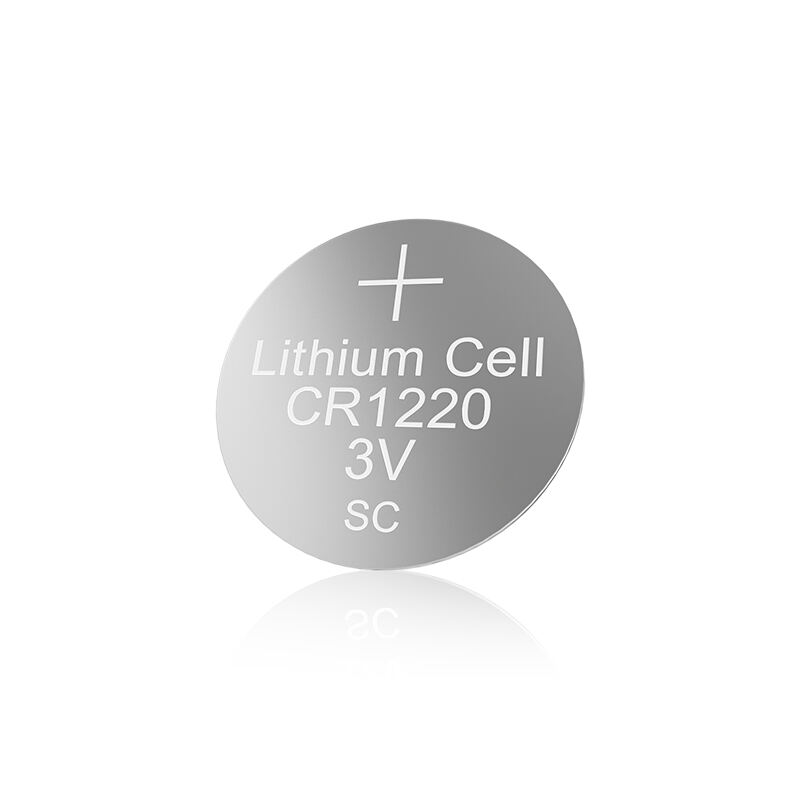
Wybór właściwego bateria guzikowa Pojemność to kluczowa decyzja, która bezpośrednio wpływa na wydajność urządzenia, jego żywotność i ogólną opłacalność, zarówno w zastosowaniach elektroniki użytkowej, jak i przemysłowych. Niezależnie od tego, czy projektujesz implant medyczny, pilota zdalnego sterowania, czy precyzyjny instrument, zrozumienie wymagań dotyczących pojemności gwarantuje niezawodne działanie urządzenia przez cały przewidziany okres użytkowania. Pojemność ogniwa guzikowego, mierzona w miliamperogodzinach (mAh), określa, jak długo bateria może dostarczać energię przed koniecznością wymiany, co czyni ją fundamentalną specyfikacją wpływającą na projekt produktu, komfort użytkowania i harmonogramy konserwacji.

Przy ocenie pojemności baterii guzikowych inżynierowie i specjaliści ds. zakupów muszą zrównoważyć wiele czynników technicznych i komercyjnych, które wykraczają poza prosty wybór opcji o najwyższej pojemności dostępnej na rynku. Prąd pobierany przez urządzenie, ograniczenia związane z wymiarami fizycznymi, zakres temperatur roboczych, charakterystyka rozładowania oraz kwestie kosztowe odgrywają ze sobą powiązane role przy określaniu optymalnej specyfikacji pojemności. Ten kompleksowy przewodnik omawia kluczowe czynniki, które należy wziąć pod uwagę przy doborze pojemności baterii guzikowych, zapewniając praktyczne ramy wspomagające podejmowanie uzasadzonych decyzji zgodnych z konkretnymi wymaganiami aplikacyjnymi oraz celami biznesowymi.
Podstawy pojemności baterii guzikowych
Co właściwie mierzy się jako pojemność w bateriach guzikowych
Pojemność ogniwa guzikowego określa całkowitą ilość ładunku elektrycznego, jaką bateria może przechować i dostarczyć w określonych warunkach, zwykle wyrażoną w miliamperogodzinach (mAh). Ogniwo guzikowe o pojemności 200 mAh teoretycznie może dostarczać prąd o natężeniu 200 mA przez jedną godzinę lub proporcjonalnie mniejsze prądy przez dłuższy czas. Jednak zależność ta nie jest ściśle liniowa ze względu na czynniki elektrochemiczne wpływające na sprawność rozładowania. Zrozumienie tej podstawowej specyfikacji pozwala ustalić realistyczne oczekiwania dotyczące czasu pracy urządzenia oraz okresów jego wymiany.
Znamionowa pojemność ogniwa guzikowego jest określana za pomocą standaryzowanych protokołów testowych, które określają prędkości rozładowania, napięcia końcowego oraz warunki środowiskowe. Producent zwykle bada pojemność ogniwa guzikowego w temperaturze pokojowej, stosując stosunkowo niskie prądy rozładowania, które pozwalają na efektywne przebieganie reakcji elektrochemicznych. Rzeczywista wydajność często różni się od tych idealnych warunków testowych, szczególnie w przypadku urządzeń pobierających wyższe prądy lub działających w ekstremalnych temperaturach. Znajomość tych parametrów testowych pozwala poprawnie interpretować specyfikacje zawarte w arkuszach danych technicznych oraz przewidywać rzeczywistą wydajność w warunkach eksploatacyjnych.
Różne chemie ogniw guzikowych charakteryzują się zmienną pojemnością nawet przy podobnych wymiarach fizycznych. Komórki guzikowe litowo-mnO₂ oferują zazwyczaj wyższą pojemność niż alternatywy na bazie tlenku srebra lub ogniw alkalicznych w porównywalnych rozmiarach, a ponadto zapewniają bardziej stabilne napięcie w całym cyklu rozładowania. Wybór chemii stanowi podstawowe ograniczenie dostępnych opcji pojemności, dlatego przy ocenie wymagań dotyczących pojemności dla danej aplikacji konieczne jest jednoczesne uwzględnienie zarówno typu chemii, jak i rozmiaru fizycznego.
Jak pojemność wpływa na czas pracy urządzenia
Obliczanie przewidywanego czasu pracy urządzenia na podstawie pojemności baterii guzikowej wymaga zrozumienia profilu poboru prądu przez dane urządzenie w różnych trybach pracy. Urządzenia rzadko pobierają stały prąd; zazwyczaj przełączają się pomiędzy trybem aktywnym, czuwania i uśpienia, przy czym wymagania energetyczne w poszczególnych trybach różnią się znacznie. Kompleksowy bilans prądu, uwzględniający wszystkie tryby pracy, ich czas trwania oraz częstotliwość przełączeń, stanowi podstawę do dokładnego oszacowania czasu pracy urządzenia na podstawie specyfikacji pojemności baterii guzikowej.
Średni pobór prądu stanowi najbardziej praktyczny wskaźnik do obliczeń czasu pracy, wyznaczany poprzez przeważenie poboru prądu w poszczególnych trybach pracy udziałem procentowym czasu ich trwania. Na przykład urządzenie pobierające 10 mA przez 1% czasu w trakcie aktywnej transmisji oraz 5 µA przez 99% czasu w trybie uśpienia ma średni pobór prądu wynoszący około 105 µA. Dzielenie pojemności ogniwa guzikowego przez ten średni pobór prądu daje teoretyczne oszacowanie czasu pracy, choć praktyczne czynniki zwykle zmniejszają rzeczywistą wydajność o 10–30%, w zależności od specyfiki zastosowania.
Wpływ temperatury znacząco oddziałuje na związek między nominalną pojemnością ogniwa guzikowego a rzeczywistym czasem pracy. Niskie temperatury obniżają szybkość reakcji elektrochemicznych wewnątrz akumulatora, skutkując efektywnym zmniejszeniem dostępnej pojemności, mimo że całkowita zawartość energii pozostaje niezmieniona. Z kolei podwyższone temperatury mogą początkowo nieznacznie zwiększać pojemność, ale przyspieszają samorozładowanie oraz procesy degradacji, które ostatecznie skracają okres użytkowania. W przypadku zastosowań działających w szerokim zakresie temperatur konieczne jest staranne planowanie zapasu pojemności, aby zagwarantować wystarczającą wydajność w najbardziej niekorzystnych warunkach.
Wymagania dotyczące pojemności zależne od zastosowania
Dopasowanie pojemności do profilu poboru prądu
Zastosowania wymagające wysokoprądowych impulsów stwarzają unikalne wyzwania przy doborze pojemności, ponieważ ogniwa guzikowe wykazują zmniejszoną skuteczną pojemność przy rozładowywaniu z wyższymi prądami. A bateria guzikowa oceniana na poziomie 200 mAh w warunkach rozładowania przy niskim prądzie może dostarczać jedynie 150 mAh pod wpływem częstych impulsów wysokiego prądu – zjawisko to znane jest jako efekt zależności pojemności od prędkości rozładowania. Zrozumienie maksymalnych wymagań urządzenia co do prądu szczytowego oraz charakterystyki impulsów umożliwia odpowiednie obniżenie deklarowanej pojemności, zapewniając niezawodne działanie przez cały zaplanowany okres eksploatacji.
Ciągłe aplikacje pracujące przy niskim prądzie, takie jak zegary czasu rzeczywistego lub systemy zapasowego zasilania pamięci, osiągają zwykle wydajność bliską deklarowanej pojemności ogniw guzikowych, ponieważ łagodne warunki rozładowania umożliwiają efektywne reakcje elektrochemiczne. W tych zastosowaniach największą korzyść przynosi maksymalizacja pojemności ogniw guzikowych w ramach ograniczeń związanych z ich rozmiarem, ponieważ wydłużony czas pracy bezpośrednio przekłada się na dłuższe interwały konserwacji i niższe koszty całkowitej obsługi. Wybór opcji o najwyższej możliwej pojemności często okazuje się rozwiązaniem najbardziej opłacalnym dla takich zastosowań w stanie ustalonym.
Przerywane wzorce pracy wymagają starannego przeanalizowania cykli roboczych oraz okresów postoju przy ocenie wymagań dotyczących pojemności ogniw guzikowych. Wiele chemii akumulatorów wykazuje efekty regeneracji w okresach postoju, podczas których napięcie częściowo się odzyskuje, a po rozładowaniu dużym prądem staje się ponownie dostępna pewna część pojemności. Zastosowania z wystarczającym czasem postoju pomiędzy impulsami rozładowania mogą często działać pomyślnie z ogniwami guzikowymi o niższej pojemności nominalnej niż sugerują obliczenia dla pracy ciągłej, pod warunkiem, że cykl roboczy pozostaje w granicach zdolności regeneracyjnych baterii.
Uwzględnienia dotyczące pojemności specyficzne dla danej branży
Zastosowania urządzeń medycznych wymagają wyjątkowo niezawodnej wydajności pojemnościowej baterii typu guzikowego ze względu na implikacje związane z bezpieczeństwem oraz wymagania regulacyjne. Rozruszniki serca, monitory stężenia glukozy i inne krytyczne urządzenia medyczne zwykle określają pojemność baterii typu guzikowego z istotnymi marginesami bezpieczeństwa, często projektując je z uwzględnieniem degradacji pojemności w czasie oraz najbardziej niekorzystnych warunków środowiskowych. Proces doboru pojemności dla zastosowań medycznych musi uwzględniać długie interwały serwisowe, rygorystyczne standardy niezawodności oraz potencjalne ryzyko odpowiedzialności cywilnej, co uzasadnia zastosowanie wysokiej klasy specyfikacji akumulatorów.
Sieci przemysłowych czujników i systemy zdalnego monitoringu priorytetowo uwzględniają pojemność baterii typu guzikowej, która umożliwia wieloletnie interwały wdrażania w trudnych warunkach środowiskowych. W tych zastosowaniach koszty instalacji często znacznie przekraczają koszty komponentów, co czyni przedłużenie czasu pracy baterii poprzez odpowiedni dobór jej pojemności wymogiem ekonomicznym. Wymagania przemysłowe dotyczące pojemności muszą uwzględniać nie tylko średnie zużycie mocy, ale także czynniki obciążenia środowiskowego, potencjalne wdrożenie w warunkach skrajnych temperatur oraz praktyczne trudności związane z wymianą baterii w terenie w rozproszonych instalacjach.
Zastosowania elektroniki konsumenckiej balansują pojemność baterii typu guzikowej z ograniczeniami kosztowymi oraz konkurencyjnymi cyklami wymiany. Produkty takie jak pilotażowe sterowniki zdalne, zabawki elektroniczne i przenośne urządzenia zwykle optymalizują pojemność w celu spełnienia oczekiwanych wzorców użytkowania w trakcie komercyjnego okresu życia produktu, a nie w celu maksymalizacji całkowitego czasu pracy. W zastosowaniach konsumenckich częstsza wymiana baterii jest często akceptowana jako kompromis za niższe początkowe koszty, co przesuwa wybór pojemności w kierunku ekonomicznej wystarczalności zamiast maksymalnej wydajności.
Ograniczenia fizyczne i techniczne wpływające na wybór pojemności
Ograniczenia rozmiaru oraz kompromisy związane z pojemnością
Pojemność ogniwa guzikowego jest bezpośrednio powiązana z jego wymiarami fizycznymi, ponieważ większe ogniwa pozwalają na umieszczenie większej ilości materiału aktywnego i w związku z tym magazynują więcej energii. Standardowy system oznaczania ogniw guzikowych (np. CR2032) zawiera informacje o wymiarach: dwie pierwsze cyfry oznaczają średnicę w milimetrach, a pozostałe cyfry – grubość w dziesiątych częściach milimetra. Ogniwo CR2032 ma średnicę 20 mm i grubość 3,2 mm, podczas gdy ogniwo CR2025 ma tę samą średnicę, ale jego grubość wynosi tylko 2,5 mm, co skutkuje przybliżonie o 30 % mniejszą pojemnością mimo identycznej chemii i napięcia.
Tendencje do miniaturyzacji urządzeń powodują stałe naciski na zmniejszanie rozmiaru ogniw guzikowych, co nieuchronnie ogranicza dostępne opcje pojemności. Urządzenia noszone, kompaktowe czujniki oraz elektronika o ograniczonej przestrzeni montażowej często muszą akceptować kompromisy w zakresie pojemności, aby spełnić wymagania projektowe. Ten kompromis wymaga starannego zoptymalizowania zużycia energii w oprogramowaniu sprzętowym i projekcie sprzętu urządzenia, aby osiągnąć akceptowalny czas pracy w ramach ograniczeń pojemnościowych fizycznie kompatybilnych rozmiarów ogniw guzikowych. Projektowanie obwodów energooszczędnych staje się coraz bardziej krytyczne w miarę jak ograniczenia pojemności nasilają się wraz ze zmniejszaniem się rozmiarów.
Wagowe rozważania czasem wpływają na wybór pojemności baterii guzikowych w zastosowaniach, w których masa wpływa na wydajność lub doświadczenie użytkownika. Choć baterie guzikowe są stosunkowo lekkie, to w przypadku urządzeń takich jak aparaty słuchowe noszone w uchu lub na uchu oraz precyzyjne instrumenty do ważenia mogą być priorytetowe redukcja masy zamiast maksymalnej pojemności. W tych specjalistycznych zastosowaniach dobór pojemności wymaga subtelnej analizy zależności między dodatkową pojemnością, odpowiadającym jej wzrostem masy oraz praktycznymi korzyściami wynikającymi z niej w konkretnym przypadku użycia.
Charakterystyka napięcia i wykorzystanie pojemności
Użyteczna pojemność ogniwa guzikowego zależy krytycznie od minimalnego napięcia roboczego Twojego urządzenia, ponieważ ogniwa nie są w stanie dostarczyć swojej pełnej deklarowanej pojemności, jeśli urządzenie przestaje działać zanim napięcie spadnie do wartości końcowej charakterystycznej dla danej chemii ogniwa. Litowe ogniwa guzikowe charakteryzują się stosunkowo płaską krzywą rozładowania, zapewniając stabilne napięcie aż do momentu prawie całkowitego rozładowania, co maksymalizuje wykorzystanie pojemności. W przeciwieństwie do tego ogniwa alkaliczne oraz niektóre inne typy ogniw wykazują stopniowy spadek napięcia w trakcie rozładowania, co może prowadzić do pozostawienia znacznej części pojemności nieużytej, jeżeli urządzenia wymagają wyższego minimalnego napięcia.
Obwody regulacji napięcia mogą poprawić wykorzystanie pojemności baterii typu guzik poprzez umożliwienie urządzeniom pracy w szerszym zakresie napięć, jednak te układy regulacyjne same pobierają moc oraz zwiększają koszty i złożoność konstrukcji. Decyzja o zastosowaniu regulacji napięcia powinna uwzględniać, czy poprawa wykorzystania pojemności uzasadnia dodatkowe zużycie mocy oraz koszty elementów. W przypadku aplikacji pobierających bardzo mały prąd nadmiarowy pobór mocy przez układ regulacyjny może być nieakceptowalny, podczas gdy urządzenia o wyższej mocy mogą znacznie skorzystać z przedłużonego dostępu do pojemności dzięki konwersji napięcia.
Konfiguracje ogniw guzikowych połączone szeregowo i równolegle wpływają zarówno na całkowitą pojemność, jak i możliwości dostarczania napięcia. Połączenie ogniw guzikowych szeregowo zwiększa napięcie, zachowując przy tym pojemność pojedynczego ogniwa, podczas gdy połączenia równoległe zachowują napięcie, sumując jednocześnie pojemności poszczególnych ogniw. Konfiguracje równoległe wymagają jednak starannej kontroli dopasowania ogniw oraz obwodów ochronnych, aby zapobiec niestabilnemu rozładowaniu, które może obniżyć skuteczną pojemność poniżej teoretycznej sumy. Zrozumienie wpływu tych konfiguracji pomaga zoptymalizować dobór pojemności ogniw guzikowych w zastosowaniach wymagających użycia wielu ogniw.
Aspekty ekonomiczne i pojemności związane z cyklem życia
Równoważenie początkowych kosztów z całkowitymi kosztami posiadania
Pojemność ogniwa guzikowego ma bezpośredni wpływ na koszt jednostkowy: modele o wyższej pojemności zwykle mają wyższą cenę ze względu na większą ilość materiałów oraz czasem bardziej zaawansowane procesy produkcyjne. Jednak proste porównania kosztów na jedno ogniwo często wprowadzają w błąd przy podejmowaniu decyzji dotyczących doboru pojemności, ponieważ pomijają częstotliwość wymiany oraz związane z nią koszty pracy. Kompleksowa analiza całkowitych kosztów posiadania, uwzględniająca przewidywane interwały serwisowe, koszty wymiany, czas przestoju urządzenia oraz potencjalne skutki gwarancyjne, zapewnia bardziej dokładne wsparcie ekonomiczne przy doborze pojemności.
Zastosowania z trudnym dostępem do baterii lub wysokimi kosztami jej wymiany korzystają w nadmierny sposób z wyższych pojemności ogniw guzikowych, co wydłuża interwały konserwacji. Przykładowymi przypadkami są: sprzęt przemysłowy wymagający wizyt technika, czujniki zainstalowane w odległych lokalizacjach oraz urządzenia konsumenckie, których rozbieranie wiąże się ze skomplikowanymi procedurami – we wszystkich tych sytuacjach niewielkie zwiększenie pojemności przekłada się na znaczne korzyści ekonomiczne poprzez zmniejszenie częstotliwości konserwacji. Obliczenie premii za pojemność, przy której wydłużenie interwałów konserwacji staje się opłacalne, pozwala określić ekonomicznie optymalną pojemność ogniwa guzikowego dla tych zastosowań.
Rozważania związane z zakupem hurtowym czasem wpływają na wybór pojemności baterii guzikowych, gdy możliwa jest standaryzacja w wielu liniach produktów lub zastosowaniach. Organizacje stosujące spójne specyfikacje pojemności mogą negocjować lepsze ceny dzięki zakupom hurtowym oraz uprościć zarządzanie zapasami, nawet jeśli niektóre zastosowania teoretycznie mogłyby funkcjonować przy niższych wartościach pojemności. Takie strategiczne podejście do standaryzacji polega na zamianie marginalnego nadmiernego określenia parametrów w niektórych zastosowaniach na korzyści wynikające z wydajności łańcucha dostaw i siły negocjacyjnej w zakupach.
Degradacja pojemności i planowanie końca życia
Pojemność baterii guzikowych stopniowo się obniża w czasie z powodu samorozładowania i wewnętrznych zmian chemicznych, nawet przy braku aktywnego użytkowania. Baterie guzikowe litowe zwykle zachowują 90–95 % pierwotnej pojemności po jednym roku przechowywania w temperaturze pokojowej; szybkość degradacji wzrasta przy wyższych temperaturach. W aplikacjach wymagających długiego okresu przydatności do użycia lub długich odstępów między wdrożeniami należy uwzględnić tę utratę pojemności przy określaniu początkowych specyfikacji – zasadniczo należy przewidzieć wyższą pojemność niż wymagana, aby zapewnić wystarczającą wydajność w momencie końcowego okresu eksploatacji mimo nieuniknionego procesu degradacji.
Nieliniowy charakter degradacji pojemności baterii guzikowych utrudnia planowanie końca ich życia użytkowaniowego, ponieważ spadek pojemności często przyspiesza w miarę zbliżania się baterii do wyczerpania. Wiele urządzeń ulega nagłemu awarii zamiast stopniowego pogorszenia się wydajności, ponieważ krytyczne progi napięcia gwałtownie kolapsują, gdy pojemność spadnie poniżej określonych wartości. Ten wzór zachowania uzasadnia stosowanie ostrożnych zapasów pojemności, które zapewniają prawidłowe funkcjonowanie urządzenia znacznie powyżej minimalnych progów przez cały zaplanowany okres eksploatacji, zapobiegając tym samym nieoczekiwanym awariom w trakcie zamierzonego okresu użytkowania.
Predykcyjne monitorowanie pojemności za pomocą pomiaru napięcia lub zliczania kulombów umożliwia niektórym aplikacjom przewidywanie potrzeby wymiany baterii typu guzik przed faktycznym wystąpieniem awarii. Jednak wdrożenie takiego monitorowania zwiększa złożoność systemu i samo zużywa część pojemności, co tworzy kompromis między zdolnością predykcyjną a dostępnym czasem pracy. Decyzja o włączeniu monitorowania pojemności powinna uwzględniać, czy korzyści płynące z przewidywalnego harmonogramu konserwacji uzasadniają koszty dodatkowe związane z poborem mocy, ceną komponentów oraz złożonością projektu.
Testowanie i walidacja doboru pojemności
Prototypowanie i ocena wydajności w warunkach rzeczywistych
Badania laboratoryjne w kontrolowanych warunkach zapewniają początkową walidację wyboru pojemności ogniw guzikowych, ale ocena rzeczywistej wydajności pozostaje niezbędna do potwierdzenia ich przydatności. Testy prototypów powinny możliwie najwierniej odzwierciedlać rzeczywiste warunki eksploatacji, w tym wahania temperatury, wzorce użytkowania oraz obciążenia środowiskowe wpływające na dostarczaną pojemność. Przyspieszone testy trwałości przeprowadzane w podwyższonej temperaturze lub przy zwiększonej liczbie cykli pracy pozwalają skrócić czas walidacji i ujawnić potencjalne niedobory pojemności jeszcze przed wprowadzeniem produktu do seryjnej produkcji.
Statystyczne podejścia do testowania pojemności uwzględniają zmienność między poszczególnymi jednostkami zarówno pod względem wydajności ogniw typu button, jak i poboru prądu przez urządzenie. Testowanie wielu próbek umożliwia określenie przedziałów ufności wokół oczekiwanego czasu pracy zamiast szacowania pojedynczej wartości, co ułatwia podejmowanie decyzji dotyczących wyboru pojemności na podstawie oceny ryzyka. Zrozumienie rozkładu wyników wydajności pomaga ustalić odpowiednie zapasy pojemności, które zapewniają, że określony procent jednostek spełni minimalne wymagania dotyczące czasu pracy mimo tolerancji produkcyjnych oraz zmienności warunków środowiskowych.
Badania terenowe w rzeczywistych warunkach eksploatacji stanowią złoty standard walidacji pojemności, ale wymagają długotrwałych harmonogramów, które mogą nie być zgodne z harmonogramami rozwoju produktu. Zrównoważenie kompleksowej walidacji terenowej z presją czasu wprowadzania produktu na rynek często wymaga podejść etapowych, w ramach których wstępne dobory pojemności oparte na testach laboratoryjnych są dopracowywane na podstawie informacji zwrotnych ze wczesnej eksploatacji. Ustalenie jasnych metryk wydajności pojemności oraz protokołów monitoringu umożliwia systematyczną walidację nawet przy skróconych harmonogramach rozwoju.
Specyfikacje dostawcy i weryfikacja wydajności
Karty katalogowe baterii guzikowych zawierają wartości pojemności określone przez producenta, jednak zrozumienie warunków testów i dopuszczalnych odchyłek jest kluczowe dla dokładnego planowania pojemności. Producenci zwykle podają pojemność w oparciu o konkretne warunki rozładowania, które mogą się różnić od profilu działania w Twoim zastosowaniu, co potencjalnie prowadzi do nadmiernie optymistycznych prognoz czasu pracy. Przeanalizowanie pełnej treści karty katalogowej – w tym krzywych rozładowania przy różnych prędkościach i temperaturach – umożliwia bardziej realistyczną ocenę pojemności dostosowaną do rzeczywistych warunków eksploatacji.
Niezależne testy weryfikacyjne pojemności baterii guzikowych przeprowadzane na próbkach z nadchodzących partii produkcyjnych pozwalają wykryć odchylenia od specyfikacji lub problemy jakościowe jeszcze przed ich wpływem na wydajność produktu. Wdrożenie protokołów kontroli próbki z określonymi kryteriami akceptacji zapewnia, że dostarczane akumulatory spełniają wymagania dotyczące pojemności mimo możliwych odmienności w procesie produkcji. Takie podejście do zapewnienia jakości okazuje się szczególnie istotne w zastosowaniach o wysokim wolumenie, gdzie wydajność akumulatorów ma bezpośredni wpływ na satysfakcję klientów oraz koszty gwarancji.
Ustalenie długoterminowych relacji z dostawcami, opartych na przejrzystych specyfikacjach pojemności i spójnej jakości, umożliwia pewne dobór ogniw guzikowych na podstawie danych historycznych dotyczących ich wydajności. Dostawcy gotowi zapewnić szczegółową pomoc techniczną, testy dostosowane do konkretnych zastosowań oraz niestandardowe opcje pojemności oferują istotne zalety w przypadku aplikacji o wysokich lub nietypowych wymaganiach. Wartość współpracy z dostawcą często przewyższa proste rozważania kosztowe, szczególnie wtedy, gdy optymalizacja pojemności ma istotny wpływ na konkurencyjność produktu lub doświadczenie użytkownika.
Często zadawane pytania
Jak obliczyć minimalną pojemność ogniwa guzikowego niezbędną dla mojego urządzenia?
Oblicz średnie zużycie prądu swojego urządzenia we wszystkich trybach pracy, a następnie pomnóż wynik przez pożądaną długość działania w godzinach, aby określić minimalną pojemność w mAh. Dodaj zapas bezpieczeństwa w wysokości 20–30 %, aby uwzględnić degradację pojemności, wpływ temperatury oraz tolerancje producenta. Na przykład urządzenie pobierające średnio 50 µA i mające działać przez 5 lat wymaga minimalnej pojemności ok. 2,2 Ah (50 µA × 43 800 godzin × współczynnik zapasu 1,25); oznacza to konieczność zastosowania kilku ogniw guzikowych lub większego formatu akumulatora, ponieważ pojedyncze ogniwa guzikowe zwykle osiągają maksymalnie około 250 mAh.
Czy wyższa pojemność ogniwa guzikowego zawsze oznacza dłuższy czas pracy urządzenia?
Wyższa pojemność zazwyczaj zapewnia dłuższy czas pracy, ale tylko wtedy, gdy urządzenie jest w stanie skutecznie wykorzystać dodatkową pojemność w ramach ograniczeń napięcia i prądu. Jeśli urządzenie przestaje działać przed osiągnięciem końcowego napięcia ogniwa guzikowego, zwiększenie pojemności nie przynosi żadnej korzyści. Dodatkowo bardzo wysokie pobory prądu mogą uniemożliwić wykorzystanie pełnej nominalnej pojemności ze względu na efekty związane z szybkością rozładowania. Zależność między pojemnością a czasem pracy jest najbardziej bezpośrednią w przypadku aplikacji o niskiej mocy i ciągłym rozładowaniu przy odpowiednim zarządzaniu napięciem.
Czy mogę zastąpić ogniwo guzikowe o wyższej pojemności o tym samym rozmiarze?
W ramach tej samej wielkości fizycznej i chemii ogniwa, ogniwa guzikowe o wyższej pojemności są zazwyczaj bezpośrednimi zamiennikami, które po prostu wydłużają czas pracy. Należy jednak sprawdzić, czy parametry napięcia są zgodne, ponieważ niektórzy producenci oferują różne chemie w podobnych obudowach, ale z niezgodnymi charakterystykami napięcia. Należy również upewnić się, że urządzenie jest w stanie obsłużyć potencjalnie odmienne charakterystyki krzywej rozładowania modeli o wyższej pojemności, szczególnie pod względem stabilności napięcia pod obciążeniem. Dla udanego zastąpienia konieczna jest zgodność wymiarów fizycznych, zgodność napięciowa oraz zgodność charakterystyk rozładowania.
W jaki sposób temperatura wpływa na pojemność ogniwa guzikowego w moim zastosowaniu?
Temperatura znacząco wpływa na rzeczywistą pojemność ogniwa guzikowego; niskie temperatury mogą zmniejszać dostępną pojemność o 20–50%, w zależności od chemii ogniwa oraz stopnia obniżenia temperatury. Podwyższone temperatury mogą początkowo nieznacznie zwiększać pojemność, ale przyspieszają samorozładowanie i degradację. Jeśli Twoja aplikacja działa w szerokim zakresie temperatur, należy dobrać pojemność ogniwa na podstawie najbardziej niekorzystnych warunków zimowych oraz rozważyć zastosowanie chemii ogniwa guzikowego zoptymalizowanej pod kątem ekstremalnych temperatur. Ogniwa guzikowe litowo-mnagnezowe ogólnie wykazują lepsze właściwości niż alternatywne ogniwa alkaliczne w warunkach skrajnych temperatur, choć wszystkie chemie wykazują pewną wrażliwość temperaturową w zakresie dostarczanej pojemności.
Spis treści
- Podstawy pojemności baterii guzikowych
- Wymagania dotyczące pojemności zależne od zastosowania
- Ograniczenia fizyczne i techniczne wpływające na wybór pojemności
- Aspekty ekonomiczne i pojemności związane z cyklem życia
- Testowanie i walidacja doboru pojemności
-
Często zadawane pytania
- Jak obliczyć minimalną pojemność ogniwa guzikowego niezbędną dla mojego urządzenia?
- Czy wyższa pojemność ogniwa guzikowego zawsze oznacza dłuższy czas pracy urządzenia?
- Czy mogę zastąpić ogniwo guzikowe o wyższej pojemności o tym samym rozmiarze?
- W jaki sposób temperatura wpływa na pojemność ogniwa guzikowego w moim zastosowaniu?