lead acid accumulator
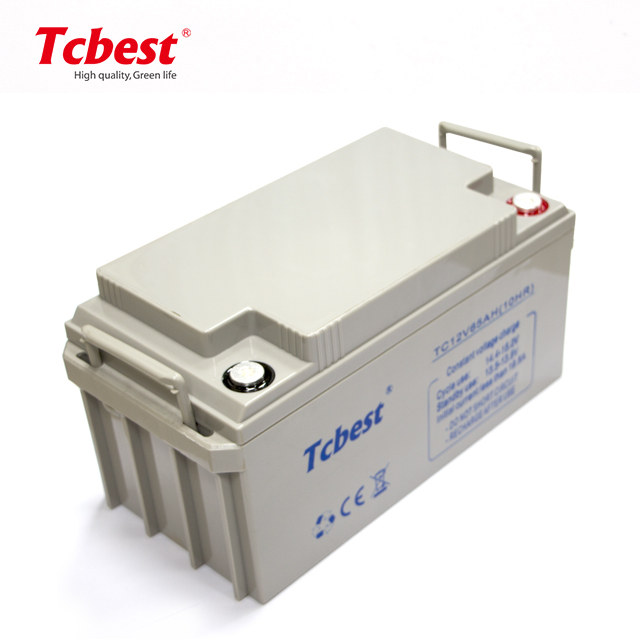
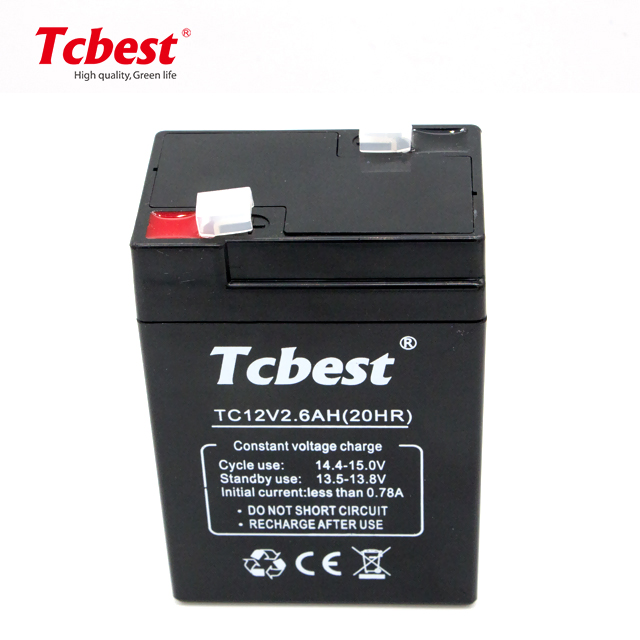
A lead acid accumulator is a rechargeable battery system that stores electrical energy through chemical reactions between lead plates and sulfuric acid electrolyte. This robust energy storage device has been a cornerstone of industrial and automotive applications for over a century, delivering reliable power when needed. The lead acid accumulator functions by converting chemical energy into electrical current, making it essential for countless operations worldwide.
The technological features of a lead acid accumulator include dual lead plates—one positive and one negative—submerged in sulfuric acid solution. When discharged, lead dioxide reacts with lead sponge, generating electrical current. The lead acid accumulator can be recharged by applying external electrical current, restoring its energy capacity for repeated use. This cyclic capability makes the lead acid accumulator economically attractive for long-term applications.
Applications for the lead acid accumulator span automotive starting systems, backup power supplies, renewable energy storage, and industrial equipment. The lead acid accumulator powers vehicles, provides emergency lighting in facilities, and supports solar energy systems. Its versatility and proven performance make the lead acid accumulator indispensable across multiple sectors. Modern designs enhance the lead acid accumulator's efficiency and lifespan, incorporating advanced manufacturing techniques and improved materials. Understanding these core functions helps users select appropriate power solutions for their specific needs.

 EN
EN