
 EN
EN
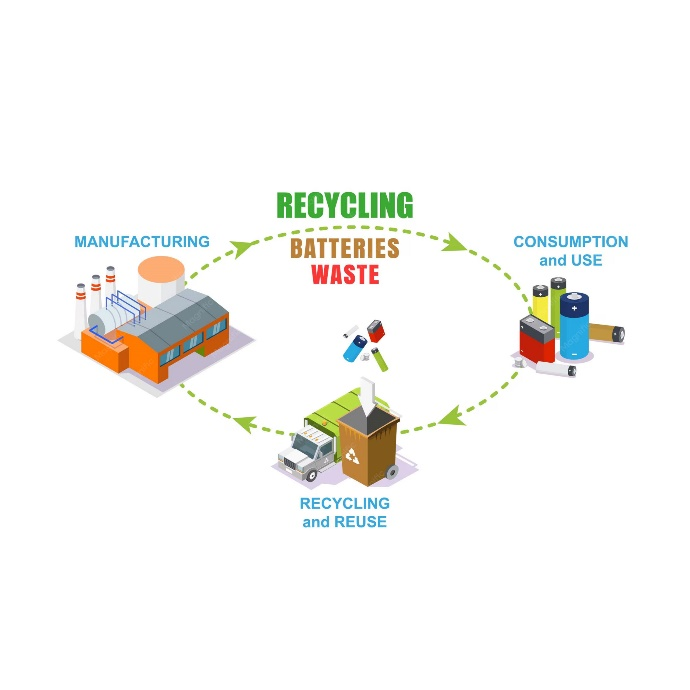
How to Dispose of Drone Batteries
1. Introduction
Drone batteries are the energy backbone of modern unmanned aerial vehicles (UAVs). As consumer and industrial drone usage expands, the number of spent, damaged, or degraded batteries increases correspondingly. Improper disposal poses significant risks: chemical leakage, fire hazards, soil contamination, and even explosions. Therefore, understanding how to dispose of drone batteries responsibly is not only a matter of personal safety but also an environmental obligation.
This essay provides a comprehensive, academically rigorous overview of drone battery disposal, covering battery chemistry, degradation mechanisms, regulatory frameworks, safe handling procedures, recycling pathways, and future sustainability trends. It is designed for UAV operators, environmental professionals, and readers seeking authoritative guidance.
2. Understanding Drone Battery Types
Before disposal, one must identify the battery type, as disposal procedures vary.
2.1 Lithium—Polymer (LiPo) Batteries
LiPo batteries are the most common in consumer drones due to their high energy density and lightweight construction. They contain flammable electrolytes and can become unstable when punctured, overcharged, or physically damaged.
2.2 Lithium—Ion (Li—ion) Batteries
Used in some commercial drones, Li—ion batteries are more stable than LiPo but still require careful disposal due to fire risks and toxic materials such as cobalt and nickel.
2.3 Nickel—Metal Hydride (NiMH) Batteries
Less common in drones today, NiMH batteries are safer but still require recycling due to heavy metals.
2.4 Smart Batteries
Many modern drones use “smart batteries” with embedded electronics. These must be treated as electronic waste (e—waste) and recycled accordingly.
3. Why Proper Disposal Matters
3.1 Environmental Impact
Drone batteries contain metals and chemicals that can contaminate soil and groundwater. Lithium salts, cobalt compounds, and organic solvents are harmful to ecosystems.
3.2 Fire and Explosion Hazards
Improperly discarded LiPo batteries can ignite spontaneously, especially when damaged or exposed to heat. Waste management facilities frequently report fires caused by lithium batteries.
3.3 Regulatory Compliance
Many countries classify lithium batteries as hazardous waste. Improper disposal can result in fines or legal consequences.
3.4 Resource Recovery
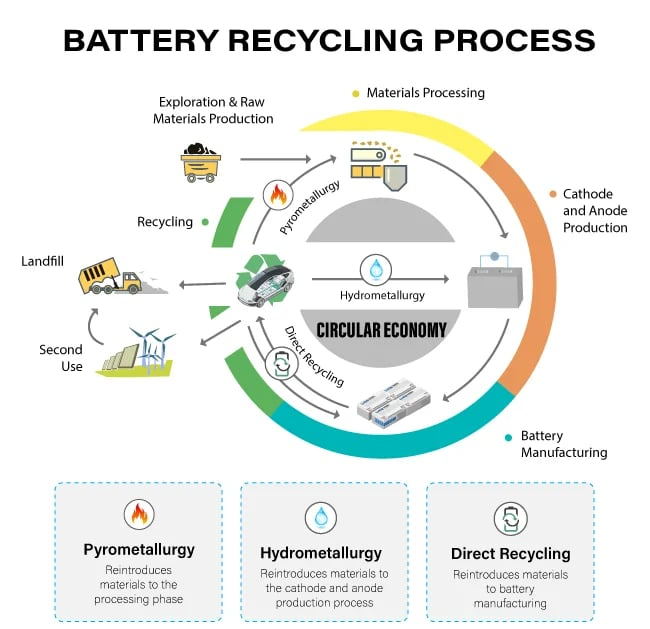
Recycling recovers valuable materials such as lithium, cobalt, nickel, and copper, reducing the need for mining and supporting circular economy principles.
4. When a Drone Battery Should Be Disposed
Drone batteries should be retired when they exhibit:
- Swelling or puffing
- Physical damage
- Overheating during charging
- Significant capacity loss
- Irregular voltage readings
- Internal resistance increase
These symptoms indicate chemical instability and potential fire hazards.
5. Step—by—Step Guide to Safe Drone Battery Disposal
5.1 Step 1: Identify the Battery Type
Correct identification ensures proper handling. LiPo batteries require more caution than NiMH or Li—ion.
5.2 Step 2: Inspect for Damage
If the battery is swollen, punctured, or leaking, isolate it immediately in a fireproof container.
5.3 Step 3: Discharge the Battery Safely
A partially charged LiPo battery is more dangerous than a fully discharged one.
Recommended discharge methods:
- Use a drone to fly the battery down to 0–5%
- Use a LiPo discharger
- Use a resistor-based discharge device
Avoid: Saltwater discharge—this outdated method can cause corrosion and toxic leakage.
5.4 Step 4: Store the Battery Properly Before Disposal
Place the battery in:
- A LiPo safety bag
- A metal ammunition box
- A fireproof container
Keep it away from heat sources and flammable materials.
5.5 Step 5: Transport the Battery to a Certified Facility
Lithium batteries must never be thrown into household trash. Instead, take them to:
- Municipal hazardous waste centers
- Electronics recycling facilities
- Drone retailers offering battery recycling
- Battery collection points at hardware stores
5.6 Step 6: Follow Local Regulations
Different regions have different rules. For example:
- The EU follows the Waste Electrical and Electronic Equipment (WEEE) Directive
- The U.S. follows EPA hazardous waste guidelines
- China follows the “Regulations on the Management of Waste Batteries”
6. Technical Considerations in Battery Disposal
6.1 Chemical Stability
LiPo batteries contain lithium cobalt oxide (LiCoO₂) or lithium manganese oxide (LiMn₂O₄). When damaged, these compounds can react violently with moisture or oxygen.
6.2 Internal Resistance and Thermal Runaway
As batteries age, internal resistance increases, raising the risk of thermal runaway—a chain reaction leading to fire or explosion.
6.3 Electronic Waste Classification
Smart batteries contain circuit boards, sensors, and microcontrollers, making them e—waste. They must be processed separately from pure battery cells.
7. Recycling Processes for Drone Batteries
7.1 Collection and Sorting
Batteries are sorted by chemistry. LiPo and Li—ion are separated due to different recycling pathways.
7.2 Mechanical Processing
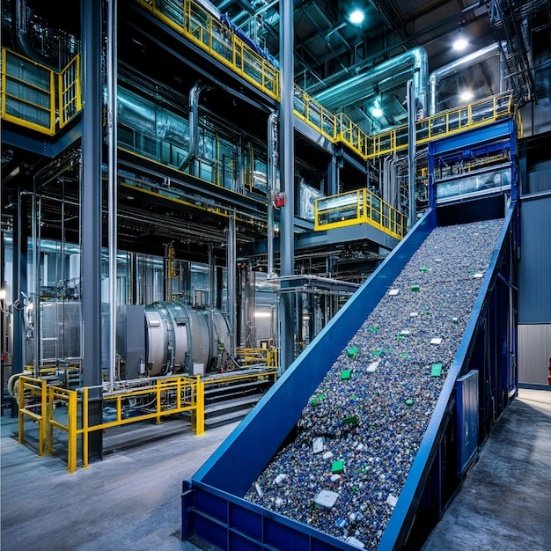
Batteries are shredded in controlled environments. Safety measures prevent ignition.
7.3 Hydrometallurgical Recovery
Chemical solutions dissolve metals for extraction. This method recovers:
- Lithium
- Cobalt
- Nickel
- Copper
7.4 Pyrometallurgical Recovery
High-temperature furnaces melt battery materials. Metals are separated based on melting points.
7.5 Environmental Benefits
Recycling reduces:
- Mining demand
- Carbon emissions
- Toxic waste
- Water pollution
8. Global Regulations and Standards
8.1 International Air Transport Association (IATA)
IATA regulates lithium battery transportation, including packaging and labeling.
8.2 International Electrotechnical Commission (IEC)
IEC standards define safe battery design and disposal practices.
8.3 National Regulations
Countries enforce disposal rules through environmental agencies. Operators must comply with local laws.
9. Best Practices for Drone Operators
- Maintain a battery log
- Monitor voltage and internal resistance
- Store batteries at 40–60% charge when not in use
- Use certified chargers
- Avoid physical stress or extreme temperatures
- Dispose of batteries promptly when damaged
10. Future Trends in Sustainable Drone Battery Disposal
10.1 Solid-State Batteries
Safer and more stable, reducing disposal risks.
10.2 Improved Recycling Technologies
New hydrometallurgical processes increase lithium recovery efficiency.
10.3 Circular Economy Models
Manufacturers may adopt “battery return programs” to reclaim materials.
10.4 AI—Driven Battery Health Monitoring
Predictive algorithms will reduce premature disposal.
11. Conclusion
Drone battery disposal is a critical component of responsible UAV operation. As drone usage expands globally, the volume of spent batteries will continue to rise. Proper disposal protects the environment, prevents fires, and supports sustainable resource recovery. By following structured procedures—identification, safe discharge, secure storage, and certified recycling—operators can ensure compliance with regulations and contribute to ecological preservation.
12. Suggested Follow—Up Topics
- Drone battery recycling methods
- LiPo battery safety guidelines
- Drone battery storage best practices
If you want, I can also generate SEO—optimized summaries, meta descriptions, or illustrated posters for this article.