
 EN
EN
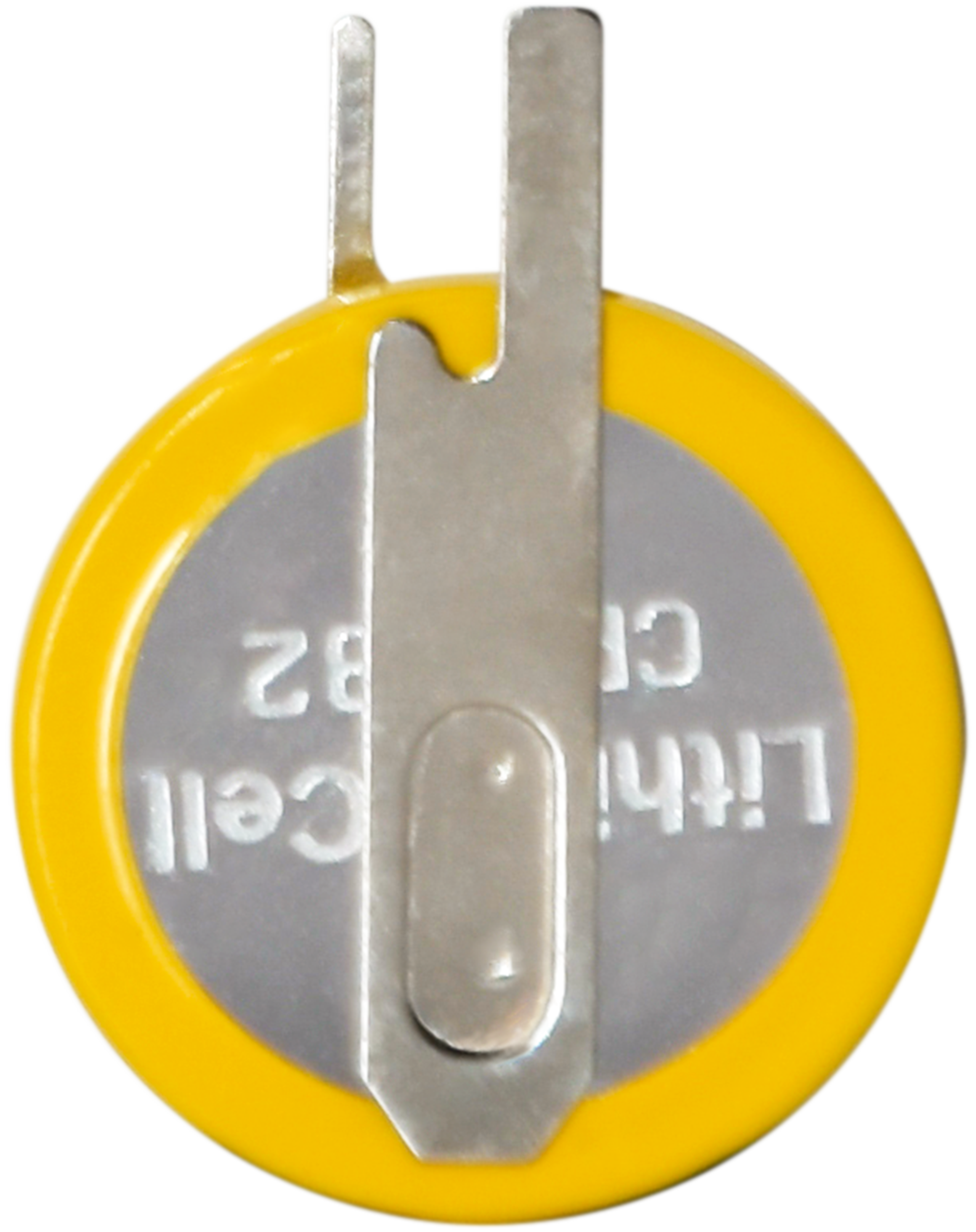
The rapid advancement of smart wearables and miniaturized sensors has created an unprecedented demand for compact, reliable power sources. These devices require batteries that can deliver consistent performance while occupying minimal space, making the lithium button cell an essential component in modern electronics. From fitness trackers monitoring heart rates to environmental sensors collecting atmospheric data, these small yet powerful energy sources enable the seamless operation of countless devices that have become integral to our daily lives. Understanding how these cells function within smart technology ecosystems reveals the sophisticated engineering behind our increasingly connected world.
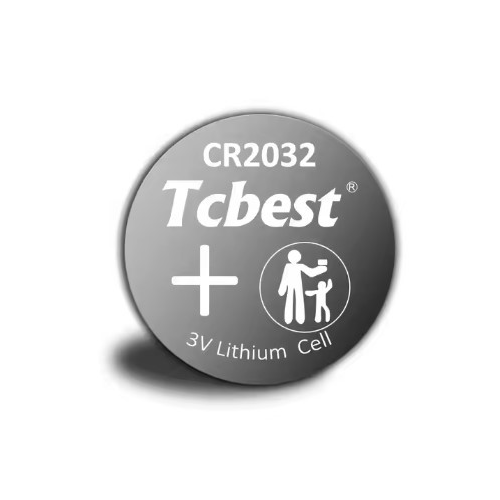
Power Requirements in Smart Wearable Technology
Energy Consumption Patterns in Wearable Devices
Smart wearables operate under unique power constraints that distinguish them from conventional electronic devices. These gadgets must balance computational capabilities with extended battery life, often requiring months or even years of continuous operation without battery replacement. The lithium button cell excels in this application due to its stable voltage output and low self-discharge rate, which ensures consistent performance throughout its operational lifetime. Wearable manufacturers carefully calibrate their devices to optimize power consumption, implementing sleep modes and efficient processing algorithms that maximize the utility of each lithium button cell.
The power demands of wearables vary significantly based on their functionality and user interaction patterns. Basic fitness trackers might consume only microamps during standby mode, while more advanced smartwatches with color displays and wireless connectivity can draw several milliamps during active use. This variability requires sophisticated power management systems that can dynamically adjust energy allocation based on real-time requirements, ensuring that the lithium button cell provides adequate power across all operational scenarios.
Voltage Stability and Performance Characteristics
The voltage stability of lithium button cells plays a crucial role in maintaining consistent wearable performance. Most smart wearables operate within narrow voltage ranges, typically between 2.7 and 3.6 volts, which aligns perfectly with the discharge characteristics of lithium-based cells. This compatibility eliminates the need for complex voltage regulation circuitry, reducing both device complexity and power consumption. The flat discharge curve of lithium button cells ensures that wearables maintain full functionality throughout most of the battery's operational life, providing users with reliable performance until replacement becomes necessary.
Temperature stability represents another critical advantage of lithium button cells in wearable applications. These devices must function reliably across various environmental conditions, from indoor climate-controlled environments to outdoor temperature extremes. The robust chemistry of lithium button cells maintains consistent performance across wide temperature ranges, ensuring that fitness trackers continue monitoring activities during winter runs or summer workouts without compromising accuracy or reliability.
Integration in Sensor Networks and IoT Devices
Miniaturized Sensor Applications
The Internet of Things revolution has spawned countless miniaturized sensors that rely on lithium button cells for their primary power source. These sensors monitor everything from soil moisture in agricultural applications to air quality in urban environments, requiring power sources that can operate reliably for extended periods without maintenance. The compact form factor of lithium button cell solutions enables sensor designers to create devices small enough for discrete installation while maintaining the energy capacity necessary for long-term operation.
Environmental sensors particularly benefit from the stable chemistry of lithium button cells, which resist degradation from humidity, temperature fluctuations, and other environmental stressors. This resistance ensures accurate sensor readings throughout the battery's operational life, maintaining data integrity in critical monitoring applications. The low self-discharge rate of these cells means that sensors can remain dormant for extended periods without significant power loss, making them ideal for applications requiring intermittent monitoring or emergency activation.
Wireless Communication and Data Transmission
Modern sensors increasingly incorporate wireless communication capabilities, enabling real-time data transmission to central monitoring systems or cloud-based platforms. These communication functions represent some of the most power-intensive operations in sensor networks, requiring brief but significant power draws during transmission events. Lithium button cells excel in these applications due to their ability to deliver high current pulses while maintaining voltage stability, ensuring reliable data transmission even as the battery approaches the end of its operational life.
The integration of low-power wireless protocols such as LoRaWAN, Zigbee, and Bluetooth Low Energy has revolutionized sensor network deployments, enabling devices to communicate over extended distances while minimizing power consumption. These protocols work synergistically with lithium button cells, creating sensor solutions that can operate for years without battery replacement while maintaining constant connectivity to broader monitoring networks.
Manufacturing and Design Considerations
Form Factor Optimization
The design of smart wearables and sensors requires careful consideration of form factor constraints, where every millimeter of space carries significant value. Lithium button cells offer unparalleled energy density in compact packages, enabling designers to allocate more space to sensors, processors, and user interface elements while maintaining adequate power reserves. The standardized dimensions of common lithium button cell formats facilitate design consistency across product lines and simplify manufacturing processes through component standardization.
Advanced packaging techniques continue to evolve, with some manufacturers developing custom lithium button cell configurations tailored to specific device requirements. These specialized cells might feature modified terminal configurations, enhanced sealing for improved moisture resistance, or optimized chemistry formulations for specific operating conditions. Such customizations demonstrate the flexibility of lithium button cell technology in meeting diverse application requirements while maintaining the fundamental advantages of compact size and reliable performance.
Quality Assurance and Reliability Standards
The critical role of lithium button cells in wearable and sensor applications demands rigorous quality assurance processes throughout the manufacturing chain. These cells must meet stringent reliability standards to ensure consistent performance across millions of deployed devices, requiring comprehensive testing protocols that evaluate performance under various stress conditions. Temperature cycling, vibration testing, and accelerated aging protocols verify that cells can withstand the mechanical and environmental stresses encountered in real-world applications.
Manufacturers implement sophisticated quality control measures including statistical process control, automated testing systems, and traceability programs that track individual cells throughout their production lifecycle. These measures ensure that each lithium button cell meets specifications for capacity, voltage, and internal resistance while maintaining the safety standards essential for consumer electronics applications. The resulting quality assurance provides device manufacturers with confidence in their power source selection and enables them to offer extended warranty periods to end users.
Future Developments and Technological Advances
Chemistry Improvements and Energy Density Enhancement
Research and development efforts continue to push the boundaries of lithium button cell technology, focusing on chemistry improvements that enhance energy density while maintaining the compact form factors essential for wearable and sensor applications. Advanced electrode materials and electrolyte formulations promise significant improvements in capacity and cycle life, potentially extending the operational lifetime of devices while reducing the frequency of battery replacements. These developments address growing consumer expectations for longer device lifespans and reduced maintenance requirements.
Nanotechnology applications in battery manufacturing offer promising avenues for performance enhancement, with nanostructured electrode materials potentially increasing surface area and improving charge transport characteristics. These advances could result in lithium button cells with significantly higher energy densities, enabling more powerful wearable devices or extending the operational lifetime of existing designs without increasing physical dimensions.
Sustainable Manufacturing and Recycling Initiatives
Environmental considerations increasingly influence lithium button cell development, with manufacturers investing in sustainable production processes and end-of-life recycling programs. These initiatives address growing concerns about electronic waste and resource conservation while maintaining the performance characteristics essential for wearable and sensor applications. Advanced recycling technologies enable the recovery of valuable materials from spent cells, reducing the environmental impact of battery production while supporting circular economy principles.
The development of biodegradable or more environmentally friendly alternative chemistries represents another frontier in sustainable battery technology. While maintaining the performance characteristics necessary for wearable and sensor applications, these alternative approaches could significantly reduce the environmental impact of widespread lithium button cell deployment in IoT networks and consumer electronics.
FAQ
How long do lithium button cells typically last in smart wearables
The lifespan of lithium button cells in smart wearables varies significantly based on device functionality and usage patterns. Basic fitness trackers with minimal displays and simple sensors can operate for 6-12 months on a single cell, while more advanced smartwatches with color displays and continuous connectivity may require replacement every 2-4 months. Factors such as screen brightness, wireless communication frequency, and sensor polling rates directly impact battery consumption and overall lifespan.
What makes lithium button cells suitable for miniaturized sensors
Lithium button cells excel in sensor applications due to their exceptional energy density, stable voltage output, and low self-discharge characteristics. Their compact form factor enables sensor designers to create extremely small devices while maintaining adequate power reserves for extended operation. The stable chemistry ensures consistent performance across wide temperature ranges and various environmental conditions, making them ideal for outdoor monitoring applications and industrial sensor networks.
Can lithium button cells handle the power demands of wireless communication
Yes, lithium button cells are well-suited for wireless communication applications due to their ability to deliver high current pulses while maintaining voltage stability. Modern low-power wireless protocols such as Bluetooth Low Energy, Zigbee, and LoRaWAN are specifically designed to work efficiently with button cell power sources, optimizing transmission patterns and power consumption to maximize battery life while maintaining reliable connectivity.
What safety considerations apply to lithium button cells in wearable devices
Lithium button cells used in wearables must meet strict safety standards including protection against short circuits, overheating, and physical damage from drops or impacts. Manufacturers implement multiple safety features such as pressure relief vents, current limiting devices, and robust sealing to prevent electrolyte leakage. Additionally, wearable device designs incorporate protective circuits and physical barriers to prevent accidental cell damage during normal use and charging operations.