
 EN
EN
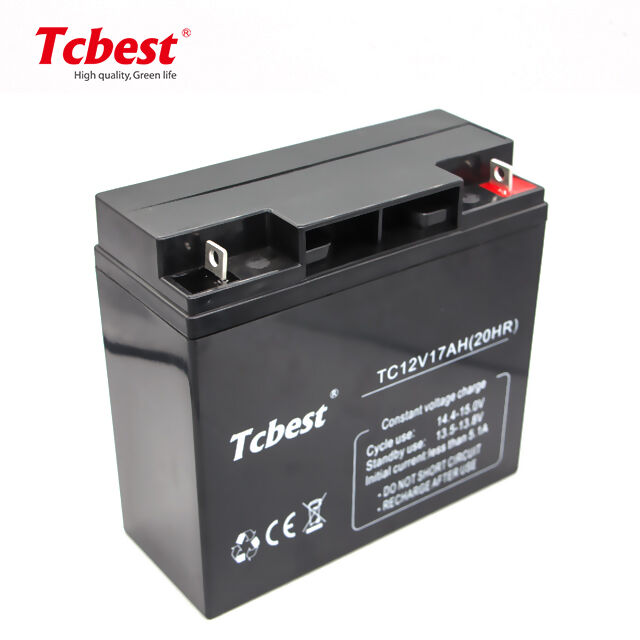
Proper storage and handling of lead acid batteries in bulk operations is critical for maintaining safety standards, extending battery life, and ensuring optimal performance across industrial applications. Whether you're managing warehouse inventory, operating a distribution center, or overseeing manufacturing facilities, understanding the fundamental principles of lead acid battery management can prevent costly accidents, reduce environmental risks, and maximize your investment return. The complexity of bulk battery storage requires comprehensive knowledge of chemical properties, environmental controls, and regulatory compliance measures that protect both personnel and equipment.

Essential Safety Protocols for Bulk Battery Storage
Ventilation Requirements and Air Quality Management
Adequate ventilation systems are paramount when storing large quantities of lead acid batteries, as these units naturally emit hydrogen gas during normal operation and charging cycles. Industrial facilities must implement mechanical ventilation systems capable of maintaining air exchange rates that prevent hydrogen concentration from reaching dangerous levels. The recommended minimum air exchange rate is six complete air changes per hour in enclosed storage areas, with additional exhaust fans positioned near floor level where hydrogen gas typically accumulates due to its lighter-than-air properties.
Temperature control within storage facilities directly impacts both safety and battery longevity, requiring climate-controlled environments that maintain consistent temperatures between 59°F and 77°F (15°C to 25°C). Extreme temperature fluctuations can cause thermal runaway conditions, accelerate corrosion processes, and reduce overall battery capacity. Advanced monitoring systems should continuously track ambient temperature, humidity levels, and gas concentrations, triggering automatic alerts when conditions exceed predetermined safety thresholds.
Fire Prevention and Emergency Response Systems
Fire suppression systems designed specifically for electrical equipment must be installed throughout bulk battery storage areas, utilizing specialized agents that effectively extinguish electrical fires without causing additional damage to sensitive equipment. Class C fire extinguishers containing dry chemical agents or carbon dioxide should be strategically positioned at regular intervals, with personnel trained in proper usage techniques and emergency evacuation procedures. Sprinkler systems using water-based suppression can exacerbate electrical hazards and should be avoided in primary storage zones.
Emergency response protocols must include detailed procedures for acid spill containment, with neutralizing agents and absorption materials readily available throughout the facility. Eyewash stations and safety showers should be installed within immediate reach of all battery handling areas, meeting OSHA requirements for emergency decontamination equipment. Regular safety drills and training sessions ensure that all personnel understand proper emergency procedures and can respond effectively to various incident scenarios.
Optimal Storage Environment Configuration
Structural Requirements and Floor Protection
Storage facilities housing bulk quantities of lead acid batteries require specialized flooring materials that resist acid corrosion and provide adequate structural support for concentrated weight loads. Epoxy-coated concrete floors with integrated drainage systems offer excellent chemical resistance while facilitating easy cleanup of minor spills or condensation. Secondary containment systems, including bermed areas or collection sumps, must accommodate at least 110% of the total electrolyte volume stored within each designated zone, ensuring compliance with environmental protection regulations.
Racking systems and storage configurations should distribute weight evenly across floor surfaces while maintaining accessibility for routine maintenance and inspection activities. Modular shelving units constructed from corrosion-resistant materials like powder-coated steel or aluminum provide flexible storage solutions that can accommodate various battery sizes and configurations. Proper spacing between storage units ensures adequate air circulation and allows personnel to safely navigate throughout the facility during normal operations and emergency situations.
Environmental Monitoring and Control Systems
Sophisticated monitoring systems track multiple environmental parameters simultaneously, providing real-time data on temperature, humidity, gas concentrations, and air quality metrics that directly impact battery performance and safety. Advanced sensors positioned throughout storage areas continuously measure hydrogen gas levels, triggering automatic ventilation adjustments when concentrations approach predetermined safety limits. These integrated systems generate detailed logs that demonstrate regulatory compliance and provide valuable data for optimizing storage conditions over time.
Humidity control systems maintain optimal moisture levels between 50% and 80% relative humidity, preventing excessive corrosion while avoiding static electricity buildup that could pose ignition risks. Dehumidification equipment removes excess moisture during humid weather conditions, while humidification systems prevent overly dry conditions that can accelerate electrolyte evaporation and reduce battery lifespan. Climate control automation ensures consistent environmental conditions regardless of external weather variations or seasonal changes.
Handling Procedures and Equipment Safety
Personal Protective Equipment Standards
Personnel handling lead acid batteries must wear appropriate personal protective equipment designed specifically for chemical and electrical hazards, including acid-resistant gloves, safety glasses with side shields, and protective clothing that covers exposed skin surfaces. Chemical-resistant aprons or coveralls provide additional protection against acid splashes during battery maintenance or installation procedures. Non-conductive footwear with slip-resistant soles prevents electrical hazards while providing secure footing on potentially wet or contaminated surfaces.
Respiratory protection may be required in areas where ventilation systems cannot adequately control airborne contaminants or during specific maintenance procedures that generate acid mists or vapors. Half-face respirators equipped with appropriate filter cartridges protect against sulfuric acid vapors, while full-face respirators offer enhanced protection during emergency response activities or confined space work. Regular fit testing and training ensure that protective equipment functions effectively and personnel understand proper usage techniques.
Material Handling Equipment and Techniques
Mechanical lifting equipment specifically designed for battery handling reduces physical strain on personnel while minimizing the risk of drops or impacts that could damage battery cases or create safety hazards. Battery lifting devices with adjustable gripping mechanisms accommodate various battery sizes and configurations, ensuring secure attachment during transport operations. Forklift attachments designed for lead acid battery handling incorporate specialized features like acid-resistant materials and adjustable spacing to safely manage bulk quantities without compromising operator safety.
Transport procedures must account for the substantial weight and potential hazards associated with moving multiple batteries simultaneously, requiring careful planning and coordination between team members. Rolling carts and dollies equipped with non-sparking wheels facilitate safe movement across facility floors while preventing static electricity generation that could create ignition sources. Proper lifting techniques and team coordination prevent back injuries and ensure controlled movement of heavy battery assemblies through narrow aisles or confined spaces.
Maintenance and Inspection Protocols
Routine Inspection Procedures
Regular visual inspections identify potential problems before they develop into serious safety hazards or performance issues, requiring systematic examination of battery cases, terminals, and connection points for signs of corrosion, cracking, or electrolyte leakage. Inspection schedules should align with manufacturer recommendations and regulatory requirements, typically involving monthly visual assessments and quarterly detailed examinations that include voltage testing and specific gravity measurements. Documentation of inspection results provides valuable trending data that helps predict maintenance needs and optimize replacement schedules.
Terminal cleaning and maintenance procedures remove corrosion buildup that can impair electrical connections and create resistance heating problems. Anti-corrosion sprays and protective coatings extend terminal life while simplifying future maintenance activities. Battery case cleaning removes accumulated dust and debris that can create conductive paths between terminals, using appropriate cleaning solutions that won't damage case materials or compromise structural integrity.
Performance Testing and Capacity Monitoring
Capacity testing procedures verify that stored batteries maintain acceptable performance levels and identify units requiring replacement before they fail in critical applications. Load testing equipment applies controlled discharge cycles while monitoring voltage and current characteristics to determine actual capacity compared to rated specifications. Regular capacity assessments help optimize inventory rotation and ensure that batteries deployed to field applications meet performance expectations.
Specific gravity measurements provide insights into electrolyte condition and state of charge, helping identify batteries that may require maintenance or replacement. Digital hydrometers offer accurate measurements while minimizing exposure to electrolyte solutions during testing procedures. Temperature compensation calculations ensure accurate readings regardless of ambient conditions, providing reliable data for maintenance decision-making processes.
Regulatory Compliance and Documentation
Federal and State Regulatory Requirements
Compliance with federal regulations including OSHA workplace safety standards, EPA environmental protection requirements, and DOT transportation regulations requires comprehensive understanding of applicable rules and regular updates as regulations evolve. Workplace safety programs must address chemical exposure limits, emergency response procedures, and training requirements that protect personnel from lead and sulfuric acid hazards. Environmental compliance includes proper waste management, spill prevention planning, and air quality monitoring that demonstrates adherence to emission standards.
State and local regulations may impose additional requirements beyond federal standards, particularly regarding waste disposal, air quality monitoring, and facility permitting processes. Regular consultation with regulatory agencies and industry associations helps ensure ongoing compliance and early identification of regulatory changes that may impact facility operations. Compliance audits conducted by qualified professionals verify that current practices meet all applicable requirements and identify areas for improvement.
Record Keeping and Documentation Systems
Comprehensive documentation systems track battery inventory, maintenance activities, inspection results, and compliance activities to demonstrate regulatory adherence and support quality management objectives. Digital record-keeping systems provide efficient data storage and retrieval capabilities while ensuring data integrity through automated backup procedures. Maintenance logs document all service activities, including dates, personnel involved, procedures performed, and results obtained, creating valuable historical records for trend analysis and predictive maintenance planning.
Training records demonstrate that personnel receive appropriate instruction in safety procedures, handling techniques, and emergency response protocols required for their job responsibilities. Certification tracking ensures that specialized training requirements remain current and personnel maintain necessary qualifications for their assigned duties. Regular documentation audits verify record accuracy and completeness while identifying opportunities for system improvements.
FAQ
What are the minimum ventilation requirements for bulk lead acid battery storage?
Bulk lead acid battery storage facilities require mechanical ventilation systems providing at least six complete air changes per hour to prevent hydrogen gas accumulation. Exhaust fans should be positioned near floor level where hydrogen typically collects, and intake air should enter from higher elevations to create proper air circulation patterns. Continuous monitoring systems should track hydrogen concentrations and automatically increase ventilation rates when gas levels approach safety thresholds.
How should temperature be controlled in battery storage areas?
Optimal storage temperatures for lead acid batteries range between 59°F and 77°F (15°C to 25°C) with minimal fluctuation to prevent thermal stress and capacity loss. Climate control systems should maintain consistent temperatures year-round, avoiding exposure to extreme heat that can accelerate corrosion or freezing conditions that may damage battery cases. Temperature monitoring systems should provide alerts when conditions exceed acceptable ranges and trigger automatic adjustment of HVAC systems.
What personal protective equipment is required when handling lead acid batteries?
Personnel must wear acid-resistant gloves, safety glasses with side shields, and protective clothing covering exposed skin when handling lead acid batteries. Chemical-resistant aprons or coveralls provide additional protection against acid splashes, while non-conductive footwear prevents electrical hazards. Respiratory protection may be necessary in poorly ventilated areas or during maintenance procedures that generate acid vapors or mists.
How often should bulk stored batteries be inspected?
Visual inspections should be conducted monthly to identify obvious problems like case damage, terminal corrosion, or electrolyte leaks, while comprehensive inspections including voltage testing and specific gravity measurements should occur quarterly. Annual capacity testing verifies performance levels and identifies batteries requiring replacement. Documentation of all inspection results provides valuable data for predictive maintenance and regulatory compliance demonstration.