
 EN
EN
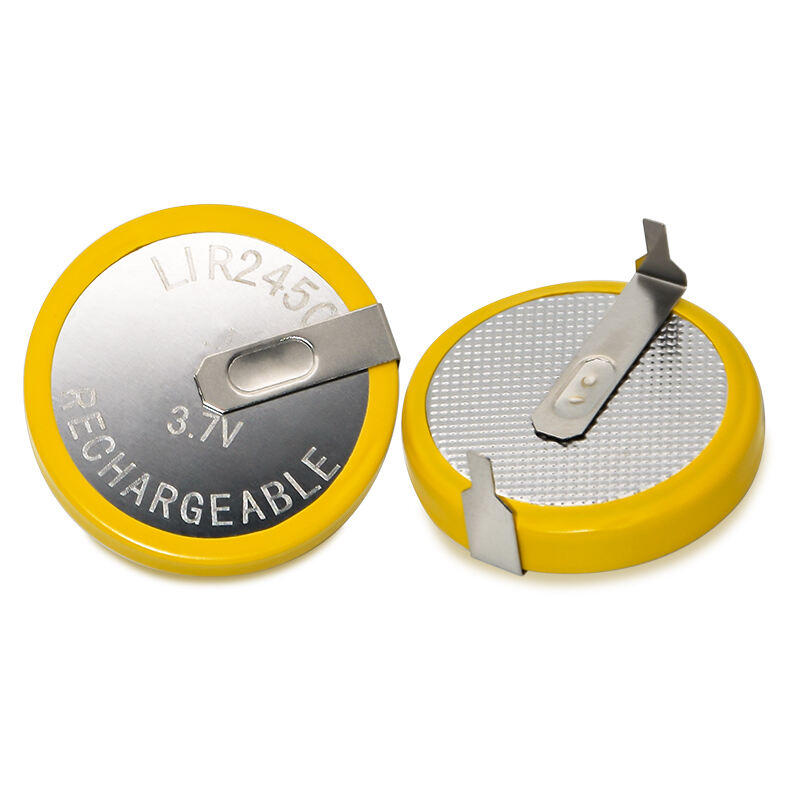
Safety considerations surrounding battery usage have become increasingly critical as electronic devices continue to proliferate across industrial and consumer applications. The compact design and reliable power output of button cell batteries make them indispensable components in countless devices, from medical equipment to automotive systems. However, these small powerhouses require careful handling and storage protocols to prevent potential hazards that could compromise both equipment functionality and user safety.
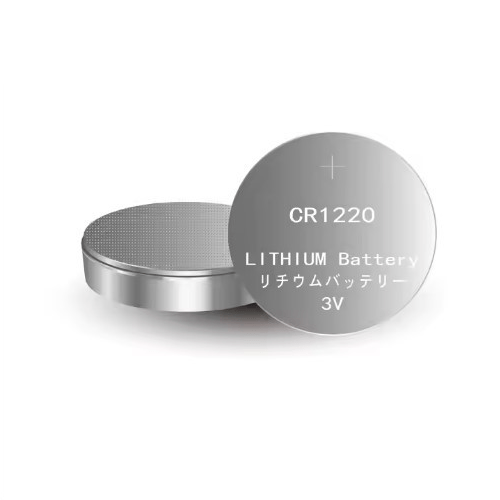
Understanding Battery Chemistry and Risk Factors
Chemical Composition and Potential Hazards
The unique chemical composition of these compact power sources presents specific safety challenges that users must understand thoroughly. Unlike traditional alkaline batteries, these cells contain lithium metal or lithium compounds that can react violently with water and certain other substances. The electrolyte solution within each cell maintains high conductivity but can cause severe chemical burns if it comes into contact with skin or eyes during battery rupture or damage.
Temperature sensitivity represents another critical factor in safe battery operation. Extreme heat can cause internal pressure buildup, potentially leading to cell rupture or explosion. Similarly, extremely cold temperatures can reduce battery performance and create internal stress that compromises structural integrity. Understanding these thermal limitations helps prevent dangerous situations in both storage and operational environments.
Identifying Signs of Battery Deterioration
Recognizing early warning signs of battery failure enables proactive safety measures that prevent more serious incidents. Physical deformation, including swelling, denting, or cracking of the battery casing, indicates internal chemical reactions that could lead to hazardous material release. Corrosion around battery terminals suggests electrolyte leakage that requires immediate attention and proper disposal procedures.
Unusual heating during normal operation signals internal short circuits or chemical reactions that could escalate rapidly. Any battery exhibiting excessive warmth should be removed from service immediately and disposed of according to established hazardous material protocols. Visual inspection of battery compartments should include checking for discoloration, residue buildup, or unusual odors that might indicate chemical leakage.
Proper Handling and Installation Procedures
Safe Installation Techniques
Correct installation procedures minimize the risk of battery damage and ensure optimal safety throughout the operational lifecycle. Clean, dry hands and appropriate tools prevent contamination that could accelerate corrosion or create unwanted chemical reactions. Battery orientation must align precisely with device specifications, as incorrect polarity can cause immediate damage to both the battery and the host device.
Gentle insertion techniques protect the delicate internal structure of each lithium button cell while ensuring proper electrical contact. Excessive force during installation can create micro-fractures in the cell casing that may not be immediately visible but could lead to failure over time. Using appropriate insertion tools, rather than fingers, reduces the risk of contamination and provides better control during the installation process.
Environmental Considerations During Handling
Environmental factors during battery handling significantly impact both immediate safety and long-term performance. Humidity control prevents moisture-related corrosion that could compromise battery integrity and create safety hazards. Working in well-ventilated areas ensures that any gases released during battery installation or removal disperse quickly without creating concentrated exposure risks.
Static electricity discharge represents a often-overlooked hazard that can damage sensitive battery components or trigger unwanted chemical reactions. Proper grounding techniques and anti-static work surfaces provide protection against electrical discharge that could compromise battery safety. Temperature-controlled work environments prevent thermal stress that might weaken battery casings or alter internal chemistry.
Storage and Transportation Safety Protocols
Optimal Storage Conditions
Proper storage environments extend battery life while minimizing safety risks associated with chemical degradation or physical damage. Temperature ranges between 15-25 degrees Celsius provide optimal conditions that prevent thermal stress while maintaining chemical stability. Humidity levels below 60% prevent moisture-related corrosion that could compromise battery casing integrity and create leakage risks.
Storage containers must provide protection against physical damage while allowing adequate ventilation to prevent gas accumulation from natural battery self-discharge. Metal containers should be avoided due to potential short-circuit risks, while approved plastic or cardboard storage solutions offer appropriate protection without creating electrical hazards. Separation of different battery types prevents cross-contamination and reduces the risk of unexpected chemical reactions.
Transportation Safety Requirements
Transportation regulations for lithium button cell batteries have evolved to address specific hazards associated with bulk shipping and handling. Proper packaging prevents short circuits that could occur when battery terminals contact each other or conductive materials during transit. Individual battery isolation using non-conductive separators ensures that accidental contact cannot create electrical pathways that might lead to heating or chemical reactions.
Documentation requirements for battery shipments help emergency responders understand potential hazards and appropriate response procedures in case of transportation incidents. Proper labeling indicates battery type, quantity, and relevant safety warnings that facilitate safe handling throughout the supply chain. Understanding shipping regulations prevents legal complications while ensuring that safety protocols are maintained during transportation.
Device Integration and Compatibility Safety
Electrical Compatibility Assessment
Ensuring electrical compatibility between batteries and host devices prevents dangerous situations that could arise from mismatched specifications or inappropriate applications. Voltage ratings must match device requirements precisely, as overvoltage conditions can damage sensitive electronic components and create fire hazards. Current draw calculations help determine whether battery capacity can safely support device operation without excessive heating or premature failure.
Circuit protection features within host devices provide additional safety layers that prevent dangerous conditions during battery operation. Overcurrent protection prevents excessive discharge rates that could cause battery heating or rupture, while undervoltage protection extends battery life and prevents deep discharge conditions that might compromise safety. Understanding these protection mechanisms helps users select appropriate battery types for specific applications.
Long-term Monitoring and Maintenance
Regular monitoring of battery performance indicators enables early detection of potential safety issues before they escalate into dangerous situations. Voltage measurements using appropriate testing equipment provide insights into battery condition and remaining capacity. Significant voltage drops under load conditions may indicate internal resistance increases that could lead to heating during operation.
Physical inspection schedules help identify corrosion, leakage, or other signs of battery deterioration that require immediate attention. Documentation of battery installation dates and performance measurements creates valuable data for predicting replacement needs and preventing unexpected failures. Proactive replacement of aging batteries eliminates the safety risks associated with end-of-life battery behavior.
Emergency Response and Disposal Procedures
Incident Response Protocols
Effective emergency response procedures minimize the impact of battery-related incidents while protecting personnel and equipment from further damage. Immediate isolation of damaged batteries prevents escalation of chemical reactions or electrical hazards that could affect surrounding equipment or personnel. Personal protective equipment, including chemical-resistant gloves and safety glasses, provides essential protection during emergency response activities.
Ventilation improvements in areas where battery incidents occur help disperse potentially harmful gases that might be released during battery failure. Emergency contacts for hazardous material response teams ensure that professional expertise is available when incidents exceed the capabilities of on-site personnel. Documentation of incident details provides valuable information for preventing similar occurrences and improving safety protocols.
Proper Disposal Methods
Environmental responsibility and safety considerations make proper disposal of lithium button cell batteries essential for protecting both human health and environmental resources. Specialized recycling facilities have the equipment and expertise necessary to safely process battery materials and recover valuable components while preventing environmental contamination. Local hazardous waste collection programs provide convenient disposal options that ensure batteries receive appropriate treatment.
Preparation of batteries for disposal includes steps to minimize safety risks during handling and transportation to disposal facilities. Terminal protection prevents accidental short circuits that could create heating or chemical reactions during the disposal process. Proper packaging and labeling ensure that disposal facility personnel understand the nature of materials they are handling and can take appropriate safety precautions.
FAQ
What should I do if a lithium button cell starts to swell or leak
Immediately remove the battery from the device using appropriate tools while wearing protective gloves and safety glasses. Place the damaged battery in a non-metallic container and store it in a well-ventilated area away from heat sources and flammable materials. Contact your local hazardous waste disposal facility for proper disposal instructions, and clean any contaminated surfaces with appropriate neutralizing agents while avoiding skin contact with leaked materials.
How can I prevent my devices from being damaged by old lithium button cell batteries
Establish regular battery replacement schedules based on manufacturer recommendations and usage patterns rather than waiting for complete battery failure. Monitor device performance for signs of declining battery capacity, such as shortened operating times or reduced functionality. Remove batteries from devices that will be stored for extended periods, and inspect battery compartments regularly for signs of corrosion or leakage that might indicate battery deterioration.
Are there specific temperature limits I should follow when storing lithium button cell batteries
Store batteries in environments maintained between 15-25 degrees Celsius to optimize both safety and performance characteristics. Avoid exposure to temperatures above 60 degrees Celsius, which can cause internal pressure buildup and potential rupture, or below -20 degrees Celsius, which may damage internal components and reduce safety margins. Protect batteries from direct sunlight and heat sources such as heating vents or electronic equipment that generates significant thermal output.
What safety equipment should I have available when working with lithium button cell batteries
Essential safety equipment includes chemical-resistant gloves, safety glasses, and appropriate ventilation systems to manage potential chemical exposures. Keep neutralizing agents suitable for lithium compounds readily available, along with non-metallic containers for storing damaged batteries. Maintain first aid supplies specifically designed for chemical exposure incidents, including eye wash solutions and emergency contact information for poison control centers and hazardous material response teams.
Table of Contents
- Understanding Battery Chemistry and Risk Factors
- Proper Handling and Installation Procedures
- Storage and Transportation Safety Protocols
- Device Integration and Compatibility Safety
- Emergency Response and Disposal Procedures
-
FAQ
- What should I do if a lithium button cell starts to swell or leak
- How can I prevent my devices from being damaged by old lithium button cell batteries
- Are there specific temperature limits I should follow when storing lithium button cell batteries
- What safety equipment should I have available when working with lithium button cell batteries