
 EN
EN
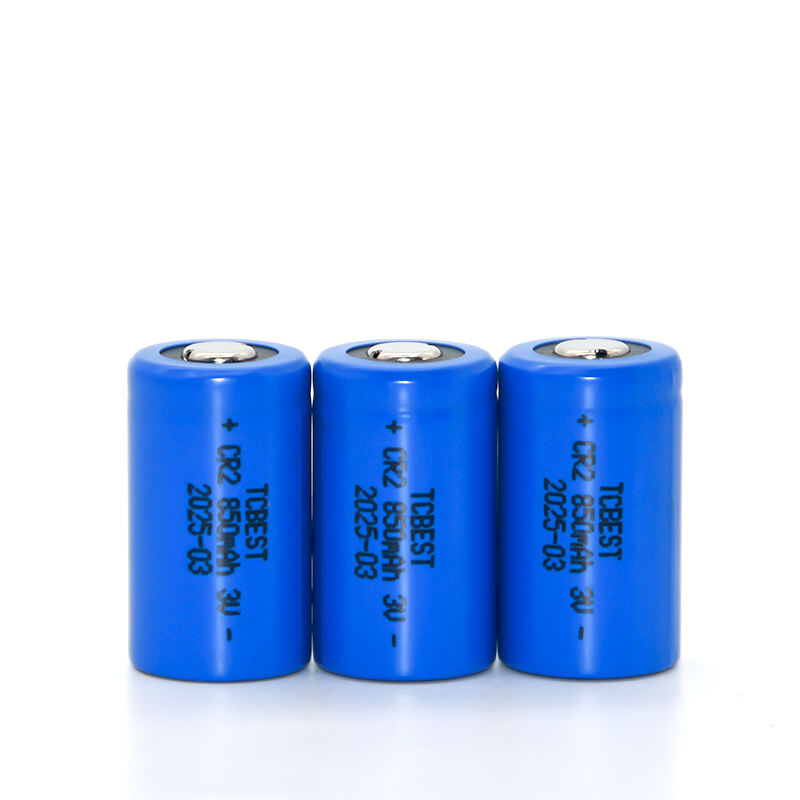
Modern electronic devices rely heavily on advanced power storage solutions, with the lithium ion rechargeable battery serving as the backbone of portable technology. These sophisticated energy storage systems have revolutionized how we interact with smartphones, laptops, electric vehicles, and countless other applications. Understanding proper maintenance techniques for these batteries can significantly extend their operational lifespan and maintain optimal performance throughout their service life.
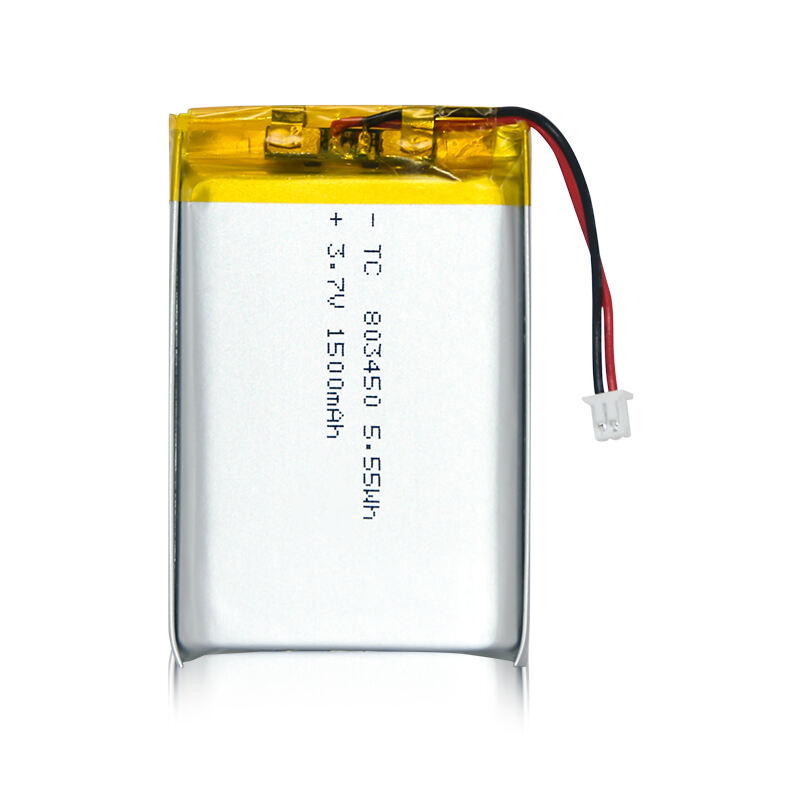
Battery degradation represents one of the most significant challenges facing electronic device manufacturers and consumers alike. The electrochemical processes within lithium ion cells gradually reduce capacity over time, leading to shorter operating periods and decreased device reliability. However, implementing strategic maintenance practices can dramatically slow this degradation process and preserve battery health for extended periods.
Understanding Lithium Ion Battery Chemistry
Electrochemical Fundamentals
The operational principles of lithium ion technology involve complex electrochemical reactions between lithium compounds and various electrode materials. During charging cycles, lithium ions migrate from the cathode to the anode through an electrolyte solution, storing electrical energy in chemical bonds. This process reverses during discharge, releasing stored energy to power connected devices.
Understanding these fundamental processes helps explain why certain maintenance practices prove more effective than others. The migration of lithium ions creates microscopic structural changes within electrode materials, gradually reducing the battery's ability to store and deliver electrical energy. Temperature, charging rates, and depth of discharge all influence the severity of these structural modifications.
Degradation Mechanisms
Several factors contribute to the gradual decline in battery performance over time. Solid electrolyte interface layer formation occurs naturally during charging cycles, consuming active lithium and reducing overall capacity. Additionally, electrode material expansion and contraction during charge cycles can cause mechanical stress and structural damage.
Electrolyte decomposition represents another significant degradation pathway, particularly at elevated temperatures or extreme voltage levels. These chemical reactions produce byproducts that interfere with normal ion transport, increasing internal resistance and reducing efficiency. Understanding these mechanisms enables more effective maintenance strategies.
Optimal Charging Practices
Charging Frequency and Depth
Contrary to popular belief, frequent partial charging cycles actually benefit lithium ion rechargeable battery longevity compared to complete discharge cycles. Modern battery management systems optimize charging algorithms to minimize stress on electrochemical components. Maintaining charge levels between twenty and eighty percent significantly reduces electrode stress and extends operational lifespan.
Deep discharge cycles, where batteries drain completely before recharging, create unnecessary stress on lithium ion cells. These extreme discharge events can trigger protective circuits and potentially damage electrode structures. Instead, topping off batteries regularly prevents voltage levels from dropping to potentially harmful levels.
Charging Rate Considerations
Fast charging capabilities have become increasingly important in modern devices, but excessive charging rates can accelerate battery degradation. High current levels generate internal heat and create electrochemical stress within battery cells. While convenient, frequent fast charging should be balanced with slower charging sessions when time permits.
Overnight charging with standard chargers typically provides optimal conditions for battery health. These slower charging rates allow adequate time for lithium ion distribution throughout electrode materials and minimize heat generation. Smart charging systems automatically adjust current levels based on battery temperature and state of charge.
Temperature Management Strategies
Heat Mitigation Techniques
Temperature control represents one of the most critical factors in maintaining battery health and performance. Elevated temperatures accelerate chemical reactions within lithium ion cells, leading to faster degradation and reduced lifespan. Keeping devices cool during charging and operation significantly improves long-term battery performance.
Direct sunlight, enclosed spaces, and high-performance applications can all contribute to excessive battery temperatures. Using devices in well-ventilated areas and avoiding extreme environmental conditions helps maintain optimal operating temperatures. Many modern devices include thermal management systems that automatically reduce performance to prevent overheating.
Cold Weather Considerations
While heat poses significant risks to battery health, extremely cold temperatures also impact performance and longevity. Low temperatures reduce ion mobility within electrolyte solutions, decreasing available capacity and increasing internal resistance. However, cold storage actually slows degradation reactions when batteries are not actively used.
Allowing batteries to warm to room temperature before use ensures optimal performance in cold environments. Gradual warming prevents thermal shock and maintains electrochemical stability. For long-term storage, moderately cool temperatures around fifteen degrees Celsius provide ideal conditions for preserving battery health.
Storage and Maintenance Protocols
Long-Term Storage Guidelines
Proper storage techniques become essential when devices remain unused for extended periods. Storing batteries at full charge or complete discharge can accelerate degradation processes and reduce overall lifespan. The optimal storage charge level typically falls between forty and sixty percent of full capacity.
Regular maintenance charging every three to six months prevents batteries from entering deep discharge states during storage. These periodic charging sessions maintain electrolyte conductivity and prevent protective circuit activation. Climate-controlled environments with stable temperatures further enhance storage conditions.
Usage Pattern Optimization
Developing consistent usage patterns helps maintain battery health and predictable performance characteristics. Avoiding extreme discharge events and maintaining regular charging schedules allows battery management systems to optimize performance parameters. Consistent patterns also enable more accurate capacity estimation and health monitoring.
Rotating between multiple devices when possible distributes wear across different battery units, extending the overall lifespan of equipment fleets. This approach proves particularly valuable in professional environments where device reliability remains critical for operational success.
Advanced Maintenance Techniques
Battery Calibration Procedures
Periodic calibration helps maintain accurate battery level indicators and ensures optimal charging algorithms. This process involves allowing the lithium ion rechargeable battery to discharge completely, then charging to full capacity without interruption. Calibration should occur infrequently, approximately every few months, to avoid unnecessary stress on battery components.
Modern battery management systems continuously monitor charge states and adjust algorithms accordingly, reducing the need for manual calibration in many applications. However, occasional calibration cycles help maintain synchronization between actual capacity and displayed charge levels, ensuring accurate power management.
Monitoring and Diagnostics
Regular monitoring of battery performance indicators provides early warning of potential issues and degradation trends. Many devices include built-in diagnostic tools that track charge cycles, capacity retention, and internal resistance measurements. These metrics help identify when batteries require replacement or maintenance attention.
Third-party monitoring applications often provide more detailed analytics and historical trend analysis. These tools enable proactive maintenance scheduling and help optimize usage patterns based on individual device characteristics and application requirements.
Environmental and Safety Considerations
Safe Handling Practices
Proper handling techniques ensure both battery longevity and user safety throughout the device lifecycle. Avoiding physical damage, punctures, or excessive pressure prevents internal short circuits and potential safety hazards. Swollen or damaged batteries require immediate attention and professional disposal services.
Using manufacturer-approved charging equipment ensures compatibility and safety compliance. Third-party chargers may not implement proper voltage regulation or thermal protection, potentially damaging batteries or creating safety risks. Original equipment manufacturer accessories typically provide optimal charging profiles for specific battery configurations.
Environmental Impact Mitigation
Extending battery lifespan through proper maintenance reduces environmental impact and resource consumption associated with battery production and disposal. The manufacturing process for lithium ion cells requires significant energy and raw materials, making longevity improvements environmentally beneficial.
Proper disposal and recycling programs ensure valuable materials are recovered and hazardous components are handled safely. Many manufacturers and retailers offer take-back programs for end-of-life batteries, supporting circular economy principles and environmental sustainability goals.
FAQ
How often should I charge my lithium ion rechargeable battery?
You should charge your lithium ion rechargeable battery whenever convenient, preferably before it drops below twenty percent capacity. Frequent partial charging is actually better for battery health than waiting for complete discharge. Avoid letting the battery fully drain regularly, as this creates unnecessary stress on the cells and can reduce overall lifespan.
What temperature range is best for battery storage and operation?
The optimal temperature range for lithium ion battery operation is between fifteen and twenty-five degrees Celsius. For long-term storage, slightly cooler temperatures around ten to fifteen degrees Celsius are ideal. Avoid exposing batteries to temperatures above forty degrees Celsius or below freezing, as extreme temperatures can permanently damage cells and reduce capacity.
Can I leave my device plugged in overnight without damaging the battery?
Modern devices with proper battery management systems can safely remain plugged in overnight without significant damage. These systems automatically reduce charging current when batteries reach full capacity and implement trickle charging to maintain charge levels. However, consistently keeping batteries at one hundred percent charge may slightly accelerate long-term degradation compared to maintaining charge levels between forty and eighty percent.
How do I know when my lithium ion battery needs replacement?
Replace your lithium ion rechargeable battery when it retains less than seventy percent of its original capacity, experiences significant swelling, or fails to hold charge for reasonable periods. Most devices provide battery health indicators in system settings, showing current capacity relative to design specifications. Professional diagnostic tools can provide more detailed analysis of battery condition and remaining useful life.