
 EN
EN
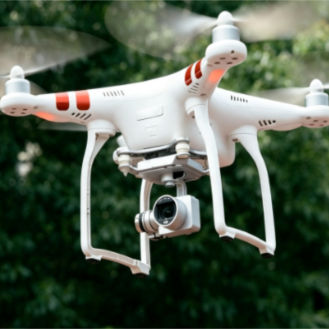
Most drone pilots rely solely on mAh ratings to judge battery performance, believing that a higher milliamp-hour value guarantees longer flight time. This is a widespread misconception. In truth, a drone’s real-world flight duration is determined by a combination of battery specifications, aircraft configuration, environmental conditions, and piloting techniques. Even two identical drones paired with the same batteries can yield vastly different flight times due to varying flight environments and operating styles. This guide elaborates on the core factors influencing drone battery flight time, clarifies battery lifespan limitations, and shares actionable solutions to maximize the utility of every single charge.
Typical Real-World Drone Flight Times
Flight time varies significantly across different drone models, battery configurations and flight styles. Unlike the idealized lab data released by manufacturers, real-world flight times account for throttle fluctuations, air resistance and additional equipment weight. The following are authoritative baseline flight durations for mainstream drone setups:
Drone Type |
Common Battery Specs |
Typical Flight Time |
Key Variable Factors |
5" FPV Freestyle |
4S/6S 1300–1500mAh |
3–6 min |
Aggressive throttle bursts, camera weight, high-performance propellers |
5" FPV Cinematic Cruise |
6S 1100–1500mAh |
6–10 min |
Efficient prop setup, smooth throttle control, steady flight |
3" Cinewhoop |
4S/6S 850–1100mAh |
4–8 min |
Duct air resistance, payload weight, flight tuning precision |
7" Long Range |
6S 2200–4000mAh |
10–25+ min |
Cruise speed, wind conditions, motor-propeller matching |
Consumer Camera Drone |
Factory smart battery pack |
20–40+ min |
Wind, temperature, additional payload |
A vital rule for all drone LiPo batteries is that the above flight times are calculated with a safe battery reserve retained. Fully draining a LiPo battery after each flight will cause irreversible internal damage, accelerate aging, and result in battery swelling and persistent voltage instability over time.
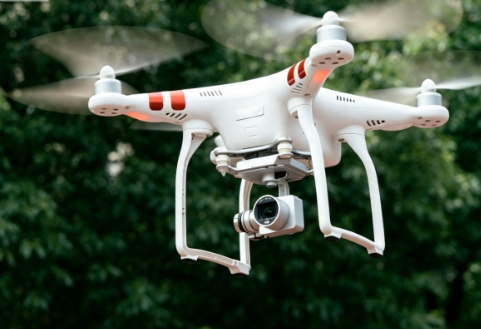
Flight Time vs. Battery Lifespan: Two Key Metrics
When pilots ask “how long does a drone battery last”, they are actually referring to two independent core metrics: single-charge flight time and total battery service lifespan measured by charge cycles.
Single-charge flight time refers to the usable flight minutes per full charge, while battery lifespan indicates the number of charge cycles a battery can undergo before its performance degrades and replacement becomes necessary. Standard drone LiPo batteries support 200 to 300 charge cycles under regular use, and can reach 300 to 500+ cycles with standardized, careful maintenance.
Most battery performance degradation is caused by avoidable daily usage habits. The standardized practices below can effectively extend your battery’s service life:
Bad Habit |
Consequence |
Best Practice |
Full deep discharge per flight |
Rapid aging, battery puffing, severe voltage sag |
Always land with a safe battery reserve |
Store fully charged or empty batteries |
Continuous chemical degradation |
Store batteries at 3.75–3.85V per cell |
Charge hot batteries post-flight |
Internal cell stress, reduced capacity |
Let batteries cool completely before charging |
Fly cold batteries in low temperatures |
Extreme voltage sag, premature low-power alerts |
Pre-warm batteries before cold-weather flights |
Why Higher mAh Doesn’t Always Mean Longer Flight Time
The most prevalent myth surrounding drone battery usage is that increasing mAh capacity directly translates to longer flight time. Many pilots upgrade their batteries from 1300mAh to 1800mAh, expecting a 38% improvement in flight duration, yet rarely achieve this effect. The fundamental cause is the weight penalty brought by high-capacity batteries.
Batteries with larger capacity are inevitably heavier. The extra weight forces drone motors to operate at a higher throttle level to maintain stable flight, which increases current draw and overall energy consumption. The increased energy storage from a higher-mAh battery is largely offset by reduced flight efficiency.
Authentic battery performance depends on three core factors, rather than capacity alone: stored energy (mAh), flight efficiency (energy consumption rate), and load voltage stability (resistance to voltage sag). A battery may still have residual energy left but fail to deliver sufficient and stable current for normal flight, triggering premature low-voltage alerts.
Seven Key Factors That Reduce Drone Flight Time
1. All-Up Weight (AUW)
Extra payloads, including action cameras, mounting brackets, extended battery wires and unused accessories, increase the drone’s all-up weight (AUW). Heavier drones require continuous higher throttle output to maintain altitude, which significantly boosts power consumption. Reducing redundant weight is the simplest and most effective way to extend flight time.
2. Propeller Selection
High-pitch propellers deliver agile and responsive flight performance for freestyle aerobatics but consume far more electric current. For aerial cruising and cinematic shooting scenarios, low-pitch high-efficiency propellers can reduce power draw while maintaining flight stability, effectively prolonging overall flight duration.
3. Motor KV and Prop Matching
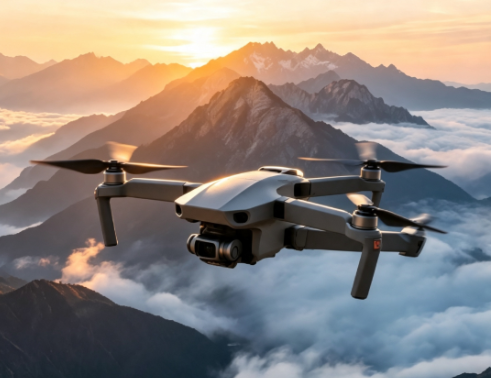
A mismatched combination of motor KV rating, battery voltage and propeller size will lead to severe flight inefficiency. This mismatch causes motor overheating, energy waste and shortened flight time. Reasonable matching of hardware specifications is essential to avoid unnecessary energy loss.
4. Battery Quality and C Rating
Batteries with high internal resistance or low discharge (C) ratings cannot meet high current output demands. This leads to obvious voltage sag during throttle bursts, premature low-battery reminders and shortened flight time. High-quality batteries with appropriate discharge ratings can maintain stable voltage output under full flight loads.
5. Wind and Flight Speed
Flying against headwinds requires motors to output extra power to maintain stable speed and position, resulting in surging power consumption. Additionally, frequent abrupt speed changes drain battery power much faster than steady cruising flight.
6. Poor Tuning and Vibration
Improper flight tuning, unbalanced propellers and excessive vibration all cause substantial energy waste. These problems trigger motor overheating and unstable flight states, leading to inconsistent power consumption and noticeable reductions in flight duration.
7. Aggressive Piloting Style
Frequent full-throttle bursts, sudden throttle adjustments and forced flight recoveries consume massive amounts of power. In contrast, smooth and stable throttle control paired with optimized flight paths can greatly reduce unnecessary energy waste.
Practical Ways to Extend Flight Time Without Upgrading Gear
You do not need new batteries or hardware upgrades to achieve longer flight times. The following simple operational and setup adjustments can deliver immediate improvements without compromising flight fun and performance:
Reduce redundant weight: Remove unused mounting accessories, trim redundant battery straps and wires, and eliminate unnecessary peripherals to lower the drone’s all-up weight.
Match propellers to flight scenarios: Retain high-pitch propellers for freestyle aerobatics, and switch to low-pitch high-efficiency propellers for cruising and filming. Conduct comparative tests on fixed flight routes with different propellers to evaluate voltage stability and actual flight duration.
Select batteries by comprehensive performance, not just mAh: Prioritize batteries with low internal resistance and stable load voltage performance over pure high capacity.
Optimize flight strategy in windy conditions: Fly outbound against the wind and return with tailwind assistance to reduce motor load and conserve battery power effectively.
Eliminate mechanical inefficiencies: Regularly inspect for bent propellers, loose screws and unbalanced components to eliminate abnormal vibration and motor overheating.
Battery Buying Checklist
Refer to this quick checklist before purchasing new drone batteries to avoid mismatched equipment and subpar flight performance:
- Severe voltage sag during throttle bursts? Upgrade to a high-quality battery or reduce propeller load. 2. Overheated motors after gentle flights? Adjust flight tuning and verify the matching of motors, propellers and battery voltage. 3. Newly added camera or payload accessories? Reduce overall weight or adopt a compatible battery setup. 4. Unstable flight time under different weather conditions? Pre-warm batteries and adjust flight strategies for windy environments.
Conclusion
Is a higher mAh rating always better?
No. Higher-capacity batteries add extra weight and reduce flight efficiency. Always balance battery capacity with the drone’s weight and actual power demand.
Why do I have to land early with remaining battery power?
Voltage sag under flight load reduces effective operating voltage, triggering low-power alerts even when the battery still has residual capacity.
What factors drain drone batteries the fastest?
Aggressive throttle operations, headwind resistance, excessive payload weight and mismatched hardware are the leading causes of rapid battery drain.
Does cold weather reduce drone flight time?
Yes. Low temperatures increase battery internal resistance, causing severe voltage sag and significantly shortened flight duration.
How many charge cycles can a LiPo battery last?
Standard LiPo batteries support 200–300 cycles under daily use, and 300–500+ cycles with scientific maintenance.
What is the optimal single-cell landing voltage to extend battery life?
Land your drone at a single-cell voltage of 3.8–3.9V to avoid deep discharge damage and maximize battery service life.
This article corrects the myth that higher mAh equals longer drone flight time. It covers real flight time data, battery lifespan, key influential factors, practical improvement methods, a battery purchasing checklist and professional FAQs to help pilots optimize flight duration and battery health.
Table of Contents
- Typical Real-World Drone Flight Times
- Flight Time vs. Battery Lifespan: Two Key Metrics
- Why Higher mAh Doesn’t Always Mean Longer Flight Time
- Seven Key Factors That Reduce Drone Flight Time
- Practical Ways to Extend Flight Time Without Upgrading Gear
- Battery Buying Checklist
-
Conclusion
- Is a higher mAh rating always better?
- Why do I have to land early with remaining battery power?
- What factors drain drone batteries the fastest?
- Does cold weather reduce drone flight time?
- How many charge cycles can a LiPo battery last?
- What is the optimal single-cell landing voltage to extend battery life?