
 EN
EN
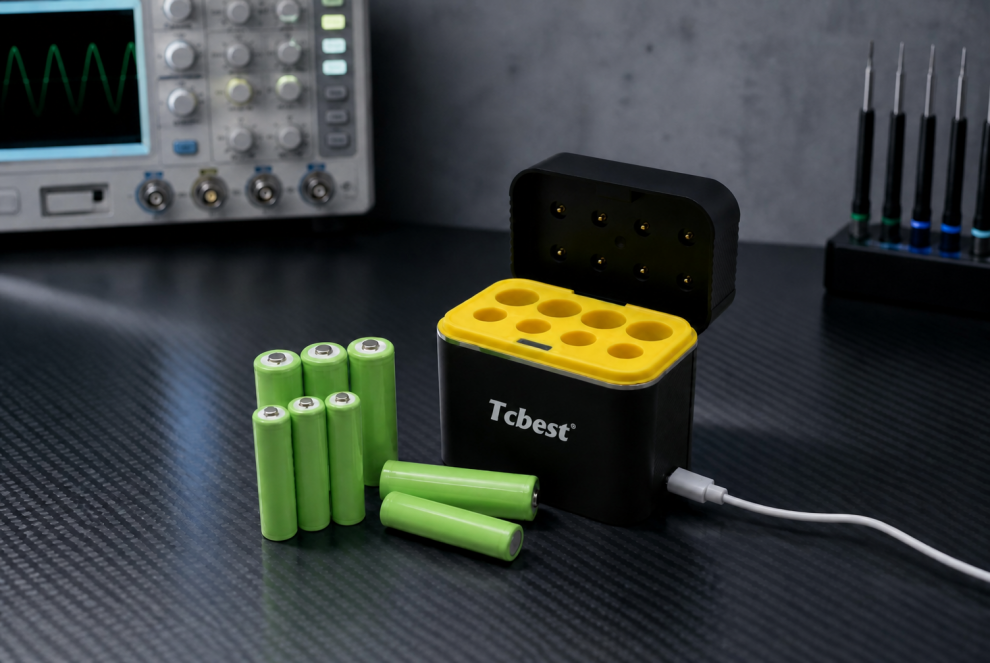
NiMH batteries are found in all kinds of everyday products, from toys and cameras to electric shavers, wireless devices, emergency lights, and industrial equipment. They are rechargeable, widely available, and often more economical than disposable batteries when a device is used regularly.
A standard NiMH cell has a nominal voltage of 1.2V. It usually offers more capacity than an older NiCd cell of a similar size and does not contain cadmium. Modern NiMH batteries also have far fewer memory-effect concerns than older nickel-based batteries.
That does not mean every NiMH battery will perform the same way. Choosing the right model and treating it correctly can make a noticeable difference to runtime, charging safety, and service life.
1. Start with the Voltage Required by Your Device
Before checking capacity or battery size, confirm the voltage your equipment needs.
One NiMH cell provides 1.2V. When several cells are connected in series, their voltages are added together. A two-cell pack delivers 2.4V, a three-cell pack delivers 3.6V, and a six-cell pack delivers 7.2V.
Using the wrong voltage may cause poor performance or damage the equipment. A higher voltage is not automatically better.
Look Beyond the Physical Size
Two batteries can look almost identical but have different capacities, current capabilities, connectors, and charging requirements. This is especially common with custom battery packs.
Before ordering a replacement, check the battery label and equipment manual. You may need to confirm the voltage, capacity, dimensions, polarity, connector type, wire length, and operating current.
2. Choose Capacity Based on How the Product Is Used
NiMH battery capacity is measured in milliampere-hours, or mAh. In general, a higher-capacity battery can run a device for longer. However, the number printed on the label is only part of the story.
Actual runtime also depends on how much current the device draws, how old the battery is, and the temperature in which it operates. A motorized toy, for example, may use the same battery size as a remote control but require far more power.
Maximum Capacity Is Not Always Necessary
For a camera, toy, or portable instrument used every day, a high-capacity NiMH battery can be useful. For a flashlight or remote control that spends most of its time sitting in a drawer, a low-self-discharge model may be the smarter option.
Low-self-discharge batteries are designed to hold their charge for longer while stored. Although their rated capacity may sometimes be lower, they can be more dependable in devices that are only used occasionally.
3. Make Sure the Battery Can Handle the Load
NiMH batteries work well in many products that draw moderate or relatively high current. Common examples include digital cameras, electric toys, game controllers, two-way radios, cordless phones, personal care devices, flashlights, medical equipment, and portable measuring instruments.
Their reusable design makes them especially practical for products that would otherwise consume disposable batteries quickly.
Pay Attention to Current, Not Just Capacity
A large capacity does not always mean that a battery can deliver high current effectively. If the battery is not designed for the device’s power demand, its voltage may drop during operation. The equipment may then shut down even though the battery is not completely empty.
The battery may also become warmer than expected. For power-hungry products, check both the capacity and discharge-current specifications.
4. Expect Some Charge Loss During Storage
All rechargeable batteries lose some energy while sitting unused. With NiMH batteries, the amount depends on the cell design, age, storage temperature, and length of storage.
Traditional high-capacity NiMH batteries may lose charge relatively quickly. Low-self-discharge versions are better at retaining energy and are often more suitable for standby devices.
Keep Stored Batteries Away from Heat
A hot storage area can speed up self-discharge and battery aging. Avoid leaving NiMH batteries in direct sunlight, beside heating equipment, or inside a hot vehicle.
If a battery has been stored for several months, charge it before relying on it for an important task. It is also sensible to remove batteries from equipment that will not be used for a long period. This helps prevent gradual over-discharge and reduces the risk of device damage if a battery leaks.
5. Do Not Wait Until the Battery Is Completely Empty
You do not need to fully drain a modern NiMH battery before charging it. In fact, repeatedly running it down to an extremely low level may reduce its useful life.
The risk is greater in a pack containing several cells. The cells may not empty at exactly the same time. If the device continues running after the weakest cell is depleted, that cell can be forced into reverse polarity and may suffer permanent damage.
Recharge When Performance Begins to Drop
A slowing motor, dimmer light, unstable operation, or low-battery warning usually means it is time to recharge. Do not keep pushing the device until it stops completely.
Partial charging is acceptable for modern NiMH batteries. The old habit of performing a full discharge before every charge is generally unnecessary.
6. Use a Charger Made for NiMH Batteries
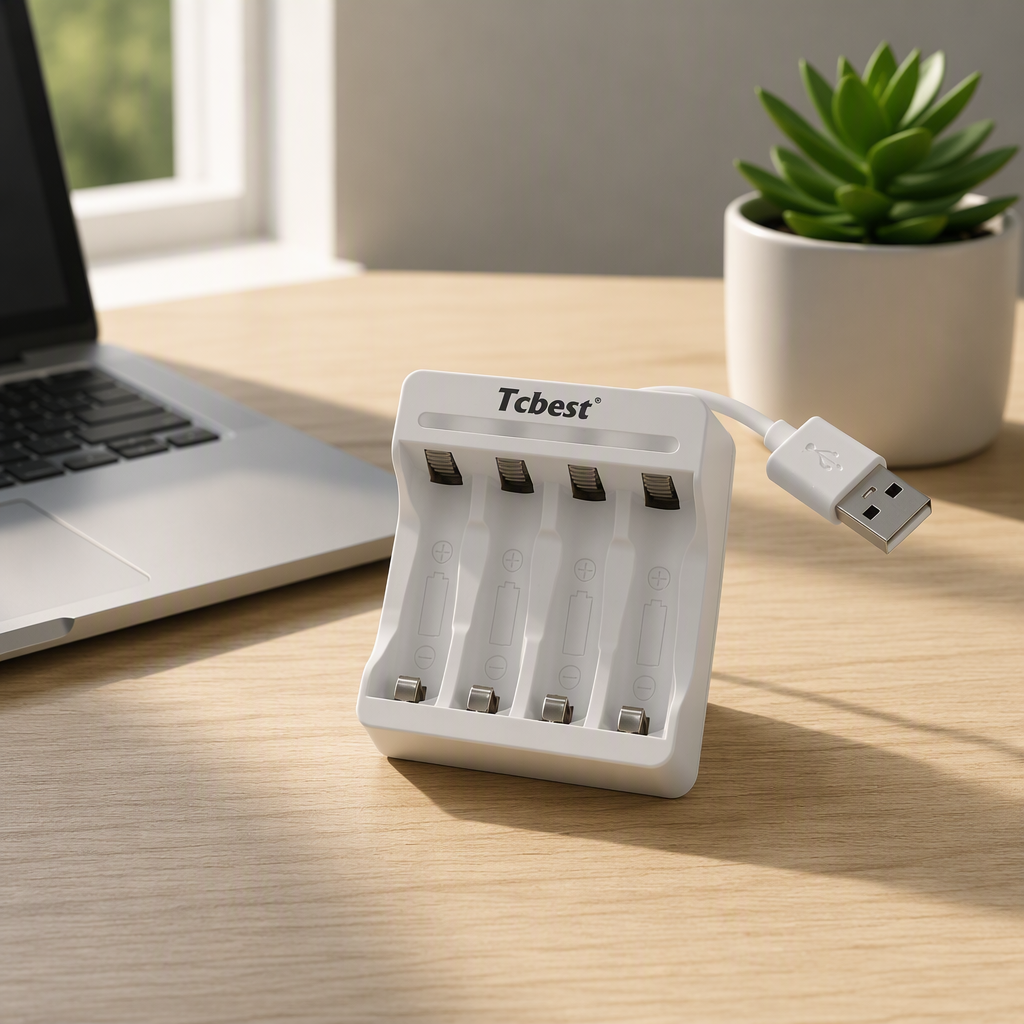
A NiMH battery requires a charging process designed specifically for its chemistry. A charger made only for lithium-ion, lithium-polymer, or lead-acid batteries is not a safe substitute.
The wrong charger may continue supplying current after the battery is full. This can lead to excessive heat, leakage, reduced capacity, or permanent damage.
A Smart Charger Makes Charging Easier
A good smart charger monitors factors such as voltage, temperature, charging time, or supplied capacity. Once the battery is full, it stops charging or lowers the current automatically.
Charging time is not the same for every battery. It depends on capacity, remaining charge, charger current, and efficiency. Rather than following one fixed time limit, use the instructions provided with the charger and battery.
Always inspect a battery before charging it. Do not charge it if the case is swollen, leaking, corroded, damaged, or unusually hot.
7. Keep Heat and Overcharging Under Control
A little warmth near the end of charging can be normal, but a NiMH battery should not become extremely hot.
Once the battery is full, continued charging creates additional heat and pressure inside the cell. Over time, this can reduce capacity and shorten battery life.
Let the Battery Cool Before Charging
If the battery has just powered a demanding device, allow it to cool before placing it in the charger. The same applies after fast charging: wait until the battery returns to a normal temperature before using it under a heavy load.
Charge batteries in a dry and ventilated place. Do not cover the charger or place it close to paper, fabric, or other easily ignited materials.
Trickle charging can be useful in equipment designed for standby operation, but it must be properly controlled. A basic charger should not remain connected indefinitely unless the manufacturer clearly states that continuous maintenance charging is supported.
8. Store Matching Batteries Together
When a device requires several cells, use batteries with the same chemistry, capacity, age, and charge condition. Mixing an old battery with new ones can create an imbalance because the older cell may run out first.
Do not mix NiMH batteries with alkaline batteries in the same device. The two chemistries have different voltages and discharge characteristics.
Know When It Is Time for Replacement
NiMH batteries naturally lose capacity as they age. A worn battery may appear to charge normally but provide a much shorter runtime. It may also become hot quickly or fail when the device demands more current.
Some smart chargers have a refresh function that performs controlled charge and discharge cycles. This may improve a battery that has been unused for a long time, but it cannot repair physical damage or severe aging.
Replace batteries that leak, corrode, deform, overheat repeatedly, or no longer deliver acceptable runtime.
Can NiMH Batteries Replace Alkaline Batteries?
In many devices, the answer is yes. An alkaline cell is rated at 1.5V, while a NiMH cell provides 1.2V. Even so, NiMH batteries often work well because their voltage remains fairly steady during use. The voltage of an alkaline battery starts higher but gradually drops as it discharges.
NiMH batteries are commonly used instead of alkaline batteries in cameras, toys, game controllers, wireless accessories, flashlights, and personal care products.
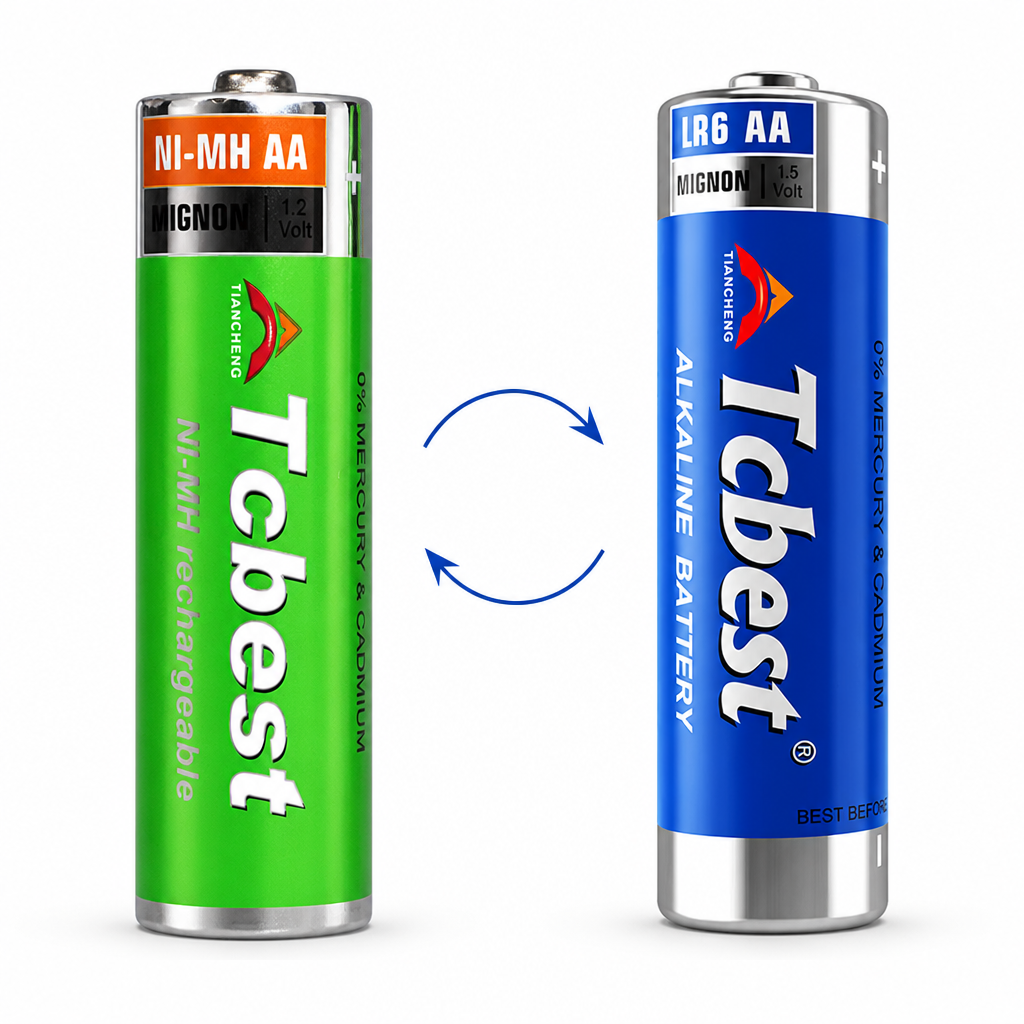
However, some equipment needs the higher initial voltage of an alkaline battery. It may not work properly with NiMH cells or may display a low-battery warning earlier than expected. Check the device manual before making the change.
FAQ
Do I Have to Fully Discharge a NiMH Battery Before Charging?
No. Modern NiMH batteries can be recharged while they still have power remaining. Frequently draining them completely may cause unnecessary stress, particularly in multi-cell battery packs.
Can I Use NiMH Batteries Instead of Alkaline Batteries?
Usually, but it depends on the device. NiMH cells provide 1.2V instead of the 1.5V supplied by new alkaline cells. Check whether the equipment supports rechargeable batteries before replacing them.
What Is the Best Way to Store NiMH Batteries?
Keep them in a cool, dry place and protect their terminals from metal objects. Remove them from devices that will not be used for a long time. Check stored batteries occasionally and recharge them according to the manufacturer’s recommendations.
Learn how to charge NiMH batteries safely, choose the correct charger, prevent overheating and overcharging, and extend battery service life. This guide also explains voltage, capacity, self-discharge, storage, replacement, and whether NiMH cells can replace alkaline batteries in toys, cameras, shavers, wireless devices, and other everyday equipment.
Table of Contents
- 1. Start with the Voltage Required by Your Device
- 2. Choose Capacity Based on How the Product Is Used
- 3. Make Sure the Battery Can Handle the Load
- 4. Expect Some Charge Loss During Storage
- 5. Do Not Wait Until the Battery Is Completely Empty
- 6. Use a Charger Made for NiMH Batteries
- 7. Keep Heat and Overcharging Under Control
- 8. Store Matching Batteries Together
- Can NiMH Batteries Replace Alkaline Batteries?
- FAQ