
 EN
EN
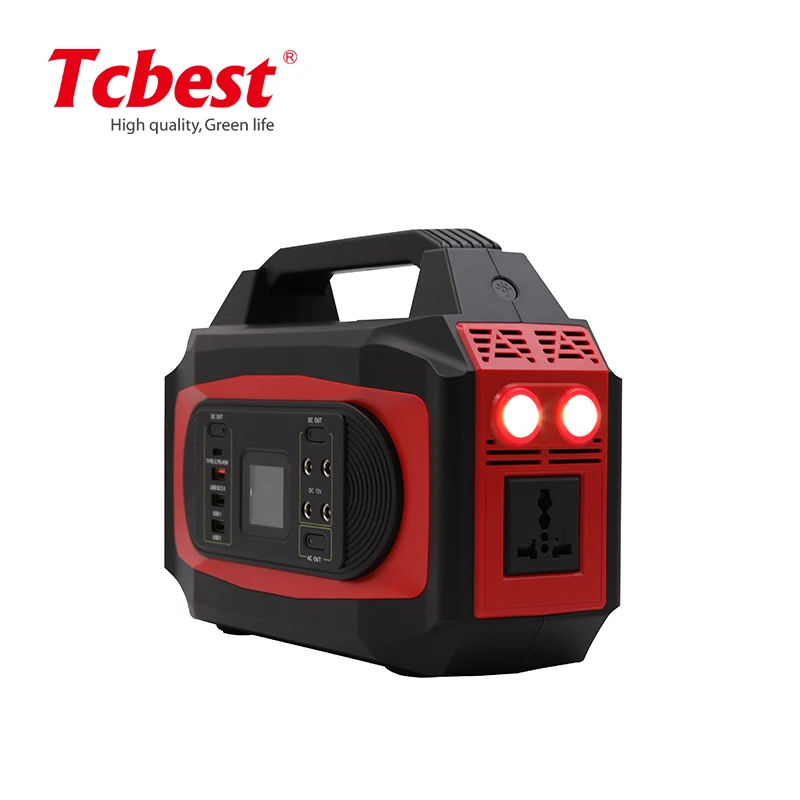
Maximizing the lifespan of an energy storage battery is critical for any industrial or commercial energy system. The cycle life of an energy storage battery determines how many charge-discharge cycles it can withstand before performance degrades significantly. Understanding how to improve energy storage battery cycle life directly impacts operational costs, system reliability, and return on investment. Organizations that prioritize cycle life management see measurable improvements in equipment longevity and reduced replacement expenses over time.
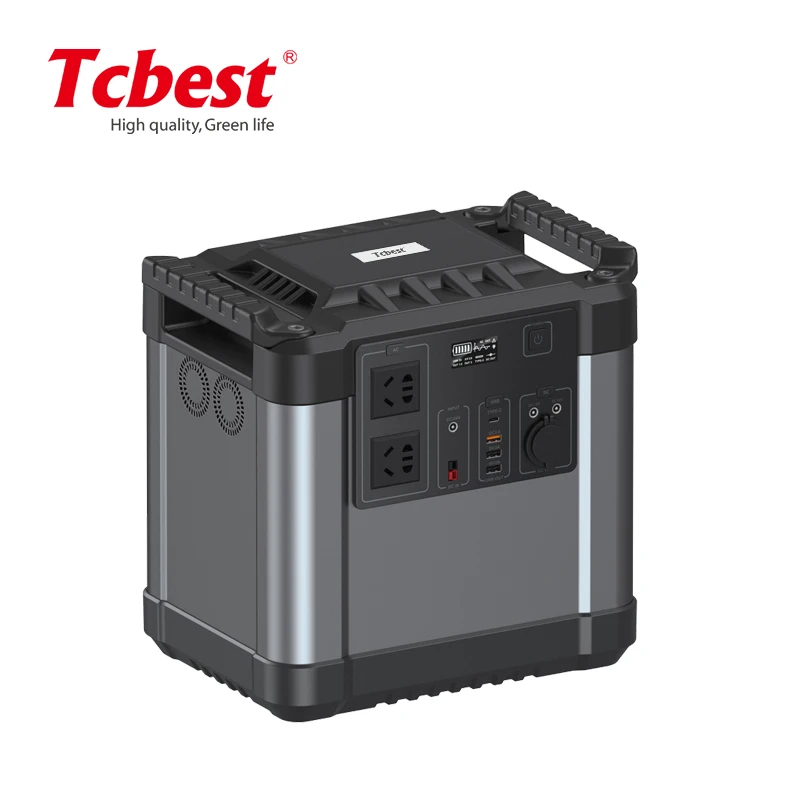
Every energy storage battery system encounters chemical and physical stress during normal operation. Each charge-discharge cycle introduces microscopic damage to the battery's internal structure, gradually reducing its capacity and efficiency. By implementing structured maintenance protocols and operational discipline, facilities can significantly extend the useful life of their energy storage battery investments. The following sections outline proven methods to enhance battery performance and durability across industrial applications.
Thermal Management and Temperature Control
Optimal Operating Temperature Range
Temperature is one of the most critical factors affecting energy storage battery longevity. Lithium-based energy storage battery systems perform best within a narrow temperature window, typically between 20 and 35 degrees Celsius. When an energy storage battery operates outside this range, chemical reactions accelerate, causing faster degradation and reduced cycle life. Heat accelerates electrolyte decomposition, while cold temperatures increase internal resistance and limit power delivery. Maintaining consistent temperature control through active cooling and insulation directly protects the energy storage battery from thermal stress and extends its operational lifespan significantly.
Heat Dissipation Systems
Implementing robust thermal management infrastructure is essential for any industrial energy storage battery installation. High-performance energy storage battery systems generate heat during fast charging and discharging cycles. Without proper heat removal, this thermal buildup degrades battery chemistry and accelerates capacity loss. Advanced cooling systems, whether liquid-cooled or air-cooled designs, maintain consistent temperatures around your energy storage battery assets. Regular inspection of cooling equipment, filter maintenance, and airflow verification ensure that your energy storage battery remains protected from thermal damage throughout its service life.
Charging and Discharging Protocol Optimization
Charge Rate Management
The rate at which you charge an energy storage battery significantly influences its cycle life. Rapid charging generates internal heat and causes structural strain within the energy storage battery cells. When facilities implement slower, more controlled charging protocols, they reduce stress on the battery chemistry and extend cycle life substantially. Most modern energy storage battery systems include built-in charge rate controllers that limit current flow during the charging process. Configuring these controllers to use moderate charging rates rather than maximum capacity charging preserves your energy storage battery's long-term performance and reduces premature degradation.
Depth of Discharge Considerations
The depth of discharge directly impacts how quickly an energy storage battery ages. Allowing an energy storage battery to discharge completely to zero percent state of charge accelerates chemical degradation and reduces overall cycle life. Industry best practice recommends maintaining discharge depths between 20 and 80 percent for optimal energy storage battery longevity. Operating your energy storage battery within this window minimizes stress on electrode materials and prolongs the battery's functional lifespan by years. This strategy requires careful load balancing and energy management planning, but the cycle life improvements justify the operational discipline required.
Monitoring, Maintenance, and State Management
Real-Time Performance Tracking
Continuous monitoring of your energy storage battery system provides early warning of degradation and enables proactive maintenance. Modern energy storage battery systems include battery management systems that track voltage, current, temperature, and state of charge in real time. These systems detect anomalies such as cell imbalance or thermal drift that could reduce cycle life if left unaddressed. By analyzing this monitoring data regularly, facility managers can identify problems before they compound and damage the entire energy storage battery pack. Implementing a structured data review process ensures that your energy storage battery receives appropriate interventions at the right time.
Preventive Maintenance and Balancing
Cell balancing is a critical maintenance function that extends energy storage battery cycle life dramatically. Over time, individual cells within an energy storage battery pack develop slight variations in charge and capacity. These imbalances accumulate, forcing some cells to operate at higher stress levels and degrade faster. Active balancing systems redistribute charge between cells, maintaining uniform voltage and extending the lifespan of the entire energy storage battery system. Regular inspections of connectors, terminals, and wiring also prevent resistance buildup that could compromise your energy storage battery performance. Scheduled maintenance reduces unexpected failures and ensures consistent cycle life across the entire battery asset lifetime.
Chemical Composition and Storage Conditions
Electrolyte Quality and Additives
The electrolyte chemical composition within an energy storage battery directly determines how many cycles it can deliver. High-quality electrolytes with advanced additives provide better cycle life performance than standard formulations. Electrolyte additives stabilize the solid-electrolyte interface and reduce side reactions that cause capacity loss. When selecting an energy storage battery for industrial applications, specifying advanced electrolyte chemistry is an important decision that impacts long-term operational costs. Facilities should prioritize energy storage battery products designed with cycle life enhancement in mind, as these represent superior value over extended service periods.
Rest Periods and State of Charge Storage
How you store an energy storage battery during idle periods affects its cycle life when operation resumes. Keeping an energy storage battery at extremely high or low state of charge during extended downtime accelerates self-discharge and chemical degradation. Best practice involves maintaining an idle energy storage battery at approximately 50 percent state of charge in a cool environment. This intermediate state minimizes stress on electrode materials and preserves the energy storage battery's capacity for future use. For seasonal or long-term storage scenarios, periodic check-ups and rebalancing ensure that your energy storage battery returns to service in optimal condition with minimal cycle life lost.
FAQ
What is the typical cycle life of an industrial energy storage battery?
Modern lithium-based energy storage battery systems typically deliver 3,000 to 10,000 cycles depending on chemistry, operating conditions, and maintenance practices. The exact energy storage battery cycle life depends on discharge depth, temperature management, and charge protocols. Systems optimized for cycle life extension often exceed 8,000 cycles, while poorly maintained installations may drop to 2,000 cycles. Investing in proper energy storage battery management practices measurably improves these baseline figures and extends the payback period of your energy system investment.
Can overcharging damage an energy storage battery?
Yes, overcharging significantly reduces energy storage battery cycle life and can create safety hazards. Modern energy storage battery management systems include overcharge protection that automatically stops charging at maximum safe voltage. However, consistently charging to the absolute maximum state of charge stresses the energy storage battery chemistry and reduces overall cycle life. Implementing protocols that charge to 90 or 95 percent rather than 100 percent extends your energy storage battery lifespan substantially. This slight reduction in usable capacity is offset by the dramatic improvement in long-term cycle life and battery health.
How does temperature affect energy storage battery aging?
Temperature profoundly influences how quickly an energy storage battery ages through chemical reaction acceleration. For every 10 degrees Celsius increase above the optimal range, energy storage battery cycle life can decrease by 20 to 40 percent. Cold temperatures also harm performance by increasing internal resistance and reducing power delivery capability. Maintaining stable temperatures between 20 and 35 degrees Celsius is one of the most cost-effective ways to protect your energy storage battery investment. Investing in thermal management infrastructure pays dividends through extended cycle life and reduced replacement frequency.